
Read our latest magazine articles
We have listed all our magazine articles from January to June 2025. So you can read them again at your leisure during the holidays. In each article, a UG researcher talks about their field.
Brain researcher Iris Sommer wins Stevin Prize: ‘I want to be able to make a difference’
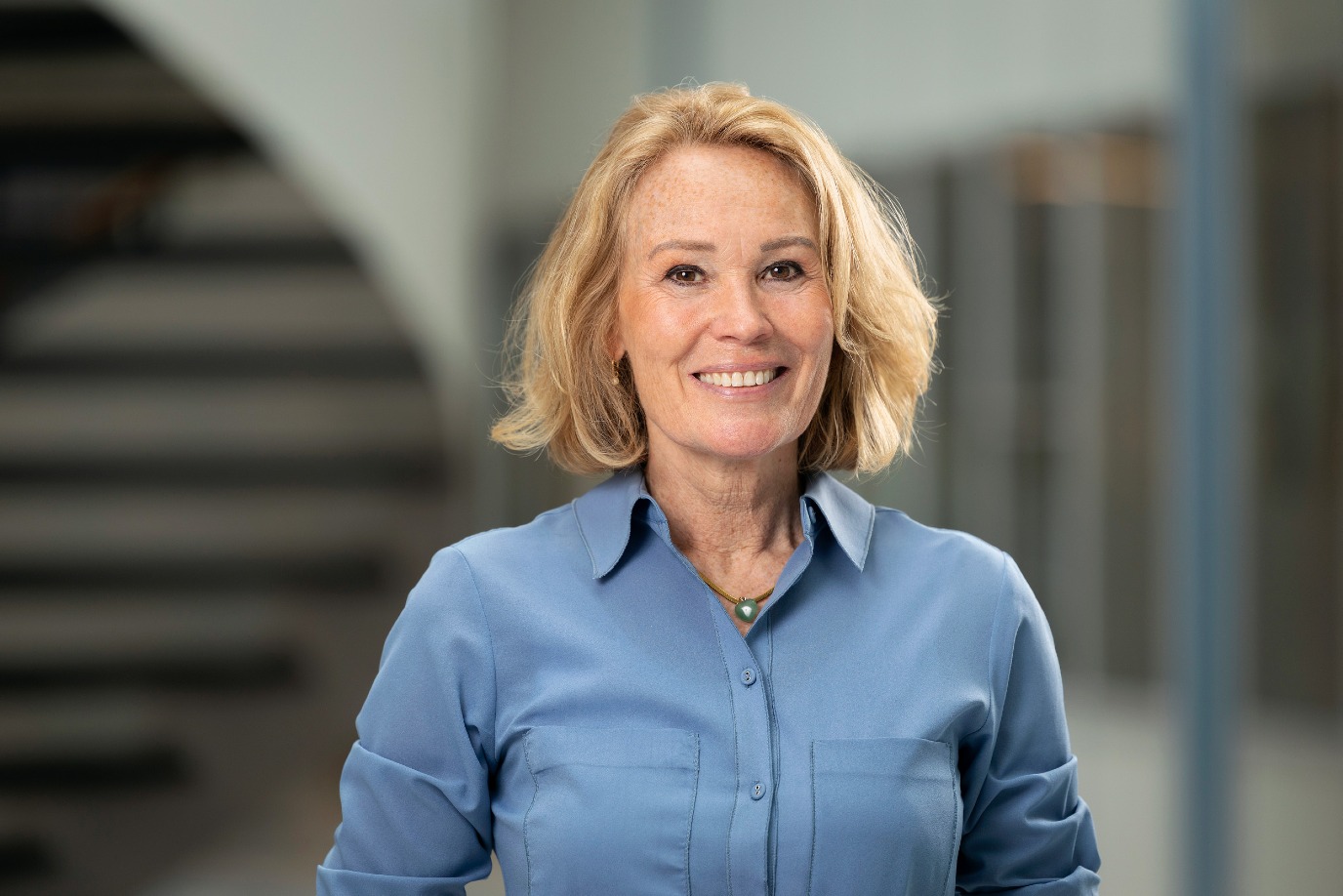
Iris Sommer has been awarded the Stevin Prize for her groundbreaking research into brain functioning, serious psychiatric disorders, and better treatment for female patients. Sommer is Professor of Psychiatry at the UMCG and UG. The Dutch Research Council (NWO) has been awarding this prize to researchers who have made exceptional achievements in the area of knowledge utilization for society since 2018. Together with the Spinoza Prize, it is the highest distinction in the Dutch academic world. Read more
The online world: Not all doom and gloom for young people
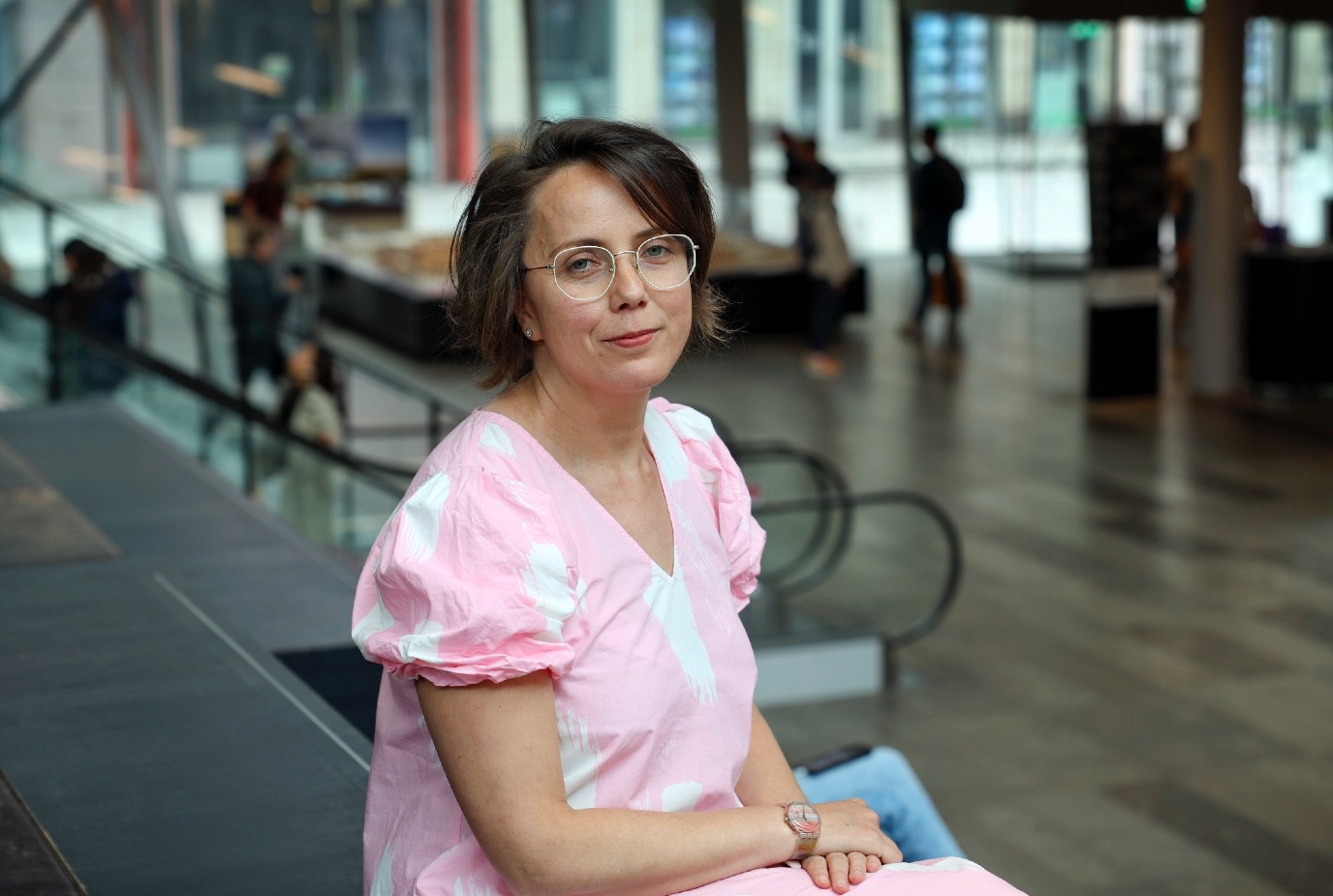
The online world has undeniable negative effects. For young people, however, digital tools are also an important means of civic engagement and activism. According to Annamária Neag, an assistant professor at the University of Groningen, we should adopt a nuanced view. 'Technology isn’t inherently good or bad. We need to teach young people to use it critically.' Read more
Grid congestion is not just a lack of cables
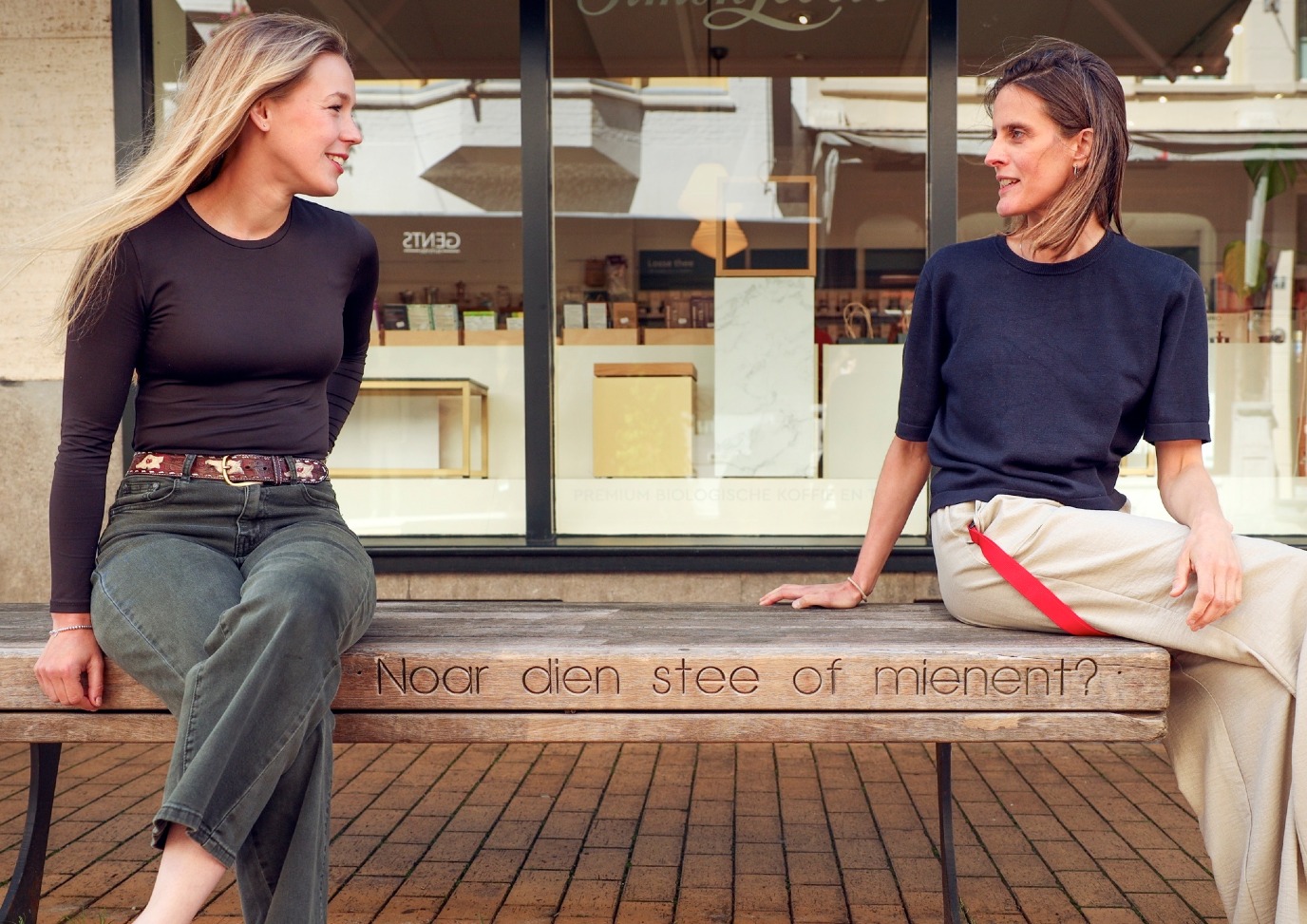
The Dutch power grid is grinding to a halt. Not because of a lack of electricity, in fact there is sometimes too much electricity, but because of an increasing lack of coordination between demand, infrastructure, and regulations. This is affecting the house building sector, ongoing sustainability, and economic growth. However, energy law experts Lea Diestelmeier and Jamie Behrendt do not think that the answer is simply to lay more cables. We also need smarter ways of using the existing capacity, new legislation and regulations, and changes in the way households and businesses consume electricity. Read more
Living with wildlife in East-Africa
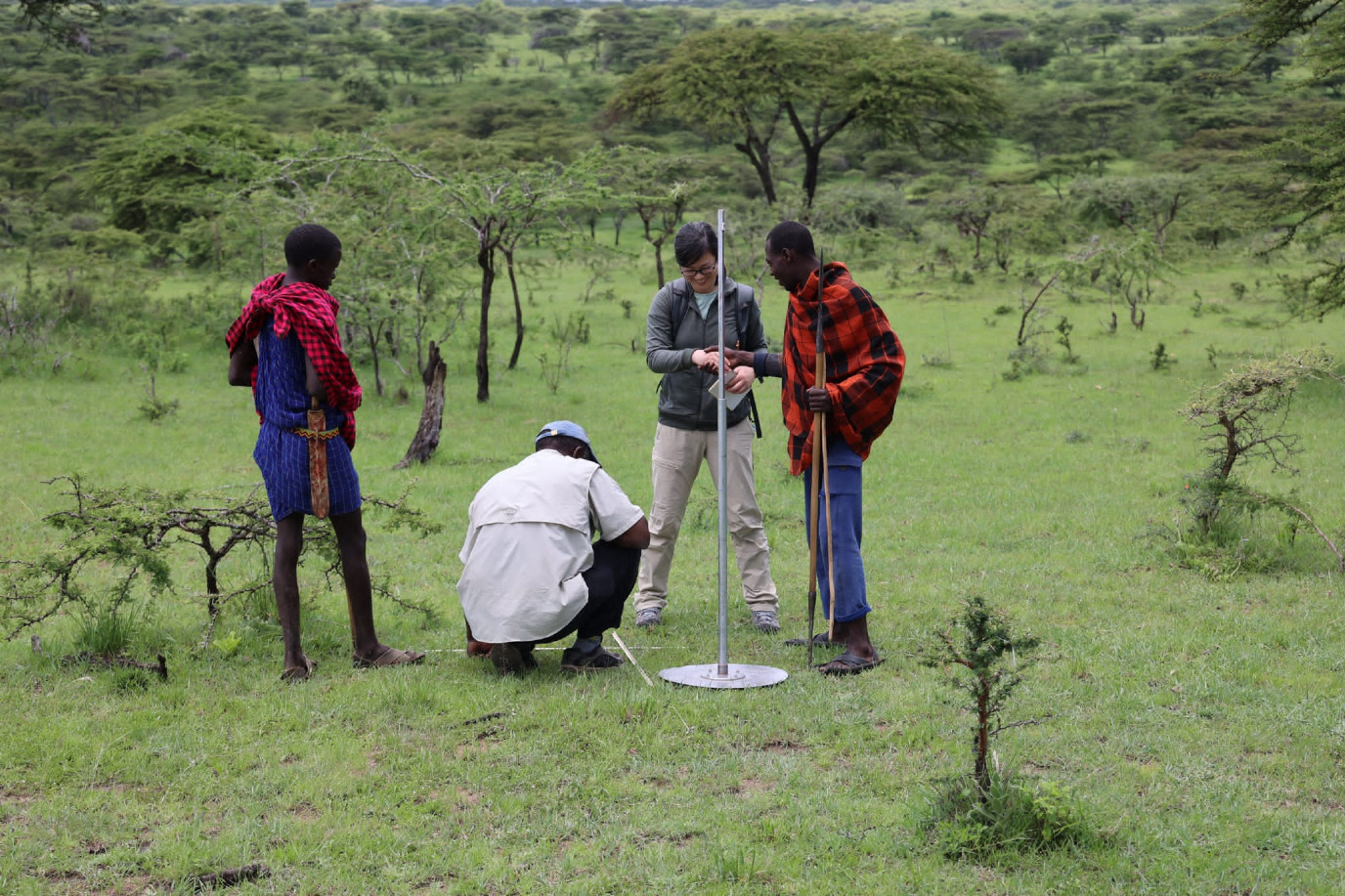
How can wildlife, people, and livestock thrive in the iconic ecosystems of East-Africa? This question is at the core of CoCoST, an international research programme co-funded by the Ubbo Emmius Foundation. Researcher Yuhong Li focused on how livestock and wildlife can coexist, while Michael Kimaro studied the effectiveness of a fence that protects crops from elephants. They both are defending their PhD theses at the UG on 9 June. Read more
Public space belongs to everyone
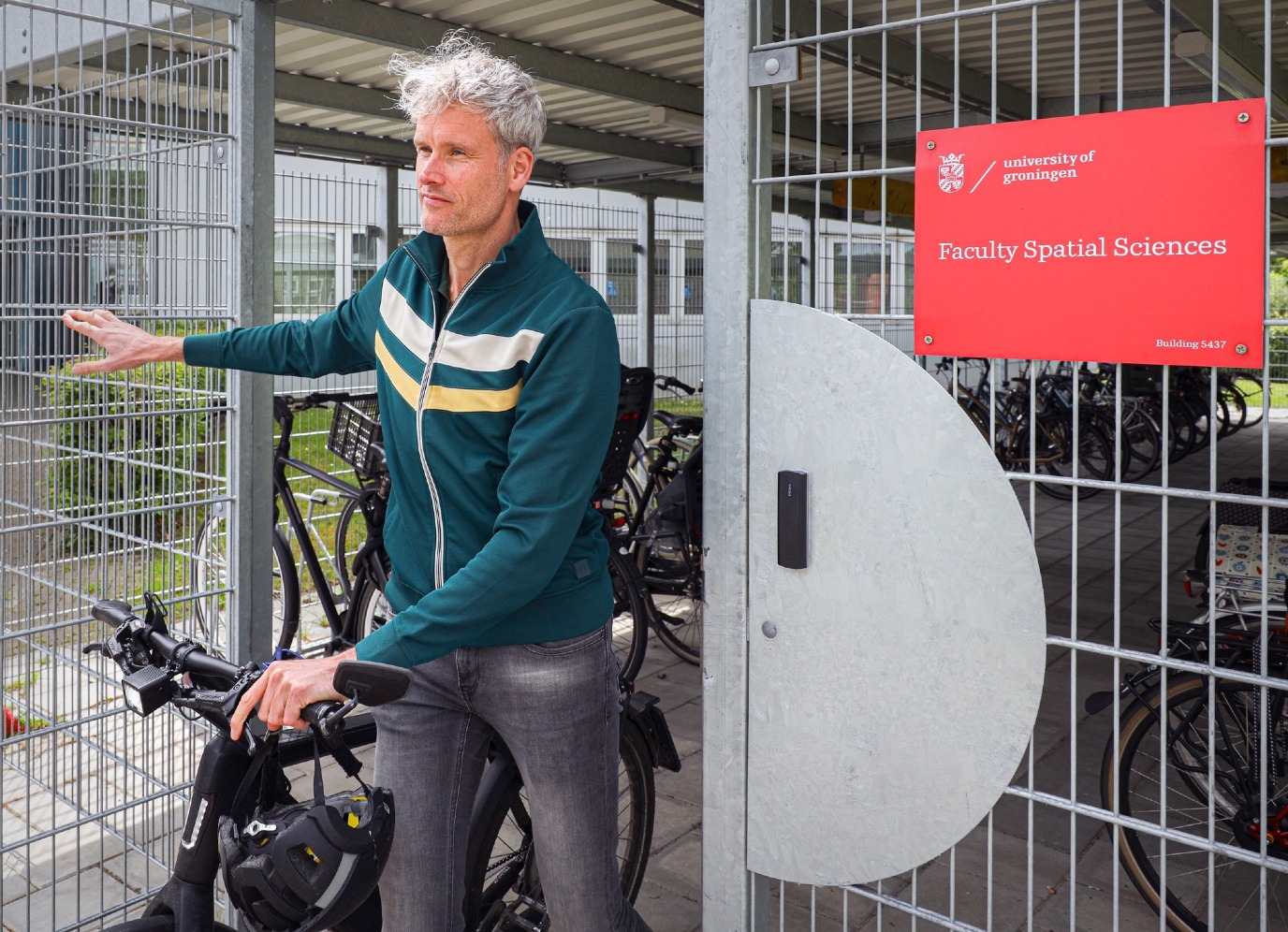
How can public space be designed in such a way that it is safe, accessible, and inviting for everyone? Geographer Gerd Weitkamp studies how people move through their living environment, but also how they experience it. In particular, he examines what this means for their health, well-being, and social participation. ‘If you make an environment safe, for example for an eight-year-old child, or accessible for older adults, then it becomes safer and more accessible for everyone.’ Read more
Student teams compete with self-driving cars
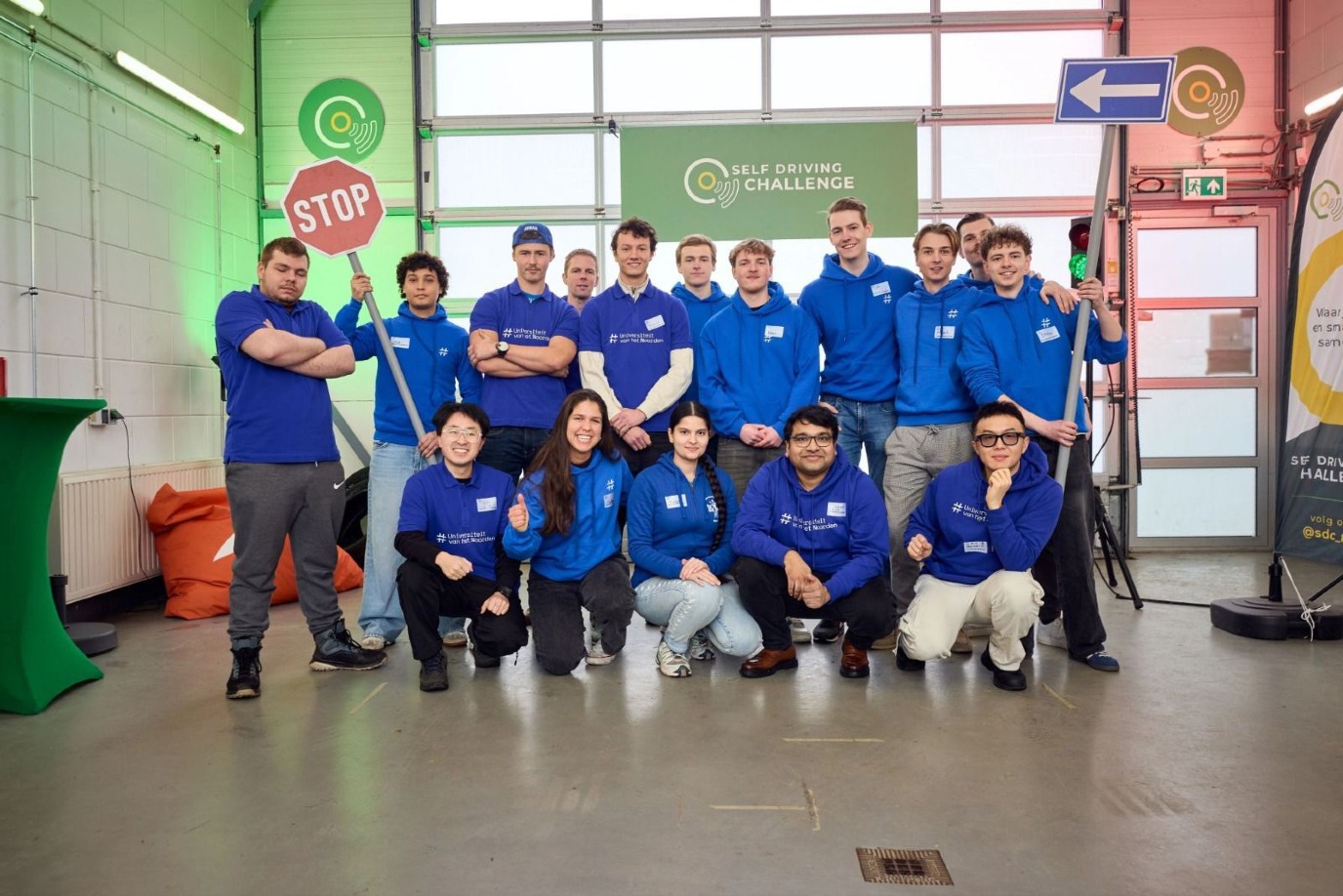
If it were up to brands like Tesla or Mercedes-Benz, self-driving cars would be the new normal in the future. But is it really safe for a vehicle without a driver to circulate in regular traffic? To gain a better understanding of the challenges posed by autonomous vehicles, the RDW (Netherlands Vehicle Authority) is organizing the Self Driving Challenge. A team of students from the UG is taking part. Read more
How fundamental research on new classes of materials leads to everyday applications
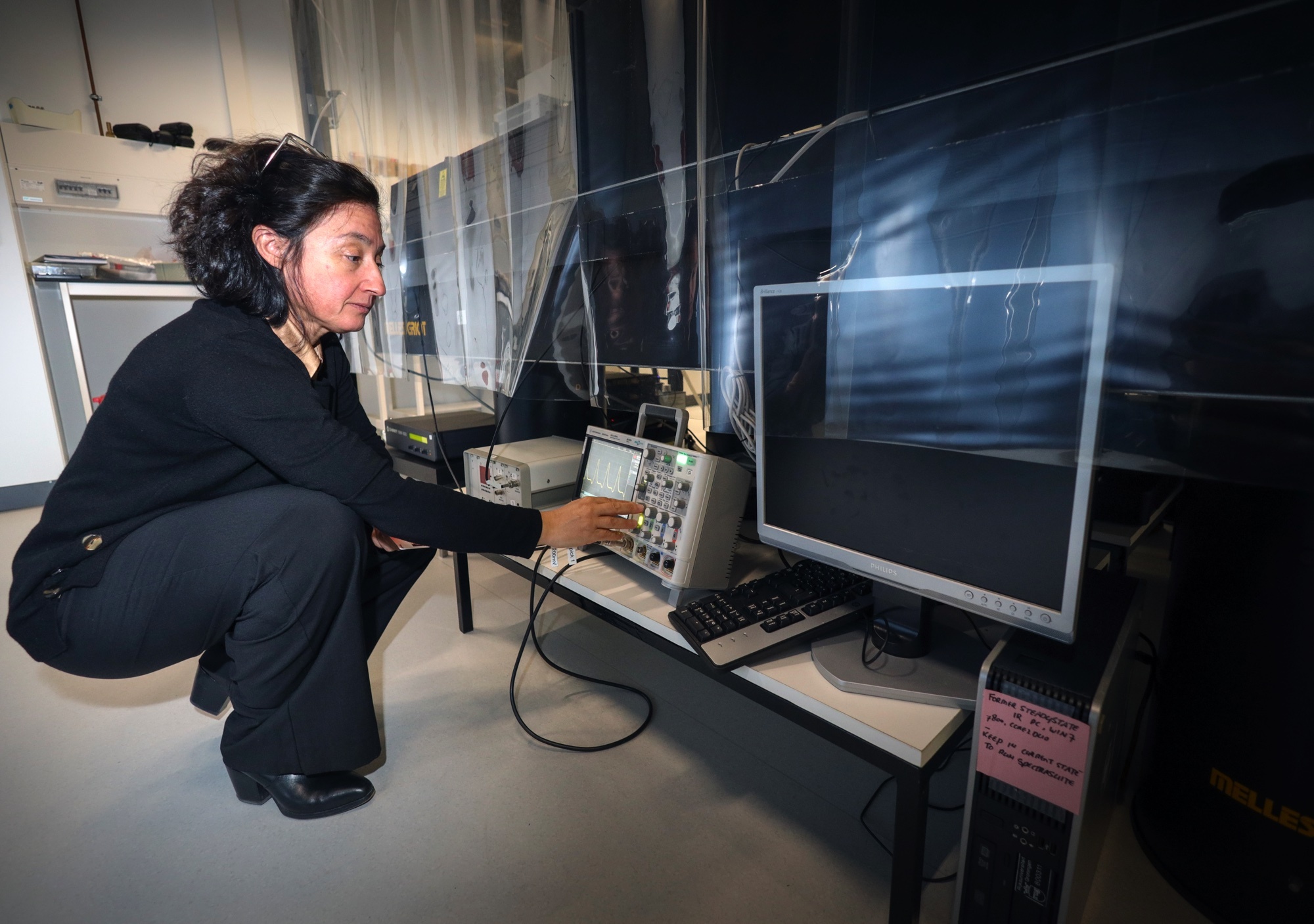
From fundamental research on new classes of materials to everyday applications: throughout her career, professor of photophysics and optoelectronics Maria Antonietta Loi has proved that this transformation doesn’t have to be difficult. Next to perovskites, she is currently focusing on quantum dots, which according to her can have very important applications in photodetector technology: ‘I expect that quantum dots devices may become soon a very important player in the detection of infrared light.’ Read more
Organize AI in the same way as the law
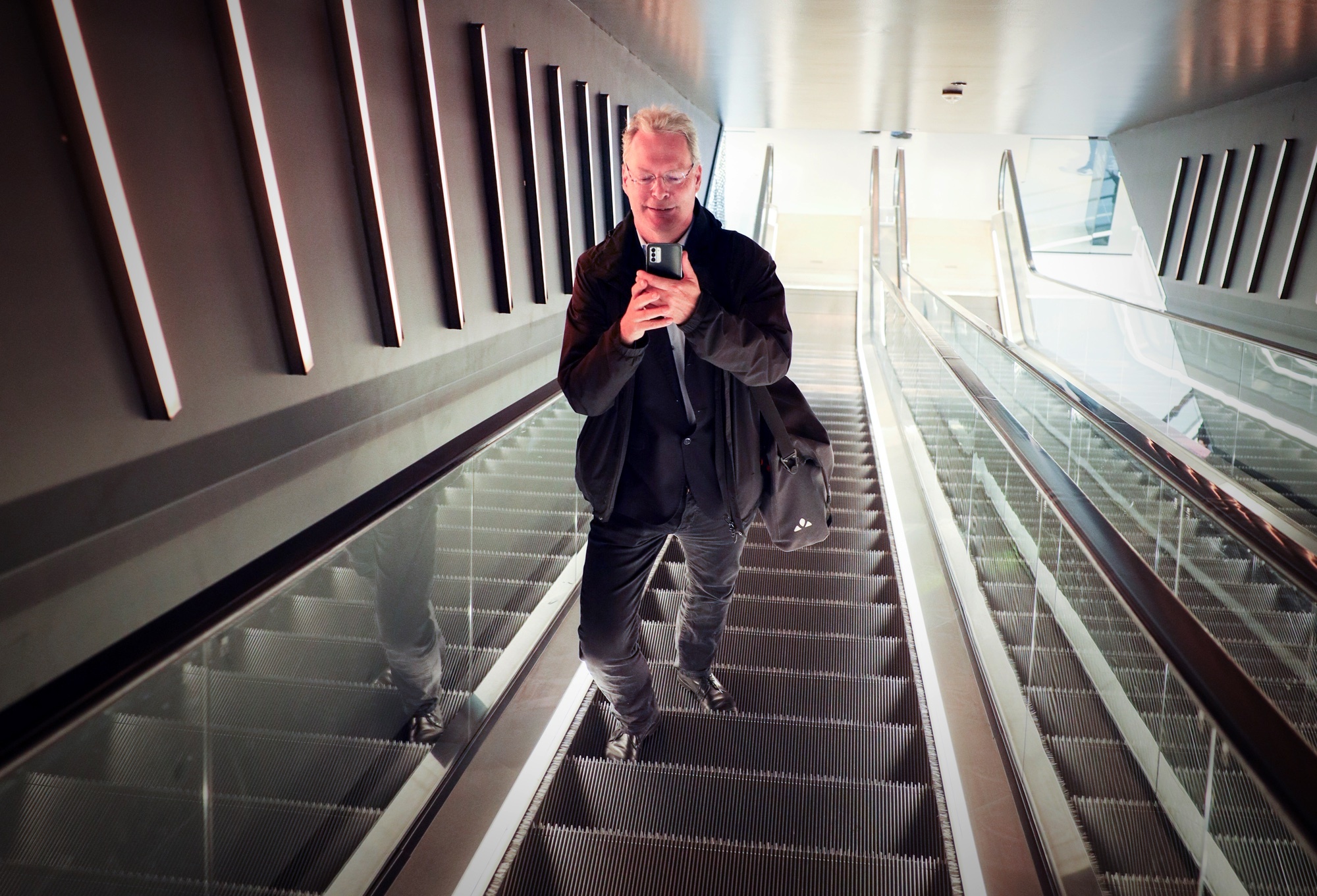
What can artificial intelligence learn from a court case? A great deal, says Professor of AI Bart Verheij. According to Verheij, intelligence is all about the exchange of arguments, just like in the courtroom. ‘My dream is that experts from as many other fields as possible will help to develop AI.’ Read more
Mind and money matters
How to manage your finances: it is not a subject you are taught at school; you are just supposed to know how to do it. For people with a mental health condition, this can prove a real challenge. Psychologist Janneke Koerts investigates where things go wrong and what can be done about it. Read more
Strong entry measures alone will not bring about equality
A quota for women is a forceful remedy designed to create more diversity at the top. This is certainly important, says Floor Rink, Professor in Organisational Behaviour at the Faculty of Economics and Business, but simply getting women to the top is not enough. Although there are now enough women in senior positions to enable studies to be conducted, these studies show that they tend to leave these positions sooner than their male counterparts. Moreover, there is no so-called Second Act for them. So strong entry measures alone are clearly not enough. Read more
Groningen on the map as European capital of hip-hop
Groningen has had a lively hip-hop scene for many years, but nowadays it stretches as far as the academic world. Steven Gilbers is researching the linguistic aspects of rap. He helped to compile an exhibition about hip-hop in the Groninger Museum, and arranged for an international hip-hop conference to be held in the city. Read more
Consumer rights should never be used to legitimize waste
Millions of products are still being destroyed every year: customer returns, unsold stock, and items that are cheaper to replace than to repair. Europe is eager to counter such wasteful practices but cannot do so without adequate laws and regulations. Charlotte Pavillon discusses the legal complexities surrounding the circular economy. Read more
You too could become a perpetrator
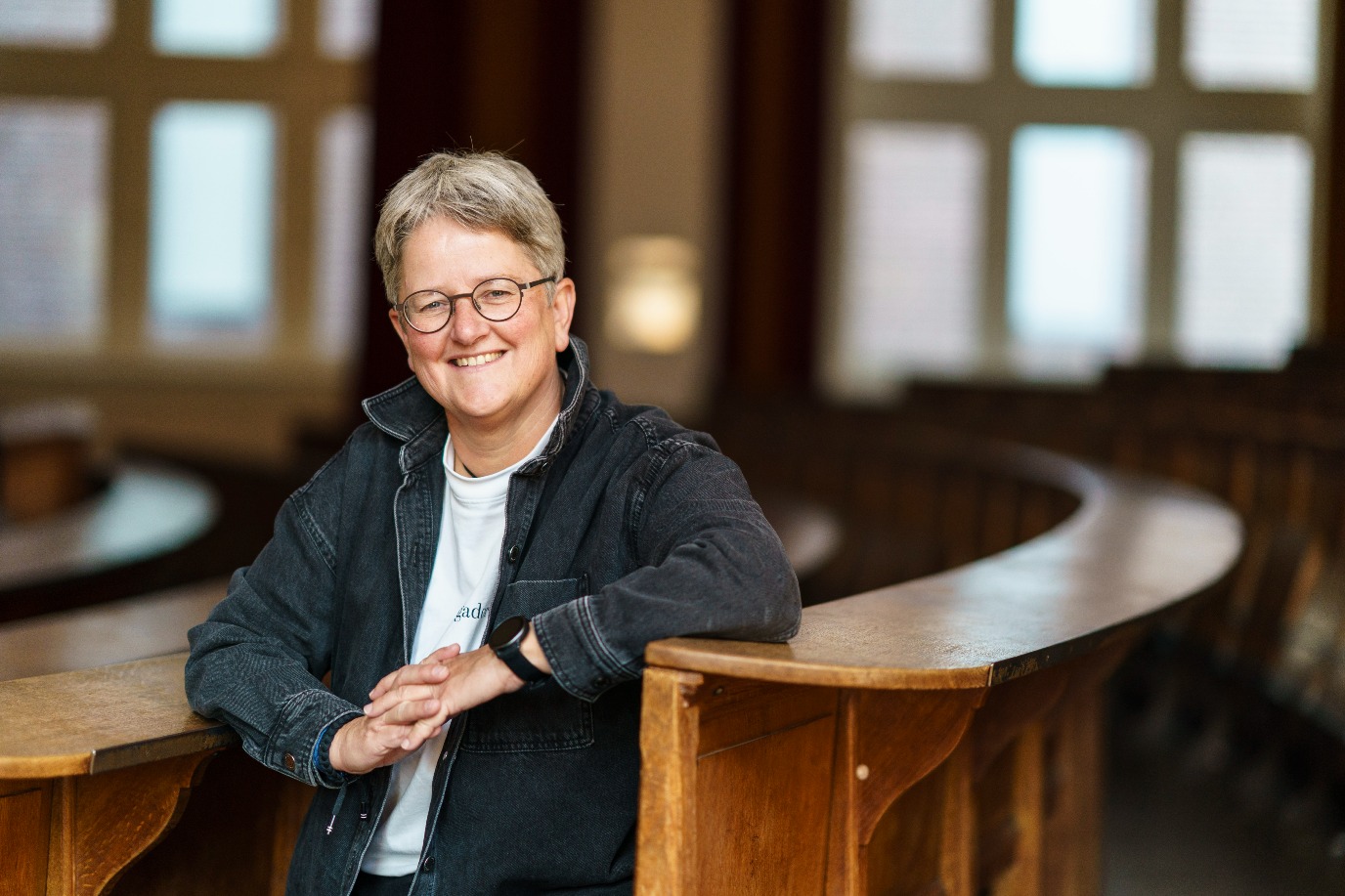
Alette Smeulers’ meticulous research into war criminals and genocidaires has brought her firmly into the spotlight. Her book Angstaanjagend normaal (which translates as ‘Terrifyingly Normal’) features a typology of these offenders. She wrote the book explicitly as a warning to all of us. The thing that worries her most is the commonly held idea that you could not be a perpetrator yourself. Read more
Combating climate injustice through art
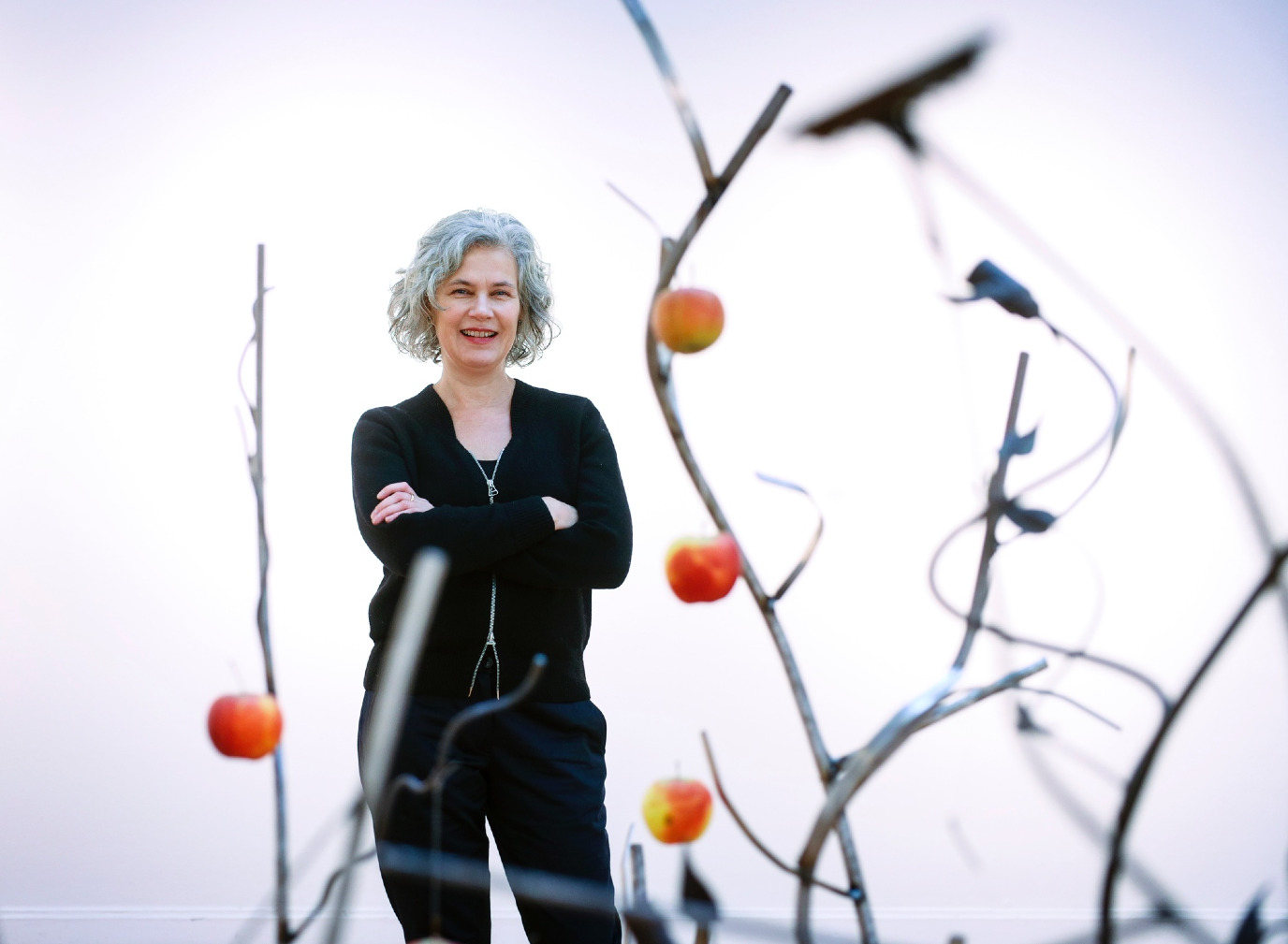
With the large-scale Just Art project, educational and research institutions in the Netherlands and abroad will, over the coming years, join forces with artists to combat climate injustice. The initiative is led by Ann-Sophie Lehmann from the University of Groningen and Ruby de Vos from Hanze University of Applied Sciences. Read more
Birds in a race against spring
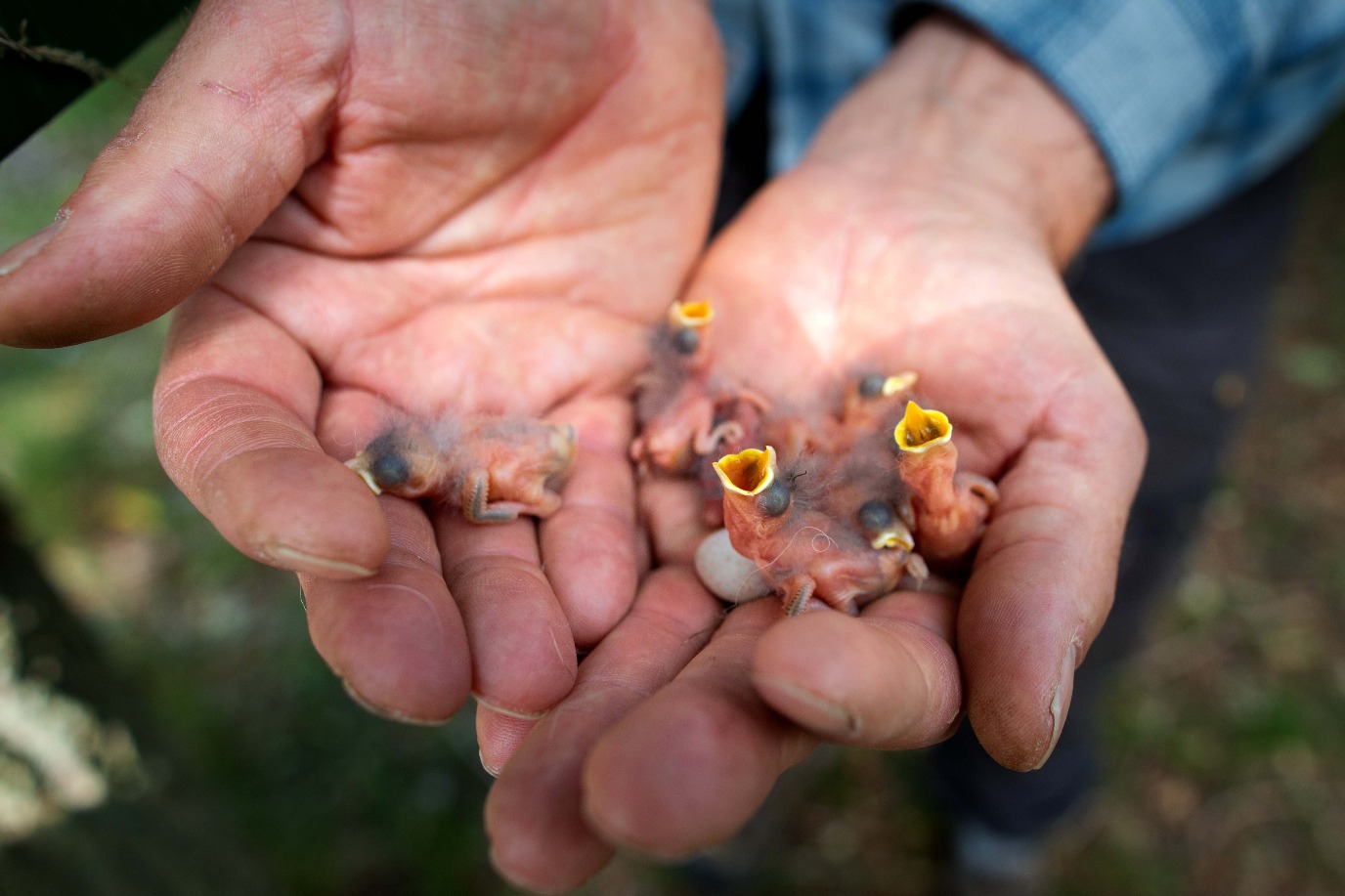
25 years ago, biologist Christiaan Both was one of the researchers who discovered a mismatch between birds’ breeding season and the timing of peak food supply, with many birds breeding too late with spring coming earlier. Follow-up research has shown that birds are capable of adapting, but does this apply to all species and can they adapt quickly enough? Read more
Circling back to behaviour change
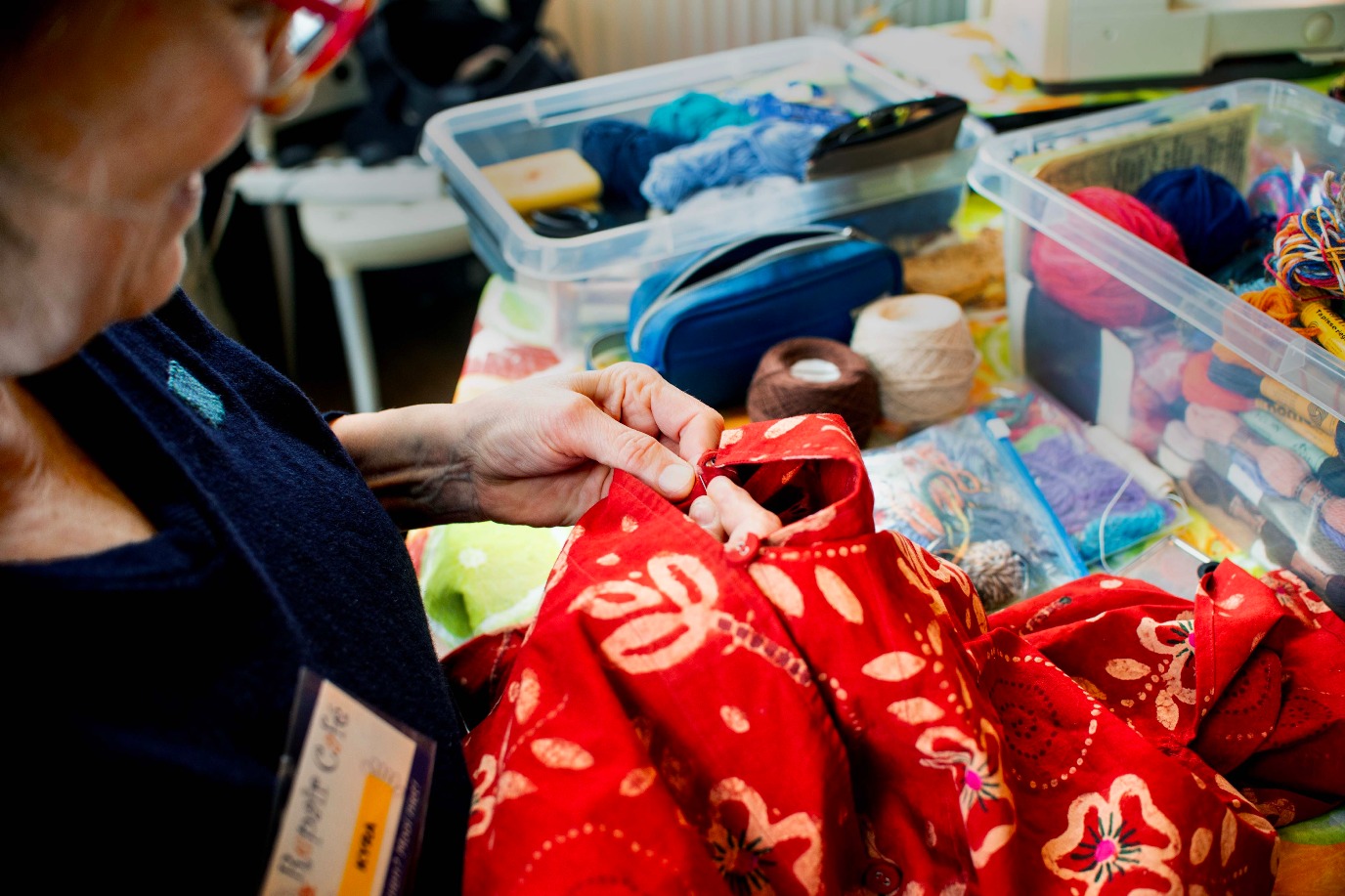
What are the most impactful actions we can take towards creating a circular economy? Environmental psychology PhD candidates Isabel Pacheco and Julia Koch have been researching the role of personal behaviour in accelerating the transition to circularity and what things we can do that make the biggest difference. Read more
Islands as testing grounds for a sustainable society
Remote, close-knit communities in ecologically unique environments are some of the defining characteristics of many islands. This makes them particularly well-suited for research. The Islands & Sustainability Lab is an interdisciplinary knowledge network that conducts research and shares knowledge about islands across faculty and national borders. Read more
A secure, resilient society starts at the local level
‘Broad security and resilience go way beyond the way you respond to a geopolitical situation, although this is currently very much in the spotlight,’ explains Professor Natascha van der Zwan, who has been the incumbent of the Aletta Jacobs chair in Global & Local Governance, with a focus on Security since last year. She is using her appointment to draw together various lines of research in the field of broad-based security, such as social security, financial stability, and sustainability. ‘The thing about Campus Fryslân is that it’s the perfect place to do this. The faculty focuses on major social transitions, and the basis for security and resilience always starts within your own community.’ Read more
‘Stop treating sex workers like outcasts’
Abuses in prostitution and human trafficking must be combated rigorously. But what is the best way to do so? The approach varies from country to country: from legalization and regulation to restricting sex work by reducing supply or demand. For her doctoral research, Lisa Hoekman compares legislation and its effects in countries such as Belgium, the Netherlands, Sweden, France, and Germany. She concludes: ‘Sex workers who choose the profession voluntarily are often the victim.’ Read more
Microplastics are like boomerangs
As part of the measurement campaign Kleding Onder de Loep (Clothing Under the Microscope), Barbro Melgert assessed how much microplastic the inhabitants of Groningen disperse from their own clothes. By making people aware of their own role in the dispersion of microplastics, she is hoping to promote a healthier living environment. Read more
Elanor Boekholt-O’Sullivan: ‘What can we learn from Aletta Jacobs? Stand firm and persevere’
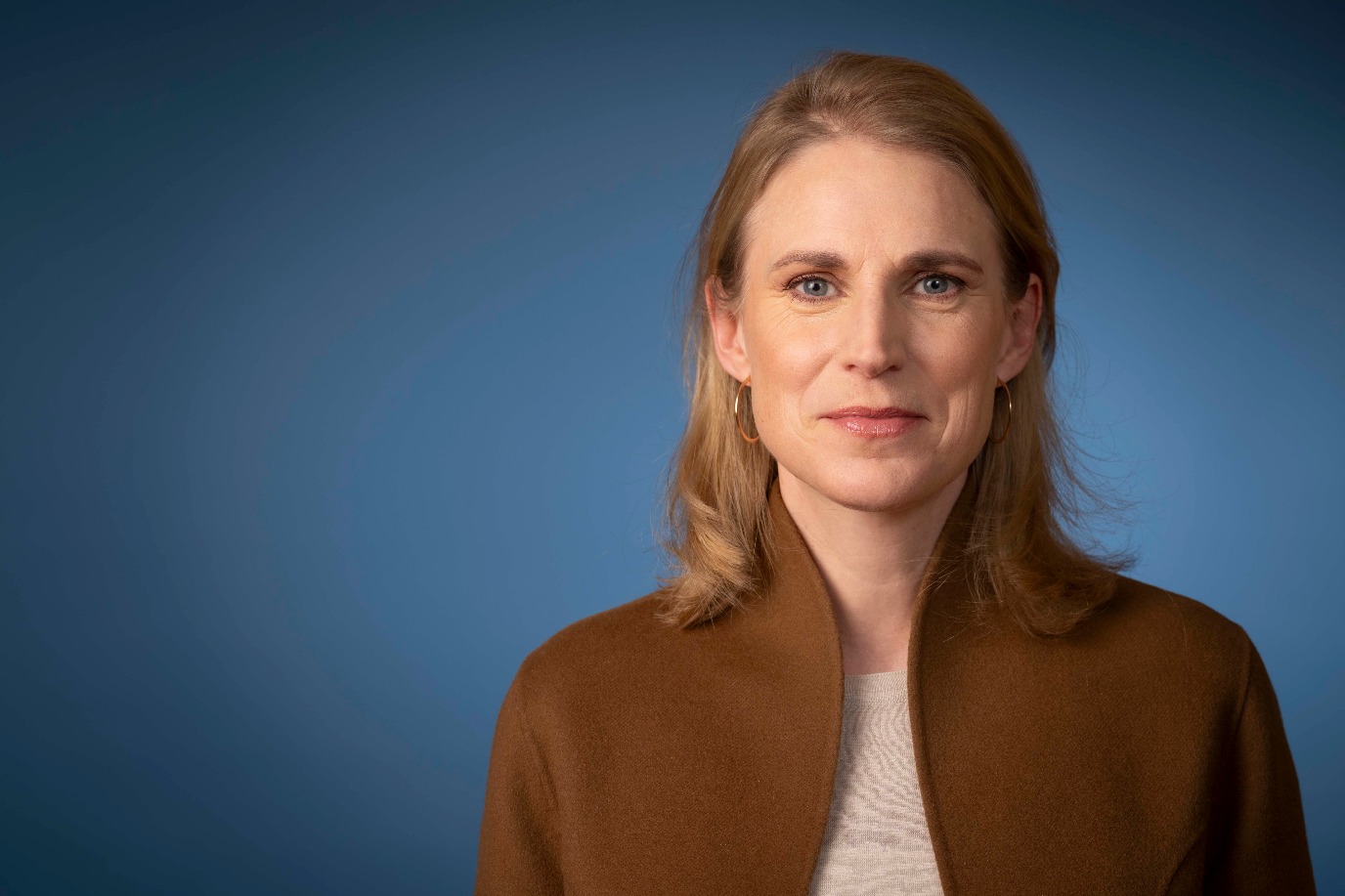
Last year, when Elanor Boekholt-O’Sullivan heard that she would be awarded the University of Groningen (UG) Aletta Jacobs Prize on 6 March 2026, she wondered whether it was really true. ‘That was indeed the case, and I must admit that for a few seconds there in my office, I was walking on air. Only afterwards did I realize what an incredible honour and responsibility it is to receive this prize.’ Read more
Insight into the inner workings of lightning
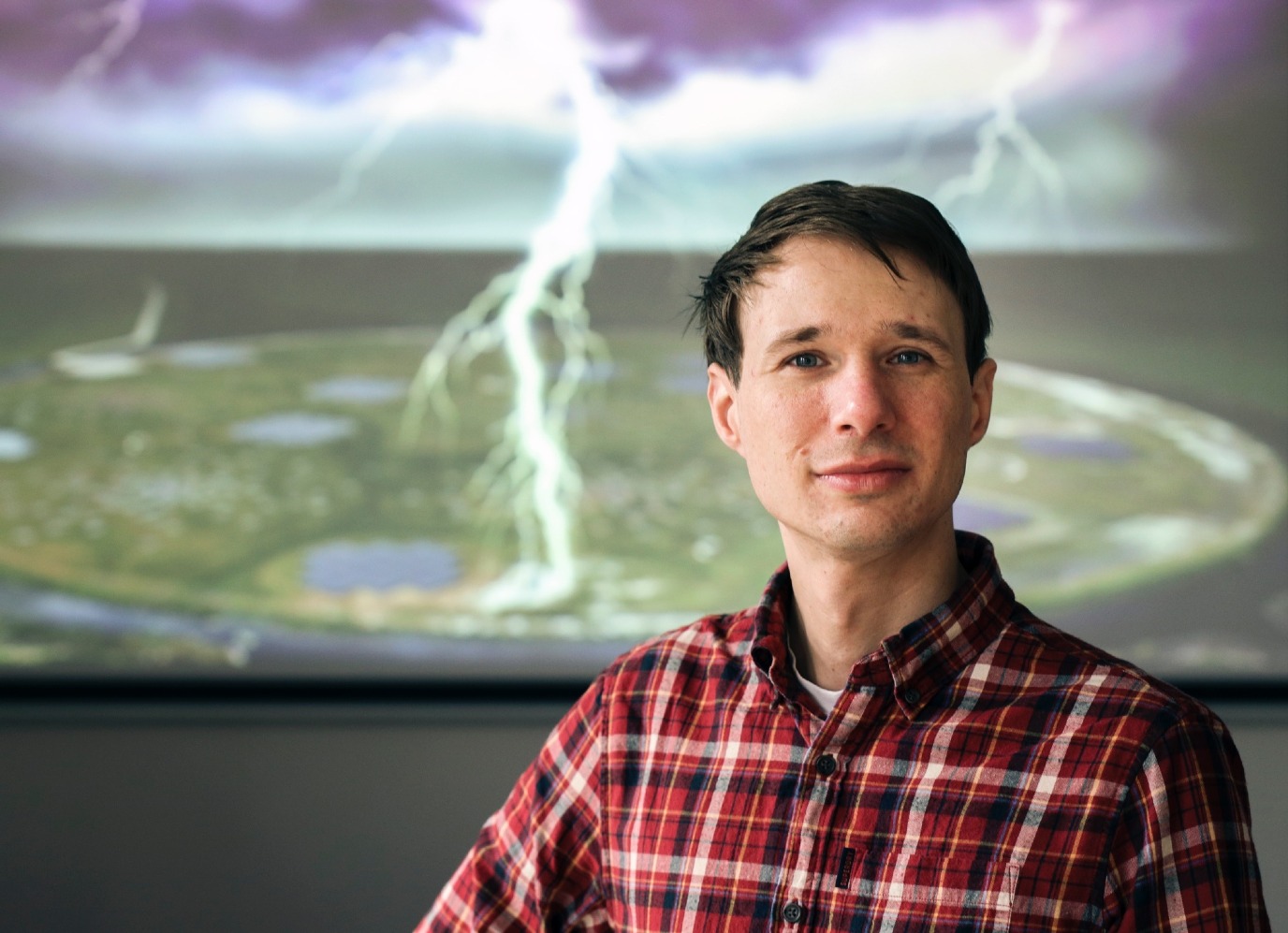
A bright flash, a loud bang, and a deep rumble: lightning is a fascinating meteorological phenomenon, and perhaps a little scary. Though it has been around forever, research on the inner workings of lightning has been limited thus far. However, Brian Hare and his colleagues from the Kapteyn Astronomical Institute (part of the Faculty of Science and Engineering at the University of Groningen) are shaking up the lightning research landscape. How? By using ASTRON’s large radio telescope LOFAR. Read more
From Ghostbuster to Disaster Researcher
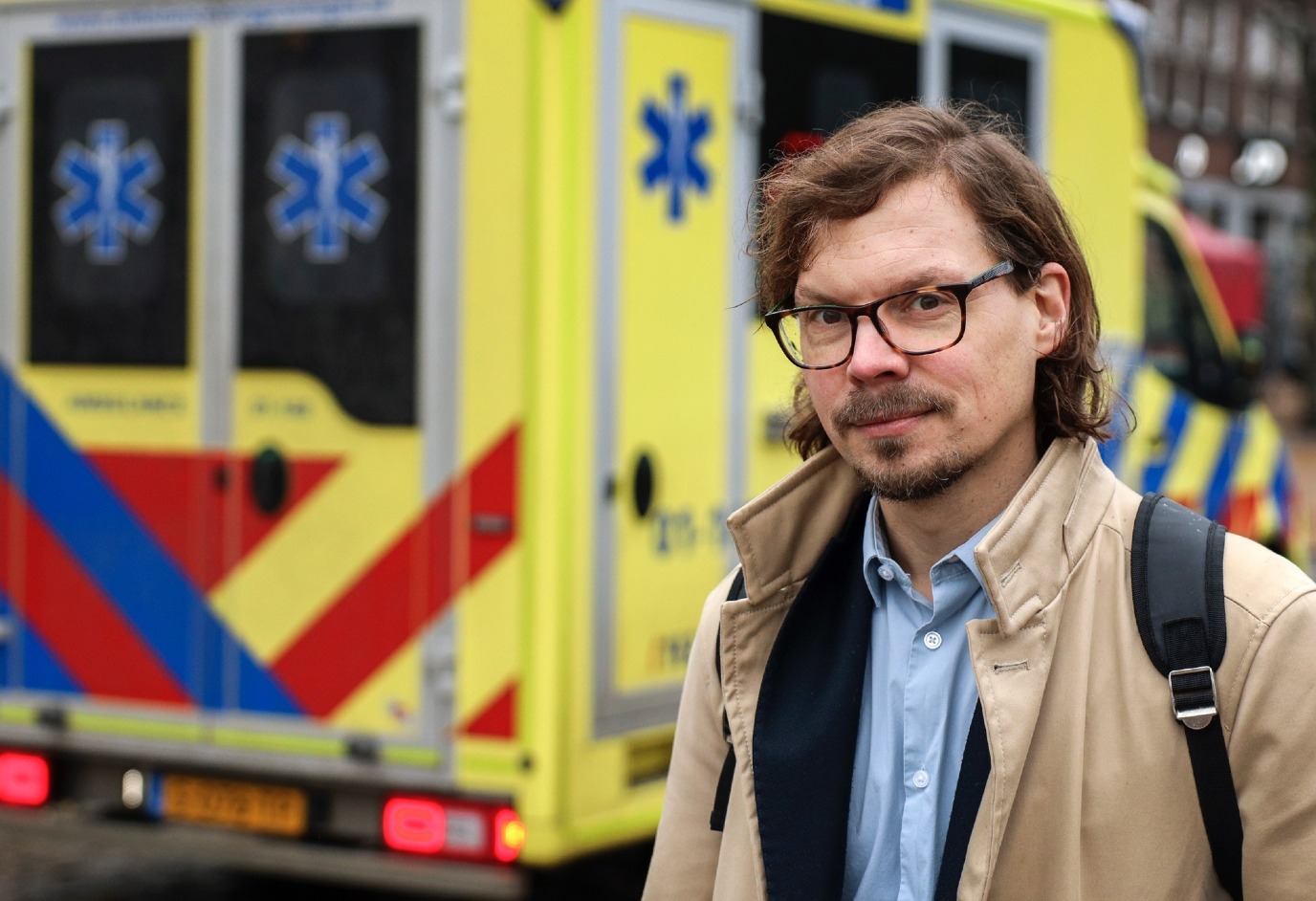
Disaster events often produce long-term impacts that persist well beyond the acute phase. In his research, Michel Dückers explores how exposure to threats and disasters shapes the lives of individuals over time. Read more
‘Regeneration starts where courage meets imagination’
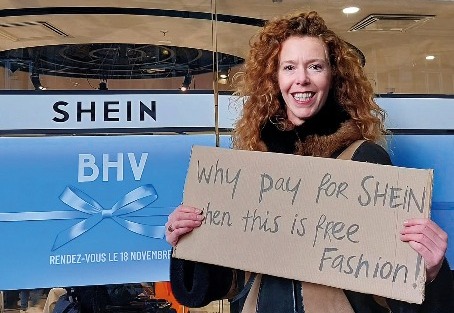
Kim Poldner can get very angry about harmful fast fashion companies like Shein, but her academic work (and personal mission) revolves around what is possible: restoration, renewal, and resilience. And entrepreneurs who demonstrate these traits. Her work as Professor by special appointment of Regional and Circular Economic Development is mainly focused on the Northern Netherlands, which turns out to be highly receptive to regenerative experiments and ecosystem formation. Read more
‘Such willpower’
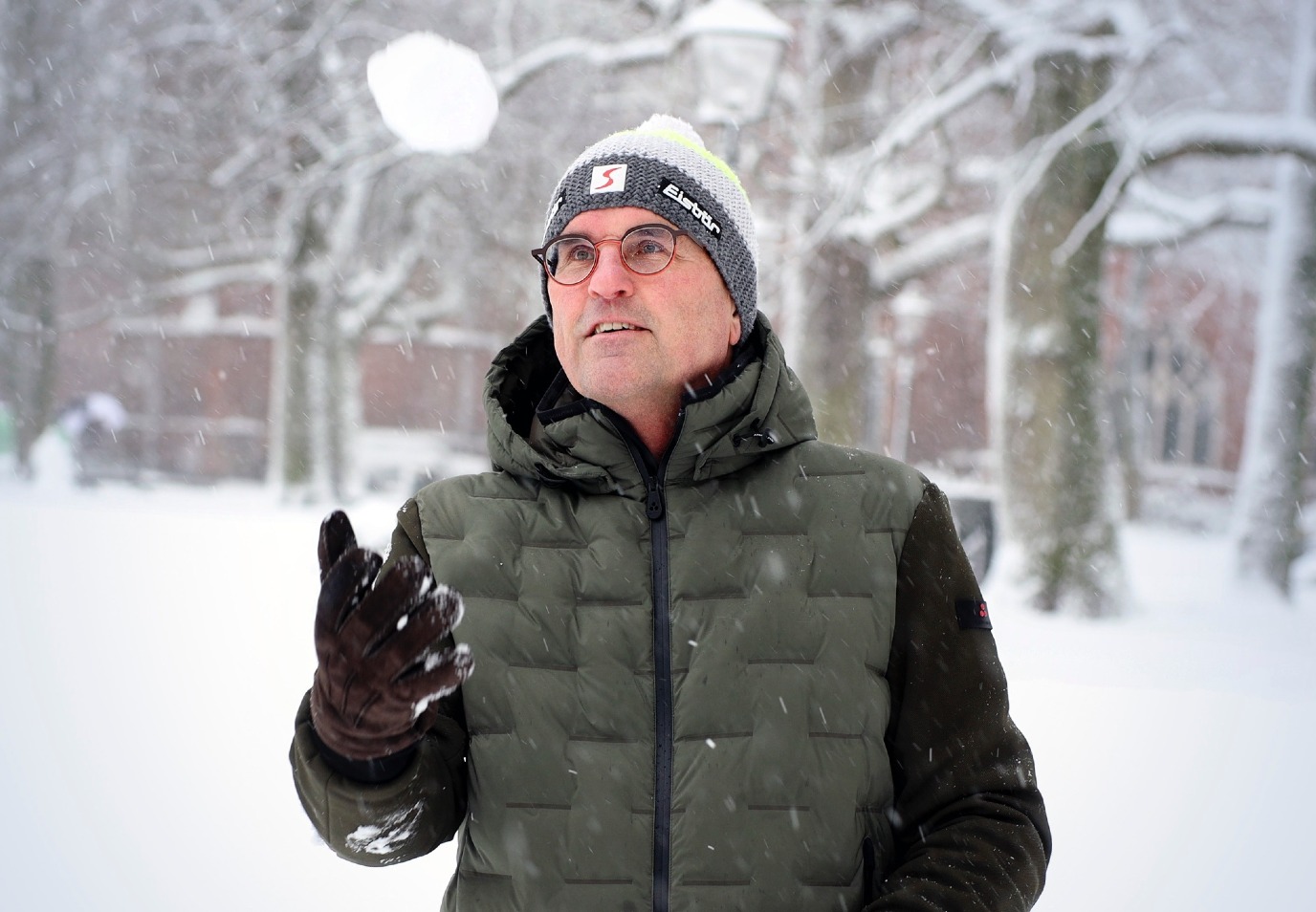
The Olympic Games are where athletes show off the peak of human performance and push themselves to the limit. But being an Olympian is not just about being at your absolute physical peak. Olympians must also strive for mental mastery. Nico W. van Yperen is Professor of Sport & Performance Psychology. His work focuses on the role mental strength plays in high-performance sport. ‘Many people think that physical and mental aspects are unrelated, but obviously, that is not at all the case,’ he says. ‘Your psychological state of mind always affects your physical performance, and vice versa.’ Read more
‘Going to court is the last resort; there is so much more you can do before that.’
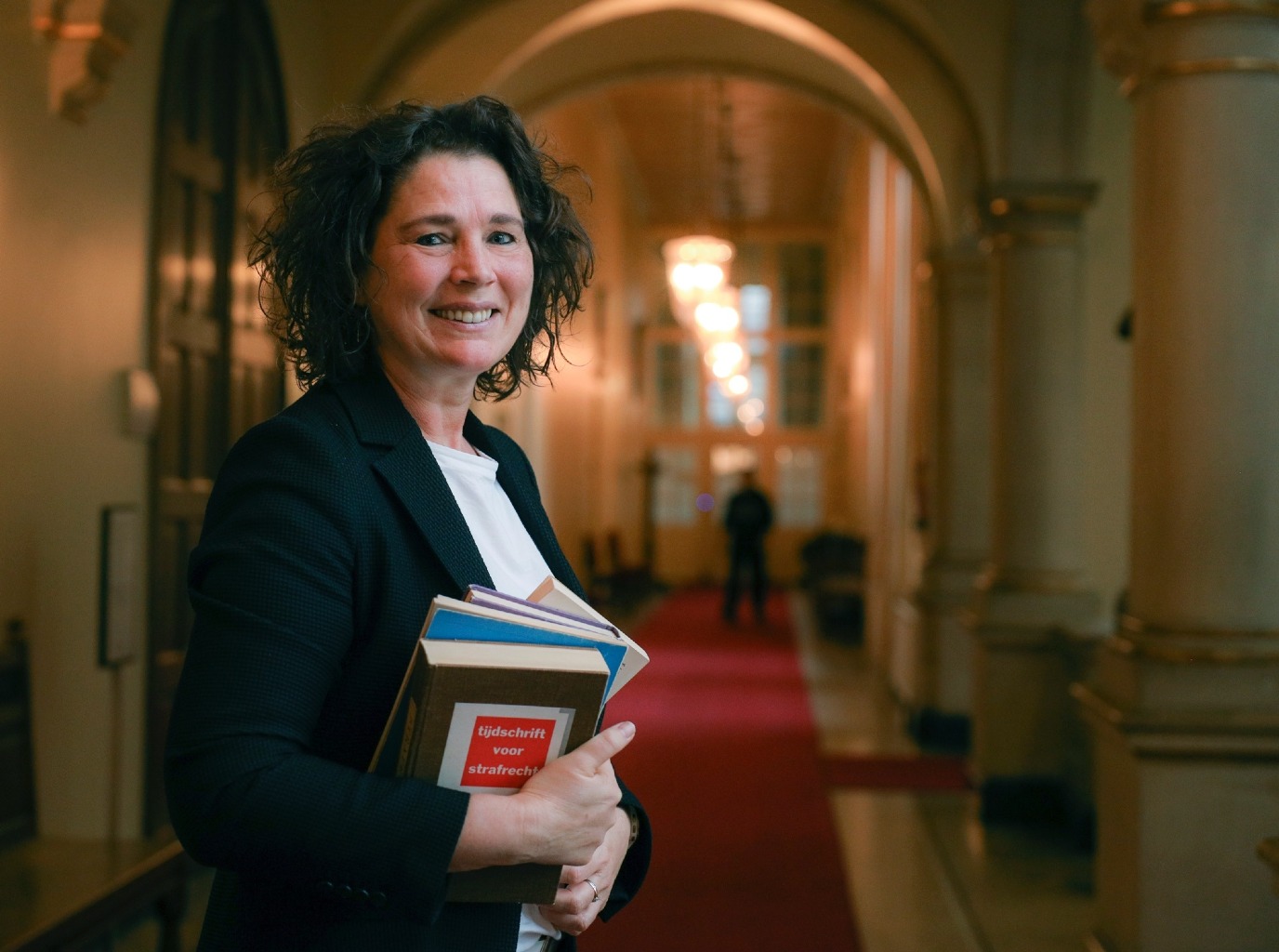
As a 12-year-old, assistant professor Ester Post spent months hunched over the newspapers in the library of her hometown, Urk. It was the autumn of 1987, and the media were completely fixated on the kidnapping and — as became apparent much later — the murder of Ahold CEO Gerrit Jan Heijn. The young Post followed every twist and turn. Read more
Alcohol, texting, and e-bikes
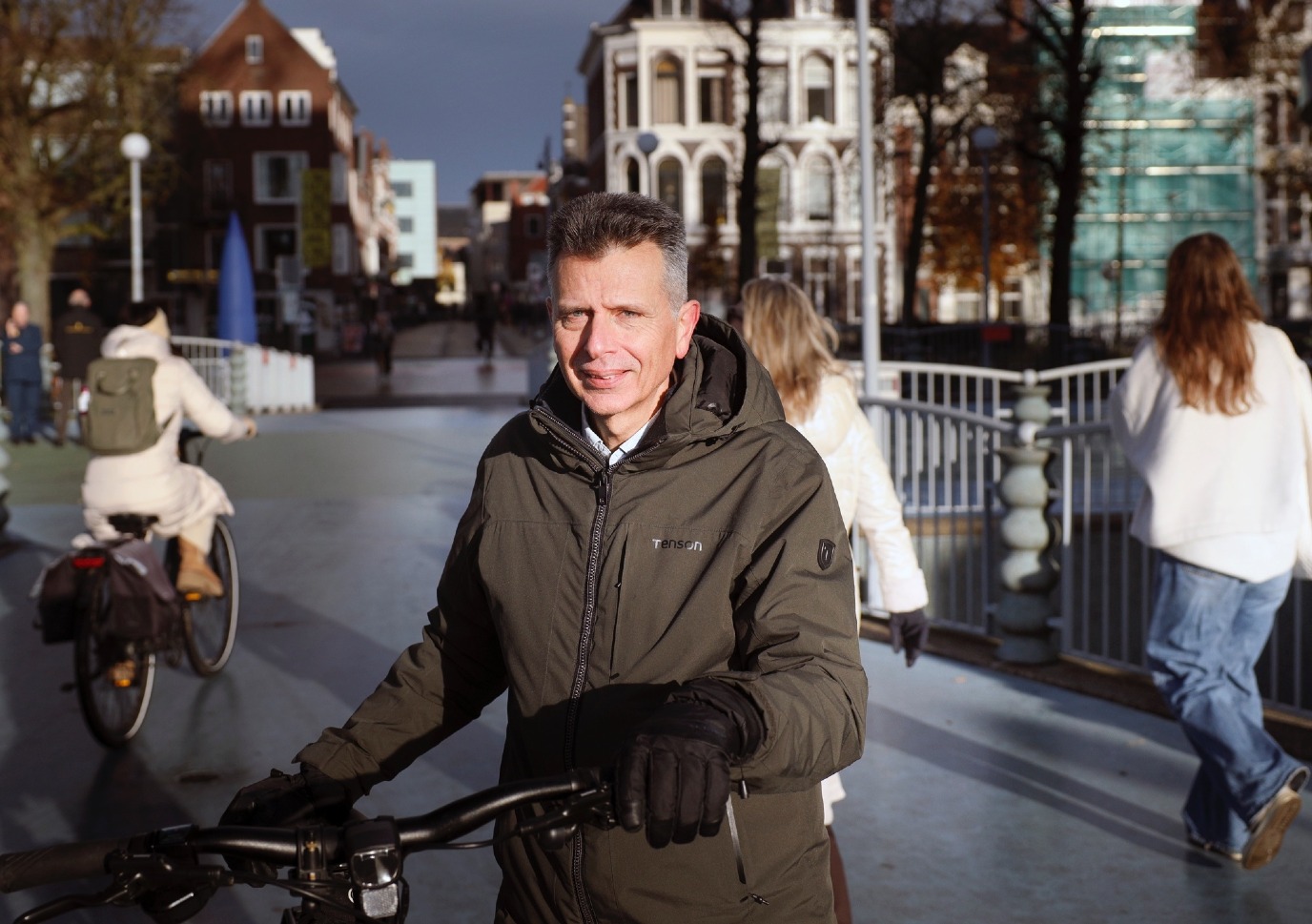
For decades, traffic psychologist Dick de Waard has been studying how people act in traffic. He studies everything thoroughly: from texting cyclists and drunk students to speed differences and e-bikes. Moreover, his advanced bicycle simulator allows him to safely replicate even the most high-risk situations. Read more
Doing good in complex situations
2025 was the year of floods, wars, earthquakes, genocide, drought, hunger, infectious disease outbreaks, overcrowded and filthy refugee camps and closed borders. It was also the year in which the humanitarian sector itself fell into crisis. The largest donor, the United States, cancelled its annual contribution of nine billion euros. ‘The sector must reinvent itself very quickly, and for that you need out-of-the-box thinkers,’ says NOHA director Nadine Voelkner. Read more
Connecting with history
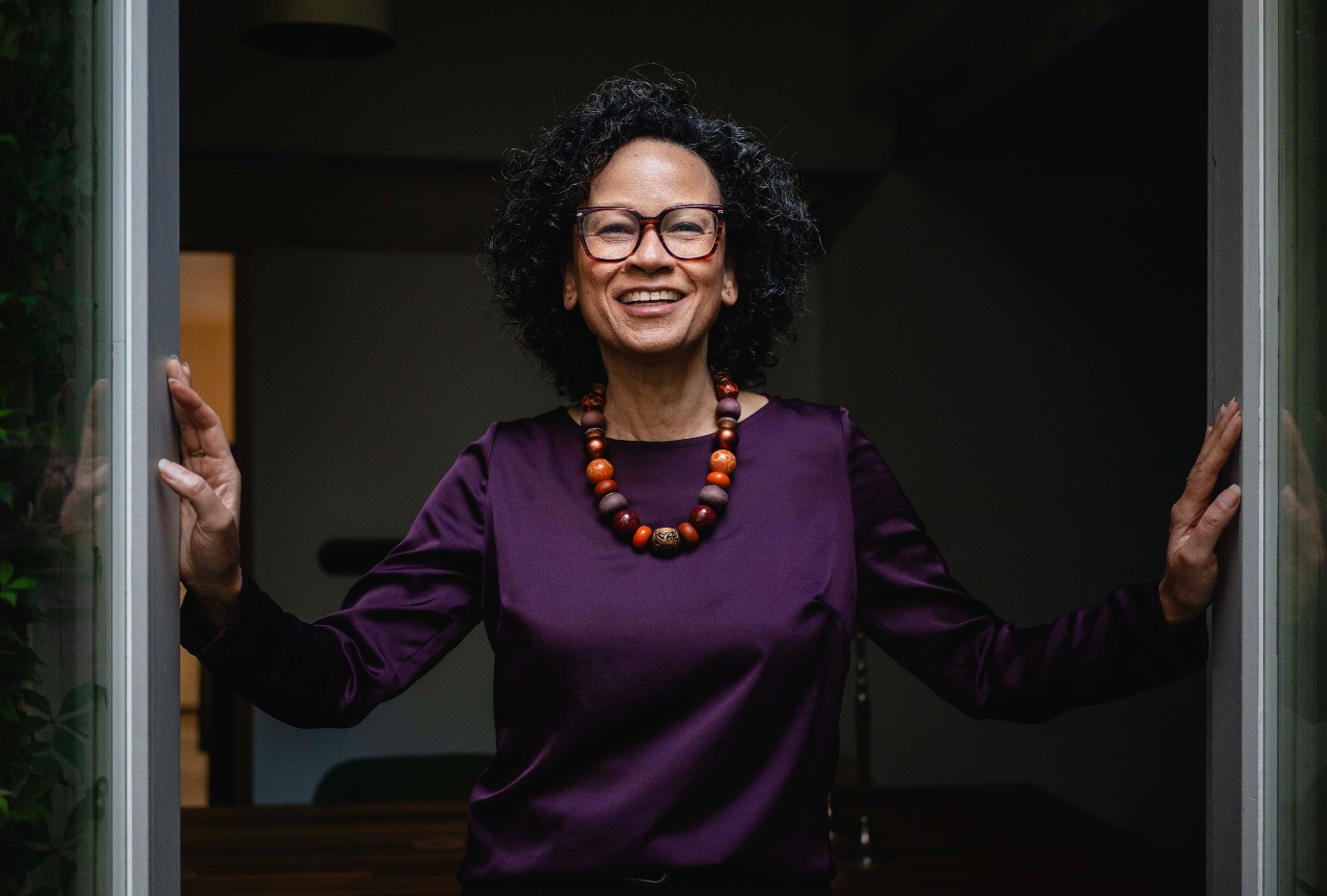
Valika Smeulders is head of history at the Rijksmuseum and was recently appointed as Professor by special appointment in the Faculty of Religion, Culture and Society at the UG. She sees her task as showing ‘what you don’t see, but was once there.’ This was also her ambition when she worked as curator of the major Slavery exhibition in the Rijksmuseum in 2021. To her mind, this is the way to help people connect with history. Read more