
Netcongestie is niet alleen een kabelprobleem
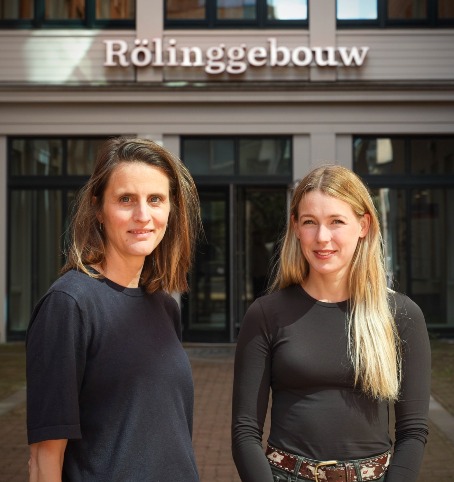
Het Nederlandse stroomnet loopt vast. Niet omdat er te weinig stroom is, soms juist te veel, maar omdat vraag, infrastructuur en regelgeving steeds minder goed op elkaar aansluiten. Dat heeft gevolgen voor woningbouw, verduurzaming en economische groei. Volgens juristen energierecht Lea Diestelmeier en Jamie Behrendt vraagt netcongestie echter niet alleen om meer kabels, maar vooral om slimmer gebruik van de bestaande capaciteit, gedragsverandering bij bewoners en bedrijven in combinatie met de aanpassingen in wet- en regelgeving.
Tekst: Jaap Ploeger, Corporate Communicatie RUG | Foto’s: Henk Veenstra
Het stroomnet is niet vol
Volgens Lea Diestelmeier is het belangrijk om eerst een nuance aan te brengen: netcongestie wordt vaak omschreven als een tekort aan ruimte op het elektriciteitsnet, maar volgens haar ligt de werkelijkheid genuanceerder. Het probleem zit niet alleen in beschikbare capaciteit, maar ook in hoe die capaciteit wordt verdeeld en gebruikt.
‘Er is nog wel capaciteit op het net beschikbaar. Alleen is het meer een coördinatievraagstuk geworden,’ zegt zij. Dat neemt volgens haar niet weg dat de gevolgen groot zijn. ‘De situatie is best ernstig. Er zijn inderdaad al wachtlijsten in gebruik voor woningbouw en bedrijventerreinen.’ Daardoor kunnen projectontwikkelaars, woningbouwontwikkelaars en bedrijven die willen uitbreiden dat niet zomaar meer doen.
Volgens haar is Nederland lang uitgegaan van een stroomnet waarin capaciteit altijd beschikbaar leek. Iedereen die stroom wilde kon het krijgen. ‘We hebben het dan over het copper plate-scenario: het idee dat stroom overal zonder beperkingen naartoe kan worden gestuurd. Het systeem en toebehorende regelgeving waren gebaseerd op de aanname dat de stroom die het net opgaat terechtkomt waar het moet zijn. Die fysieke realiteit klopt gewoon niet. Daar lopen we nu tegenaan.’

Het verschil tussen gecontracteerde capaciteit en de praktijk
Een belangrijk deel van het probleem zit volgens Diestelmeier in hoe capaciteit wordt gecontracteerd. Bedrijven en woningen krijgen capaciteit toegewezen alsof zij die voortdurend gebruiken, terwijl dat in de praktijk zelden gebeurt. ‘De netbeheerder moet garanderen dat die capaciteit 24 uur per dag, 100 procent beschikbaar is. Maar een netgebruiker gebruikt deze capaciteit 100 procent eigenlijk nooit.’ Hierdoor ontstaat een verschil tussen contractuele capaciteit en werkelijk gebruik.
Jamie Behrendt benadrukt dat dit voor energie-intensieve bedrijven extra relevant is. Waar huishoudens een standaardcapaciteit hebben, moeten bedrijven inschatten hoeveel capaciteit ze nodig hebben. Daardoor ontstaat volgens haar een systeem waarin capaciteit gecontracteerd is, terwijl die in de praktijk niet altijd volledig wordt benut. ‘Het gaat echt om een coördinatievraagstuk,’ zegt zij. ‘Capaciteit is er soms wel, maar kan niet opnieuw worden verdeeld omdat die al contractueel is toegewezen.’ Daarmee verschuift het debat volgens haar van uitsluitend investeren in nieuwe infrastructuur naar slimmer omgaan met wat al aanwezig is.
Nieuwe regels vanaf 1 juli
Een belangrijke verandering komt eraan in de regelgeving. Per 1 juli verandert onder andere het systeem rondom de prioritering van aansluitingen. Dat is het prioriteringskader, opgesteld door de Autoriteit Consument & Markt (ACM). Dat nieuwe kader moet duidelijker maken hoe schaarse capaciteit wordt verdeeld en hoe wordt omgegaan met de lange wachtrijen voor aansluitingen. Tegelijkertijd wordt samenwerking tussen bedrijven steeds belangrijker, omdat de prioritering alleen het capaciteitsprobleem niet oplost. De overheid legt de verantwoordelijkheid echter bij de bedrijven neer.
Samen een aansluiting delen
Behrendt noemt gedeelde aansluitingen (vaak bekend als cable pooling), en lokale samenwerking als belangrijke instrumenten: ‘Een voorbeeld is een bedrijventerrein waar bedrijven met verschillende verbruikspatronen samenwerken. Een bedrijf dat vooral overdag actief is, kan capaciteit delen met een bedrijf dat juist ’s nachts veel verbruikt. Bedrijven kunnen afspraken maken over hoe zij gezamenlijk de beschikbare capaciteit van hun gezamenlijke aansluiting gebruiken,’ legt Behrendt uit. Daarmee kunnen bedrijven beschikbare capaciteit efficiënter gebruiken.
De overheid en netbeheerder laten die afspraken aan de deelnemende partijen, die dat in privaatrechtelijke overeenkomsten moeten vastleggen. Volgens de juristen liggen hier niet alleen technische, maar vooral juridische en organisatorische uitdagingen. ‘Je moet inderdaad afspreken: wanneer, hoe en hoeveel stroom je verbruikt.' Bovendien moeten bedrijven bereid zijn flexibel te zijn: 'Ik verbruik wel minder, of misschien op de minder gewilde tijdstippen. Maar dan wil ik het wel goedkoper. Dat zijn complexe afwegingen om te maken.’ Genoeg stof voor de juristen om de komende jaren in te duiken.
Van technisch vraagstuk naar maatschappelijk vraagstuk
Ze zien netcongestie dus uiteindelijk meer dan alleen een infrastructuurprobleem. ‘We zijn extreem comfortabel geworden,’ zegt Diestelmeier over de manier waarop men in Nederland jarenlang naar energie keek. ‘Beschikbaarheid van stroom was vanzelfsprekend. Daardoor denken veel mensen nauwelijks na over hoe het systeem achter het stopcontact werkt.’ Die vanzelfsprekendheid verandert nu. Volgens de juristen vraagt de energietransitie niet alleen om nieuwe regels en technologie, maar ook om een andere manier van omgaan met energie.
‘We kunnen nog zulke leuke regels, kaders en instrumenten bedenken,’ zegt Behrendt. ‘Als het niet landt en als het niet gebruikt wordt, dan komen we ook niet verder.’ Netcongestie vraagt daarom niet om één oplossing, maar om een combinatie van maatregelen: uitbreiding van infrastructuur, slimmer gebruik van bestaande capaciteit, nieuwe juridische afspraken én verandering in gedrag.
Waarom de energietransitie het systeem en gedrag verandert
We willen namelijk met zijn allen steeds duurzamer energie opwekken en gebruiken. En dat is ook nodig. Daardoor verschuift wel het moment waarop stroom beschikbaar is. ‘Je wilt eigenlijk op het moment dat het opgewekt wordt de wind- of zonne-energie gebruiken,’ zegt Diestelmeier. Opslag kan daarbij helpen, maar lost volgens haar niet alles op: ‘Een batterij heeft ook nog maar een beperkte capaciteit.’
Behrendt benadrukt daarom ook de vraagsturing: ‘Sommige bedrijven passen hun verbruik al aan de beschikbare capaciteit aan. We gaan dus steeds meer van een vraaggestuurd systeem naar een productiegestuurd systeem, waarbij het verbruik aansluit op de tijden waarop stroom beschikbaar is.’ Dat heeft gevolgen voor dagelijkse routines, bedrijfsprocessen en economische keuzes. Diestelmeier voegt toe: ‘Het zal een enorme impact hebben op ons verbruik. Op hoe we leven, hoe we reizen, hoe we eten en wanneer we koken. Alles.’
Meer informatie
Meer nieuws
-
28 september 2026
‘Het recht moet er zijn voor iedereen’
-
21 september 2026
Onterving gaat over veel meer dan geld
-
31 augustus 2026
Een digitaal kat-en-muisspel