
Stevinpremie voor Iris Sommer
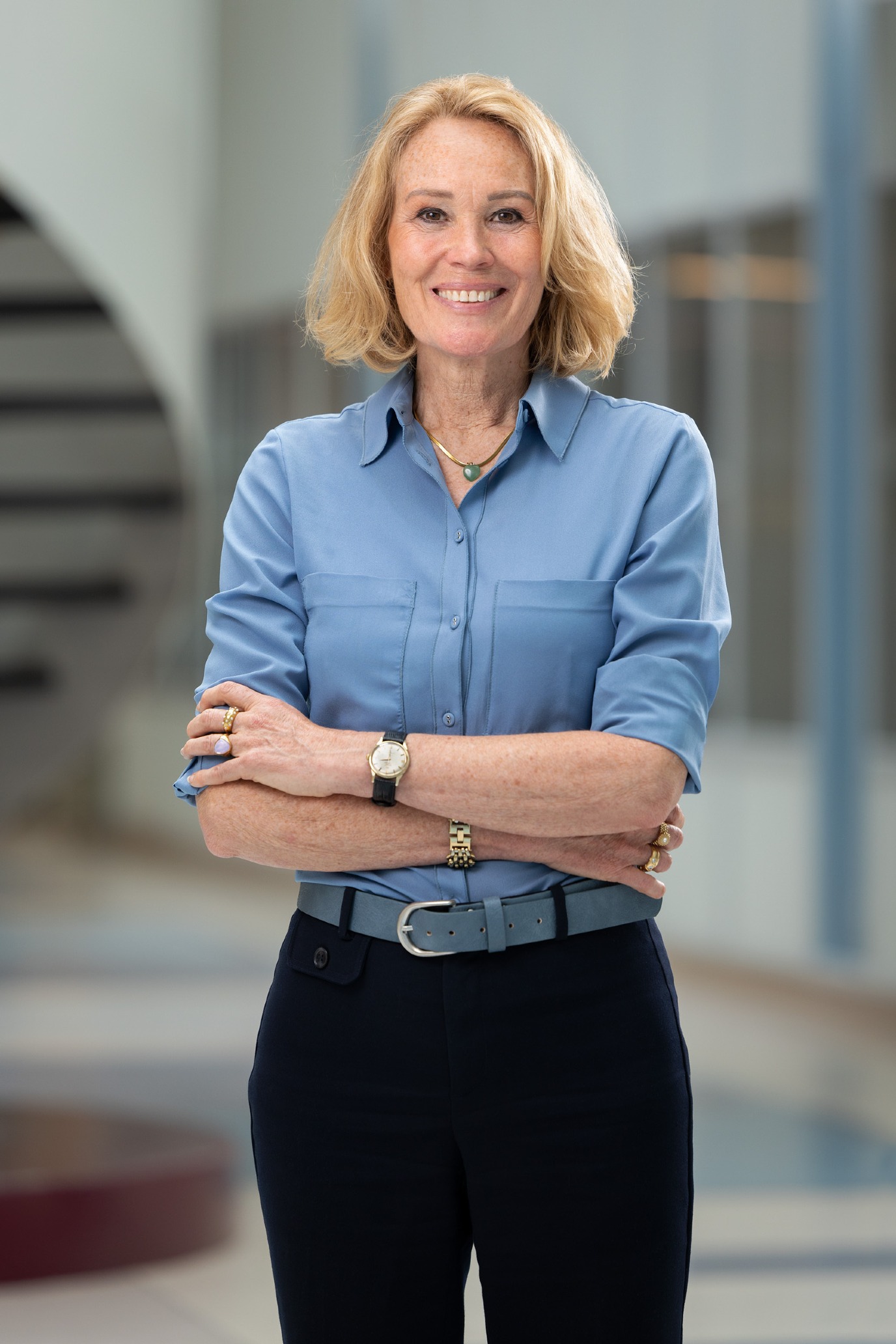
Voor haar baanbrekende bijdragen aan de behandeling van psychose en schizofrenie, haar pioniersrol in het zichtbaar maken van sekseverschillen in de psychiatrie en haar innovatieve toepassing van kunstmatige intelligentie in de geestelijke gezondheidszorg krijgt Iris Sommer de NWO Stevinpremie toegekend. Dit is, samen met de Spinozapremie, de hoogste onderscheiding voor onderzoekers in Nederland. Sommer krijgt een bedrag van €1.500.000,-, dat zij mag besteden aan onderzoek en kennisbenutting.
Anders dan veel wetenschapsprijzen draait de Stevinpremie niet alleen om wetenschappelijke doorbraken, maar ook om de vraag wat die kennis oplevert voor de samenleving. Iris Sommer, als hoogleraar psychiatrie verbonden aan het UMCG en de Rijksuniversiteit Groningen, laat al jarenlang zien hoe fundamenteel onderzoek kan leiden tot betere zorg en kennisbenutting in de praktijk. Naast nieuwe inzichten in de werking van het brein leidde haar werk tot nieuwe behandelmethoden, richtlijnen voor medicatiegebruik, nieuwe toepassingen van kunstmatige intelligentie en beleid rond vrouwengezondheid.
Hallucinaties en nieuwe behandelingen
Een van haar maatschappelijke bijdragen begon met onderzoek naar auditieve hallucinaties: het horen van stemmen zonder dat er daadwerkelijk geluid is. Als een van de eerste onderzoekers bracht Sommer in kaart welke hersengebieden daarbij actief zijn. Die fundamentele ontdekking leidde tot een nieuwe multidisciplinaire behandeling voor mensen met hardnekkige hallucinaties. De aanpak kreeg ook buiten Nederland navolging en geldt inmiddels internationaal als een voorbeeld van goede geestelijke gezondheidszorg.
Medicatie en betere behandelkeuzes
Ook haar verdere onderzoek naar schizofrenie en psychose heeft grote maatschappelijke impact gehad. Samen met patiënten, naasten en zorgverleners onderzocht Sommer hoe mensen antipsychotische medicatie veilig kunnen afbouwen. Haar studies lieten zien dat een zorgvuldig begeleide afbouwstrategie op de lange termijn voordelen kan opleveren. Die inzichten vormden de basis voor nieuwe Nederlandse en Europese richtlijnen voor medicatiegebruik bij psychose.
Vrouwengezondheid en sekseverschillen
Daarnaast liet Sommer zien dat mannen en vrouwen niet altijd hetzelfde reageren op psychiatrische aandoeningen en behandelingen. Haar onderzoek toonde aan dat vrouwelijke hormonen zoals oestrogeen invloed hebben op hersenfuncties, bescherming kunnen bieden tegen psychoses en invloed hebben op de werking van medicijnen. Daarmee maakte zij duidelijk dat veel medische kennis en behandelprotocollen gebaseerd op onderzoek bij mannen voor vrouwen niet optimaal zijn. Haar werk legde een belangrijke basis voor meer aandacht voor sekseverschillen in onderzoek en behandeling, en vond zijn weg naar richtlijnen, medische opleidingen en gezondheidsbeleid, waaronder de Nationale Strategie Vrouwengezondheid 2025-2030.
Kunstmatige intelligentie in de psychiatrie
Sommer behoort tot de onderzoekers die kunstmatige intelligentie toepassen in de geestelijke gezondheidszorg. Onder haar leiding worden systemen ontwikkeld die subtiele veranderingen in spraak herkennen die kunnen wijzen op een naderende psychische terugval. Dat helpt zorgverleners om eerder in te grijpen en patiënten tijdiger ondersteuning te bieden. De toepassingen worden samen met onderzoekers en zorgverleners getest voor gebruik in de dagelijkse praktijk.
Toegankelijke wetenschap
Ook buiten de academische wereld heeft zij een groot bereik. Met bestsellers, columns, podcasts, festivals en publiekslezingen bereikt zij honderdduizenden mensen en draagt zij bij aan meer kennis over mentale gezondheid en minder stigma rond psychiatrische aandoeningen.
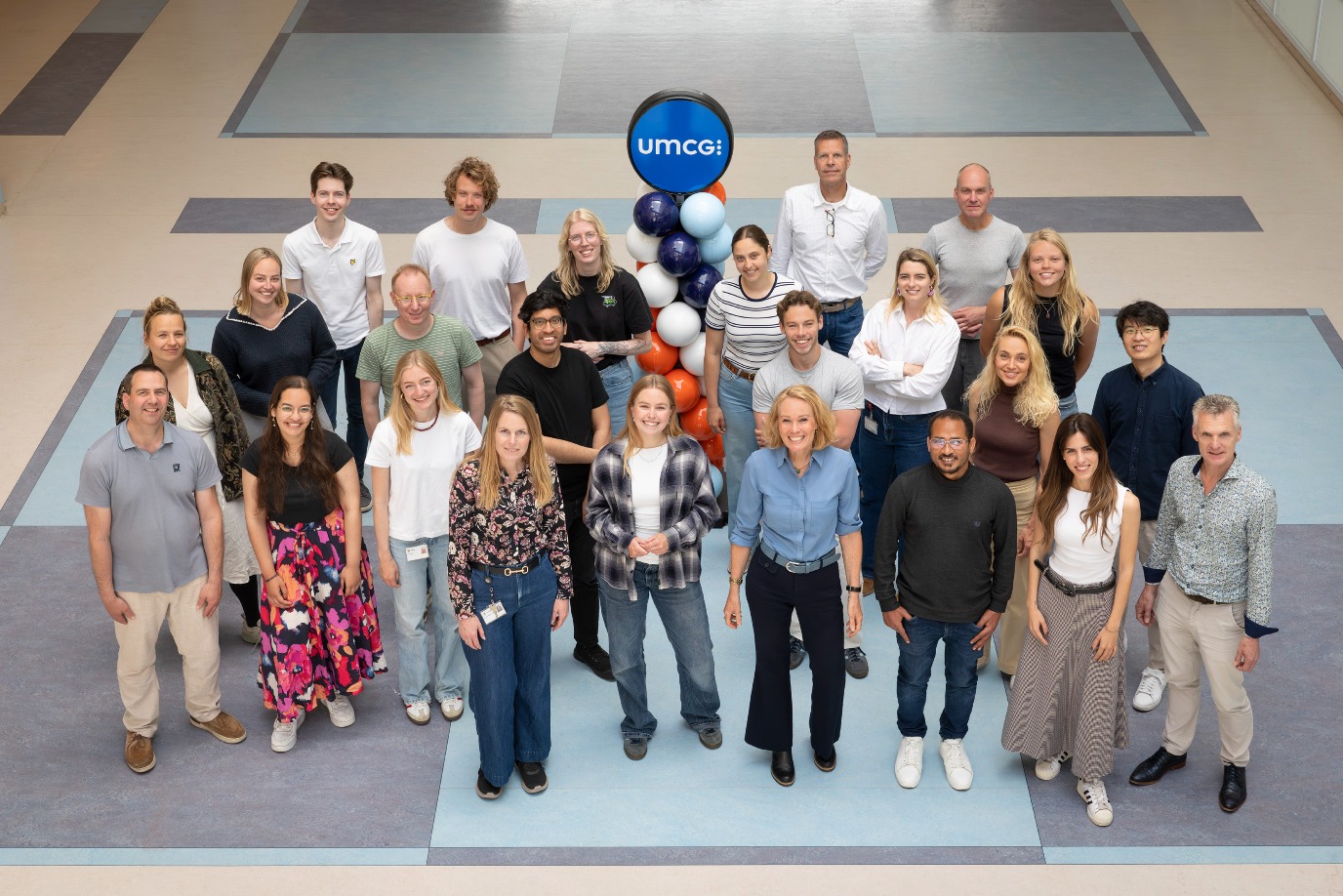
Sommer ziet de toekenning van de Stevinpremie als een erkenning voor haar hele team, en als een kans om met haar team verder te bouwen aan nieuw onderzoek. ‘Ik werk samen met een groot aantal zeer getalenteerde jonge onderzoekers, die ik met deze premie zekerheid kan geven voor de komende jaren. Deze prachtige prijs betekent dat wij ons verder kunnen verdiepen in de mentale gezondheid voor vrouwen. Dat is een terrein waar nog veel moet gebeuren, maar waar ook veel gezondheidswinst te behalen is.’
Jacquelien Scherpen, rector magnificus van de Rijksuniversiteit Groningen: ‘Als rector ben ik trots op Iris Sommer en feliciteer ik haar van harte met de Stevinpremie. Haar onderzoek sluit naadloos aan bij de doelen van het RUG-instellingsplan en ze draagt bij aan een betere samenleving. Ik heb daarnaast gezien hoe zij haar onderzoek op een toegankelijke en inspirerende manier deelt met een breed publiek. Deze prijs is een welverdiende erkenning voor haar werk.’
Wiro Niessen, decaan van de Faculteit Medische Wetenschappen van de Rijksuniversiteit Groningen en lid van de raad van bestuur van het UMCG: ‘Wat mij bijzonder aanspreekt in het werk van Iris is dat zij altijd vertrekt vanuit de vraag wat patiënten werkelijk verder helpt. Of het nu gaat om psychose, vrouwengezondheid of nieuwe toepassingen van AI: haar onderzoek draagt bij aan een betere kwaliteit van leven en meer gezonde jaren voor iedereen. Deze prijs is een prachtige erkenning voor alles wat zij in de wetenschap, de zorg en de samenleving heeft betekend.’
Stevinpremie
De Stevinpremie is de hoogste onderscheiding voor onderzoekers in Nederland die bijzondere prestaties hebben behaald op het gebied van kennisbenutting voor de samenleving. De Stevinpremie wordt toegekend door NWO. Om de premie te kunnen ontvangen moeten onderzoekers worden voorgedragen. In 2020 ontving RUG-hoogleraar Linda Steg de Stevinpremie.
Meer informatie
Meer nieuws
-
19 oktober 2026
Van onderzoek naar onderneming: RUG Ventures helpt ideeën verder
-
-
03 september 2026
Ming Cao herbenoemd tot wetenschappelijk directeur Jantina Tammes School