
Hersenonderzoeker Iris Sommer wint Stevinpremie: ‘Ik wil het verschil kunnen maken’
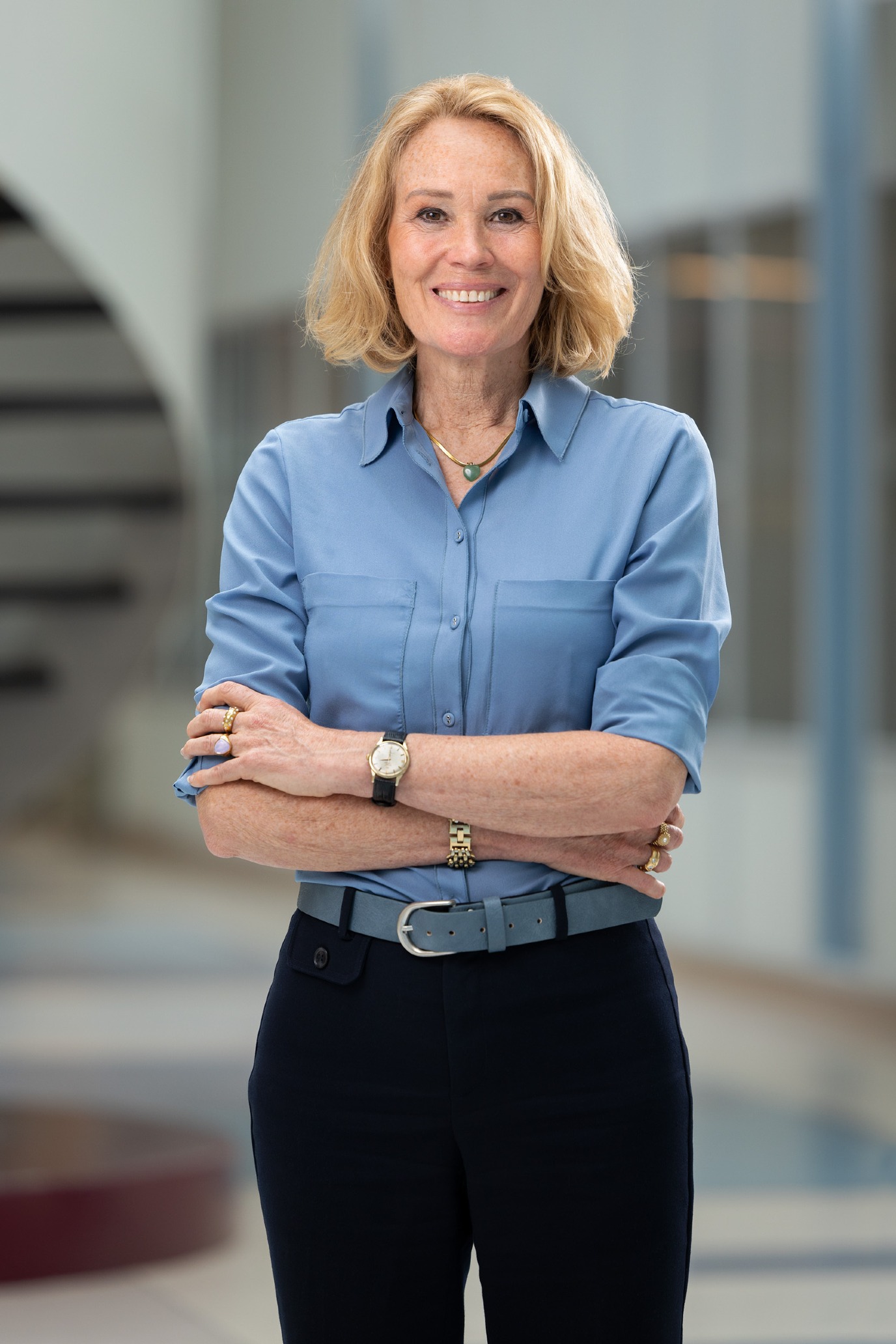
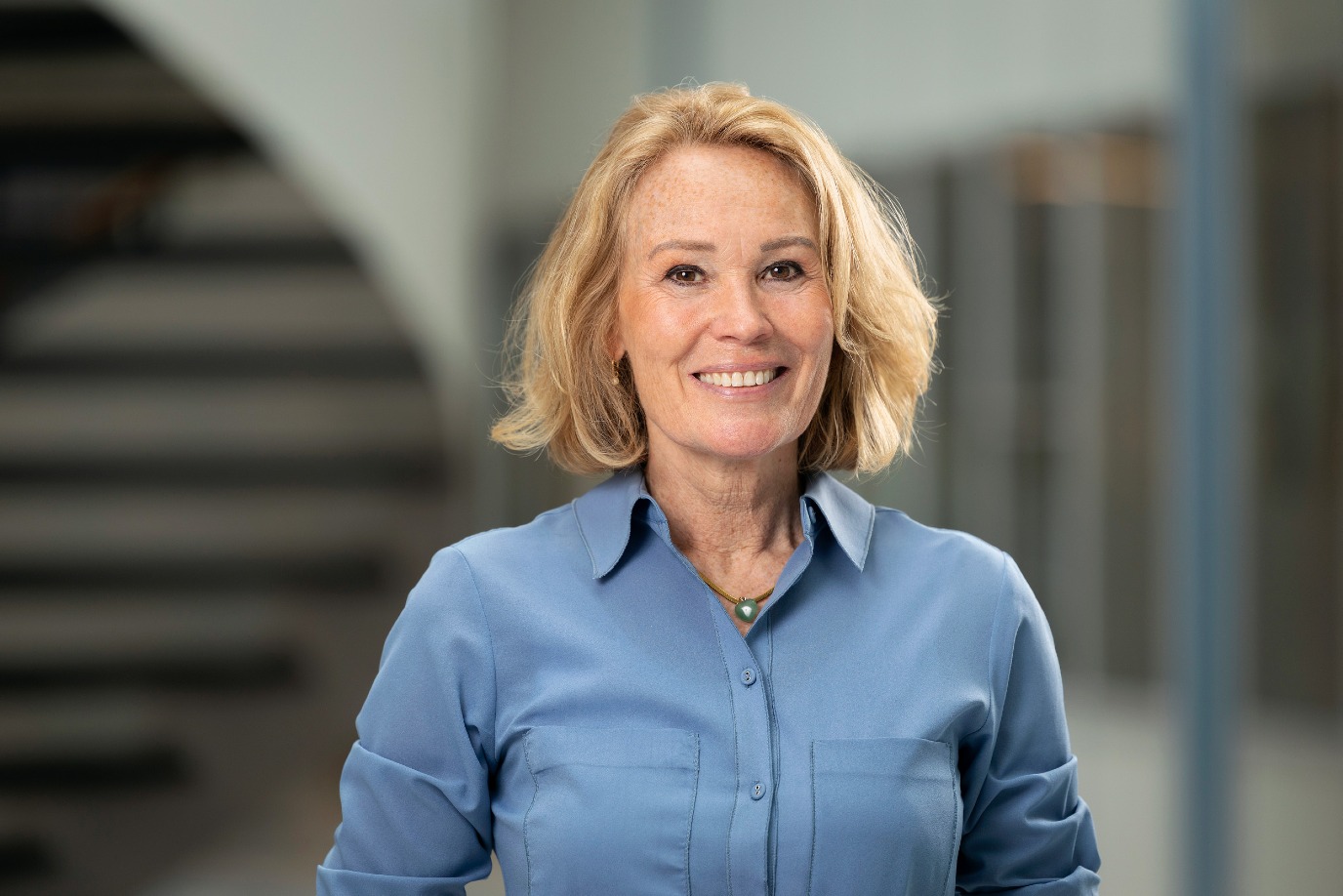
Iris Sommer ontvangt de Stevinpremie voor haar baanbrekende onderzoek naar de werking van de hersenen, ernstige psychiatrische stoornissen en betere behandelingen voor vrouwen. Sommer is als hoogleraar psychiatrie verbonden aan UMCG en RUG. De premie wordt sinds 2018 jaarlijks door NWO uitgereikt aan onderzoekers die uitzonderlijke successen behalen op het gebied van kennisbenutting voor de samenleving. Het is, samen met de Spinozapremie, de hoogste Nederlandse onderscheiding in de wetenschap.
Tekst; Marrit Wouda, Corporate Communicatie RUG
Voor iedereen met een brein
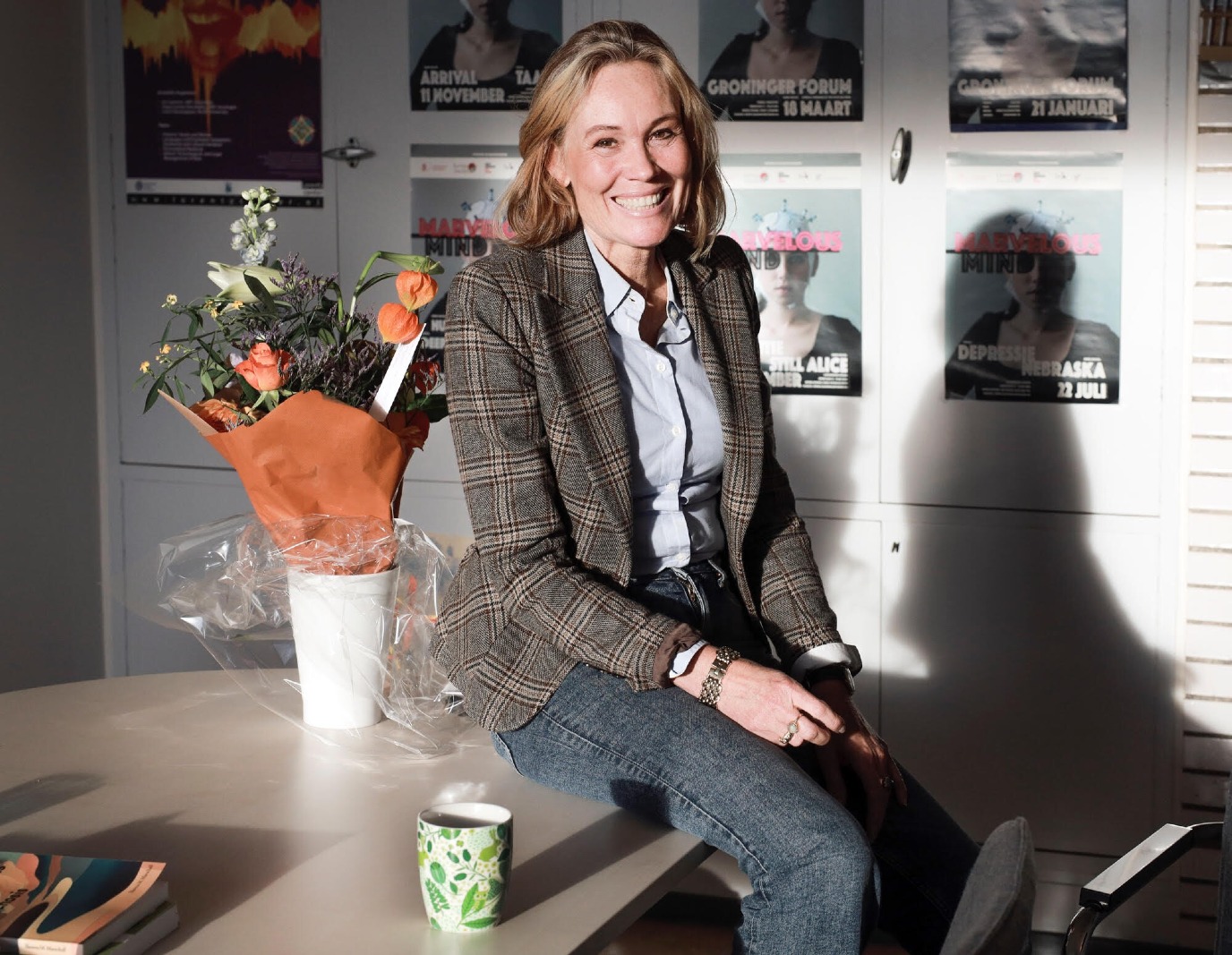
Het is nog niet helemaal aangekomen, vertelt Sommer. Het is een drukke tijd met veel deadlines dus ze heeft nog niet helemaal stil kunnen staan bij het feit dat ze deze prijs heeft gekregen. ‘Maar, het is een enorme eer', zegt ze. ‘Het is de bevestiging dat mijn werk echt wat bij heeft gedragen.’ En bijdragen, dat doet het. De Stevinpremie wordt specifiek uitgereikt aan wetenschappers die veel doen aan kennisbenutting. Laat dat nu hét gebied zijn waar Sommer het verschil wil maken. Publieksvoorlichting, communicatie, uitdragen, allemaal ‘zodat mensen hun voordeel daarmee kunnen doen’. Alleen publiceren in wetenschappelijke tijdschriften? Sommer: ‘Ik zou het doodzonde vinden als dat mijn enige bijdrage zou zijn.’ Sommer is weliswaar gespecialiseerd in mensen met psychose, maar ze ‘bemoeit zich tegen iedereen met een brein aan!’ Immers, meent ze, het onderzoek dat ze doet, is voor iedereen met een brein van belang.
Niet te kort door de bocht
Wellicht is het feit dat iedereen een brein heeft een helpende factor in het uitdragen van haar onderzoek. En sommige onderzoeken zijn dusdanig opvallend dat mainstream media-aandacht snel gevonden is, zoals haar onderzoek naar de invloed van de darmflora op psychiatrische symptomen – inderdaad: het brein en poep. Sommige uitkomsten zijn echter minder catchy. Hoe de afbraak van medicijnen bij vrouwen kan verschillen van die bij mannen bijvoorbeeld, gaf uiterst genuanceerde en complexe uitkomsten, die dus met zorg gecommuniceerd moeten worden. ‘Dat bekt niet lekker, en soms wordt dat dan veel te kort door de bocht overgenomen,’ vertelt ze. ‘Dat wil niet zeggen dat je er niet over kunt communiceren, maar het vraagt om korte, duidelijke én volledige uitleg, en als je dat zorgvuldig doet kan dat prima in een vlogje.’ Het is een spel, enerzijds toegankelijk communiceren, zonder essentiele bochten af te snijden.
Sommer is duidelijk gepassioneerd, maar ziet het kennisdelen ook als haar verantwoordelijkheid. ‘Afgezien van mij draait mijn hele team op projectgeld, en dat hebben we van allerlei instanties gekregen,’ legt ze uit. ‘Dat is grotendeels publiek geld, dus heb ik daar verantwoording over af te leggen. Voor het grote publiek maar zeker ook voor de patiënten waar het om gaat.’
Vruchtbare grond voor samenwerking
Sommers werk is breed. Naast het eerdergenoemde ‘poeponderzoek’ bestudeerde ze het horen van stemmen, hallucinaties, deed ze onderzoek naar het afbouwen van antipsychotica, taalanalyses om psychiatrische aandoeningen te herkennen, keek ze naar de invloed van hormonen op het brein en de verschillen tussen het mannen- en vrouwenbrein. De kern? ‘Ik wil het verschil maken voor mensen met een ernstige hersenaandoening,’ zegt ze resoluut. ‘Dat hoeft niet via één route. Dus ik wil vanuit verschillende hoeken dat brein benaderen: hormonen, de darmen, spraak, noem maar op.’ Logisch gevolg daarvan is een brede en interdisciplinaire samenwerking. ‘Dat is een van de dingen die ik zo fijn vind bij de RUG en het UMCG: er zit hier heel veel expertise, er wordt hier zoveel samengewerkt en het is geweldig om aan te kunnen schuiven bij andere teams. Ik leer heel veel van mijn omgeving.’ En dat is naast heel leuk ook extreem nuttig. ‘Mentale gezondheid ligt op een drielandenpunt met enerzijds de biologie, anderzijds de psychologie, en als laatste de sociologie,’ legt Sommer uit. ‘Die drie dingen zijn ook niet altijd zo exact uit elkaar te halen, het is een knooppunt van heel veel verschillende disciplines.’
Medicatie voor vrouwen
Het verschil maken dus, en dan specifiek wanneer het aankomt op zorg voor vrouwen. ‘Ik wil vooral kijken hoe we behandelingen voor vrouwen kunnen verbeteren,’ vult Sommer aan. ‘Ik moet een beetje bij mijn vakgebied psychiatrie blijven, maar ik ga graag over die grenzen heen,’ lacht ze. De dosering van veel geneesmiddelen is nog steeds gebaseerd op onderzoek op mannen. Nieuwe middelen worden pas sinds 2000 ook serieus bij vrouwen onderzocht. ‘En het is niet zo dat we oudere middelen alsnog hebben getest op vrouwen, we hopen vooral dat het zo goed gaat!’ Sommer’s team heeft sterke aanwijzingen gevonden dat de menopauze invloed heeft op het afbreken van sommige medicatie en daarmee dus op de werking en bijwerkingen. ‘Dat hebben we nu bij een aantal psychiatrische middelen aangetoond, en het is aannemelijk dat het voor sommige andere medicijnen ook geldt. Dan ga ik graag even mijn boekje te buiten, want dit is écht belangrijk.’
Ingewikkelde hormonen
Het is misschien niet per se uit desinteresse, meent Sommer. Vrouwen kunnen tijdens medicijnonderzoek zwanger worden, dus is het deels ook ter bescherming van een ongeboren kind. ‘Maar dat we heel veel andere dingen over vrouwengezondheid niet weten komt ook omdat we het ingewikkeld vinden,’ vervolgt Sommer. Dat snapt ze ook wel: ‘We proberen nu te kijken welke invloed de menstruatiecyclus heeft op de hersenen, maar, oh, wat is dat ingewikkeld!’ Want hoe weet je in welke fase van de cyclus een vrouw is, en hoe krijg je haar dan op het juiste moment in een hersenscanner? Daar komt de variatie tussen vrouwen en hormonale anticonceptie nog eens bij. ‘Het is makkelijk om met de vinger te wijzen en te zeggen “oh, jullie hebben de vrouw verwaarloosd,” maar het is ook echt complex,’ zegt Sommer. ‘Maar dat wil niet zeggen dat het niet kan, en we gaan het doen ook!’
Zorgen voor je brein
Sommer zet zich in voor betere zorg, maar ze wil ook uitdragen dat iedereen goed voor hun brein moet zorgen. ‘We worden steeds ouder, dus dat brein moet lang meegaan!’ Hoe doen we dat? Het zal onder studenten niet al te populair zijn, maar geen alcohol en niet roken zijn de belangrijkste tips. En ook: een helm dragen op de fiets, en niet te zwaar worden, want overtollig vet heeft invloed op je immuunsysteem en ook op je brein. Lastig, maar Sommer is hoopvol: ‘Toen ik studeerde, had je op elke hoek een snackbar, en nu zie ik overal pokébowls en kim chi, we roken veel minder, dus ik ben toch hoopvol dat we steeds beter voor ons brein gaan zorgen.’
Op naar de toekomst
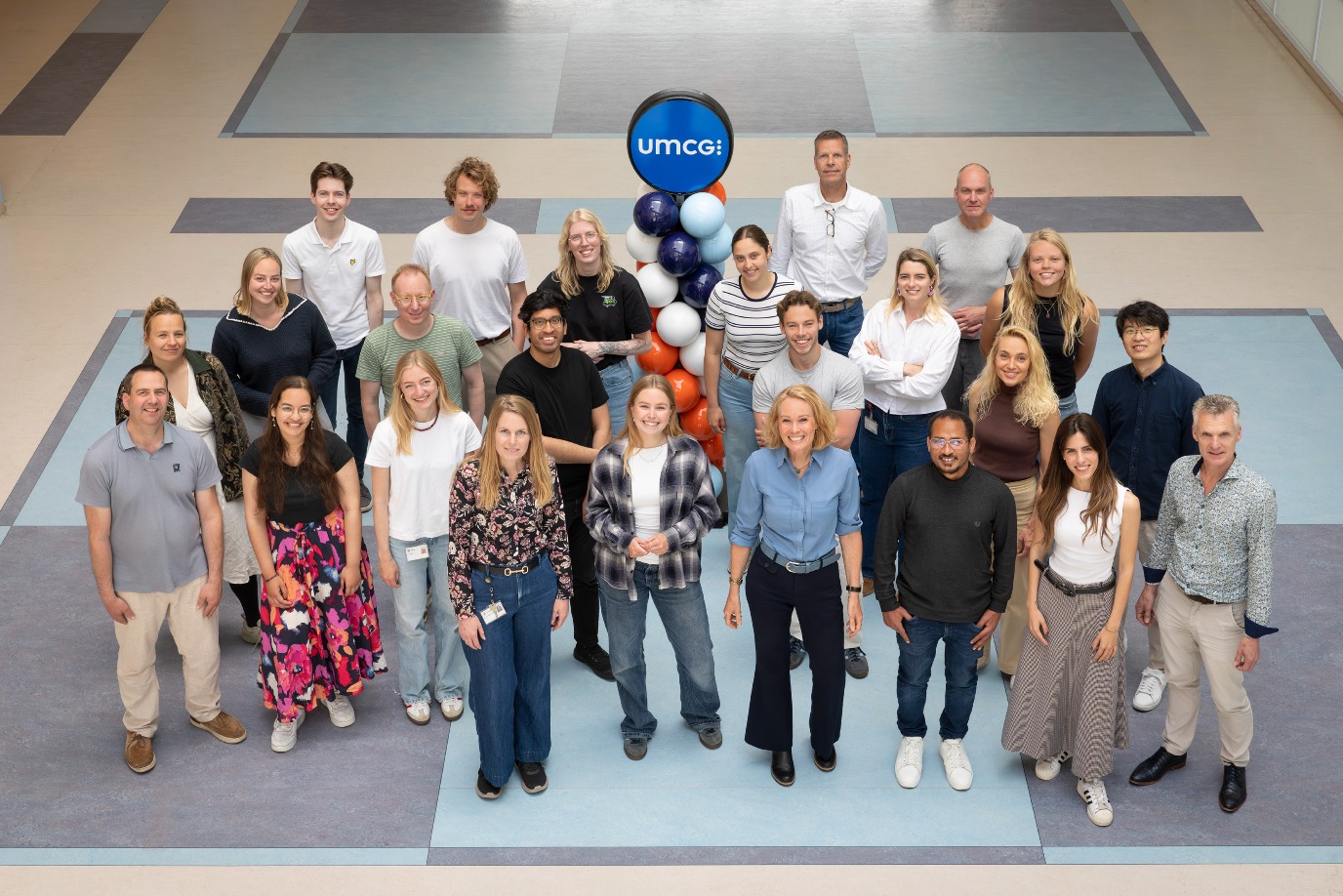
Optimistisch voor de toekomst dus. Met de Stevinpremie kan Sommer in ieder geval zelf mooie stappen maken. Ze benadrukt dat ze de prijs niet in haar eentje krijgt, maar dat het een verdienste is van haar team. ‘Het is een fantastisch team, met zeer getalenteerde mensen, die keihard werken’ vertelt ze. ‘Alles wat ik niet kan, kunnen zij’. De prijs stelt Sommer in staat om haar werk samen met haar team de komende jaren door te zetten om zo écht het verschil te kunnen maken.
Meer informatie
Meer nieuws
-
22 oktober 2026
Zeven wetenschappers van de RUG en UMCG ontvangen Vidi-beurs
-
22 oktober 2026
Twee RUG-onderzoekers krijgen KNAW Early Career Award
-