
De online wereld: niet alleen maar kommer en kwel voor jongeren
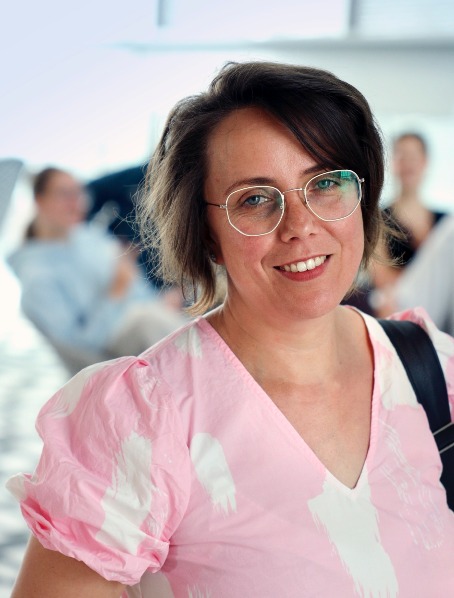
De negatieve gevolgen van de online wereld zijn onmiskenbaar voor jongeren. Toch zijn digitale middelen niet alleen een bron van zorgen, maar ook een belangrijk instrument voor maatschappelijke betrokkenheid en activisme. Volgens Annamária Neag, universitair docent aan de Rijksuniversiteit Groningen, vraagt dat om een genuanceerde blik. 'Technologie is niet per definitie goed of slecht. Het gaat erom dat jongeren leren er kritisch mee om te gaan.'
Tekst: Jelle Posthuma / Foto’s: Henk Veenstra
Neag is verbonden aan het Groningen Research Centre for Media and Journalism Studies en gespecialiseerd in mediageletterdheid: het vermogen om media kritisch te begrijpen, te beoordelen en te produceren. Haar interesse in media ontstond al op jonge leeftijd, toen ze in de jaren negentig opgroeide in Roemenië. 'Dat was vlak na de val van het communisme. We gingen van één door de staat gecontroleerde zender, die propaganda uitzond, naar een explosie aan nationale en internationale kanalen. Dat was een enorme omslag.'
Haar jeugd liep daarmee min of meer parallel met de ontwikkeling van het Roemeense medialandschap. 'Ik weet nog dat we ineens Amerikaanse tv-programma’s konden kijken. Dat hielp niet alleen bij het leren van Engels, maar gaf ook nieuwe perspectieven.' Ze vertelt over nog een andere ‘media-ervaring’ uit haar jeugd: 'Ik kan me nog goed herinneren hoe mijn grootvader de krant las, vaak met veel gemopper. Als kind dacht ik: als hij daar zo boos van wordt, dan moet het wel iets heel belangrijks zijn. Ik vond dat toen al fascinerend.'
Klimaatactivisten, vluchtelingen en plattelandsjongeren
In haar onderzoek richt Neag zich op de rol van media in de samenleving en op de manier waarop zij verandering teweeg kunnen brengen. Ze kijkt daarbij vooral naar hoe gemarginaliseerde groepen, zoals kwetsbare jongeren, digitale media inzetten voor activisme en maatschappelijke betrokkenheid. Zo onderzocht zij onder meer jonge klimaatactivisten, vluchtelingen en jongeren op het platteland.
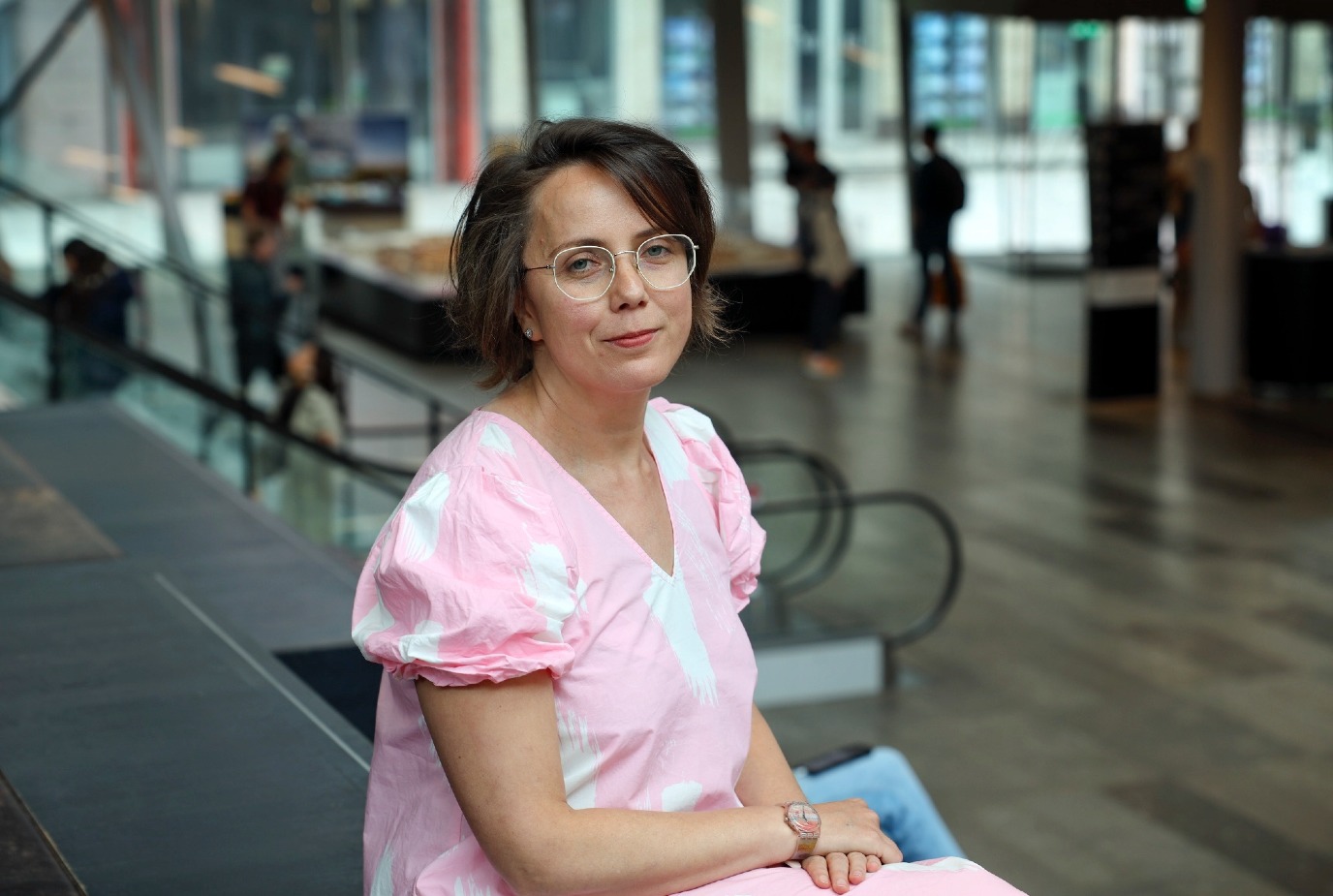
Om inzicht te krijgen in hoe deze gemarginaliseerde groepen zich in de digitale wereld bewegen, voerde Neag interviews en etnografisch onderzoek uit. Daarbij werden de jongeren zelf soms ook actief bij het onderzoek betrokken. 'We hebben bijvoorbeeld een jeugd-expertraad opgericht. Tijdens bijeenkomsten bespraken we onze bevindingen en interpretaties, en hielpen de jongeren ons om nieuwe deelnemers te vinden. Dat verbreedde ons perspectief, juist omdat ze sommige van onze conclusies ter discussie stelden. Deze participatieve aanpak is zeker niet makkelijk, maar verrijkt uiteindelijk wel de inhoud en vergroot de validiteit van het onderzoek.'
Jongeren leren online van elkaar
Het publieke debat over jongeren en digitale media focust vaak op de negatieve kanten, maar volgens Neag is dat een te smalle blik. Uit haar onderzoek naar jonge klimaatactivisten blijkt dat jongeren online juist heel veel van hun digitale leeftijdsgenoten leren. 'Via Fridays for Future (de beweging die voortkwam uit de schoolstakingen voor het klimaat, red.) kwamen ze in contact met andere jongeren over de hele wereld en ontwikkelden ze praktische vaardigheden, zoals het maken van effectieve Instagram-posts of het organiseren van succesvolle evenementen.'
Ook in haar onderzoek naar het gebruik van digitale media door jonge vluchtelingen in Nederland, Zweden, Italië en het Verenigd Koninkrijk zag ze hoe belangrijk digitale media zijn. 'Ik zag hoe ze online media gebruikten om contact te houden met vrienden en familie. Ze maakten ook gebruik van digitale hulpmiddelen om de Zweedse samenleving beter te leren kennen, en ze probeerden, bijvoorbeeld op Facebook, de manier waarop vluchtelingen worden afgebeeld ter discussie te stellen.' In haar meest recente onderzoek kijkt Neag naar hoe plattelandsjongeren digitale technologie inzetten bij duurzaamheidskwesties.
Geen zwart-witverhaal
Neag is ook geïnteresseerd in informeel leren. 'In chatgroepen en op platforms als Instagram ontwikkelen jongeren belangrijke vaardigheden die ze hun hele leven nodig hebben, vaak door van elkaar te leren.' Haar onderzoek laat zien dat oudere generaties digitale media vaak vooral als afleiding voor jongeren zien, terwijl die jongeren er ook juist actiever door deelnemen aan de samenleving.
Tegelijkertijd signaleert ze ook schaduwkanten. Jonge klimaatactivisten krijgen bijvoorbeeld te maken met online haatberichten. Daarnaast steken sommige jongeren zóveel tijd in hun activisme dat het zelfs tot burn-outklachten kan leiden.
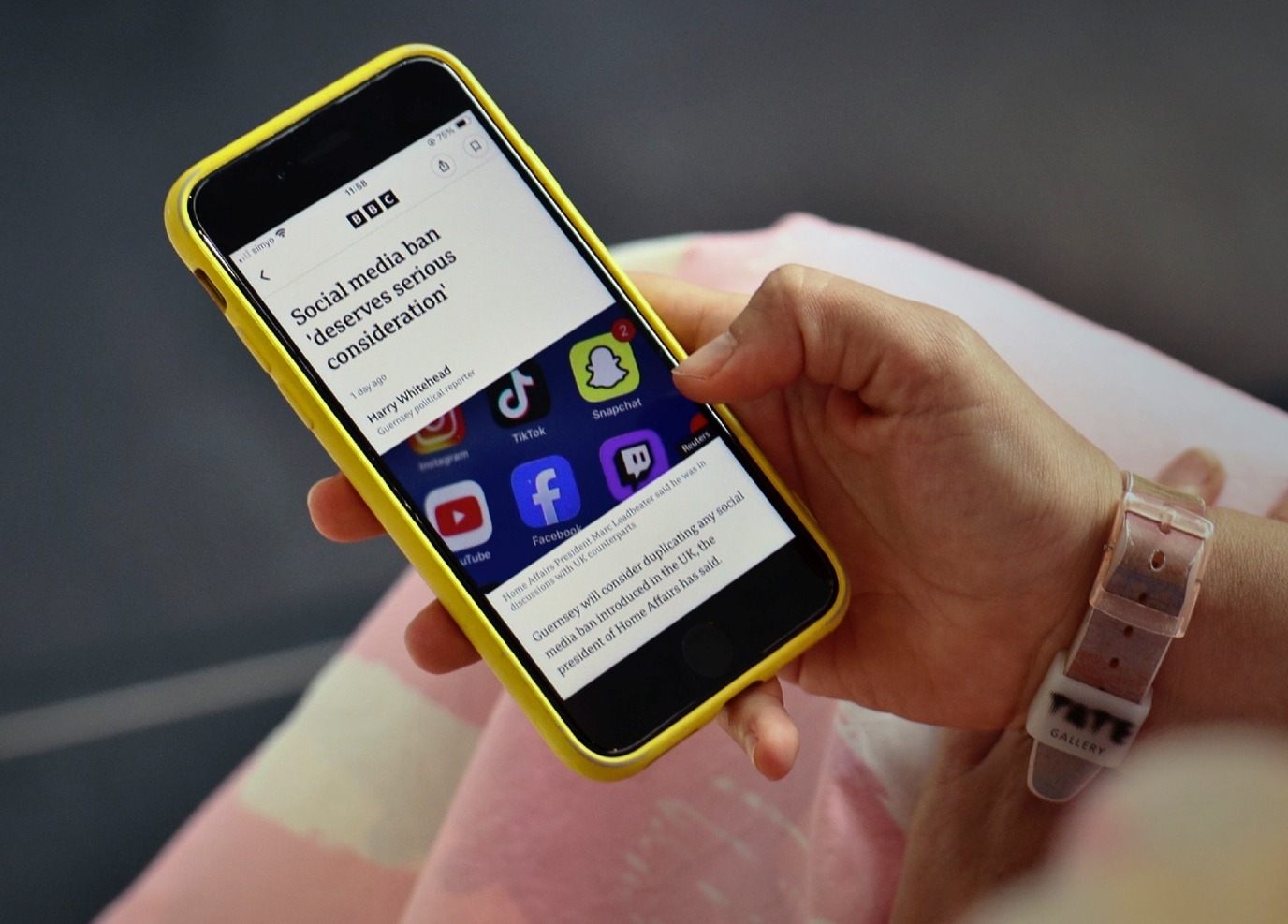
Neag erkent dat de negatieve effecten van de online wereld, bijvoorbeeld op de mentale gezondheid van jongeren, een groeiend probleem zijn. 'Maar het is geen zwart-witverhaal: technologie is niet per definitie goed of slecht. In steeds meer landen komen er leeftijdsgrenzen voor smartphones en sociale media. Maar als jongeren die weten te omzeilen – zoals we nu al zien in Australië – dan verdwijnt het gebruik uit zicht. Het is veel belangrijker om grote techbedrijven verantwoordelijk te houden voor wat ze aanbieden – niet alleen aan jongeren, maar ook aan volwassenen. Anders blijven zulke maatregelen vaak oppervlakkig en weinig effectief.'
Neag pleit ook voor onderwijsprogramma’s die erop zijn gericht jongeren tot kritische gebruikers van sociale media en digitale hulpmiddelen, zoals AI, te maken. 'Maar dat is erg lastig. Leraren moeten al veel bijhouden, en technologische ontwikkelingen gaan razend snel. Het onderwijs loopt daardoor al snel achter. Juist daarom is kritisch denkvermogen zo belangrijk: dat blijft toepasbaar, ook bij nieuwe technologieën.'
Jantina Tammes School
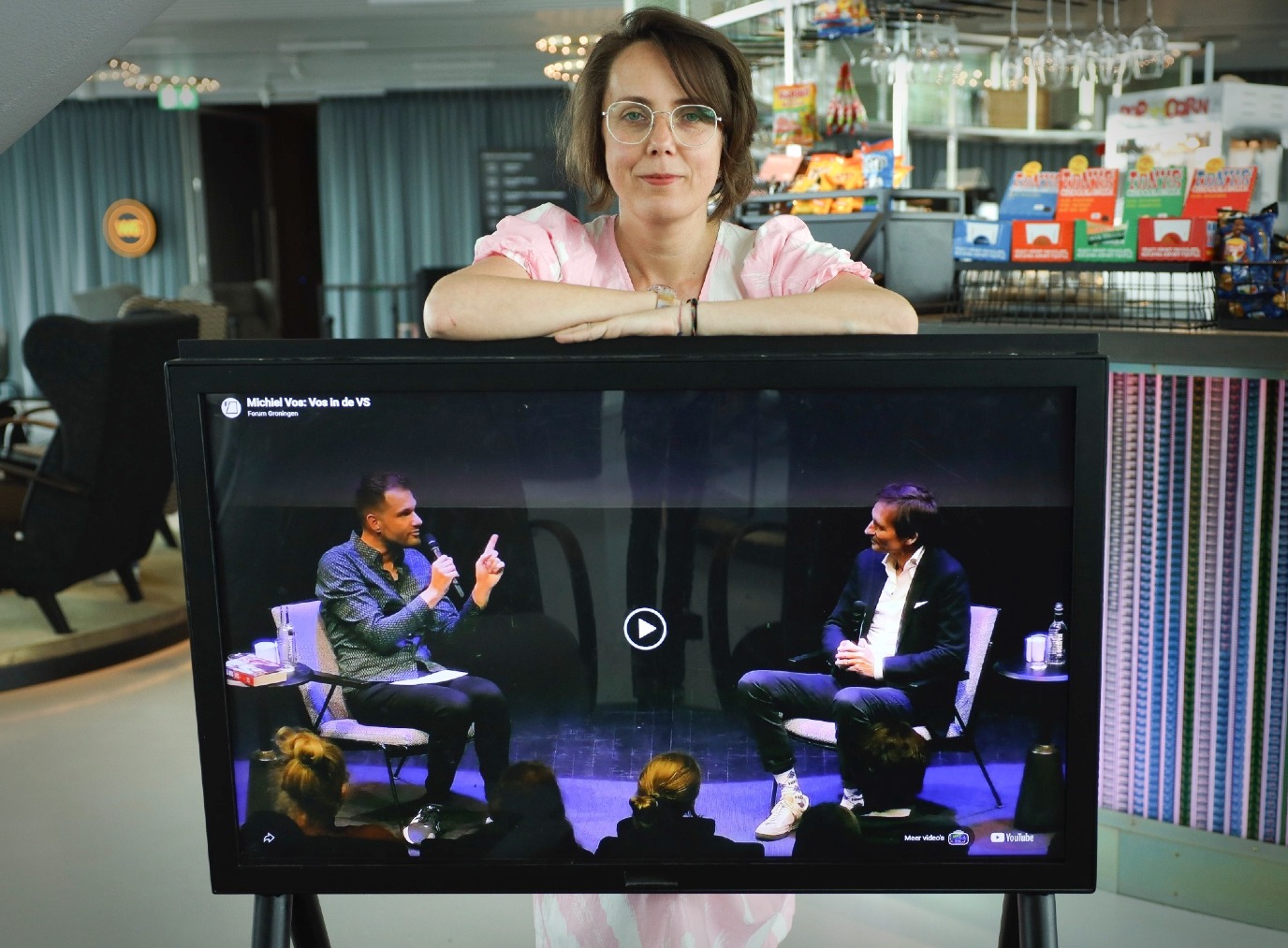
'Veel onderwijsinitiatieven op dit gebied zijn nog steeds versnipperd,' stelt de Groningse onderzoeker. Als nieuwe themacoördinator digitale geletterdheid en inclusie van de Jantina Tammes School wil Neag daar verandering in brengen. 'Vooral rond AI in het onderwijs is er meer samenhang nodig. Ik wil eerst in kaart brengen waar de expertise zit. Vervolgens hoop ik samen te werken met experts uit verschillende disciplines om onderwijsinitiatieven beter te bundelen.'
Deze interdisciplinaire aanpak sluit goed aan bij haar vakgebied. Mediageletterdheid raakt aan verschillende disciplines, zoals journalistiek, onderwijskunde en mediastudies. 'Interdisciplinariteit wordt soms als modewoord gebruikt, maar het is een uitdaging om het goed te doen. Zelfs basisbegrippen kunnen per discipline iets totaal anders betekenen. De gesprekken die ik daarover heb gevoerd met collega’s uit andere vakgebieden waren voor mij een echte eyeopener. Ik ben ervan overtuigd dat zulke interdisciplinariteit ons onderzoek uiteindelijk kan verrijken.'
Meer informatie
Meer nieuws
-
-
03 september 2026
Ming Cao herbenoemd tot wetenschappelijk directeur Jantina Tammes School
-
01 september 2026
Evrim Ursavas benoemd tot wetenschappelijk directeur Wubbo Ockels School