
Gaza, Syria and Iran: conflict and politics in the Middle East are highly topical issues. But the region also boasts enormous cultural diversity, vibrant film and music scenes, and a rich history. In the Middle Eastern Studies programme, you will gain a deeper understanding of this complex and fascinating region and become an expert in a field of great global significance.
In the first year, you are introduced to the programme's four core thematic pillars: politics, history, culture, and religion. You engage with contemporary political developments, study the modern history of the region, and explore Judaism, Islam, and the Middle East's wide religious and cultural diversity. In addition, you begin learning Modern Standard Arabic.
| Semesters | ||||
|---|---|---|---|---|
| CoursesCourse Catalog > | 1a | 1b | 2a | 2b |
| History of the Modern Middle East (5 EC) This course offers a general overview of the history of the modern Middle East beginning in the early nineteenth century. | ||||
| Arabic Beginner (10 EC) Introduction to Modern Standard Arabic (MSA). The student learns to read and write the Arabic script and speaking and listening skills at the beginner level. | ||||
| Jews and Muslims: Traditions, Identities, and Religious Diversity in the Middle East (10 EC) Introduction to Islam, Judaism and religious communities in the Middle East | ||||
| Academic Debates Middle Eastern Studies (5 EC) This course builds the skills to navigate academic debates in Middle Eastern Studies, from formulating research questions and critiquing literature to building arguments and using AI responsibly, through an independent research project. | ||||
| Politics and International Relations in the Middle East (5 EC) This course introduces the modern Middle East, from social movements and migrations to international threats and information warfare, through case studies from Morocco to Iran. | ||||
| Arabic Intermediate (10 EC) This course further builds on proficiency in Modern Standard Arabic (MSA) as taught in Arabic Beginner. The vocabulary is further expanded and applied together with the new linguistic insights in the practical skills of reading, writing, listening and speaking. | ||||
| Elective: Global Changes 1 OR Cultural Heritage 2 (IMPACT course) (10 EC) | ||||
| From Scholarship to Journalism: Writing in Middle Eastern Studies (5 EC) In this course, you develop writing skills for the written presentation of academic research for an academic and broader audience, in the form of papers, policy documents, and journalistic articles. | ||||
In the second year, the different themes are explored in greater depth and brought into dialogue with one another. For example, in Islam, Politics, and Modernity you examine the relationship between religion and political developments, while Culture and Soft Power focuses on the interaction between politics and culture. In the second semester, you spend half a year in the Middle East, in either Egypt or Morocco.
| Semesters | ||||
|---|---|---|---|---|
| CoursesCourse Catalog > | 1a | 1b | 2a | 2b |
| Jews and Muslims: Empire, Colonialism, and Modernity in the Middle East (5 EC) This course focuses intercommunal relations in the modern Middle East with an emphasis on Muslim-Jewish relation in both historic and contemporary contexts. | ||||
| Arabic Advanced (10 EC) Language proficiency course as a preparation for the exchange programme in Cairo or Rabat. | ||||
| Culture and Soft Power in the MENA (10 EC) In this course, artistic and audio-visual representations of Middle Easter societies are used to explore cultures in the Middle East. Several audio-visual representations from and about the Middle East will be discussed and analyzed in order to gain insight into some of the central themes of Middle Eastern cultures and societies. | ||||
| Islam, Politics and Modernity in the Middle East (5 EC) This course examines the place of Islam in Middle Eastern politics and society, from Sunni and Shia political movements to the everyday politics of religion, through case studies from across the region. | ||||
| Study abroad (30 EC) Semester in Cairo or Rabat. | ||||
In the first semester, you complete a minor: a coherent set of courses designed to broaden or deepen your academic profile. In the second semester, you take advanced courses focusing on conflict and on the relationship between the Middle East and Europe.
| Semesters | ||||
|---|---|---|---|---|
| CoursesCourse Catalog > | 1a | 1b | 2a | 2b |
| Minor (30 EC) | ||||
| From Cold Wars to Code Wars: Conflict in the Middle East (5 EC) This course looks at Middle Eastern conflicts in its many forms, from wars, sectarianism, and terrorism to regional rivalries and today's algorithmic warfare, focusing on the local, regional, and global forces that shape them. | ||||
| Bachelor's thesis (10 EC) Independently set up and carry out a scientifically sound literature review about a clearly defined question, with critical analysis and reflection. | ||||
| IMPACT course 2: course of choice (10 EC) | ||||
| Europe in the Middle East, the Middle East in Europe (5 EC) This course will cover and contextualise the political, intellectual, demographic, religious, social and cultural consequences of the contacts between Europe and the Middle East from the late 19th c. to the late 20th c. | ||||
| Programme options |
|---|
| Minors (minor) The fifth semester of your studies is dedicated to your Minor: a coherent set of future-oriented course units. It prepares you for a follow-on Master's degree program or for entering the labour market. You can opt for a Career Minor, a Minor abroad, a University Minor or a Faculty Minor. |
Students are advised to spend half a year abroad with our exchange programme. It is only possible to deviate from this advice in exceptional cases.
Met het VWO examen Engels voldoe je aan de taaleis.
Met het VWO examen Engels voldoe je aan de taaleis.
Met het VWO examen Engels voldoe je aan de taaleis.
Met het VWO examen Engels voldoe je aan de taaleis.
Taaleis Engels: Je moet Engels op VWO-niveau hebben afgerond (cijfer 6 of hoger) of een van de volgende Engelse certificaten hebben behaald:
TOEFL iBT toetsen die na 21 januari 2026 worden afgelegd, maken gebruik van het nieuwe 1 - 6 scoresysteem van TOEFL.
Voor meer informatie en het indienen van je taaltoets, zie: https://www.rug.nl/let/studeren-bij-ons/bachelor/aanmelding-en-inschrijving/language-requirements-ba
The degree programme will organize a matching procedure. Attendance is optional. The advice is not binding.
Wil je in september beginnen met een bacheloropleiding aan de Rijksuniversiteit Groningen? Meld je dan uiterlijk op 1 mei aan in Studielink. De opleiding geeft je de mogelijkheid om gebruik te maken van een matchingsactiviteit, om te zien of jij en de studie bij elkaar passen. Welke matchingsactiviteiten er precies zijn, verschilt per faculteit.
Heb je vragen over matching? Kijk dan op www.rug.nl/matching
| Type of student | Deadline | Start course |
|---|---|---|
| Dutch students | 01 May 2027 | 01 September 2027 |
| EU/EEA students | 01 May 2027 | 01 September 2027 |
| non-EU/EEA students | 01 May 2027 | 01 September 2027 |
The Faculty of Arts believes students can decide for themselves whether they match with their chosen program based on the available bachelor program information, by visiting the Open Days, and by participating in a Webclass and/ or Student for a Day. If you are unable to attend one of these activities, a final opportunity for matching is to contact one of the students of the program in June.
| Specific requirements | More information |
|---|---|
| previous education |
A Dutch VWO diploma, a German Abitur, an International Baccalaureate diploma, a European Baccalaureate or another diploma that is sufficient for acceptance to a Dutch university. For other VWO-equivalent qualifications, see: https://www.rug.nl/vwo-equivalent-qualifications. Students with a Dutch 'hbo propedeuse' diploma also need to meet the language requirements mentioned below. |
| language test |
International students will have to satisfy an additional Dutch language requirement, which can be met by passing the State Examination in Dutch as a Second Language (NT2, programme II). This examination guarantees Dutch proficiency at CEFR level B2. However, Dutch proficiency at CEFR level C1 or higher is recommended. |
| Type of student | Deadline | Start course |
|---|---|---|
| Dutch students | 01 May 2027 | 01 September 2027 |
| EU/EEA students | 01 May 2027 | 01 September 2027 |
| non-EU/EEA students | 01 May 2027 | 01 September 2027 |
After completing the Bachelor's programme, most students go on to pursue a Master's degree. Following the Bachelor in Middle Eastern Studies, you can choose from a wide range of graduate programmes, including:
In some cases, you may be required to complete a specific minor in your third year; always consult the admission requirements of the relevant Master's programme.
As a broadly trained expert on the Middle East, you are well prepared for the labour market. Given the region's importance for Europe and the Netherlands, there is strong demand for your expertise, particularly in areas related to foreign policy, refugee reception, security, and the cultural sector.
Our alumni work both in the Middle East and in Europe. A significant number find positions in politics and diplomacy, for example at the Ministry of Foreign Affairs or at embassies. Graduates also regularly work for organizations involved in refugee support, integration, security, and counter-terrorism. In addition, careers in journalism, museums, the private sector, or academia are common. The broad academic foundation provided by Middle Eastern Studies offers you many options for further study and professional careers.
(Ministry of Foreign Affairs, Ministry of Defense)
(TV, radio, newspapers)
(Embassies in the Netherlands and the Middle East)
(Refugee support, integration, NGOs in the Netherlands or the region)
(Ministries, intelligence and security services, police)
(Museums, exhibitions, publishing, tourism)
(e.g. Shell, AkzoNobel)
(researcher, PhD candidate)
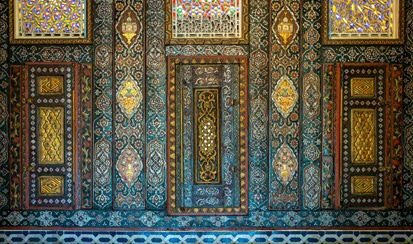
All staff members are experts in their respective fields. They conduct research that complements the profile of the degree programme well, for example in the field of jihadism, political Islam, cultural heritage, minorities, journalism and Arabic literature. This means that some of your classes will be directly based on the research currently conducted at the Faculty of Arts.

Hoi! Ik ben Isaï, 23 jaar oud en zit in mijn tweede jaar van de bachelor Midden-Oostenstudies. Naast Midden-Oosten studies studeer ik ook geschiedenis. Als ik niet aan het studeren ben kook ik, weliswaar met wisselend succes, spreek ik met vrienden af of sport ik. Ook kun je me in mijn vrije tijd meestal met mijn neus in de boeken vinden.
Waarom Midden-Oostenstudies?Ik heb lang getwijfeld over mijn studiekeuze. Ik vond zoveel interessant en wilde zoveel leren dat ik vastliep. Om tot een keuze te komen heb ik verschillende Open Dagen bezocht en ben ik meerdere keren met een enorme lading vragen en twijfels het kantoor van de studieadviseur binnengestapt. Uiteindelijk werd het Midden-Oostenstudies vanwege de diversiteit van het programma en de hedendaagse relevantie van de studie. Ik kan nu met volle overtuiging zeggen dat ik geen moment spijt heb gehad. Het Midden-Oosten (of Zuidwest-Azië en Noord-Afrika) is een plek waar werelden elkaar ontmoeten, samensmelten, en, helaas, soms ook botsen. Het Midden-Oosten is zoveel meer dan het vaak tragische nieuws op TV of de hartverscheurende foto's in de krant. Het is ook de bakermat van drie wereldreligies en vele beschavingen, het hart van een van de meest gesproken talen ter wereld, een culinair en cultureel epicentrum, en een plek waar dagelijks wat nieuws valt te ontdekken. Kortom: een fascinerende regio om te bestuderen. Tijdens de bachelor Midden-Oosten studies wordt dieper ingegaan op al deze aspecten: je leert de Arabische taal (op een behapbare manier), duikt dieper in de politieke ontwikkelingen, ontdekt, en proeft, de rijke cultuur van de regio, en bezoekt zelfs Caïro of Rabat.

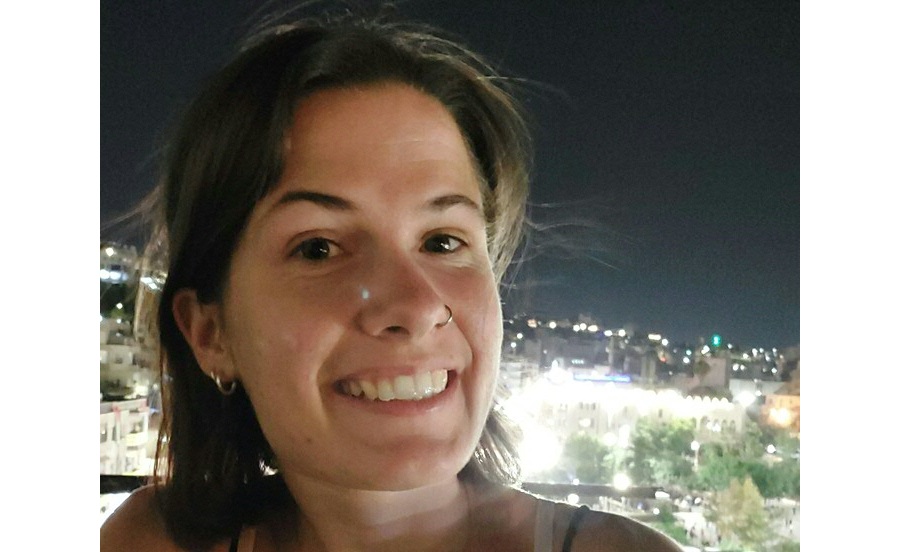
Marhaban! Mijn naam is Sara, ik ben 24 jaar en kom uit Brabant. Momenteel zit ik in het derde jaar van de bachelor Midden-Oostenstudies. Naast mijn studie werk ik ook zo nu en dan als student-assistent bij de verschillende vakken van onze opleiding.
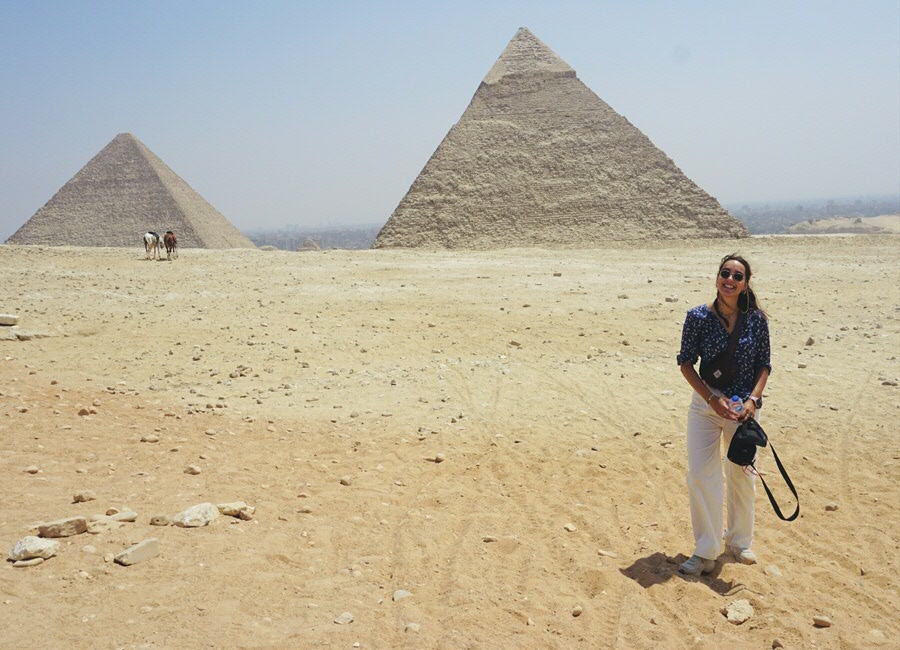
Bij het volgen van de bachelor Midden-Oostenstudies komen alle onderwerpen die te maken hebben met deze regio samen, van cultuur tot religie en politiek tot geschiedenis. Enerzijds oefent het Midden-Oosten een wereldwijde invloed uit, en anderzijds bemoeit de hele wereld zich met de ontwikkelingen binnen de regio. Bij de studie leer je hierop te reflecteren en ontwikkel je een kritische houding naar beeldvorming en stereotypen.
Het leren van een taal, Arabisch, vormt daarbij een goede
aanvulling binnen het programma.
Alle kennis uit de eerste paar jaar neem je mee tijdens het
buitenlandsemester. Dit is hét moment om het Midden-Oosten
echt te ervaren. Ik vertrok naar Caïro, waar ik veel nieuwe
inzichten heb gekregen en me bewuster ben geworden van waar mijn
interesses liggen. Daarnaast vormde dit semester de uitgelezen kans
om mijn Arabisch te verbeteren en toe te passen in het dagelijks
leven. Ik heb me op persoonlijk en professioneel niveau ontwikkeld
en zal mijn ervaringen dan ook altijd meenemen in de toekomst, wie
weet zal dit een toekomst zijn in het Midden-Oosten!

Ahlan! Mijn naam is Aron, ik ben 20 jaar oud en ben momenteel bezig met het afronden van de BA Midden-Oosten Studies.
Een bijzonder aspect aan deze opleiding is de combinatie van intensief taalonderwijs met vakken die onder meer de geschiedenis en politiek van de regio behandelen. Hoewel ik talen altijd al fascinerend heb gevonden, kwam dit in een stroomversnelling nadat ik dankzij de studie met Arabisch begon. Vanwege de combinatie met de historische bronnen uit andere vakken bestaat er een directe motivatie om de talen zo snel en zo goed mogelijk onder de knie te krijgen.
Binnen de opleiding Midden-Oosten Studies zijn er veel mogelijkheden om je eigen plekje te vinden, zowel op thematisch als geografisch vlak. Ondanks mijn initiële interesse in internationale politiek heb ik tijdens de studie langzamerhand een passie ontwikkeld voor historische ontwikkelingen rondom minderheden in de Maghreb-regio, waar ik uiteindelijk ook mijn scriptie over heb geschreven.
Are you a pre-university pupil and would you like to find out what studying at university is all about? The Middle Eastern Studies degree programme offers a web class! A web class is a course offered by the UG via Brightspace (a digital teaching environment) for pupils in the 5th and 6th years of pre-university education. The course involves ten study hours, which serve as an introduction to Middle Eastern Studies. You read texts, do assignments, and hold discussions with other prospective students and a lecturer.
Interested? Sign up for the web class.
