


Medewerkers
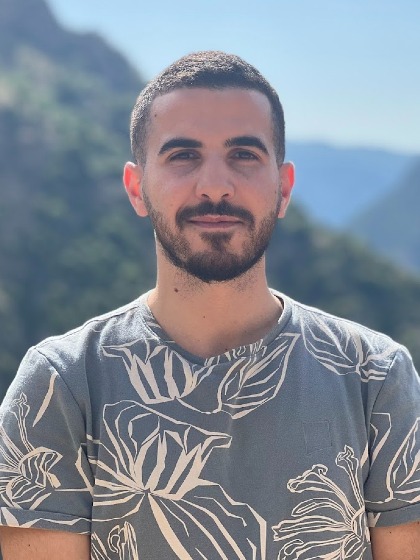
Functie
PhD Candidate
Expertise
I am a PhD candidate in social psychology, conducting interdisciplinary research with philosophy. My research focuses on how individuals make sense of inequality in their everyday lives, with particular attention to justice principles, especially meritocratic ideologies, and how these shape understandings of class-based inequalities (e.g., wealth and education), as well as inequalities linked to social identities such as ethnicity, gender, and nationality.I am trained in empirical quantitative research and also have experience with, and value, qualitative approaches. More broadly, I am committed to social science research that is socially relevant, grounded in context, and attentive to real-world phenomena, producing knowledge and analyses that help clarify and deepen our understanding of social reality.
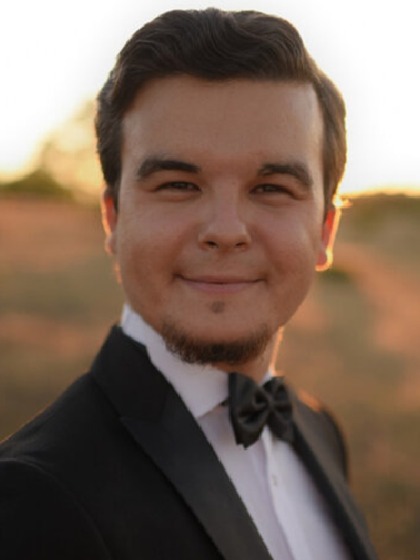
Expertise
My research lies at the intersection of social identity and motivated political reasoning, with a focus on politicisation, social change, and polarisation processes.
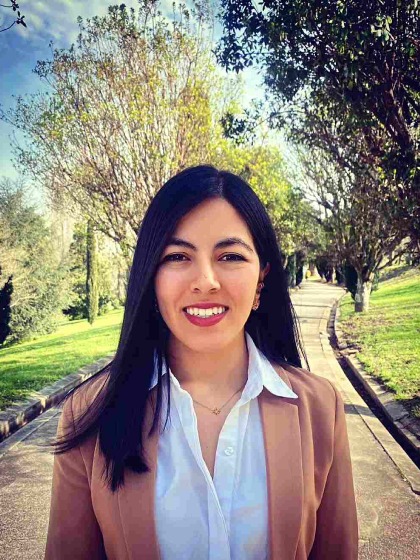
Functie
Bijzonder hoogleraar Crises, Veiligheid en Gezondheid
Expertise
Rampen, Crisisbeheersing, Kwetsbaarheidsanalyse; Publieke veiligheid, Publieke gezondheid

Functie
PhD student
Functie
Associate professor (with ius promovendi)
Expertise
Counterfactual thoughts; regret; nostalgia; counterfacual emotions; social judgment
Functie
PhD Student
Functie
PhD student

Functie
Universitair docent
Expertise
Sociale psychologie, Online (groeps)gedrag, Collectieve actie, Humor, Conflict (de-)escalatie, Kwantitatief en kwalitatief onderzoek.
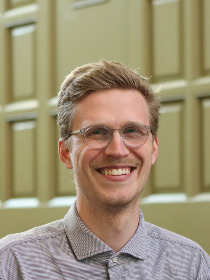
Functie
PhD candidate in Social and Organizational Psychology
Expertise
emotieregulatie, negatieve feedback
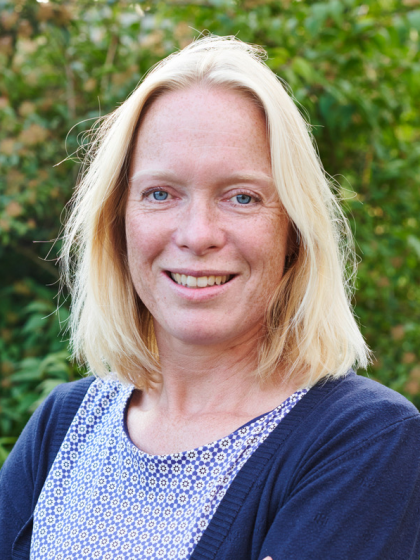
Functie
Professor (adjunct)
Expertise
Sociale en culturele veranderingen door modernisering in het globale zuiden, empowerment van vrouwen, migratie en integratie van vluchtelingen, microfinancering, sociale impact evaluatie
Functie
PhD student

Functie
Postdoctoraal onderzoeker

Functie
Promovendus
Expertise
Humor, sociale cohesie, groepsdynamiek
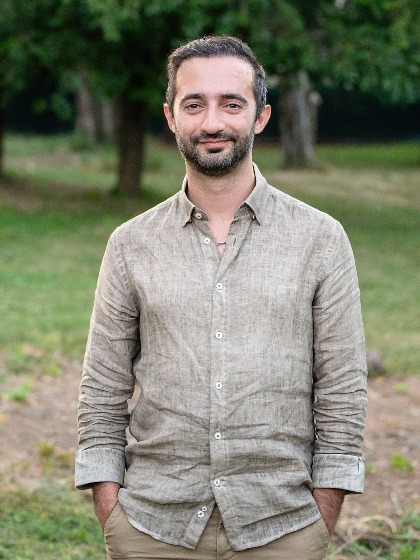
Functie
Assistent Professor
Expertise
I am a social psychologist investigating how disadvantaged groups navigate their identities within privileged social systems. My research examines how people experience social disadvantage, how societies perceive marginalized groups, and under what conditions advantaged groups support social change and equality. To address these questions, I use diverse methodological approaches, often combining correlational and experimental research with qualitative methods to develop an in-depth understanding of identity, intergroup relations, reconciliation, and social change.
My research focuses on four interconnected lines of work:
1. Being yourself at the crossroads of multiple conflicting identities
We all hold multiple social identities, yet these identities are not always compatible with one another. By integrating the Bicultural Identity Integration framework with Social Identity Theory, I investigate how individuals navigate tensions between conflicting identities, the conditions under which identities become compatible or oppositional, and the psychological and societal processes that facilitate identity integration. This work examines both the personal consequences of identity conflict and the broader social conditions that allow people to authentically inhabit multiple identities simultaneously. More recently, I have also explored how individuals with multiple identities can function as “gateway groups” that foster understanding, solidarity, and reconciliation between divided communities.
2. Being on the receiving end of prejudice and discrimination
What happens to disadvantaged group members when they experience discrimination, exclusion, social devaluation, or historical injustice? How do they make sense of their lower social status, and how does this shape their well-being, identity, and engagement in social change? Focusing on outcomes such as collective action, identity management, belonging, and psychological well-being, I investigate how disadvantaged groups respond to structural inequality and societal tensions across different intergroup contexts. This line of research also examines how disadvantaged communities perceive support from advantaged groups, including reactions to allyship, solidarity, and intergroup apologies in contexts marked by conflict, inequality, and collective harm.
3. Being part of advantaged groups: attitudes toward minorities and addressing one's own privilege
Intergroup conflict and social polarization are increasingly prevalent across societies. My research examines how advantaged groups perceive minorities, respond to inequality, and negotiate their own privilege. In particular, I investigate different responses to privilege acknowledgement, including denial, defensiveness, distancing, dismantling, and allyship, as well as the conditions under which advantaged groups support or resist social change. I also examine when advantaged group members are willing to engage in reconciliation efforts, such as offering collective apologies for historical or ongoing injustices, and how these actions are perceived by disadvantaged groups. This line of research approaches intergroup relations from the perspective of dominant groups while maintaining a focus on improving the status and well-being of disadvantaged communities.
4. Negotiating new masculinities
Traditional understandings of masculinity are increasingly being challenged by more progressive and egalitarian forms of manhood. This line of research examines how men negotiate tensions between traditional and progressive masculinities, how these identities are socially perceived, and whether new forms of masculinity can coexist with more traditional gender norms. Using mixed-method approaches, I investigate how masculinity relates to identity, privilege, vulnerability, allyship, and social change, including how men respond to changing societal expectations surrounding gender equality and inclusion.
My research focuses on four interconnected lines of work:
1. Being yourself at the crossroads of multiple conflicting identities
We all hold multiple social identities, yet these identities are not always compatible with one another. By integrating the Bicultural Identity Integration framework with Social Identity Theory, I investigate how individuals navigate tensions between conflicting identities, the conditions under which identities become compatible or oppositional, and the psychological and societal processes that facilitate identity integration. This work examines both the personal consequences of identity conflict and the broader social conditions that allow people to authentically inhabit multiple identities simultaneously. More recently, I have also explored how individuals with multiple identities can function as “gateway groups” that foster understanding, solidarity, and reconciliation between divided communities.
2. Being on the receiving end of prejudice and discrimination
What happens to disadvantaged group members when they experience discrimination, exclusion, social devaluation, or historical injustice? How do they make sense of their lower social status, and how does this shape their well-being, identity, and engagement in social change? Focusing on outcomes such as collective action, identity management, belonging, and psychological well-being, I investigate how disadvantaged groups respond to structural inequality and societal tensions across different intergroup contexts. This line of research also examines how disadvantaged communities perceive support from advantaged groups, including reactions to allyship, solidarity, and intergroup apologies in contexts marked by conflict, inequality, and collective harm.
3. Being part of advantaged groups: attitudes toward minorities and addressing one's own privilege
Intergroup conflict and social polarization are increasingly prevalent across societies. My research examines how advantaged groups perceive minorities, respond to inequality, and negotiate their own privilege. In particular, I investigate different responses to privilege acknowledgement, including denial, defensiveness, distancing, dismantling, and allyship, as well as the conditions under which advantaged groups support or resist social change. I also examine when advantaged group members are willing to engage in reconciliation efforts, such as offering collective apologies for historical or ongoing injustices, and how these actions are perceived by disadvantaged groups. This line of research approaches intergroup relations from the perspective of dominant groups while maintaining a focus on improving the status and well-being of disadvantaged communities.
4. Negotiating new masculinities
Traditional understandings of masculinity are increasingly being challenged by more progressive and egalitarian forms of manhood. This line of research examines how men negotiate tensions between traditional and progressive masculinities, how these identities are socially perceived, and whether new forms of masculinity can coexist with more traditional gender norms. Using mixed-method approaches, I investigate how masculinity relates to identity, privilege, vulnerability, allyship, and social change, including how men respond to changing societal expectations surrounding gender equality and inclusion.
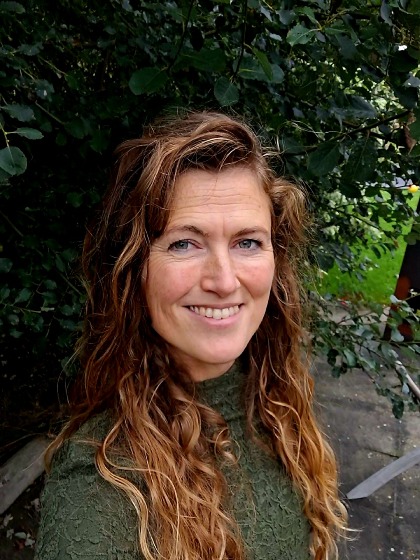
Functie
Universitair Hoofddocent Psychologie
Expertise
Groepsprocessen en communicatie. Polarisatie, sociale verandering, micro-dynamiek van gesprekken.
Functie
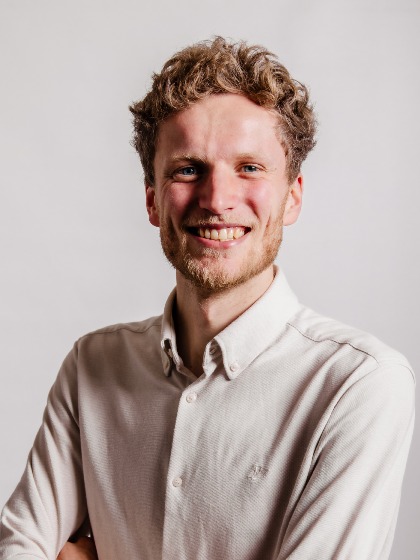
PhD kandidaat
Expertise
Wanneer en hoe plannen mensen protestacties door met elkaar te praten over onrecht?
Hoewel de motivaties die mensen ertoe zetten om te protesteren uitgebreid onderzocht zijn, combineert tot nu toe nog geen onderzoek alle ingrediënten die nodig zijn voor het ontstaan van protesten in één onderzoeksdesign. Tussen 2022 en 2026 ontwikkel ik een nieuwe onderzoeksmethode, het Collective Action Simulation Paradigm (CASP). Ik gebruik deze methode om nieuwe onderzoeksvragen te beantwoorden over hoe mensen protestacties organiseren, en wat voor sociale interacties tussen gelijkgestemden dit proces bevorderen.
Hoewel de motivaties die mensen ertoe zetten om te protesteren uitgebreid onderzocht zijn, combineert tot nu toe nog geen onderzoek alle ingrediënten die nodig zijn voor het ontstaan van protesten in één onderzoeksdesign. Tussen 2022 en 2026 ontwikkel ik een nieuwe onderzoeksmethode, het Collective Action Simulation Paradigm (CASP). Ik gebruik deze methode om nieuwe onderzoeksvragen te beantwoorden over hoe mensen protestacties organiseren, en wat voor sociale interacties tussen gelijkgestemden dit proces bevorderen.
Functie
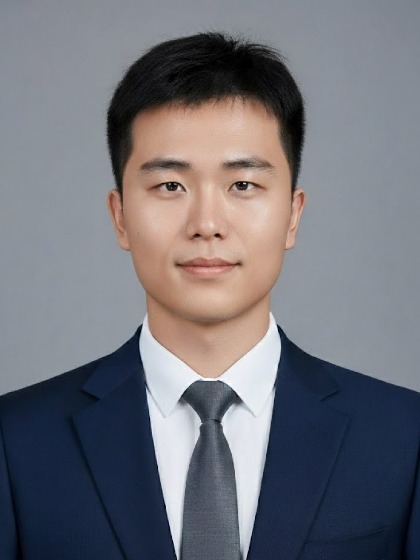
PhD kandidaat
Expertise
Politieke psychologie, Culturele psychologie, Identiteit, Democratie, Het sociaal contract
Functie
PhD student
Functie
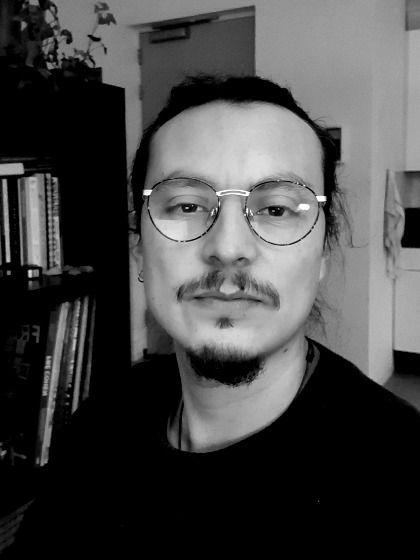
Assistant Professor
Expertise
My broad interest is to better understand how people respond to transgressions in the social and political domains from their value, belief, and emotion systems. I incorporate in my work different insights and methods from emotion science, social, and political psychology. My research lies within three main lines: 1. The nature and development of hate feelings, 2. The attributions of human and psychological traits towards transgressors and targets of negative emotions, and 3. The interactive effects of political culture and personal values in moral and justice reasoning.
Functie
PhD student
Functie
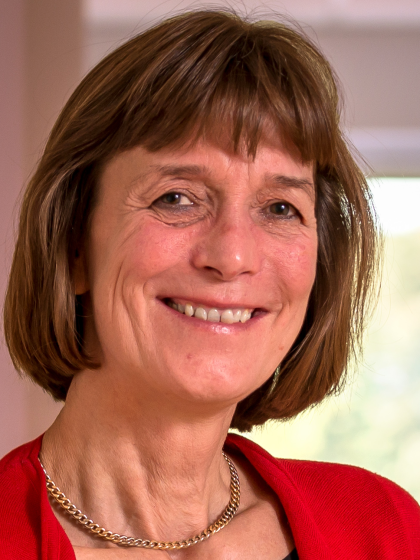
Hoogleraar Intergroepsrelaties en Sociale Integratie; facultaire representant voor Diversiteit en Inclusie (D&I officer)
Expertise
diversiteit, inclusie, sociale integratie, intergroepsrelaties, sociale identiteit
Functie
PhD student
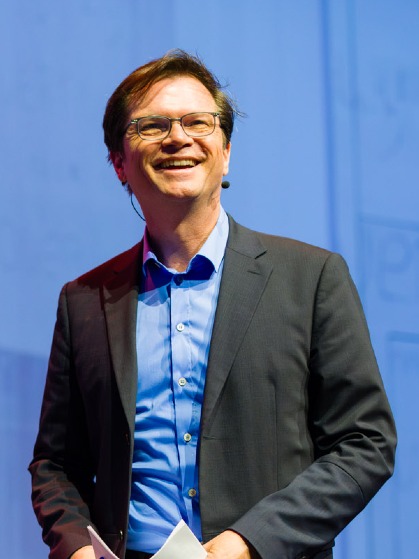
Functie
Hoogleraar Sociale Psychologie
Expertise
Tom Postmes onderzoekt menselijk gedrag in virtuele groepen en gemeenschappen, in grote mensenmassa's, maar ook in organisaties en "gewone" teams. Daarin staat niet alleen het individu centraal: kernvraag in zijn werk is hoe uit gedrag van individuen een collectief groeit.
Hij is wetenschappelijk directeur van het Kennisplatform Leefbaar en Kansrijk Groningen, dat kennis bij elkaar brengt over de maatschappelijke impact van de bodembeweging en de transities die dit noodzaakt: van onveilig naar veilig, van gas naar groen, van rampgebied naar een leefbare omgeving. Het kennisplatform ijvert ervoor dat de beste kennis samen komt, goed bekend is en in de praktijk wordt toegepast.
Wilt u weer weten over grootschalig protest? Ons rapport, in opdracht van het ministerie van Binnenlandse Zaken en Koninkrijksrelaties (2013), kunt u hier downloaden. Wilt u meer weten over collectief ongenoegen en ordeverstoringen? Ons rapport in opdracht van het ministerie van veiligheid en Justitie kunt u hier downloaden. Wilt u meer weten over de rol van sociale media in collectieve actie rondom de gasboringen in Groningen? Ons rapport in opdracht van het ministerie van Justitie en Veiligheid kunt u hier downloaden. Wilt u meer weten over het ongenoegen rondom migratie? Ons rapport over draagvlak, in opdracht van wederom het ministerie van Justitie en Veiligheid, kunt u hier downloaden. Tenslotte deden we onderzoek naar rellerigheid én gastvrijheid jegens migranten en AZC's, in relatie tot ongenoegens over migratie en de samenleving als geheel. Het rapport kunt u hier downloaden.
Sinds 2014 doet hij samen met Katherine Stroebe onderzoek naar de maatschappelijke reacties op aardbevingen, in opdracht van de Nationaal Coördinator Groningen. U vindt een overzicht van onderzoeksresultaten op www.groningsperspectief.nl.
Hij is wetenschappelijk directeur van het Kennisplatform Leefbaar en Kansrijk Groningen, dat kennis bij elkaar brengt over de maatschappelijke impact van de bodembeweging en de transities die dit noodzaakt: van onveilig naar veilig, van gas naar groen, van rampgebied naar een leefbare omgeving. Het kennisplatform ijvert ervoor dat de beste kennis samen komt, goed bekend is en in de praktijk wordt toegepast.
Wilt u weer weten over grootschalig protest? Ons rapport, in opdracht van het ministerie van Binnenlandse Zaken en Koninkrijksrelaties (2013), kunt u hier downloaden. Wilt u meer weten over collectief ongenoegen en ordeverstoringen? Ons rapport in opdracht van het ministerie van veiligheid en Justitie kunt u hier downloaden. Wilt u meer weten over de rol van sociale media in collectieve actie rondom de gasboringen in Groningen? Ons rapport in opdracht van het ministerie van Justitie en Veiligheid kunt u hier downloaden. Wilt u meer weten over het ongenoegen rondom migratie? Ons rapport over draagvlak, in opdracht van wederom het ministerie van Justitie en Veiligheid, kunt u hier downloaden. Tenslotte deden we onderzoek naar rellerigheid én gastvrijheid jegens migranten en AZC's, in relatie tot ongenoegens over migratie en de samenleving als geheel. Het rapport kunt u hier downloaden.
Sinds 2014 doet hij samen met Katherine Stroebe onderzoek naar de maatschappelijke reacties op aardbevingen, in opdracht van de Nationaal Coördinator Groningen. U vindt een overzicht van onderzoeksresultaten op www.groningsperspectief.nl.
Functie
PhD student
Functie
PhD student
Functie
PhD student
Functie
PhD student
Functie
PhD student
Functie
PhD student
Functie
Hoogleraar
Functie
PhD student
Functie
PhD student
Functie
Gasthoogleraar
Functie
PhD student
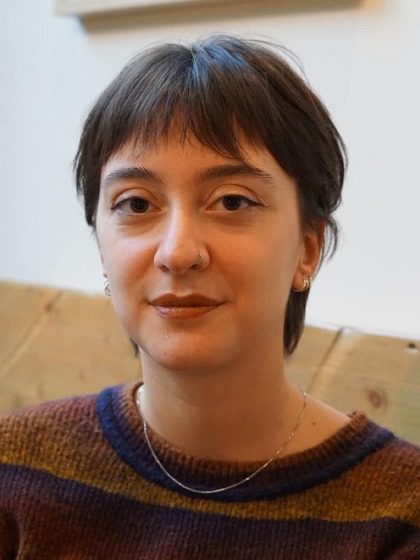
Functie
PhD Candidate
Expertise
Social Psychology
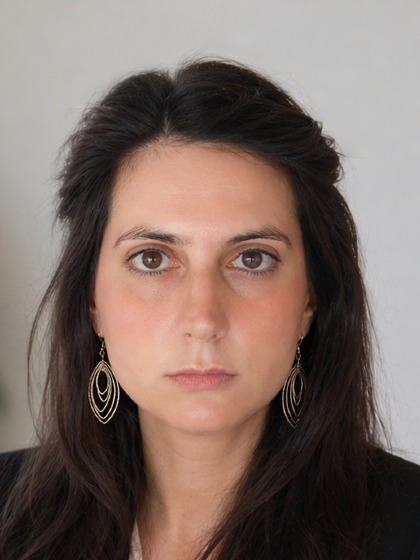
Functie
Postdoctoral Researcher
Expertise
Immigration, Social media, Propaganda, Racism, Polarization, Intergroup dynamics
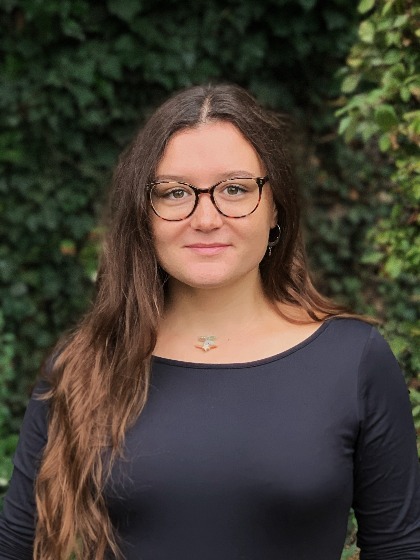
Functie
PhD student
Expertise
Promovendus van het Kennisplatform Leefbaar en Kansrijk Groningen, dat kennis en onderzoek verzamelt en deelt dat relevant is voor sociaal-maatschappelijk beleid in het Groningse gaswinningsgebied. Het Kennisplatform stimuleert samenwerkingsverbanden om meer aandacht te creëren voor sociaal-maatschappelijke impact. Het brengt mensen en kennis samen en streeft naar een samenleving waar industrie, staat en maatschappij in harmonie zijn. Mijn project richt zich op hoe wetenschappelijke inhoud en communicatie kan bijdragen aan herstel van vertrouwen tussen mens, overheid en bedrijfsleven.
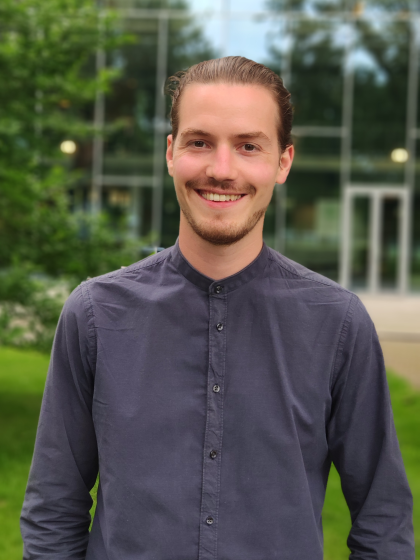
Functie
Kwantitatief onderzoeker bij Gronings Perspectief
Expertise
Economie, Psychologie, Leiderschap, Crises
Functie
PhD student
Expertise
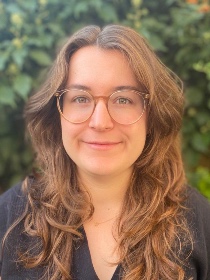
collective emotions; regret; intergroup relationship
Functie
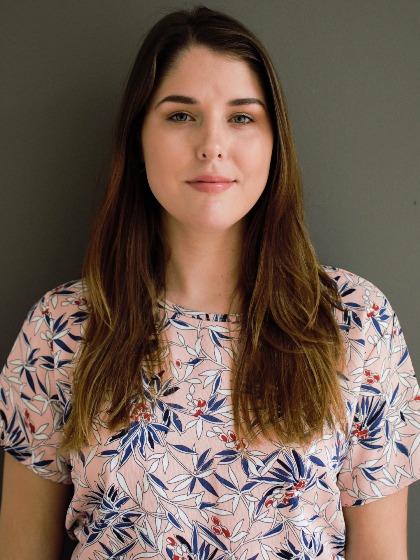
PhD Candidate
Expertise
Social Psychology
Functie
Postdoctoraal onderzoeker
Expertise
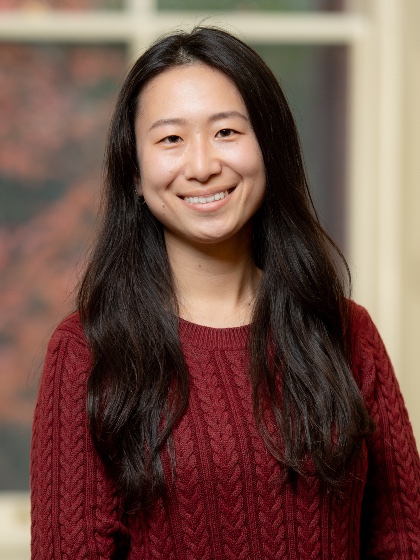
Collective behavior, pedestrian and crowd dynamics, complex systems, networks, social influence, perception and action
Functie
Promotiestudent
Expertise
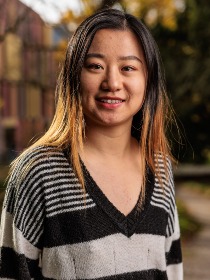
Onderzoeksinteresses: Mijn voornaamste onderzoeksgebieden omvatten interculturele depressiepreventie, zelfkritiek, zelfcompassie en de wisselwerking tussen culturele factoren zoals collectivisme versus individualisme, onafhankelijkheid versus onderlinge afhankelijkheid. Mijn focus strekt zich ook uit tot het onderzoeken van zelfconstructies en de rol van een innerlijk kompas in onzekere situaties binnen de context van culturele aanpassing.
Doelpopulatie: Ik ben vooral geïnteresseerd in het begrijpen van deze dynamiek onder internationale studenten in Nederland.
Onderzoeksmethodologieën: ik gebruik een reeks onderzoeksmethoden, waaronder kwantitatieve, kwalitatieve en experimentele benaderingen om deze onderwerpen uitgebreid te onderzoeken.
Doelpopulatie: Ik ben vooral geïnteresseerd in het begrijpen van deze dynamiek onder internationale studenten in Nederland.
Onderzoeksmethodologieën: ik gebruik een reeks onderzoeksmethoden, waaronder kwantitatieve, kwalitatieve en experimentele benaderingen om deze onderwerpen uitgebreid te onderzoeken.
Functie
Hoogleraar
Expertise
Politieke en Culturele Psychologie van Sociale Relaties
Laatst gewijzigd:20 juni 2024 08:12
View this page in: English