


Staff
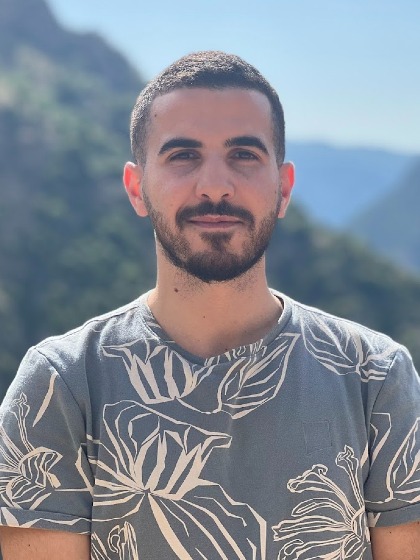
Function
PhD Candidate
Expertise
I am a PhD candidate in social psychology, conducting interdisciplinary research with philosophy. My research focuses on how individuals make sense of inequality in their everyday lives, with particular attention to justice principles, especially meritocratic ideologies, and how these shape understandings of class-based inequalities (e.g., wealth and education), as well as inequalities linked to social identities such as ethnicity, gender, and nationality.I am trained in empirical quantitative research and also have experience with, and value, qualitative approaches. More broadly, I am committed to social science research that is socially relevant, grounded in context, and attentive to real-world phenomena, producing knowledge and analyses that help clarify and deepen our understanding of social reality.

Expertise
My research lies at the intersection of social identity and motivated political reasoning, with a focus on politicisation, social change, and polarisation processes.
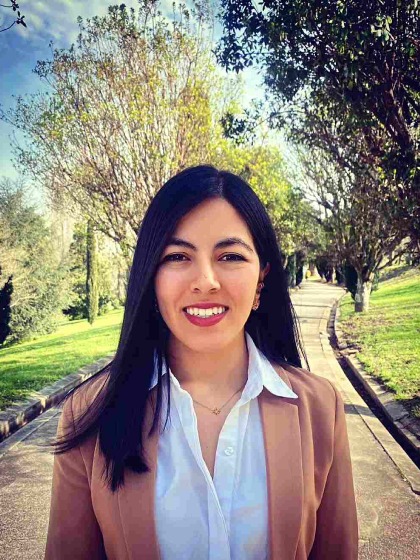
Function
Professor by special appointment 'Crises, Safety and Health'
Expertise
Disasters; Crisis Management; Vulnerability Analysis; Public Safety; Public Health

Function
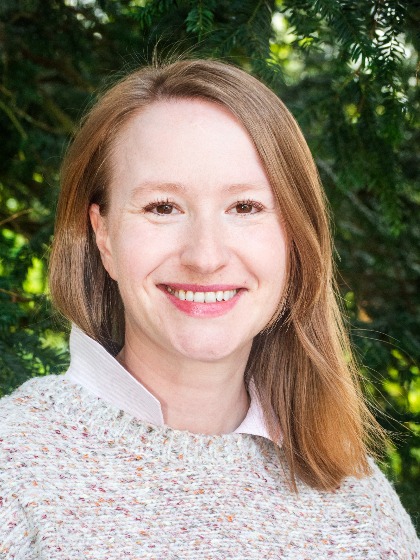
PhD student
Function
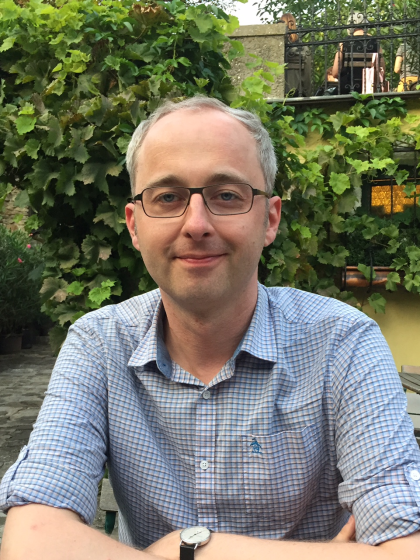
Associate professor (with ius promovendi)
Expertise
Counterfactual thoughts; regret; nostalgia; counterfacual emotions; social judgment
Function
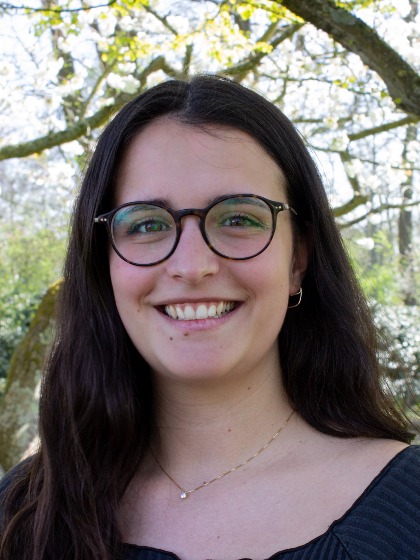
PhD Student
Function
PhD student

Function
Assistant professor
Expertise
Social psychology, Online (group) behaviour, Collective action, Humour, Conflict (de-)escalation, Quantitave and qualitative research.
Function
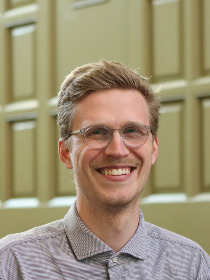
PhD candidate in Social and Organizational Psychology
Expertise
Emotion regulation, negative feedback
Function
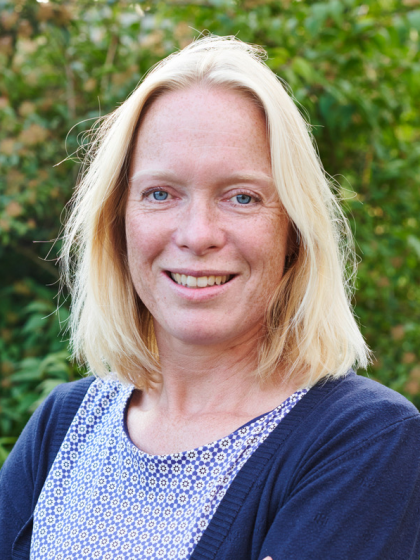
Professor (adjunct)
Expertise
Social and cultural change driven by modernization in the Global South, women's empowerment, migration and integration of refugees, microfinance services, social impact evaluations
Function
PhD student

Function
Postdoctoral researcher

Function
PhD Candidate
Expertise
Humor, social cohesion, group dynamics
Function
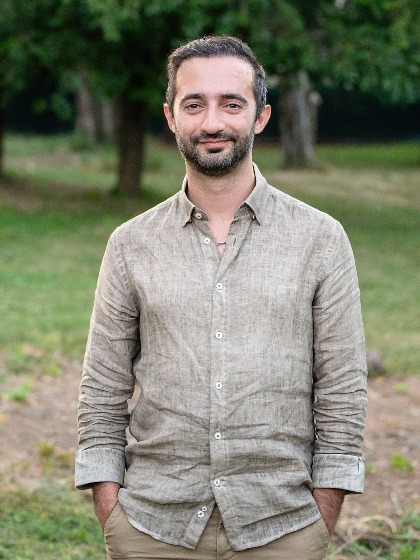
Assistant Professor
Expertise
I am a social psychologist investigating how disadvantaged groups navigate their identities within privileged social systems. My research examines how people experience social disadvantage, how societies perceive marginalized groups, and under what conditions advantaged groups support social change and equality. To address these questions, I use diverse methodological approaches, often combining correlational and experimental research with qualitative methods to develop an in-depth understanding of identity, intergroup relations, reconciliation, and social change.
My research focuses on four interconnected lines of work:
1. Being yourself at the crossroads of multiple conflicting identities
We all hold multiple social identities, yet these identities are not always compatible with one another. By integrating the Bicultural Identity Integration framework with Social Identity Theory, I investigate how individuals navigate tensions between conflicting identities, the conditions under which identities become compatible or oppositional, and the psychological and societal processes that facilitate identity integration. This work examines both the personal consequences of identity conflict and the broader social conditions that allow people to authentically inhabit multiple identities simultaneously. More recently, I have also explored how individuals with multiple identities can function as “gateway groups” that foster understanding, solidarity, and reconciliation between divided communities.
2. Being on the receiving end of prejudice and discrimination
What happens to disadvantaged group members when they experience discrimination, exclusion, social devaluation, or historical injustice? How do they make sense of their lower social status, and how does this shape their well-being, identity, and engagement in social change? Focusing on outcomes such as collective action, identity management, belonging, and psychological well-being, I investigate how disadvantaged groups respond to structural inequality and societal tensions across different intergroup contexts. This line of research also examines how disadvantaged communities perceive support from advantaged groups, including reactions to allyship, solidarity, and intergroup apologies in contexts marked by conflict, inequality, and collective harm.
3. Being part of advantaged groups: attitudes toward minorities and addressing one's own privilege
Intergroup conflict and social polarization are increasingly prevalent across societies. My research examines how advantaged groups perceive minorities, respond to inequality, and negotiate their own privilege. In particular, I investigate different responses to privilege acknowledgement, including denial, defensiveness, distancing, dismantling, and allyship, as well as the conditions under which advantaged groups support or resist social change. I also examine when advantaged group members are willing to engage in reconciliation efforts, such as offering collective apologies for historical or ongoing injustices, and how these actions are perceived by disadvantaged groups. This line of research approaches intergroup relations from the perspective of dominant groups while maintaining a focus on improving the status and well-being of disadvantaged communities.
4. Negotiating new masculinities
Traditional understandings of masculinity are increasingly being challenged by more progressive and egalitarian forms of manhood. This line of research examines how men negotiate tensions between traditional and progressive masculinities, how these identities are socially perceived, and whether new forms of masculinity can coexist with more traditional gender norms. Using mixed-method approaches, I investigate how masculinity relates to identity, privilege, vulnerability, allyship, and social change, including how men respond to changing societal expectations surrounding gender equality and inclusion.
My research focuses on four interconnected lines of work:
1. Being yourself at the crossroads of multiple conflicting identities
We all hold multiple social identities, yet these identities are not always compatible with one another. By integrating the Bicultural Identity Integration framework with Social Identity Theory, I investigate how individuals navigate tensions between conflicting identities, the conditions under which identities become compatible or oppositional, and the psychological and societal processes that facilitate identity integration. This work examines both the personal consequences of identity conflict and the broader social conditions that allow people to authentically inhabit multiple identities simultaneously. More recently, I have also explored how individuals with multiple identities can function as “gateway groups” that foster understanding, solidarity, and reconciliation between divided communities.
2. Being on the receiving end of prejudice and discrimination
What happens to disadvantaged group members when they experience discrimination, exclusion, social devaluation, or historical injustice? How do they make sense of their lower social status, and how does this shape their well-being, identity, and engagement in social change? Focusing on outcomes such as collective action, identity management, belonging, and psychological well-being, I investigate how disadvantaged groups respond to structural inequality and societal tensions across different intergroup contexts. This line of research also examines how disadvantaged communities perceive support from advantaged groups, including reactions to allyship, solidarity, and intergroup apologies in contexts marked by conflict, inequality, and collective harm.
3. Being part of advantaged groups: attitudes toward minorities and addressing one's own privilege
Intergroup conflict and social polarization are increasingly prevalent across societies. My research examines how advantaged groups perceive minorities, respond to inequality, and negotiate their own privilege. In particular, I investigate different responses to privilege acknowledgement, including denial, defensiveness, distancing, dismantling, and allyship, as well as the conditions under which advantaged groups support or resist social change. I also examine when advantaged group members are willing to engage in reconciliation efforts, such as offering collective apologies for historical or ongoing injustices, and how these actions are perceived by disadvantaged groups. This line of research approaches intergroup relations from the perspective of dominant groups while maintaining a focus on improving the status and well-being of disadvantaged communities.
4. Negotiating new masculinities
Traditional understandings of masculinity are increasingly being challenged by more progressive and egalitarian forms of manhood. This line of research examines how men negotiate tensions between traditional and progressive masculinities, how these identities are socially perceived, and whether new forms of masculinity can coexist with more traditional gender norms. Using mixed-method approaches, I investigate how masculinity relates to identity, privilege, vulnerability, allyship, and social change, including how men respond to changing societal expectations surrounding gender equality and inclusion.
Function
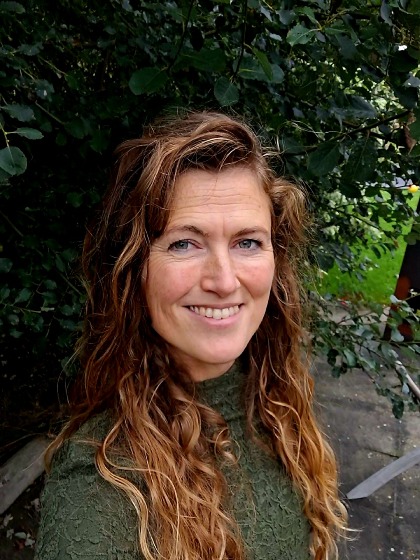
Associate Professor of Psychology
Expertise
Group processes and communication. Polarisation, social change, micro-dynamics of conversation
Function
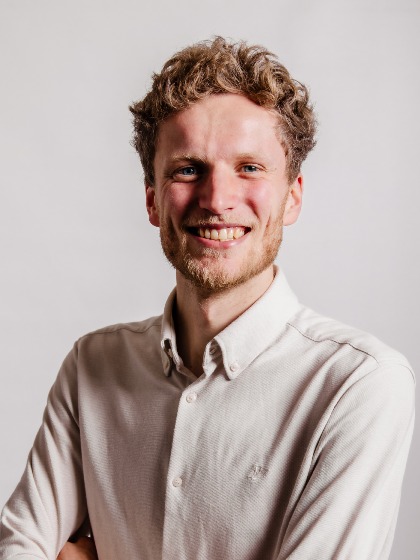
PhD Candidate
Expertise
When and how do people plan protests by talking to each other about injustice?
Although the motivations that drive people to protest have been extensively researched, no research to date combines all the ingredients necessary for protests to occur in a single research design. Between 2022 and 2026, I am developing a new research method called the Collective Action Simulation Paradigm (CASP). I will use this method to answer new research questions about how people organize protest actions, and what kind of social interactions among like-minded people foster this process.
Although the motivations that drive people to protest have been extensively researched, no research to date combines all the ingredients necessary for protests to occur in a single research design. Between 2022 and 2026, I am developing a new research method called the Collective Action Simulation Paradigm (CASP). I will use this method to answer new research questions about how people organize protest actions, and what kind of social interactions among like-minded people foster this process.
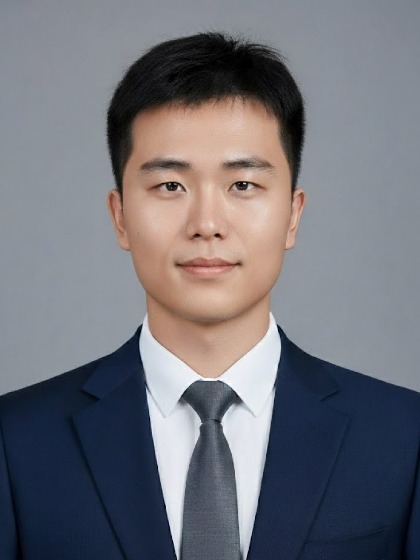
Function
PhD Candidate
Expertise
Political Psychology, Cultrual Psychology, Identity, Democracy, Social Contract
Function
PhD student
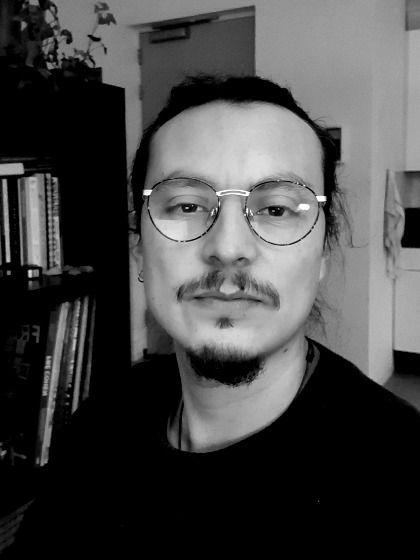
Function
Assistant Professor
Expertise
My broad interest is to better understand how people respond to transgressions in the social and political domains from their value, belief, and emotion systems. I incorporate in my work different insights and methods from emotion science, social, and political psychology. My research lies within three main lines: 1. The nature and development of hate feelings, 2. The attributions of human and psychological traits towards transgressors and targets of negative emotions, and 3. The interactive effects of political culture and personal values in moral and justice reasoning.
Function
PhD student
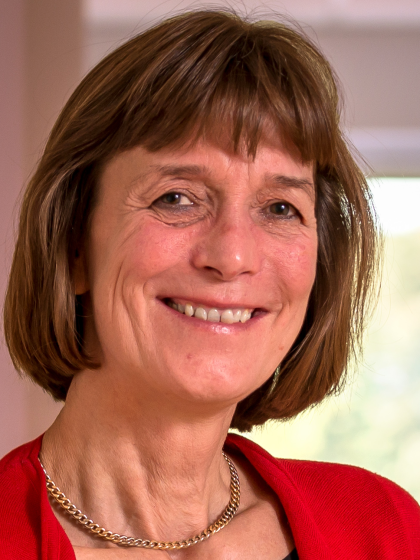
Function
Professor of Intergroup Relations and Social Integration; Diversity & Inclusion Officer, Faculty BSS
Expertise
diversity, inclusion, intergroup relations, social integration, social identity
Function
PhD student
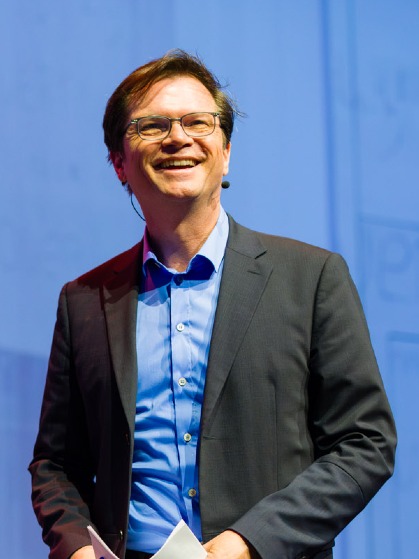
Function
Full Professor, Social Psychology
Expertise
Tom Postmes (PhD, 1997, University of Amsterdam) studies human behavior in virtual groups and communities, in crowds and also in organizations and "normal" teams. A major theme in his work how individual actions, thoughts and social interactions become co-ordinated, in such a way that people act and think as a team, a group, an organization or as a society. In chaotic, unusual or unexpected situations (a demonstration, a disaster but also online) a process of self-organisation takes place. We can learn a lot from this and it raises questions about group dynamics in “normal” groups and everyday life. Central to a lot of his work is the influence of personal and social identity: the relation of the individual to the group.
Tom became a professor of Social Psychology at the University of Exeter in 2004. Since returning to The Netherlands in 2007, he is the chair of Social Psychology at the University of Groningen. He received various awards from august institutions such as the Royal Netherlands Academy of Arts and Sciences (KNAW), the Dutch National Science Foundation (NWO), the Economic and Social Research Council (UK) and National Science Foundation (USA). In recent years, he has collaborated with various ministries on research projects concerned with societal discontent and social unrest in The Netherlands. He also studies the societal impact of induced earthquakes in Groningen, and is Scientific Director of the knowledge platform (Kennisplatform Leefbaar en Kansrijk Groningen, in Dutch) that seeks to integrate knowledge about this and promote its application.
Tom became a professor of Social Psychology at the University of Exeter in 2004. Since returning to The Netherlands in 2007, he is the chair of Social Psychology at the University of Groningen. He received various awards from august institutions such as the Royal Netherlands Academy of Arts and Sciences (KNAW), the Dutch National Science Foundation (NWO), the Economic and Social Research Council (UK) and National Science Foundation (USA). In recent years, he has collaborated with various ministries on research projects concerned with societal discontent and social unrest in The Netherlands. He also studies the societal impact of induced earthquakes in Groningen, and is Scientific Director of the knowledge platform (Kennisplatform Leefbaar en Kansrijk Groningen, in Dutch) that seeks to integrate knowledge about this and promote its application.
Function
PhD student
Function
PhD student
Function
PhD student
Function
PhD student

Function
PhD Candidate
Function
PhD student
Function
Full Professor
Function
PhD student
Function
PhD student
Function
Visiting Professor
Function
PhD student
Function
PhD Candidate
Expertise
Social Psychology
Function
Postdoctoral Researcher
Expertise
Immigration, Social media, Propaganda, Racism, Polarization, Intergroup dynamics
Function
PhD student
Expertise
PhD student at the Knowledge Platform, which collects and shares knowledge and research that is relevant for social policy in the Groningen gas extraction area. The Knowledge Platform stimulates partnerships to create more attention for social impact. It brings people and knowledge together and strives for a society where industry, state, and society are in harmony. My project focuses on what science content and communication can contribute to a restoration of trust between people, government and industry.
Function
Quantitative researcher at Gronings Perspectief
Expertise
Economics, Psychology, Leadership, Crises
Function
PhD student
Expertise
collective emotions; regret; intergroup relationship
Function
PhD Candidate
Expertise
Social Psychology
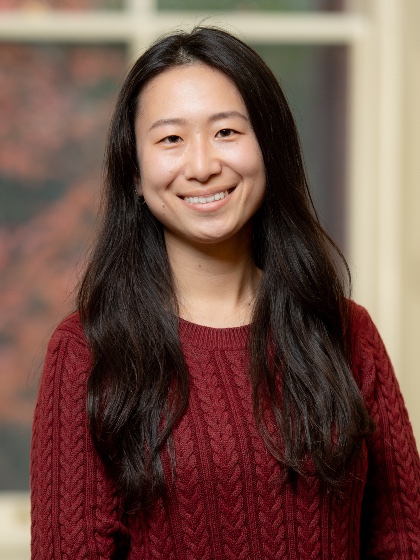
Function
Postdoctoral Researcher
Expertise
Collective behavior, pedestrian and crowd dynamics, complex systems, networks, social influence, perception and action
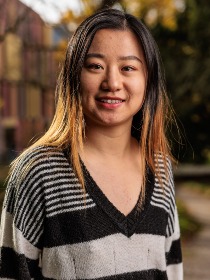
Function
PhD student
Expertise
Research Interests: My primary research areas encompass cross-cultural depression prevention, self-criticism, self-compassion, and the interplay of cultural factors such as collectivism vs. individualism, independence vs. interdependence. My focus also extends to examining self-construals and the role of an inner compass in uncertain situations within the context of cultural adaptation.
Target Population: I'm particularly interested in understanding these dynamics among international students in the Netherlands.
Research Methodologies: I employ a range of research methods including quantitative, qualitative, and experimental approaches to investigate these topics comprehensively.
Target Population: I'm particularly interested in understanding these dynamics among international students in the Netherlands.
Research Methodologies: I employ a range of research methods including quantitative, qualitative, and experimental approaches to investigate these topics comprehensively.
Function
Professor
Expertise
Political and Cultural Psychology of Social Relationships
Last modified:20 June 2024 08.12 a.m.
View this page in: Nederlands