
New mathematics for an ever more complex world
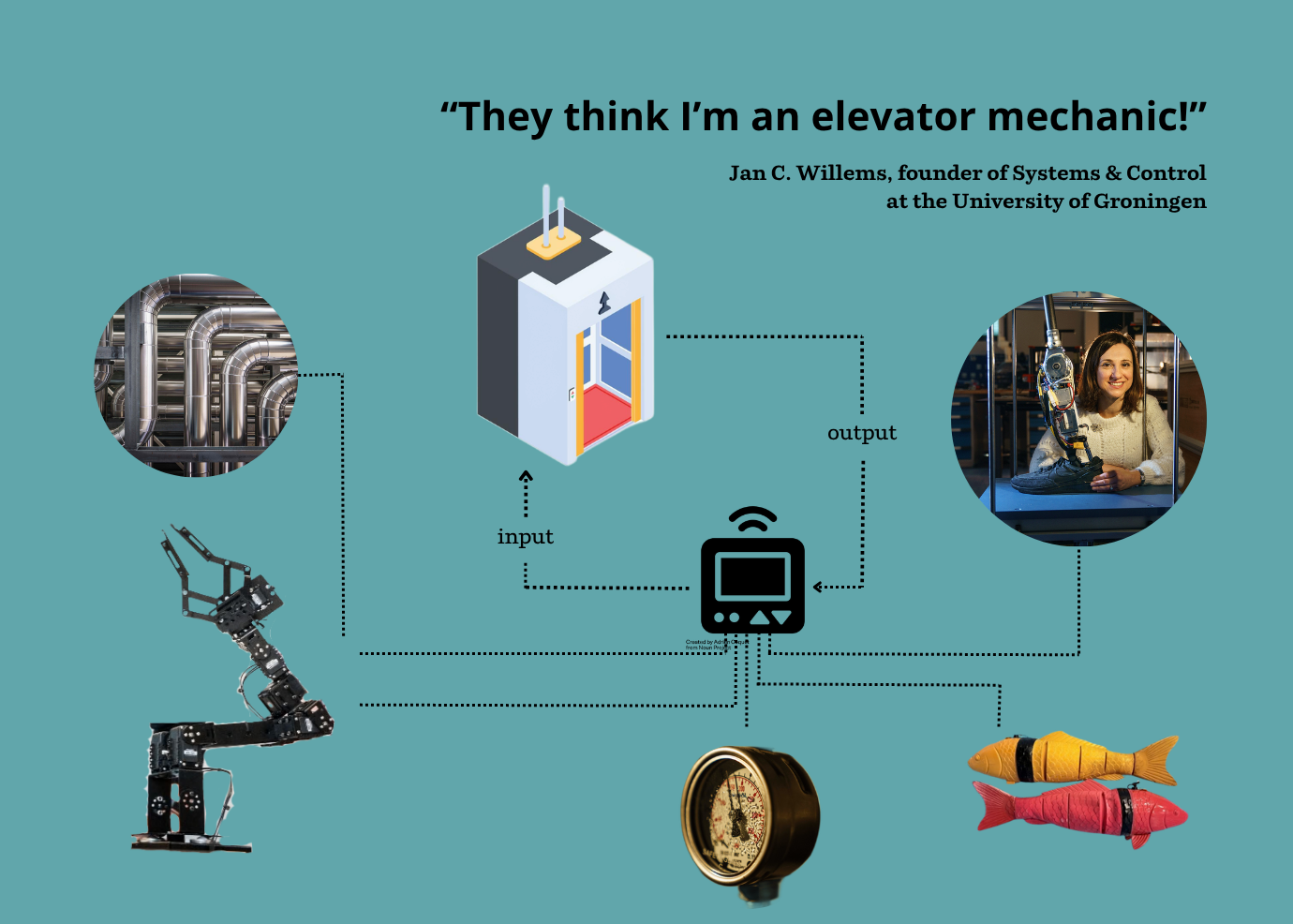
The University of Groningen is among the world leaders in the field of Systems and Control, thanks to the legacy of Professors Jan C. Willems and Ruth Curtain. In the Jan C. Willems Centre for Systems and Control, UG researchers work on the mathematics behind a wide range of applications, from high-tech production processes to the movements of a knee prosthesis.
FSE Science Newsroom | Charlotte Vlek
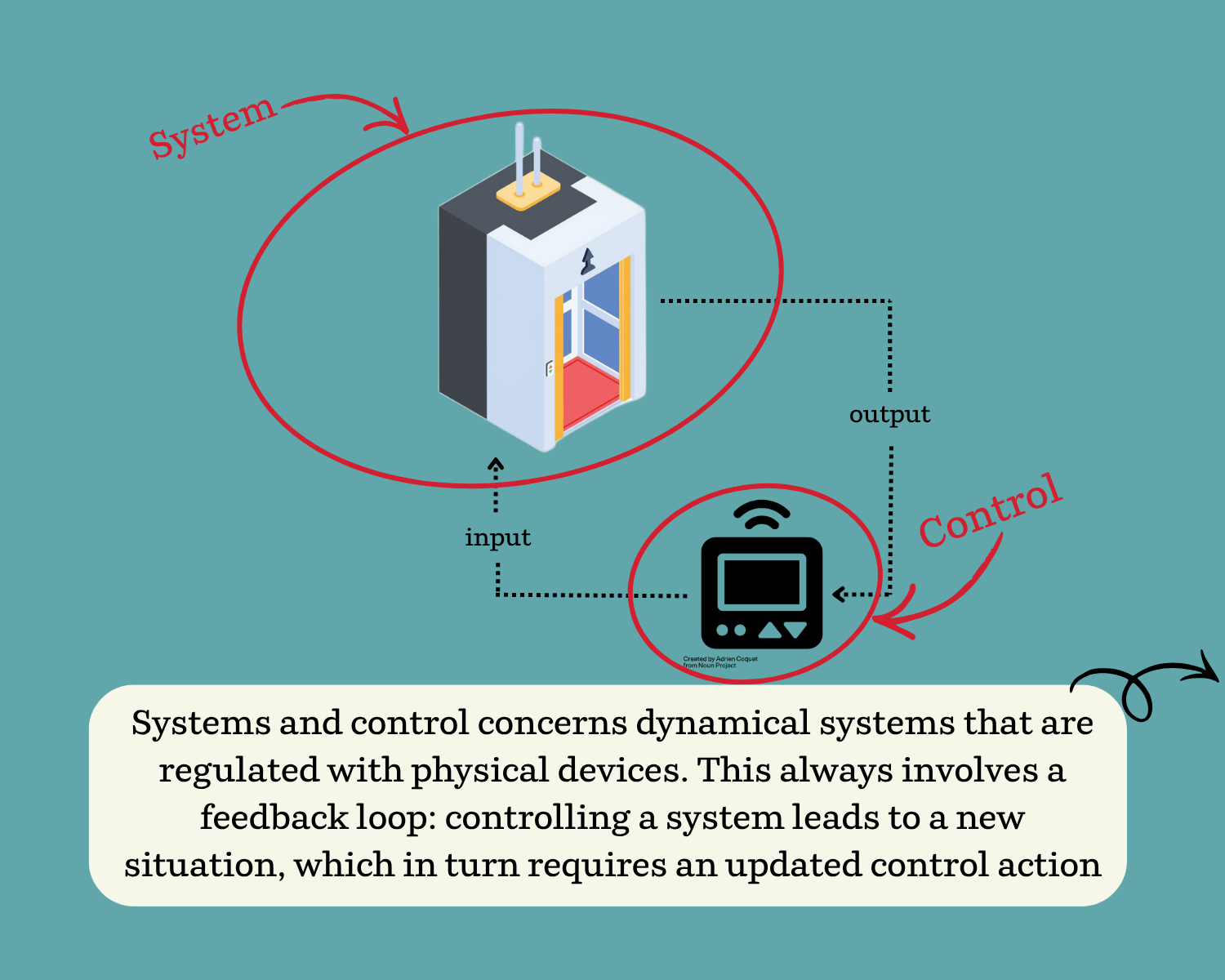
‘My field is about computers, about robots, about AI,’ says Kanat Camlibel, Professor of Applied Mathematics. ‘When I give an example of what I do, people tend to think that that is what my research is about! But it’s always about the mathematics behind it.’ In a similar vein, there is a well-known anecdote about Jan Willems, the Groningen pioneer in the field, who once explained his research using the example of controlling an elevator. Afterwards, his conversation partner was overheard saying: This guy is an elevator mechanic! Well, no. Willems worked in Systems & Control, a field that develops the mathematics needed for elevators — and for many, many other things.
Researchers all have their own favourite example to illustrate the field: a thermostat, a car, the robotic arm that builds a car, traffic flows. At its core, Systems and Control is always about a dynamical system that can be controlled to behave in a certain way. There is always some sort of feedback loop: controlling the system leads to a new situation, which in turn requires an updated control action. A thermostat switches the central heating on, the temperature rises, and the heating switches off again. Or a car with cruise control is driving slightly too slowly, accelerates, and then stops accelerating once the correct speed has been reached.
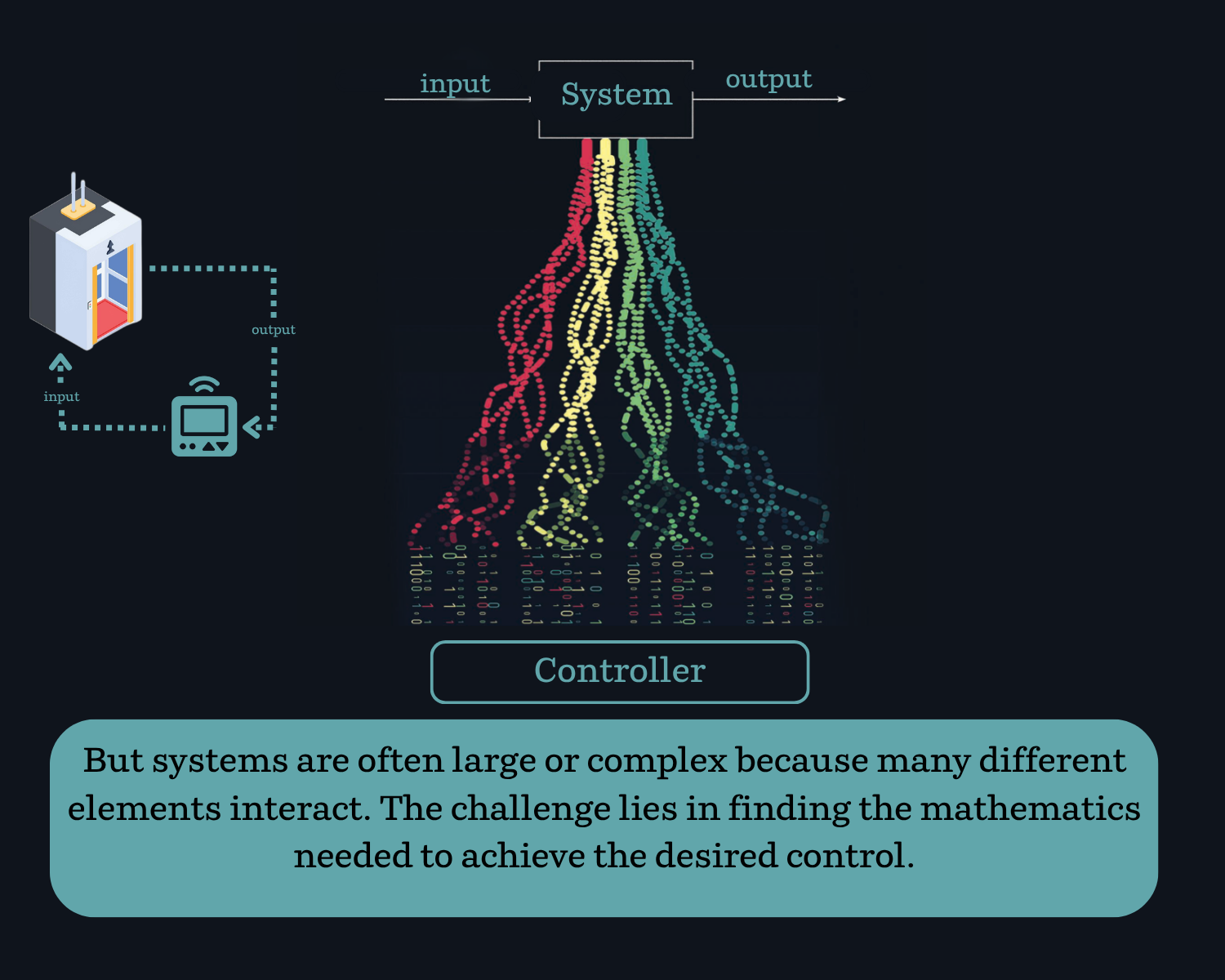
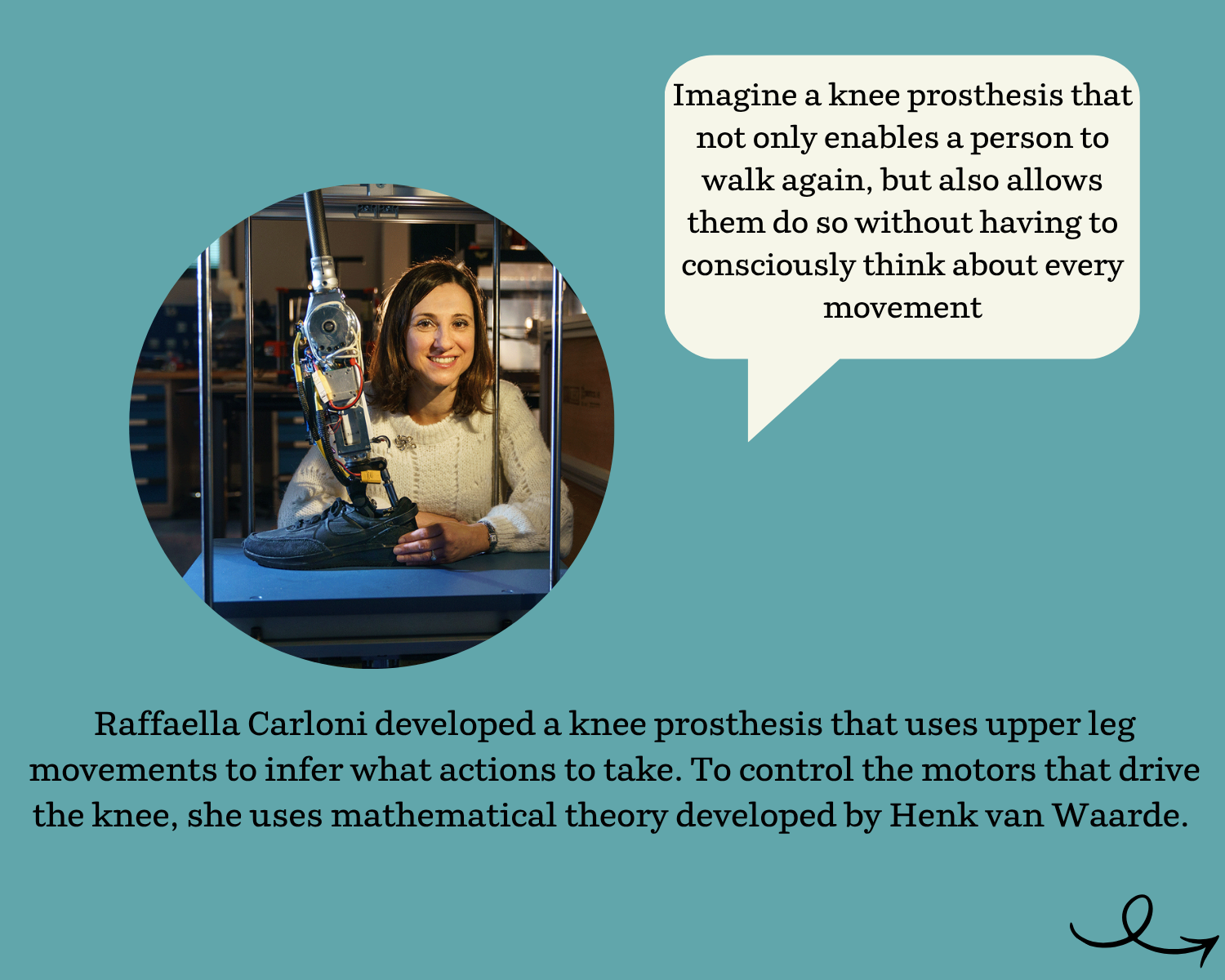
Researchers carefully map out the formulas that underpin the system they study and then develop the mathematics needed for its controller. For instance, Henk van Waarde is working on data-driven control: based on data collected about how a system behaves, his mathematical theory provides the appropriate controller for that system.
Van Waarde’s mathematical theory is applied, for example, in the knee prosthesis developed by Professor of Robotics Raffaella Carloni (see image above). Van Waarde explains: ‘Even though we have a good understanding of the movements a knee can make, the dynamics of such a prosthesis are fairly complicated. So, we collect data from the actual movements, and design a controller for any system that is compatible with the information we have. We can then also mathematically prove that these control methods have the desired effect for all possible systems that might underlie the data.’
Developing the tricks
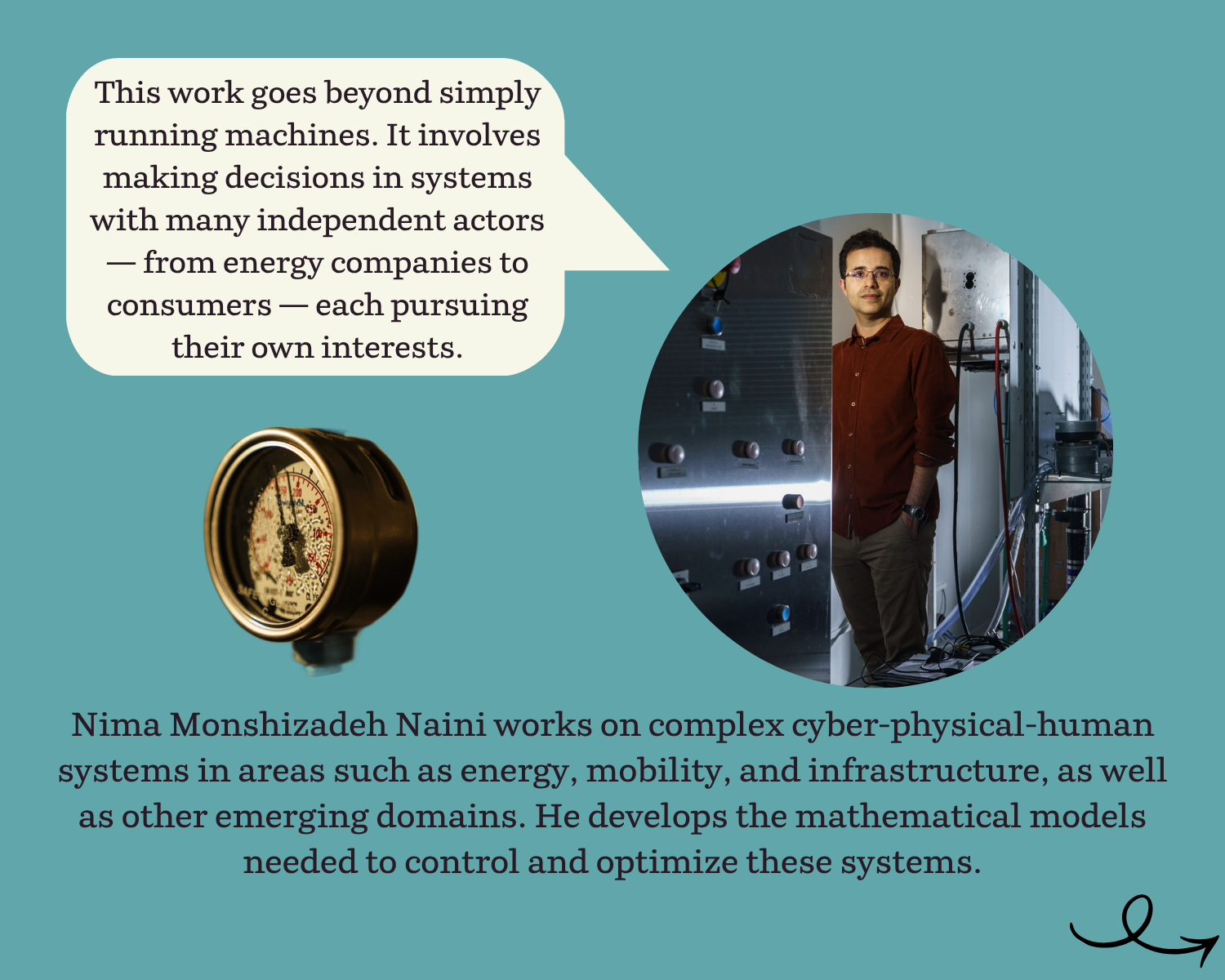
Do these researchers then apply the same kind of trick to all applications? Not really. ‘We develop the tricks,’ explains Bart Besselink, Associate Professor of Systems and Control. ‘And a great deal of mathematics goes into that.’ As the world becomes ever more complex, the mathematics behind it must continuously evolve. ‘The challenge lies in increasingly complex systems, either because they are very large or because they consist of many elements,’ Camlibel adds.
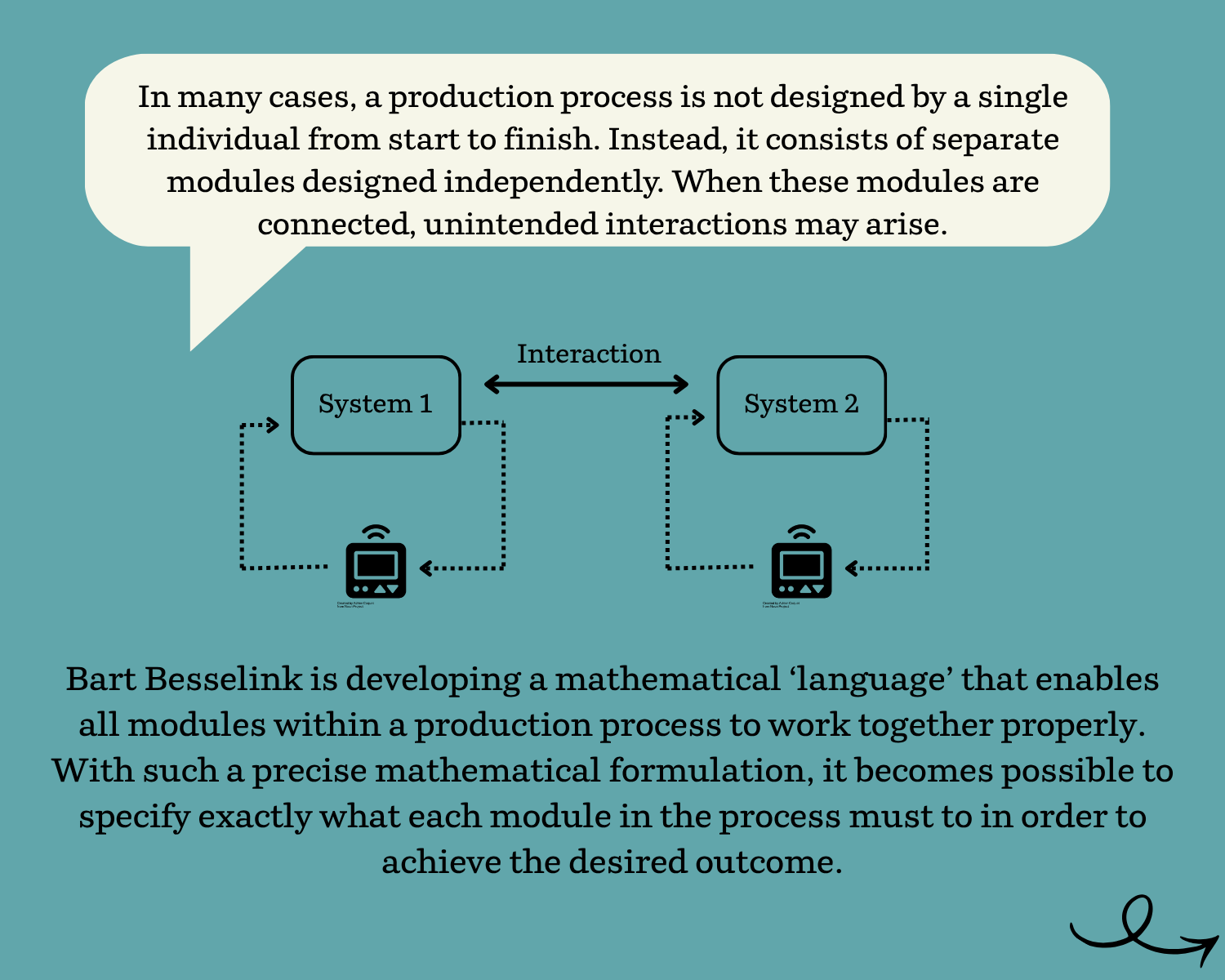
As an example, Besselink points to high-tech industry, where parts are produced with extremely high precision. Numerous factors influence such production processes and need to be taken into account. For instance, robotic movements in one part of the process might cause vibrations elsewhere. Besselink explains: ‘A production process is often designed by different people who develop separate modules that later need to be connected. At that point, all kinds of new interactions arise, and to regulate them properly, we need an overarching theory.’
‘At present, a systems architect has an overview of the entire system and must ensure that all modules work together smoothly,’ Besselink continues. But with a mathematical ‘language’ that specifies exactly what each module does, it becomes much easier to compare different modules and make them cooperate as intended.
This approach is fundamentally different from the self-learning machines that are currently so popular in AI. Camlibel explains: ‘Several mathematical results show that for a robot to learn an obstacle course, for instance, it simply does not suffice to provide large numbers of training examples. Instead, we analyse the system and develop appropriate control methods. And we can then mathematically prove that these methods work for all systems of the same type — we have guarantees.’
Jan Willems and Ruth Curtain, the two driving forces
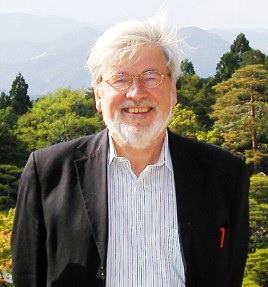
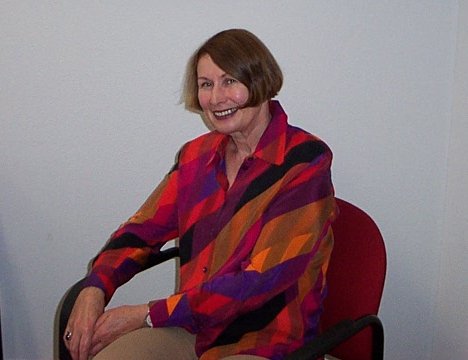
‘Jan Willems was a fascinating character,’ Camlibel recalls. ‘He was exceptionally good at what he did, he saw through problems very quicky, and he was extremely visionary. He wrote many papers that later became their own subfields within Systems and Control. One example is his work on linear matrix inequalities, a particular type of mathematical equation. At the time, there was no way to numerically compute the outcomes of such equations on a computer, as we do now. Yet his solutions turned out to be correct once we had computers powerful enough to verify them.
After Willems’ retirement, Ruth Curtain became leader of the research group. Both supervised many PhD candidates, a large number of whom went on to careers in academia. Camlibel adds: ‘If you open a top journal in the field today, you will find many Dutch researchers on the editorial board. Some are now based in Twente or Eindhoven, but Groningen remains an important hub for Systems and Control.’
The Groningen Jan C. Willems Center brings together researchers from the Engineering and Technology Institute Groningen (ENTEG) and the Systems, Control and Optimization (SCO) research group of the Bernoulli Institute for Mathematics, Computer Science and Artificial Intelligence. As a result, the centre operates at the interface of mathematical theory and engineering.
Read more:
Bayu Jayawardhana controls robots with mathematical formulas. He does this, for instance, in the new project FARMLAB, in which various types of agricultural robots work together to monitor crops in real time.
From tailor-made shaving tools to personalized healthcare: the potential of autonomous robots, especially when they work in teams, is huge. How do we control the decisions these complex systems make so that they can operate safely and efficiently? Professor of Networks and Robotics, Ming Cao (Faculty of Science and Engineering), and his team are working hard to find out.
Electrical engineer Ming Cao tackles the ethical, legal, and societal aspects surrounding AI, as head of the ELSA Lab for Technical Industry.
Raffaella Carloni develops artificial limbs, including the bionic leg for which she received the 2024 Ben Feringa Impact Award. ‘I am fascinated by robotics and dream of replicating the remarkable abilities of the human body.'
Dynamical systems, i.e. mathematical models that describe how things evolve over time, are at the heart of much of the modern world. The real challenge, however, lies in shaping the systems’ behaviour to achieve a specific goal.
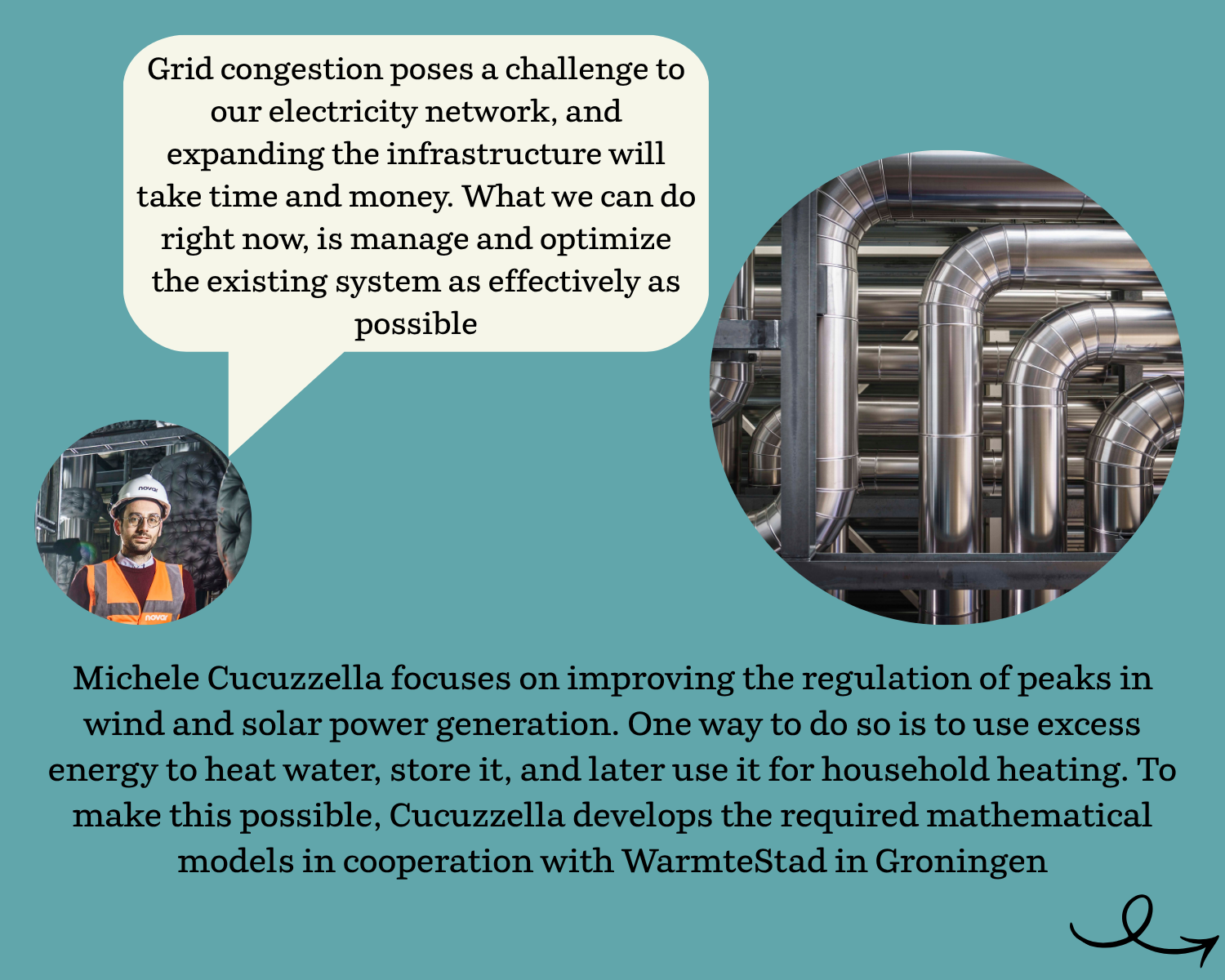
Grid congestion poses a challenge to our electricity network, and expanding the infrastructure will take time and money. ‘What we can do right now, is manage and optimize what we have as best as we can,’ says Michele Cucuzzella. For example by using peaks in electricity generation to heat and store water which can then be used to heat houses in the city at a later stage.
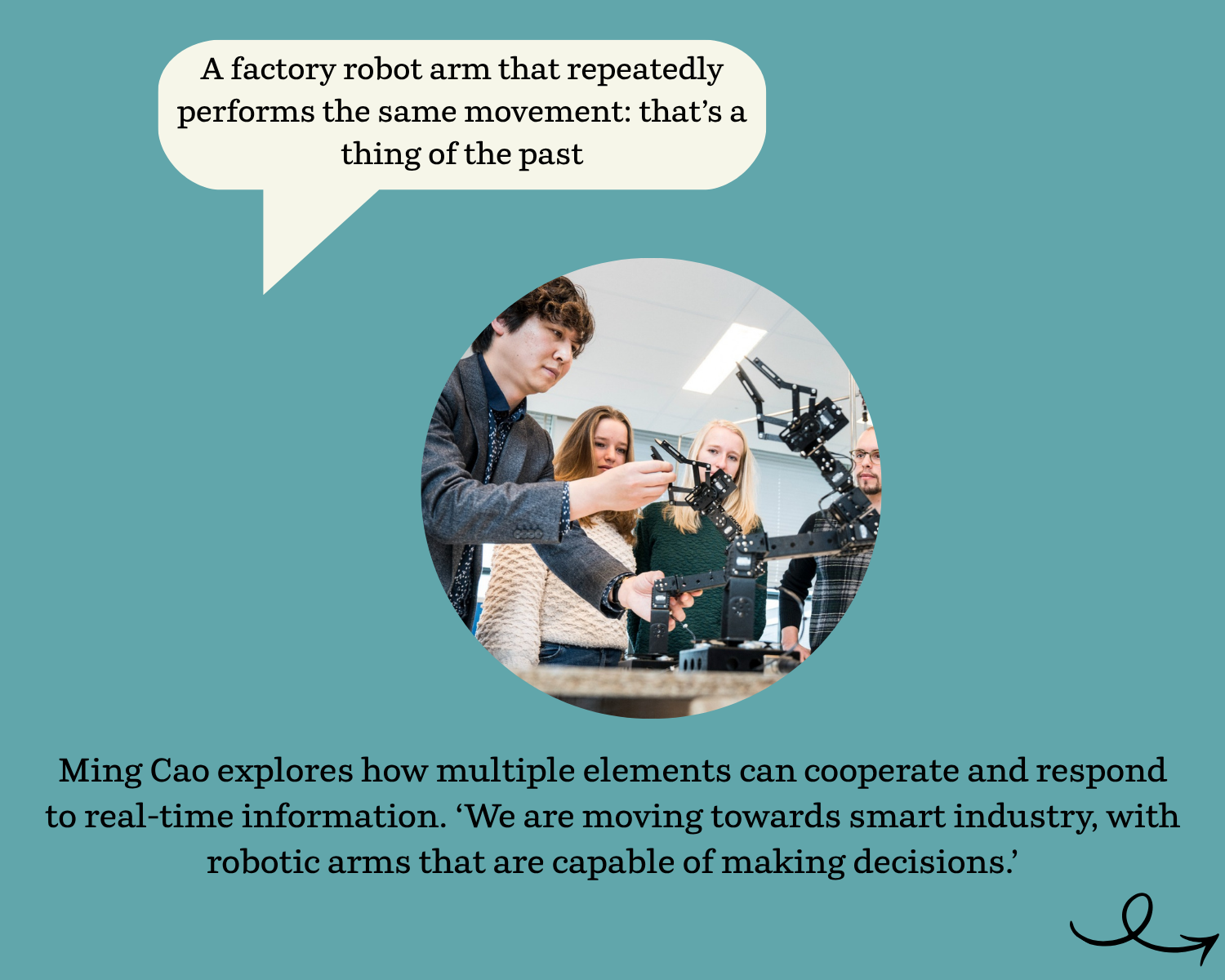
A robotic arm in a factory that repeatedly executes the same movement: that’s a thing of the past, states Ming Cao. Researchers of the University of Groningen are collaborating with high-tech companies to make production processes more autonomous.
Every two weeks, UG Makers puts the spotlight on a researcher who has created something tangible, ranging from homemade measuring equipment for academic research to small or larger products that can change our daily lives.
More news
-
10 September 2026
Searching for the first generation of stars
-
10 September 2026
Wouter Vansteelant appointed Scientific Director of BirdEyes
-
08 September 2026
How do you spot a nice wool coat in a heap of discarded textiles?