
Three Groningen researchers awarded €1.7 million for next-generation computing
Three researchers are part of international research consortia that have been awarded funding in the joint NWO–JST call on unconventional information processing technologies. The programme supports Dutch–Japanese collaborations developing innovative hardware and software solutions for faster, more energy-efficient computing. At the University of Groningen, a total of over EUR 1.7 million has been awarded across three projects.
The funded projects aim to move beyond the limitations of conventional computer chips, which are increasingly constrained by physical and energy boundaries. By combining expertise in fields such as photonics, quantum technology and neuromorphic computing, the selected teams are exploring radically new approaches to data processing.
Three Groningen contributions
Researchers from the Faculty of Science and Engineering (University of Groningen) are involved in three of the awarded projects, two of them are affiliated with the Groningen Cognitive Systems and Materials research centre (CogniGron):
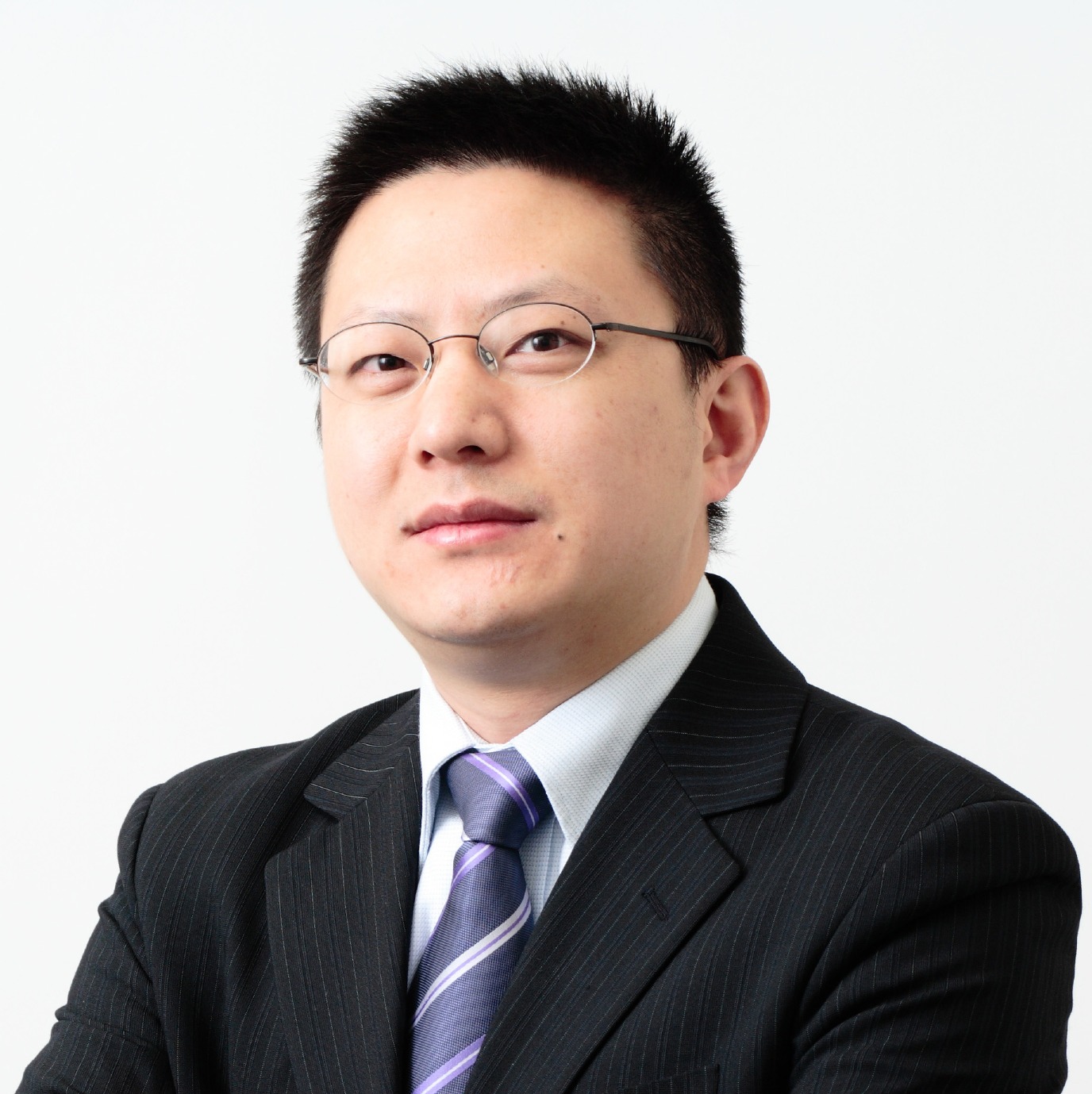
Moiré Quantum Brain: Neuromorphic Functions from Twisted Oxide Quantum Phases
At the University of Groningen, this project is led by Prof. Jianting (Justin) Ye in collaboration with Prof. Beatriz Noheda (Zernike Institute and CogniGron Centre), together with the National Institute of Advanced Industrial Science and Technology (AIST) in Japan and it has been awarded EUR 1 million in funding. The research explores how computers can mimic the way the human brain learns and processes information. Using a technique known as “twistronics,” researchers manipulate ultra-thin material layers to create new quantum properties. The goal is to develop a “quantum brain” that combines brain-like learning with the power of quantum physics.
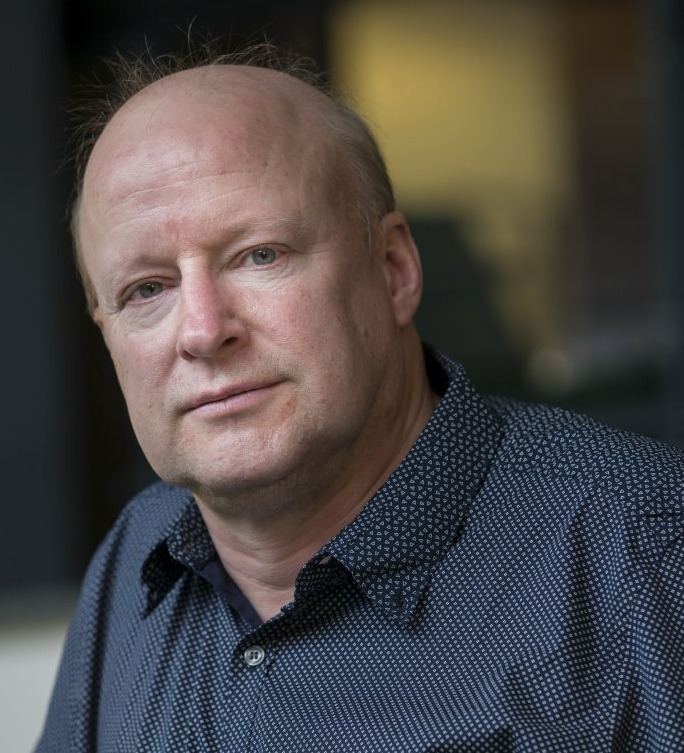
Toward Quantum Computing with Magnons
Prof. Bart van Wees (Zernike Institute) is a co-applicant in this project led by Prof. Yaroslav Blanter (Delft University of Technology) and has been awarded EUR 350,000 to fund a 2.5-year postdoctoral position within his research group. The project aims to merge spintronics and quantum computing by developing magnetic quantum bits (qubits). These qubits could offer improved scalability compared to existing technologies, contributing to the development of large-scale quantum computing systems.
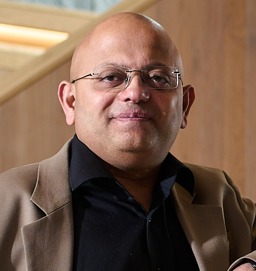
Cross-Paradigm Orchestration of Quantum Computers, Neuromorphic Chips, and Conventional Accelerators
Dr. Farhad Merchant (Bernoulli Institute and CogniGron Centre), is co-applicant in this project led by Prof. Ana-Lucia Varbanescu (University of Twente) and has been awarded EUR 355,000. The research focuses on integrating different types of computing hardware—such as CPUs, GPUs, quantum processors and neuromorphic chips—into a single system. The team is developing software that assigns computational tasks to the most suitable hardware, enabling more efficient and flexible supercomputing.
Strengthening international collaboration
The projects are part of a broader initiative by the Dutch Research Council (NWO) and the Japan Science and Technology Agency (JST) to strengthen collaboration in high-tech research. By bringing together complementary expertise from both countries, the programme supports the development of next-generation computing technologies that are faster, more efficient and scalable.
Through these collaborations, researchers aim to create viable alternatives to current chip architectures and address the growing global demand for computing power. The programme also contributes to building long-term international research networks in key technological domains.
More news
-
25 September 2026
NASA selects infrared space telescope PRIMA featuring Dutch technology
-
-
24 September 2026
Arjan van der Schaft receives IEEE Control Systems Award