
What the smell of the sea does to the clouds above Antarctica
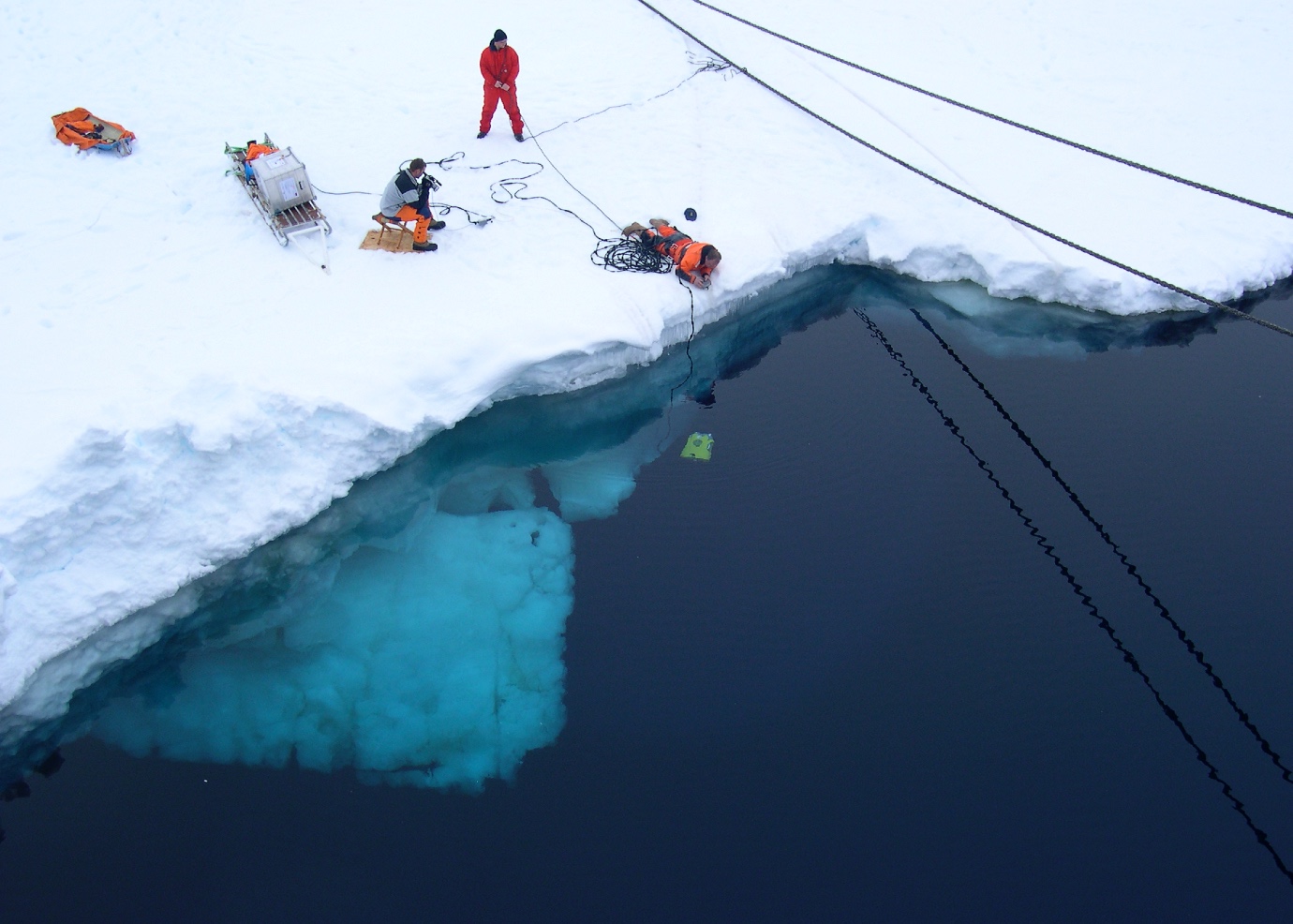
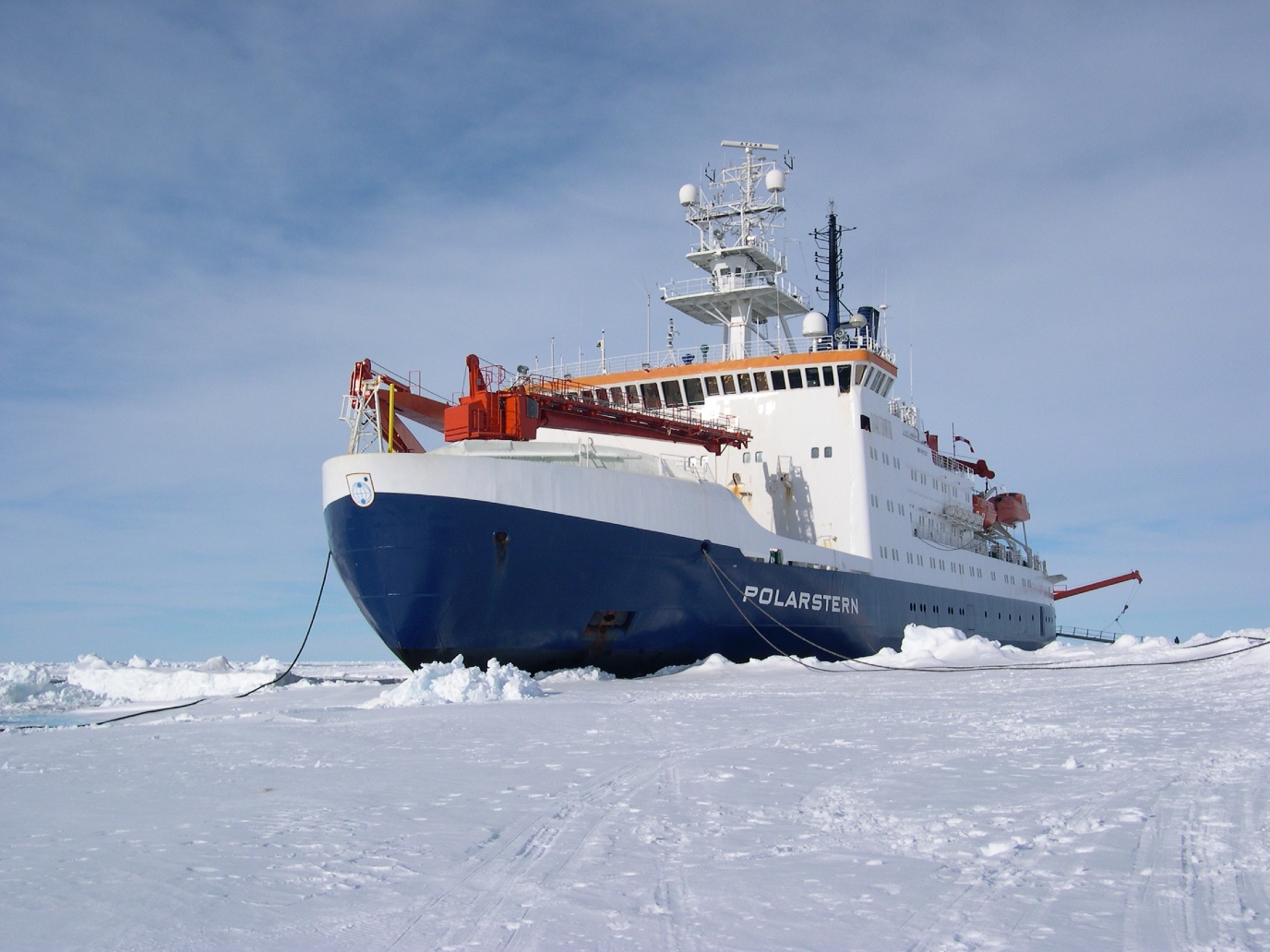
On 15 December, Jacqueline Stefels and Maria van Leeuwe boarded the Polarstern icebreaker of the German Alfred Wegener Institute (AWI) for an expedition to Antarctica. During the expedition, they will work with an international team of scientists to investigate the state of the biodiversity in the Weddell Sea. Stefels and Van Leeuwe are investigating the influence of sea ice and the composition of algal communities on the regional climate. They hope that their research will help to protect the biodiversity of the Weddell Sea.
FSE Science Newsroom | Leoni von Ristok
‘In order to make the Weddell Sea a protected marine area, we need to demonstrate that what the area has to offer is of great value to humans,’ says Stefels. ‘That means we have to translate the value of this ecosystem into dollars, because that is the only way to convince people that something needs to be protected.’
Stefels and Van Leeuwe are part of a larger team of scientists who are setting out on the Polarstern to map the biodiversity and ecosystem of the Weddell Sea. They are doing so within the Weddell Sea Observatory of Biodiversity and Ecosystem Change(WOBEC) European partnership. The aim of this project is to conduct a comprehensive assessment of the eastern Weddell Sea to support discussions within the Convention for the Conservation of Antarctic Marine Living Resources (CCAMLR) on designating the Weddell Sea as a protected marine area (WSMPA).
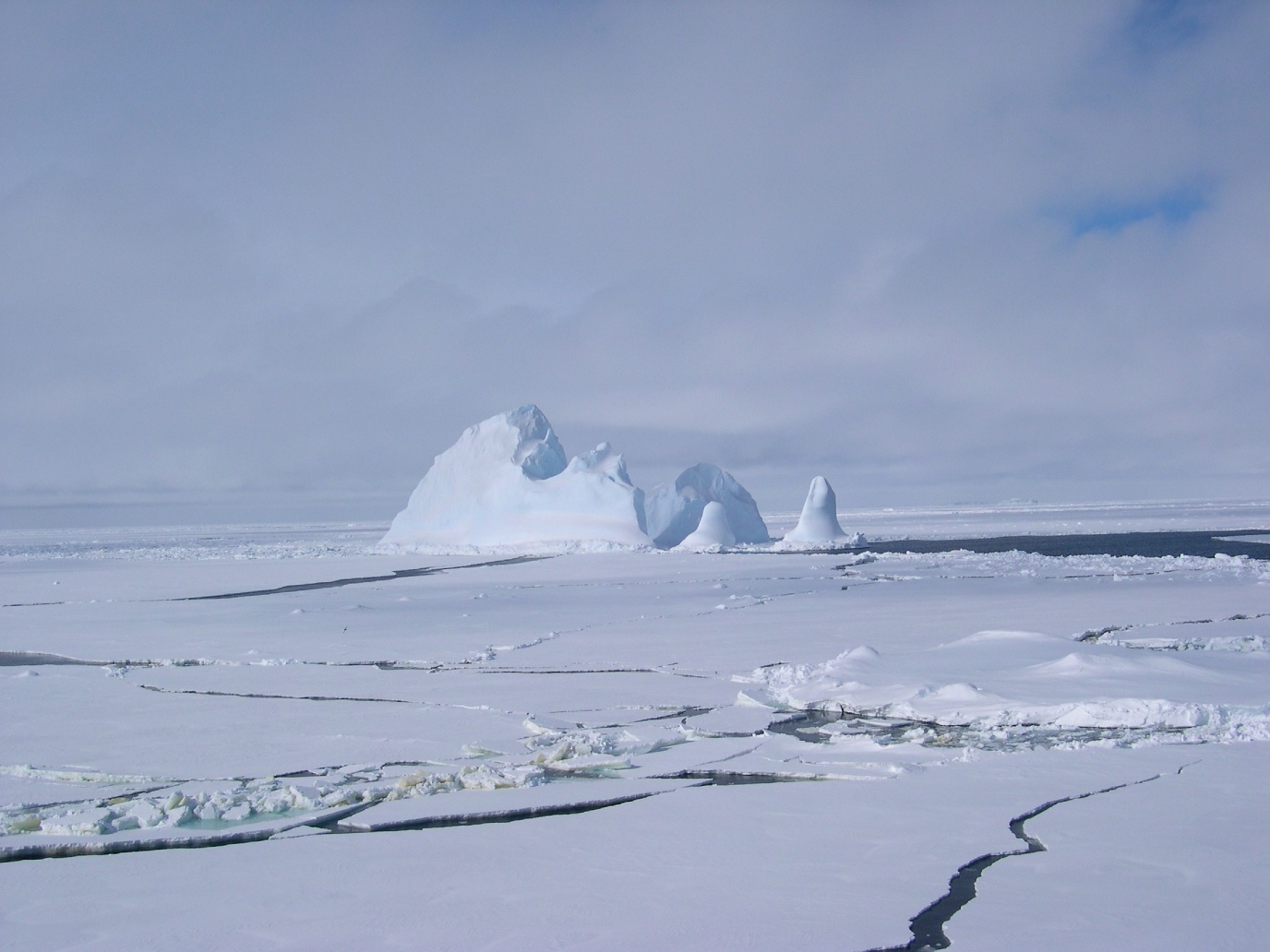
Antarctica, and specifically the Weddell Sea, has a special regional climate and an ecosystem that heavily relies on the biodiversity, which in turn is highly dependent on the sea ice there.
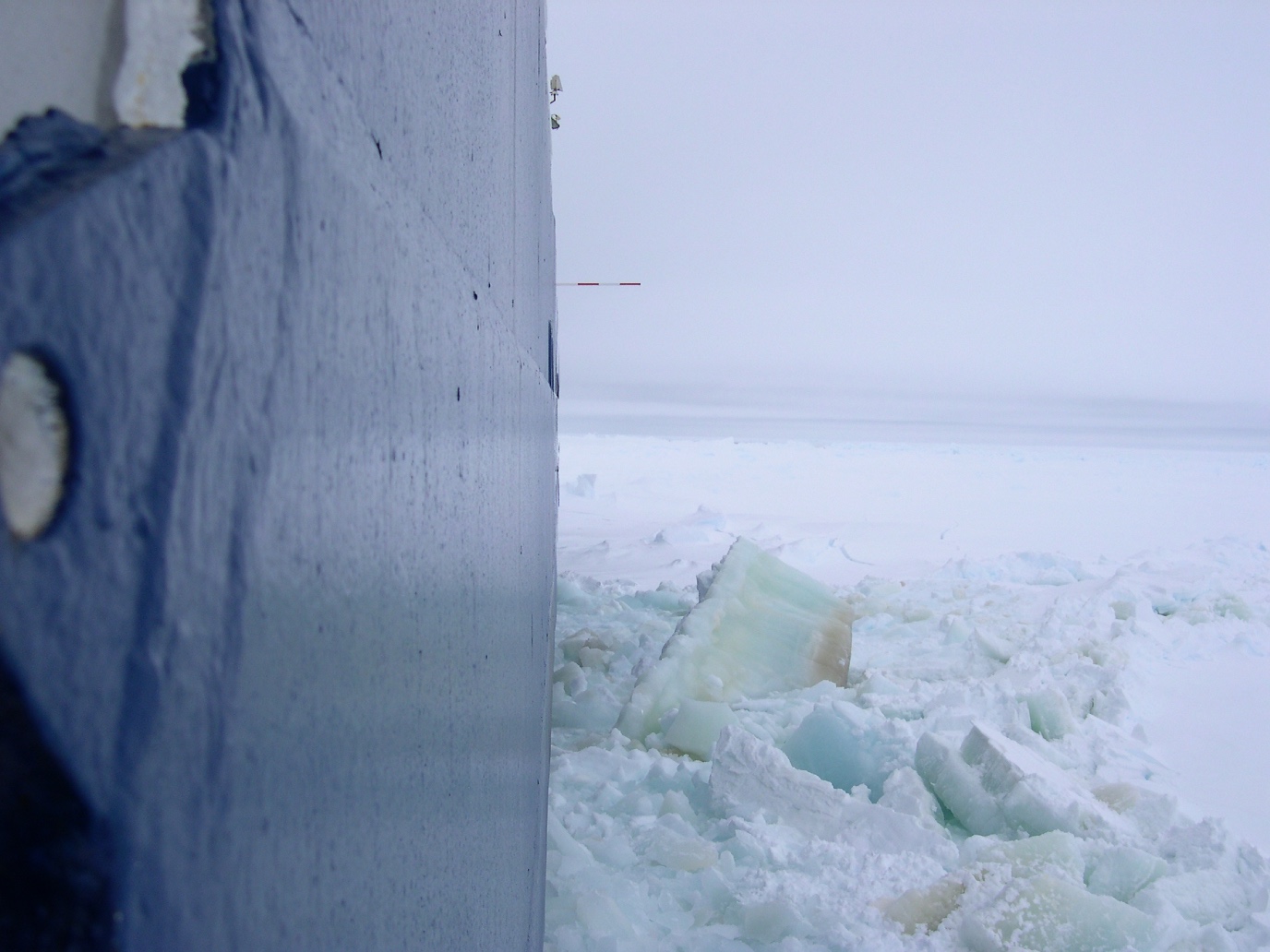
This sea ice also plays an important role in regulating the climate. It is formed from freezing ocean water and floats on the water surface. This distinguishes it from other types of ice on land, which are formed by the freezing of precipitation. The brown-coloured layer at the bottom of the sea ice is home to countless animal species and algae.
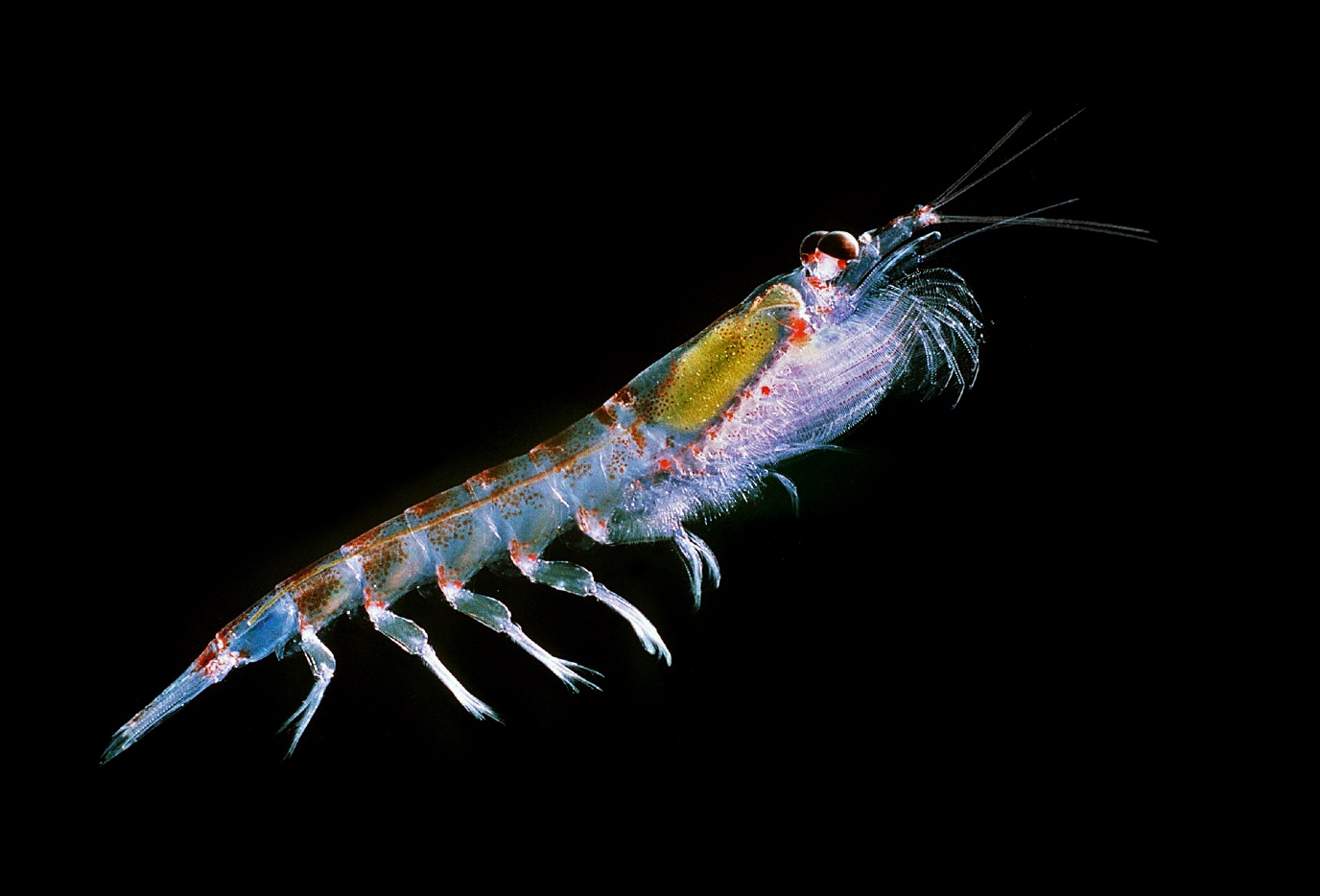
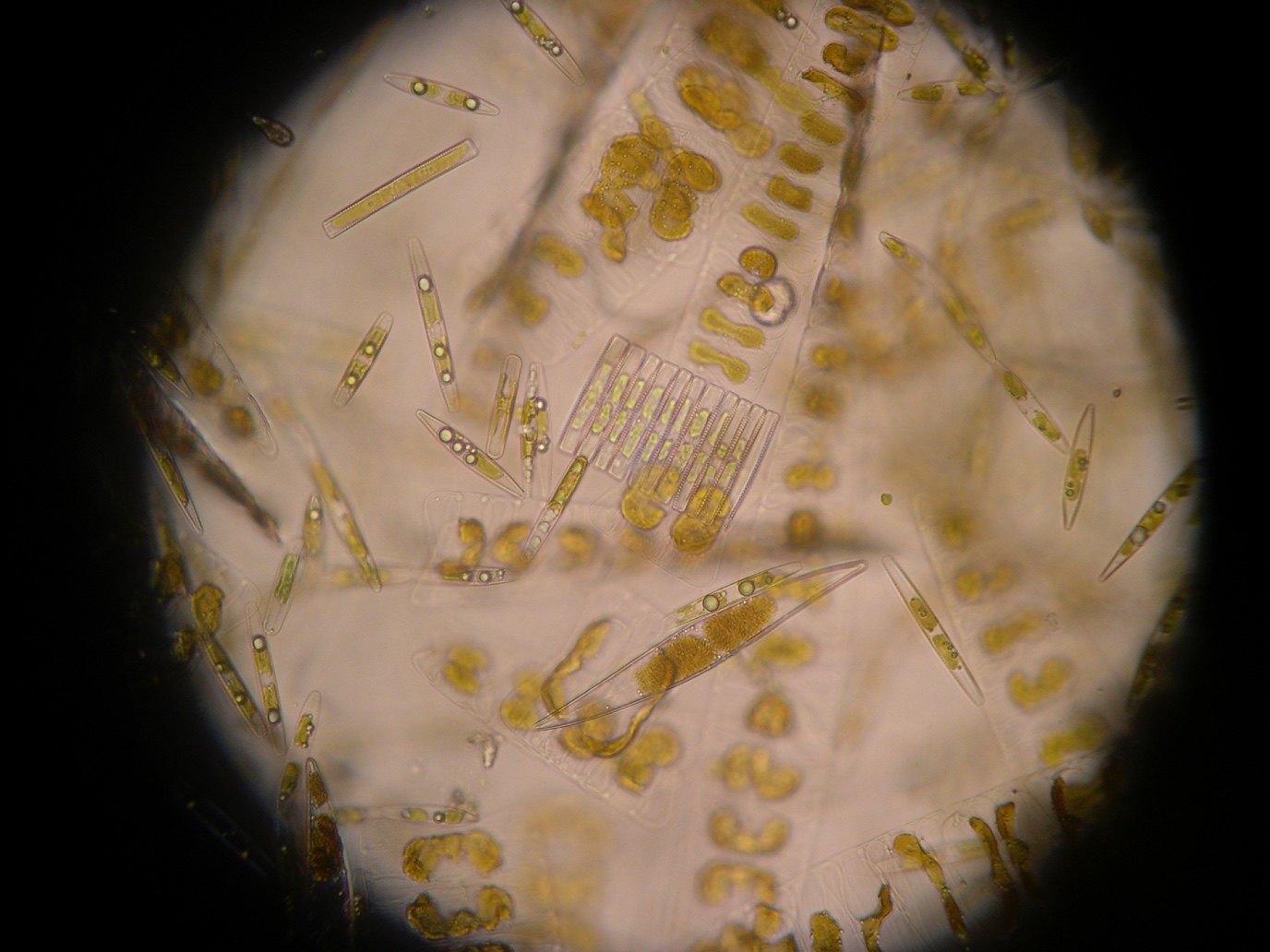
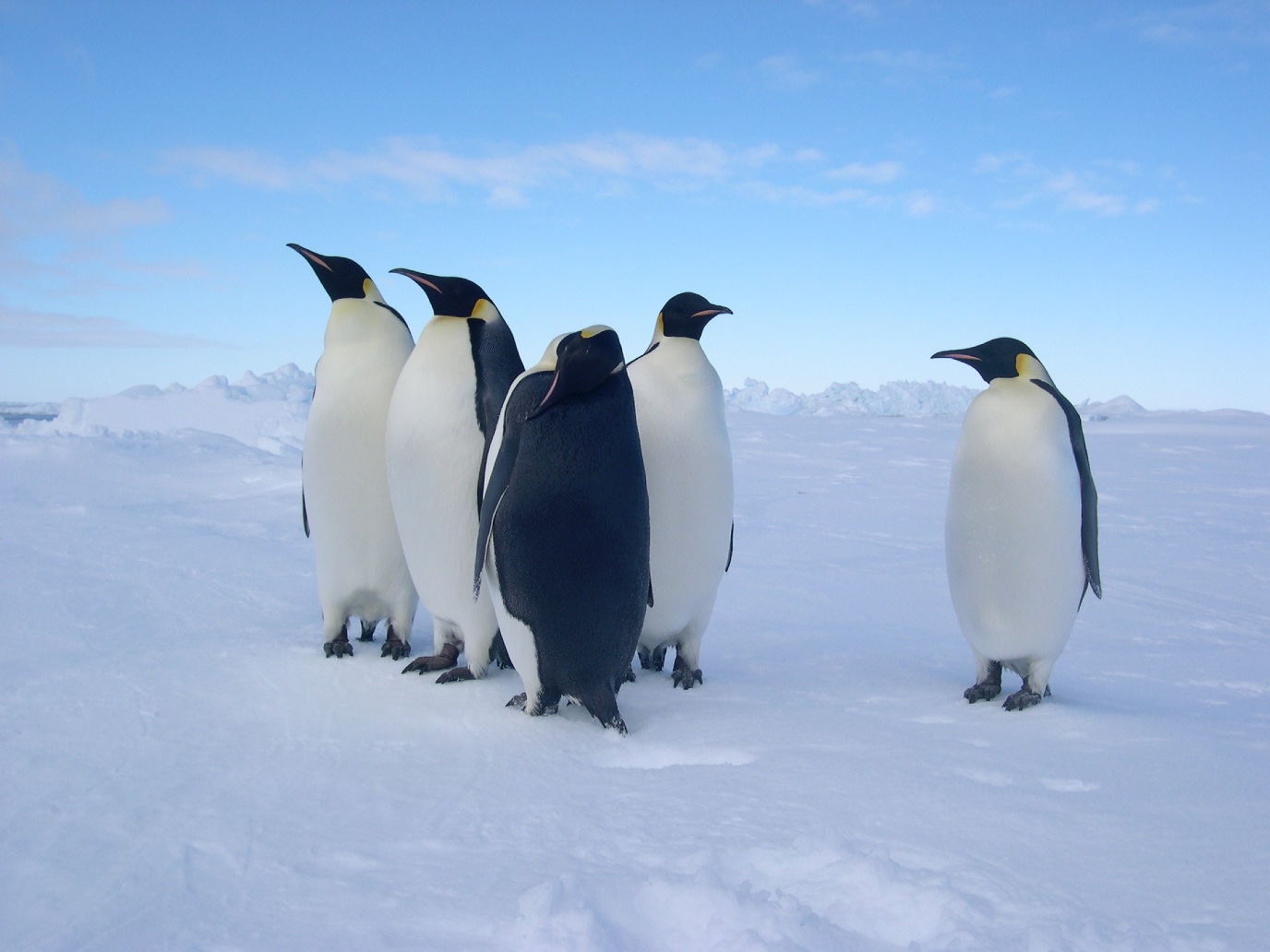
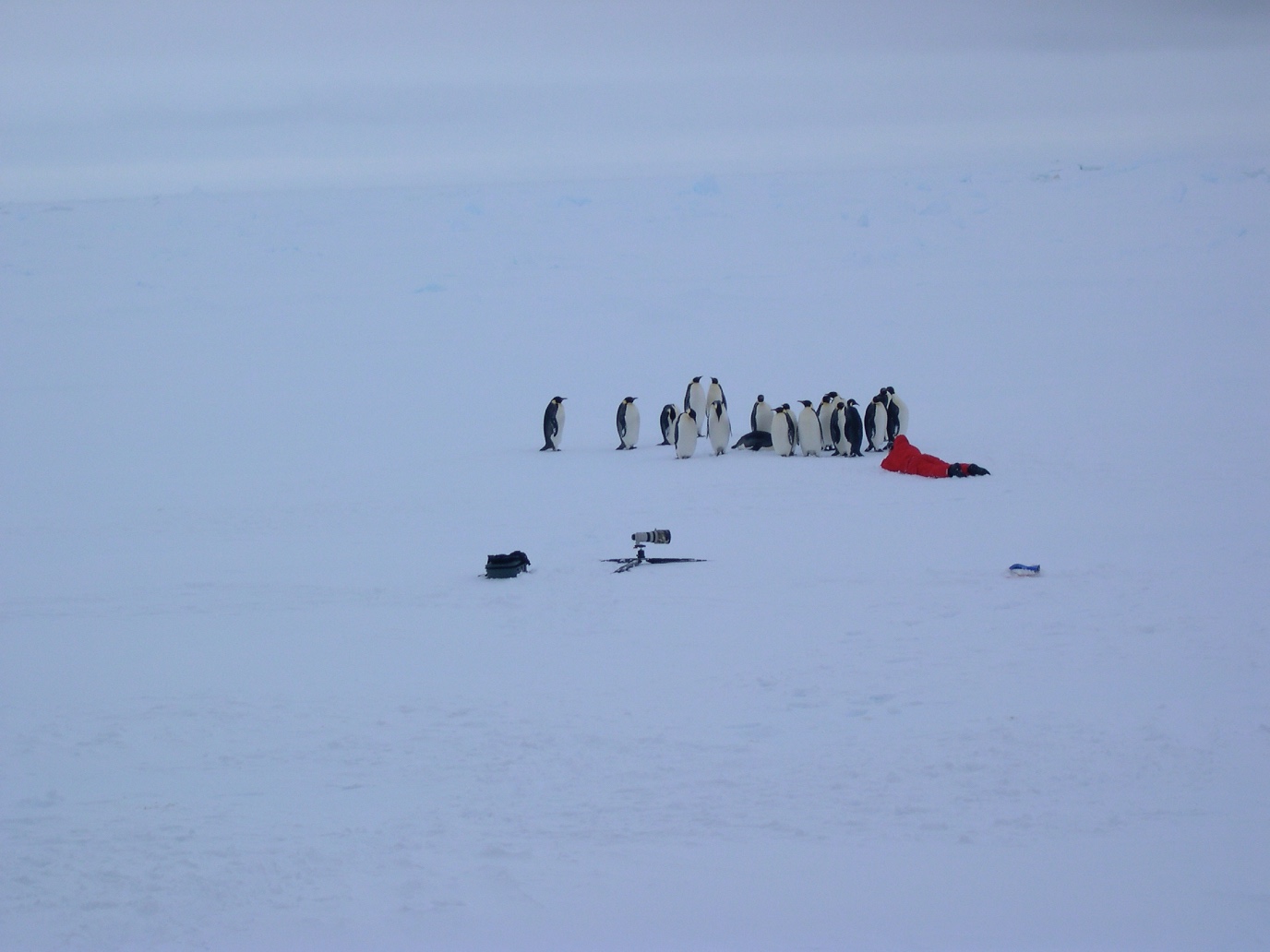
‘Krill graze on these algae like cows,’ says Stefels. ‘The sea ice is therefore the basis of the rich Antarctic food chain: enormous quantities of krill, marine mammals, penguins, and fish depend on the algae that thrive on the underside of sea ice.’
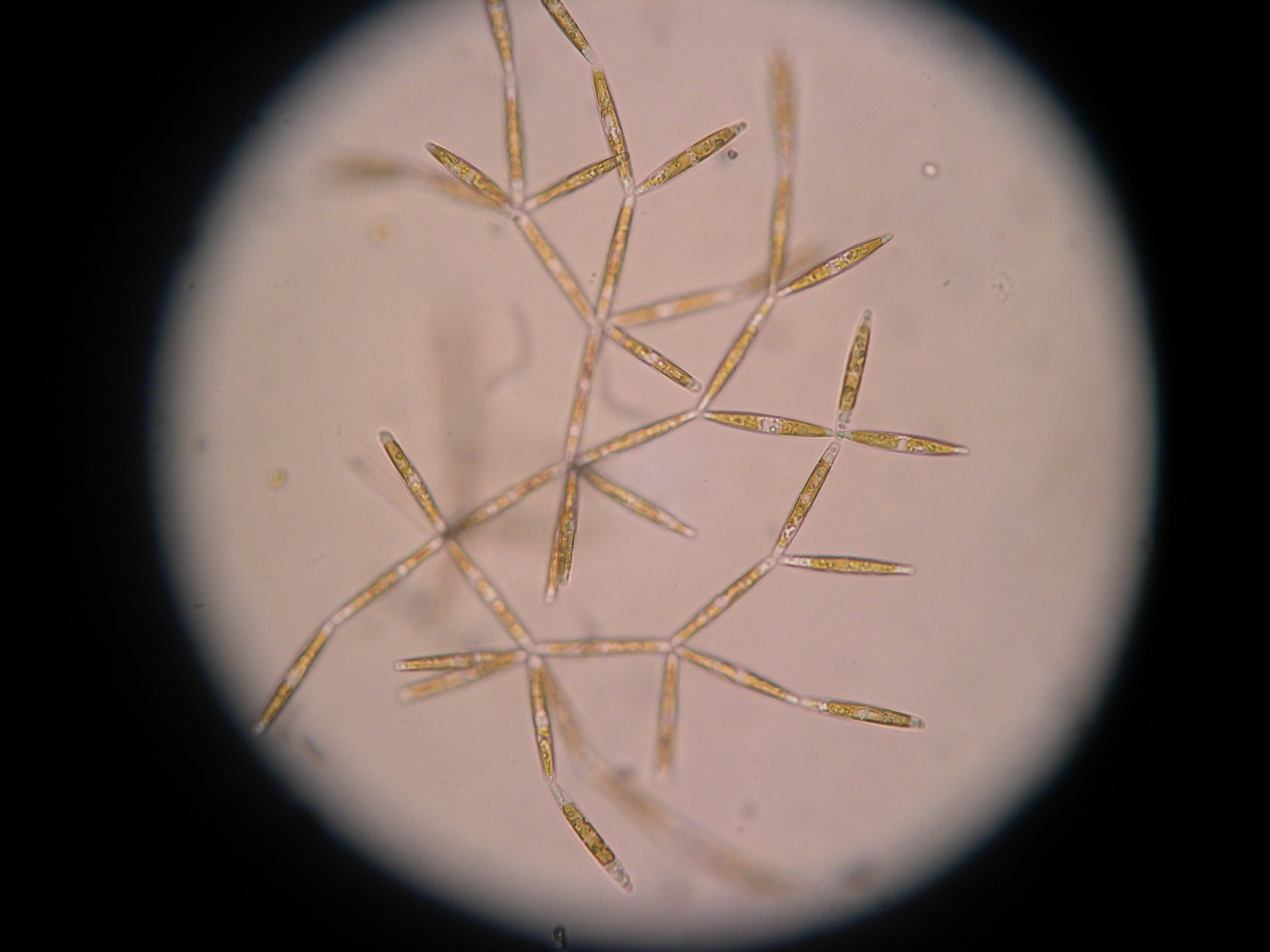
In order to survive in salt water at low temperatures, algae use dimethylsulphoniopropionate (DMSP). DMSP acts as an antifreeze and salt regulator.
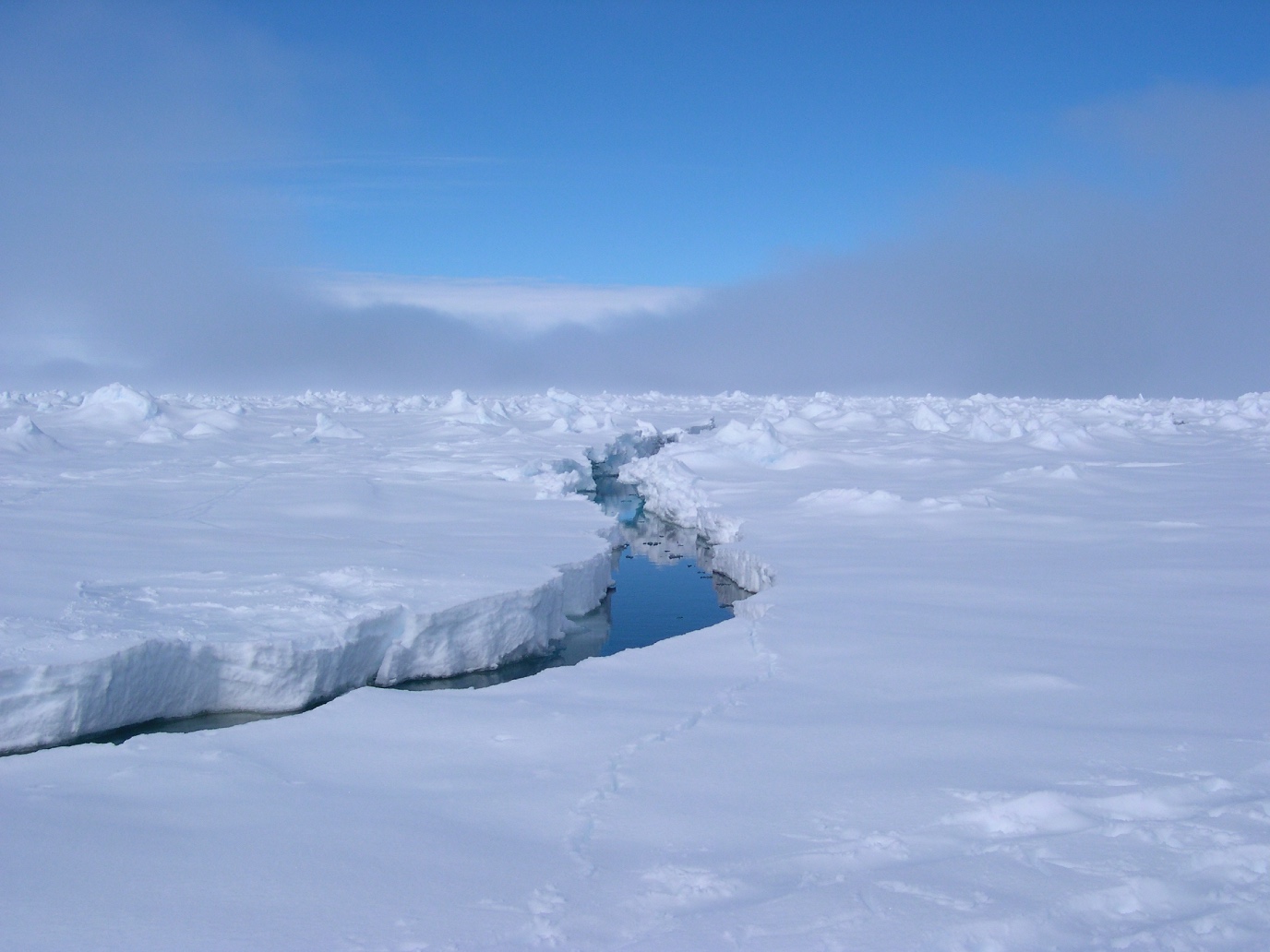
When temperatures rise and the algae die, DMS is released. DMS is a type of anti-greenhouse gas that can be stored in the atmosphere and can cause extra-dense cloud formation. Clouds block sunlight, thus contributing to a cooling effect and slowing global warming.
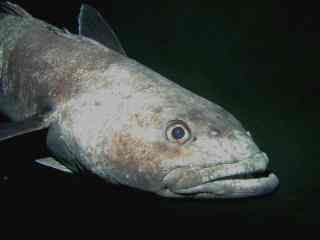
Krill are the keystone species of Antarctica. Behind the exploitation of these small shrimp-like crustaceans are multi-million businesses. ‘There are major and conflicting interests at play, which make the process terribly slow and complicated, because protecting the area would also mean, for example, that less fishing would be allowed,’ says Stefels.
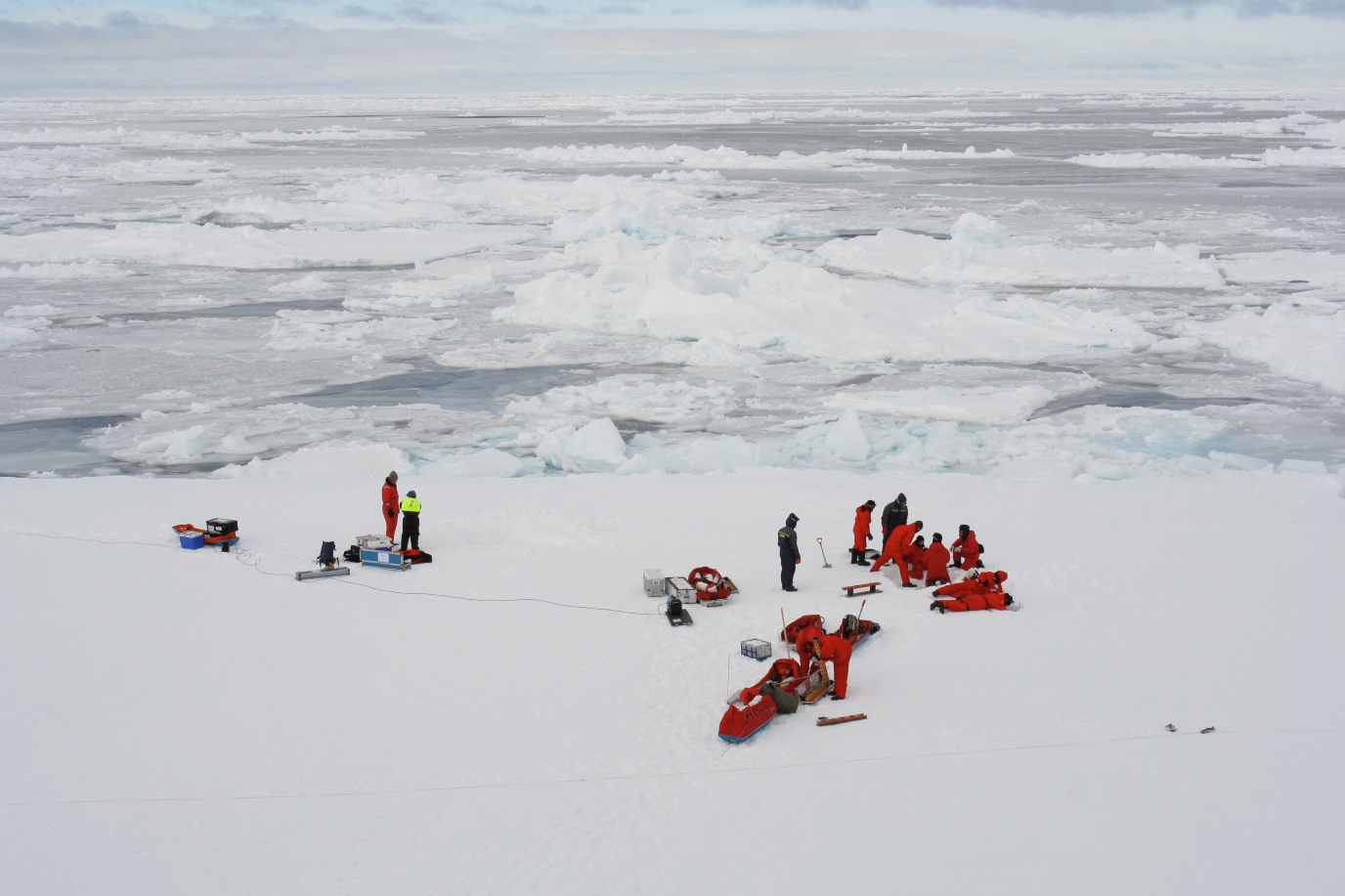
‘The Weddell Sea is one of the last largely untouched marine areas on our planet. It serves as a refuge for many cold-loving species in times of human-induced climate change,’ explains Dr Hauke Flores, marine biologist at AWI and coordinator of WOBEC. ‘With this research, we are laying the foundation for early detection of changes in this valuable ecosystem. And we are contributing to the development of effective strategies to protect this marine area.’
Follow the Polarstern live! Check out where it is right now, where it has been, what happened and is going on along the way.
More news
-
05 October 2026
How a swarm of mini-robots could save our infrastructure
-
01 October 2026
10th anniversary of Ben Feringa’s Nobel Prize
-
01 October 2026
Making stardust in the lab