
1.5 million NWO grant for open science platform for orbital calculations
The University of Groningen partners in a EUR 1.5 million funded research project from the Netherlands Organisation for Scientific Research (NWO) to develop an open science platform for orbital calculations in space research. The UG will receive EUR 670.000 for developing a digital platform which will be hosted by the Big Data handling AI and Robotics for Research (BDAIRR) group. The project is led by Dr. ir. Dominic Dirkx from Delft University of Technology.
The platform ‘General Open Orbital Dynamics (GOOD)’ will support progress in critical areas: from ensuring safe spacecraft operations to studying the origin and evolution of solar system bodies.
Open source in space research
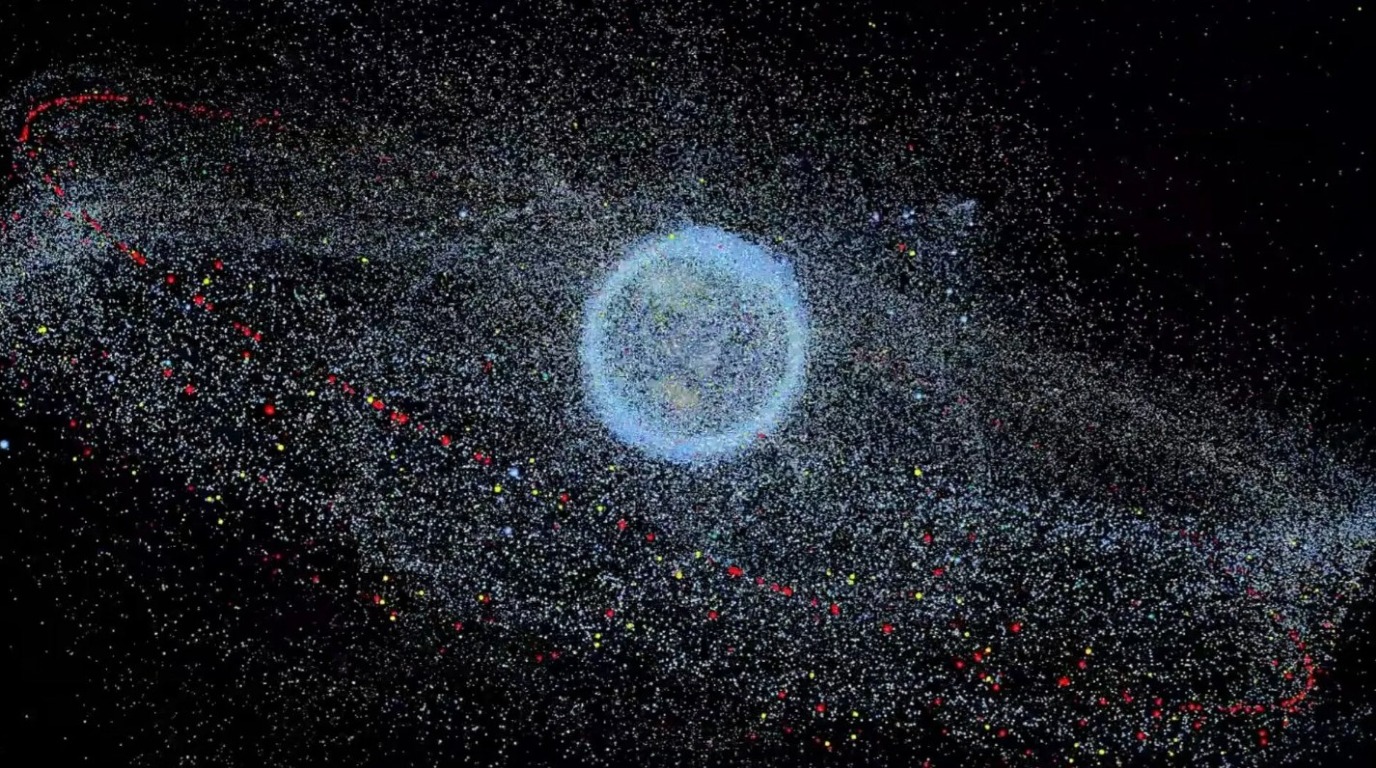
The platform will tackle a key barrier in space research: the lack of open-source, scalable software for complex orbital dynamics. It will integrate TU Delft’s open-source orbital dynamics software, Tudat, with the University of Groningen’s WISE-based scalable data-handling system, which provides complete data-lineage and reproducibility. The platform is expected to be released in open beta in two years, after which the final platform will be launched after three years.
Key participants from the University of Groningen and their contributions include:
Dr. Eduardo Balbinot, guest postdoctoral Researcher at the UG’s Kapteyn Institute, will be responsible for the large-scale analysis, focusing on the extraction of astrometry and asteroid data from major archives. His role will also involve exploring the synergies between this project and relevant astronomical applications.
Dr. Rees Williams from the UG’s Centre for Information Technology, is senior project manager in the research support domain. He will participate in the architectural design and in ensuring the final system is robust and scalable.
Dr. Gijs Verdoes Kleijn, research astronomer, lead OmegaCEN Astronomical Science Data Center, will lead the core development and co-lead dissemination/outreach efforts. His expertise is critical in adapting the robust WISE technology, currently used for astronomical sky surveys, for solar system use.
Fusion of expertise
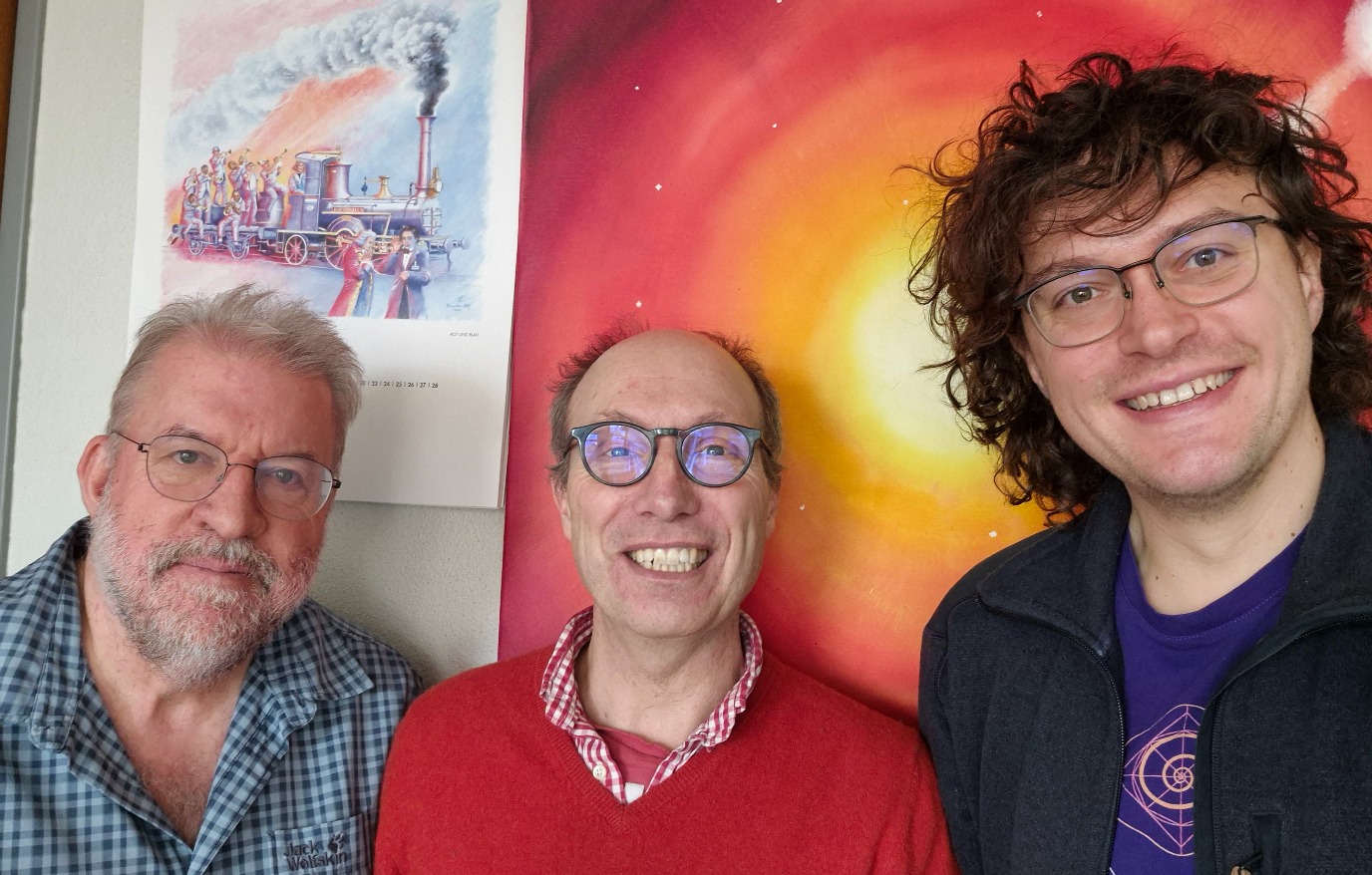
Dr. Verdoes Kleijn emphasises that the platform fuses across the country the expertises of groups in advanced Big Data handling expertise in precision astrometry and in dynamical orbit determination and says: 'What also excites me about platform, as a European citizen, is that it is an adventure in an innovative socio-economic field: ‘planetary security’.'
Dr. Balbinot (University of Leiden/Groningen): We are proud to bring Groningen's expertise in large-scale data handling to this pioneering effort in open science.
Partners
Multiple partners are part of the project, including ESA, DLR, DOA and TNO. The DCC plays a central role in linking the existing infrastructures of TU Delft and the University of Groningen. The GOOD platform will be deployed directly in ongoing projects, including high-precision orbit determination of space debris and monitoring the safety of satellites, alongside applications within planetary missions such as JUICE.
Read more
More news
-
25 September 2026
NASA selects infrared space telescope PRIMA featuring Dutch technology
-
-
24 September 2026
Arjan van der Schaft receives IEEE Control Systems Award