
University of Groningen Professor at COP30: ‘There is always drama’

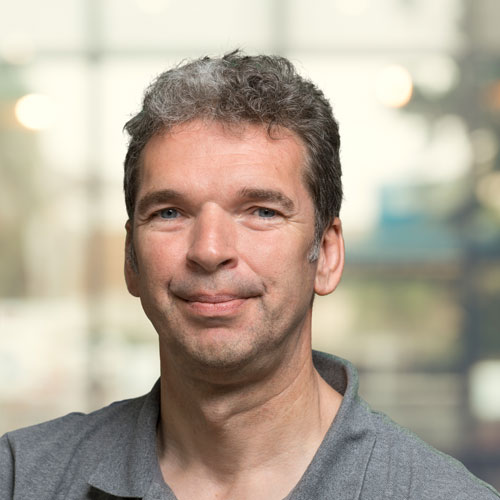
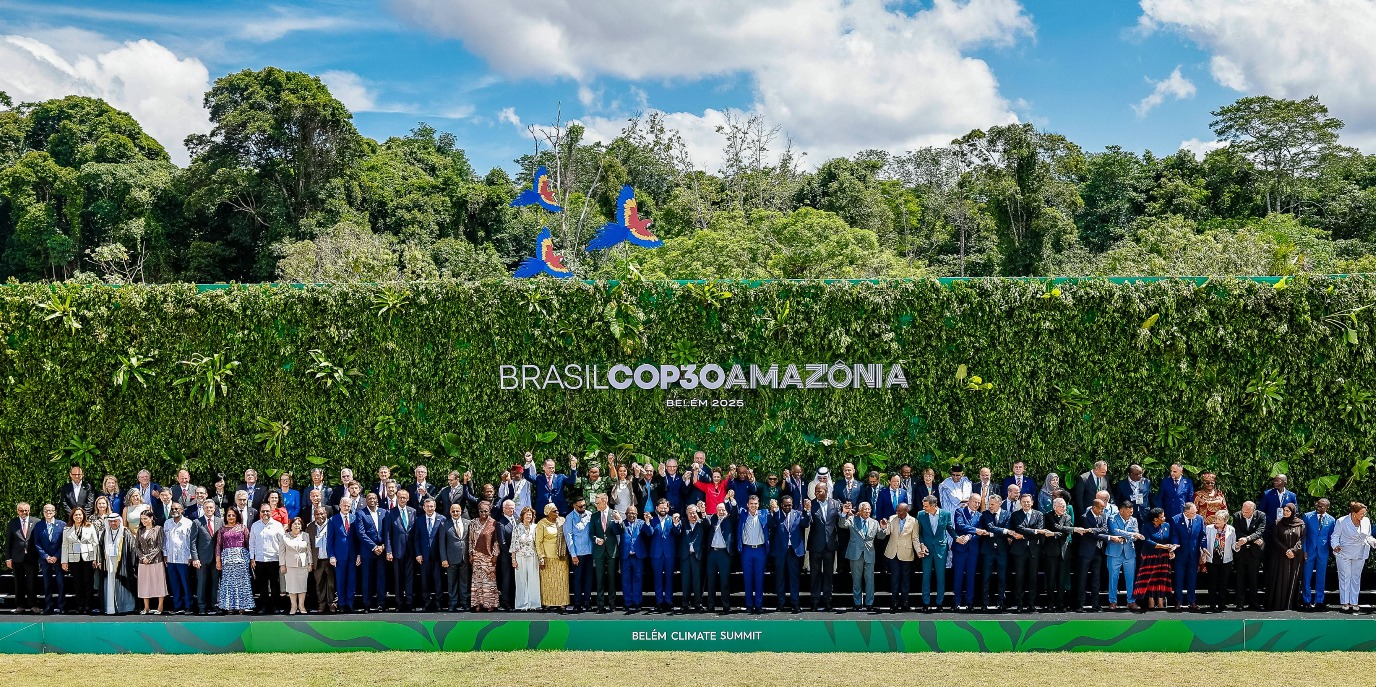
According to news reports, the annual climate conference COP30 in Brazil resulted in a weak deal. André Faaij, Professor of Energy Systems Analysis at the University of Groningen and Director of Science and Technology at TNO (Netherlands Organisation for Applied Scientific Research), attended the conference and saw many positive aspects. ‘There is always drama, but every COP does produce results. Eighty countries have committed to phasing out fossil fuels.’
FSE Science Newsroom | René Fransen
When you read the reports on COP30, it seems disappointing. This is because the final declarations of COP require a consensus among all participants and the interests of oil-producing countries, such as Saudi Arabia and Russia, are enormous. That is the weakness of the setup, but also its beauty, according to Faaij. ‘The final declarations may not be very strong, but in the meantime, the changes are continuing. Eighty countries have agreed to phase out fossil fuels. And we are seeing an acceleration in the growth of sustainable energy markets, which is leading to a continuous decline in costs.’
Flooding in Valkenburg
The success of the annual conference, attended by almost every country in the world, is clear to him. ‘At the first COP, the world was still heading for a rise in temperature of 6 °C by the end of the 21st century, but we are now on course for a rise of around 2.5 °C. That is still far too much, but we are making progress, and every tenth of a degree is important.’
He believes that the world is moving in the right direction. ‘In my field, I focus on how we can implement the transition to climate neutrality in a competitive manner. And I see that sustainability is increasingly competing with fossil fuels.’ Investments in sustainable energy are manageable, but the costs of climate change are not: ‘In 2021, we had a week of heavy rain, resulting in severe flooding in Belgium and Germany, while Valkenburg in the south of the Netherlands was also flooded. The damage of that week ultimately amounted to 36 billion euros!’
Climate change is my number one priority. If we don't tackle that, the rest is pretty much pointless.
The success story of electric cars
What's more, the EU imports 500 billion euros' worth of fossil fuels every year. ‘If we replace this with sustainable sources, such as wind, solar, and biomass, we can spend that money within Europe. That's a huge opportunity.’ He points to the success story of electric cars. ‘China has gone all in on this. But Europe is still partly stuck in the traditional car industry and has, therefore, missed the boat.’ The same applies to the US, which is now fully committed to oil and gas. ‘For the EU, the energy transition is actually an opportunity,’ says Faaij.
What does he expect from the Netherlands, where a new government is currently being formed? ‘Last week, I visited the Ministry of Climate Policy and Green Growth to discuss the possibilities of a biobased economy. A number of those present had also been at COP30, and we all told the same story. Hopefully, this will serve as input for the formation of the new government.’ Faaij believes it is important for the Netherlands to fully commit to sustainable energy: ‘Climate change is my number one priority. If we don't tackle that, the rest is pretty much pointless.’
About André Faaij
From 2014 to 2018, André Faaij was Academic Director of the Energy Academy Europe in Groningen, which brings together education, research, and innovation in the field of energy, and a Professor at the University of Groningen. In 2018, he became the Director of Science and Technology and Principal Scientist at TNO Energy and Materials Transition. He also remained a part-time Professor with the Integrated Research on Energy, Environment and Society (IREES) research group at the Faculty of Science and Engineering at the University of Groningen. He is also a part-time Professor at Utrecht University.
More news
-
-
17 September 2026
NWO-KIC funding for new route to sustainable biocatalysts
-
15 September 2026
Enzymes break down textile fibres into useful resources