
Onderwijs en rankings
De Faculteit Wijsbegeerte heeft een uitstekende internationale reputatie. Hoewel we ons zeer bewust zijn van de beperkingen van rankings, is het vermeldenswaard dat de SciMago Global Subject Ranking van 2024 ons op nummer 16 wereldwijd plaatst. Benchmarking van publicaties laat zien dat onze onderzoekers belangrijke bijdragen leveren en zeer zichtbaar zijn in veel kerngebieden van de filosofie, zoals argumentatietheorie, Kant-onderzoek, en in vele andere domeinen.
Een topopleiding in Nederland
Sinds het ontstaan van de Keuzegids Universiteiten en de Beste Studies ranglijst van Elsevier wordt Filosofie in Groningen consequent als één van de beste in het land beoordeeld, regelmatig als dé beste.
Onderzoek en onderwijs zijn bij ons nauw met elkaar verweven. De meest recente visitatiecommissie, onder leiding van Prof. Dr. Frank Veltman, constateert dat de Groningse faculteit "haar gevestigde en gerechtvaardige reputatie van uitmuntend onderzoek heeft behouden". Hij prijst de hoge kwaliteit en het internationale karakter van het onderzoek, alsook het grote succes in het verwerven van NWO-onderzoekssubsidies.
Filosofie
De bacheloropleiding Filosofie is breed en klassiek. Zo wordt verspreid over de hele propedeuse de geschiedenis van de filosofie van de Presocraten tot en met Wittgenstein gedoceerd. Ook het aanbod van systematische vakken is breed: logica, wetenschapsfilosofie, kentheorie, sociale filosofie, cultuurfilosofie, politieke filosofie en ethiek. De masteropleiding Filosofie biedt specialisatie in een van de drie afstudeerrichtingen: Geschiedenis van de Filosofie, Theoretische Filosofie, of Ethiek, Social en Politieke Filosofie
Voor getalenteerde studenten die een carrière in de wetenschap ambiëren, verzorgt de faculteit een 2-jarige Research Master Philosophy.
Filosofie van een bepaald Wetenschapsgebied
De bachelor- en masteropleidingen Filosofie van een bepaald Wetenschapsgebied zijn bedoeld voor studenten die al aan de universiteit studeren en die hun wetenschapsgebied filosofisch willen verdiepen. Het betreft dus een gecombineerde Bachelor studie.
Hieronder vind je testimonials van onze alumni. Deze geven een aantal voorbeelden van wat je met filosofie kan doen.
Jona Janssen
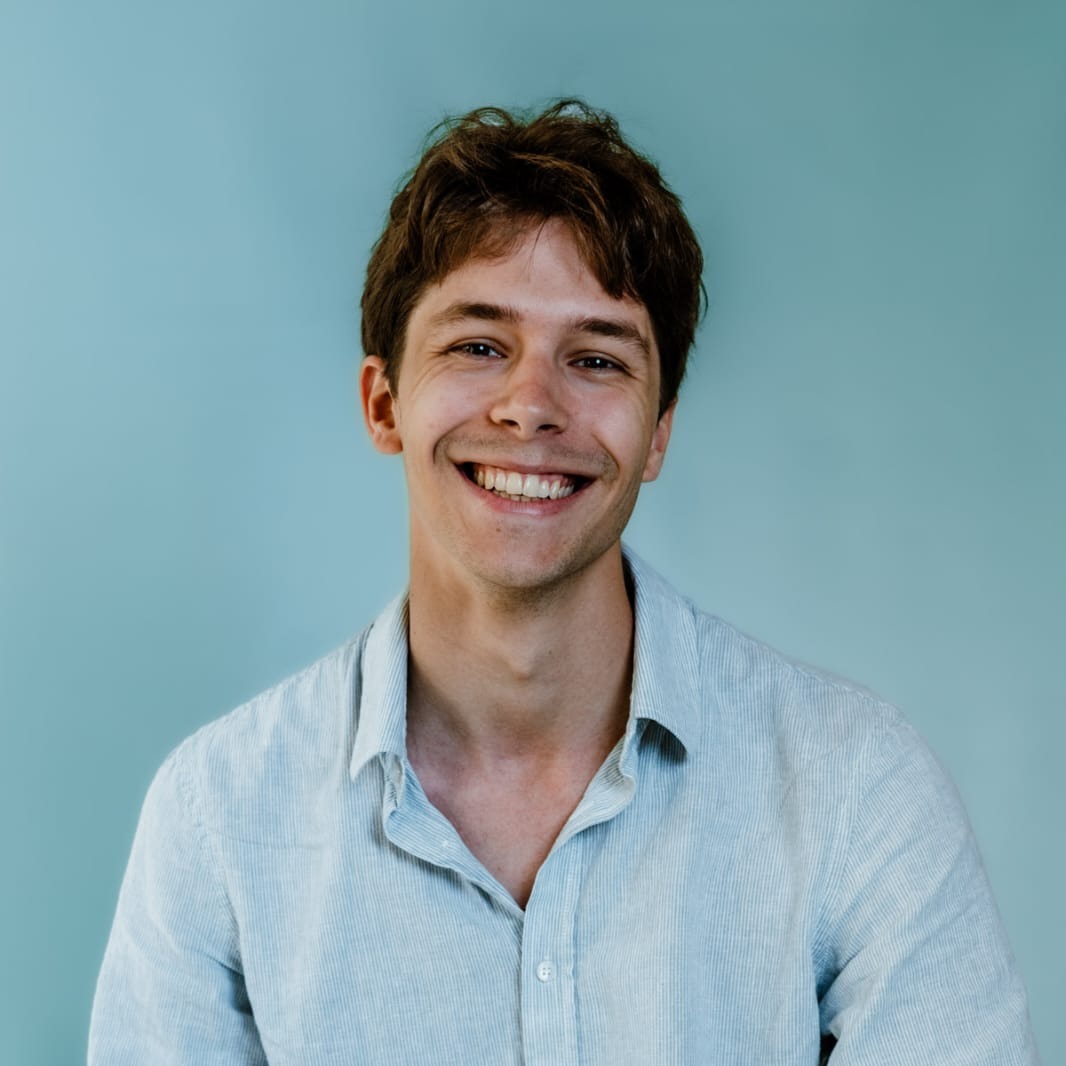
From 2019 until 2025 I studied philosophy in Groningen. First the bachelor, and then the research master. I went to Groningen because of its reputation and its friendly, cozy and collaborative atmosphere. Among philosophers, Groningen is well known for its analytical rigour, high-profile researchers and diverse range of strengths (researchers at this faculty gather disproportionally large sums of research grants and prizes, among which 2 Spinoza prizes (!!)). In applied philosophy (ethics, politics), as well as in theoretical philosophy and in history of philosophy, Groningen hosts several researchers who are leaders in their respective fields. The quality of the research is reflected in the education: students learn directly from top-level experts. Furthermore, philosophers from the University of Groningen are well-embedded with research groups from other faculties. For example, there are crossovers with biology, artificial intelligence, healthcare, physics, political science, mathematics, computer science, linguistics, et cetera, both in research and in education. I particularly enjoyed the courses on philosophy of AI, and ended up combining my philosophy degree with courses from both the AI programme, and the psychology programme. What's also appealing is that Groningen still has its own Faculty of Philosophy, which grants researchers and students a lot of freedom to pursue their interests, and fosters a unique, family-like atmosphere. It should be clear that I think this is really a fantastic place to study, and I would highly recommend it.
Regitze Zeelenberg
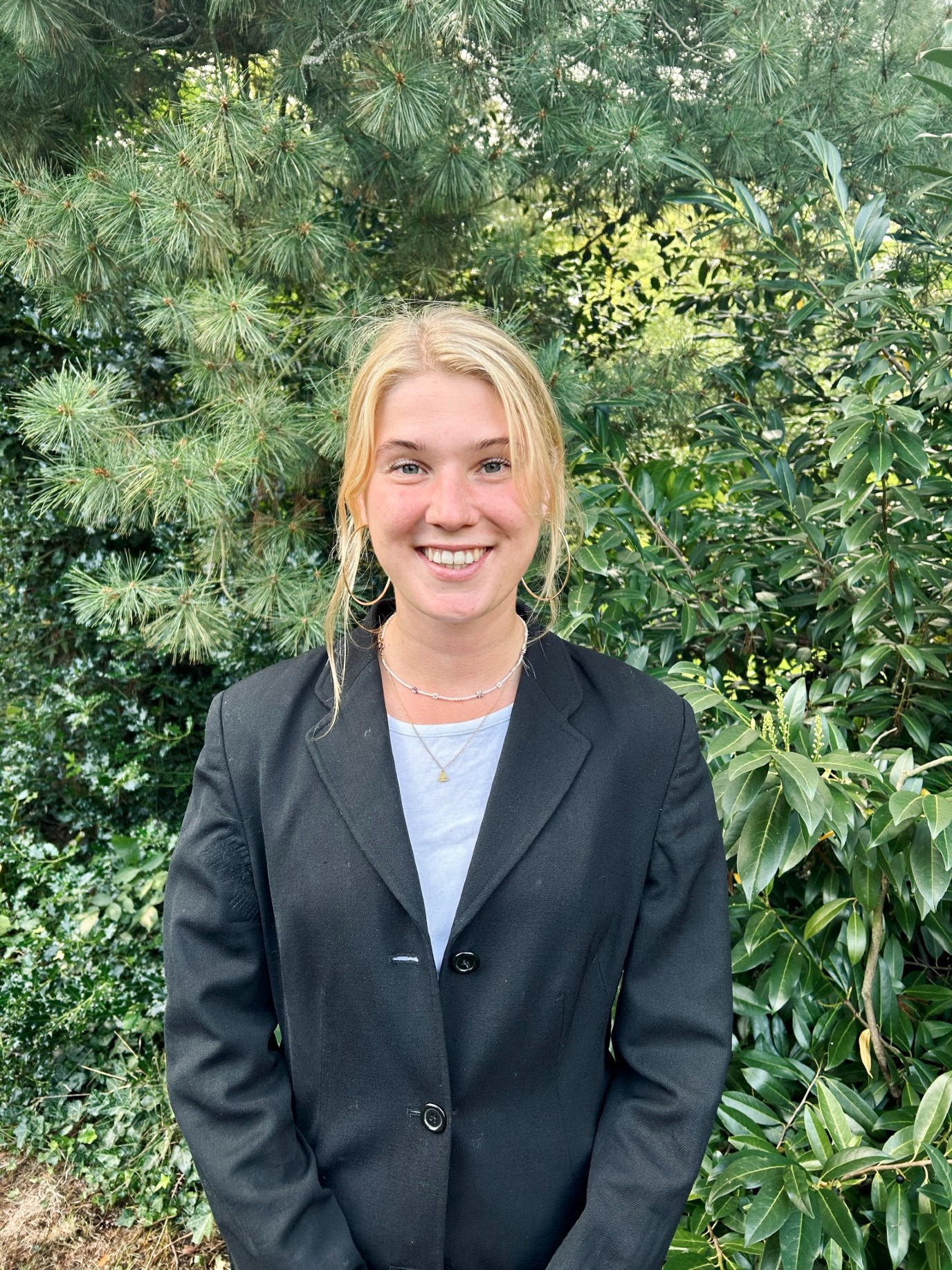
Van 2019 tot 2024 heb ik gestudeerd aan de faculteit Wijsbegeerte. Hier heb ik met veel plezier de bachelor Filosofie afgerond. In mijn studententijd heb ik de tijd genomen om ook andere passies naast studeren de ruimte te geven. Zo heb ik deelgenomen aan een denktankcommissie bij de gemeentelijk politieke partij Student&Stad en ben ik actief geweest bij mijn studentenvereniging. De faculteit heeft mij altijd de ruimte gegeven om mijn tijd in te delen. Mijn grote dank is dan ook aan de studieadviseurs die daarin altijd hebben ondersteund.
Hierna heb ik de master Philosophy Now aan de Erasmus Universiteit Rotterdam gevolgd en vanaf september 2025 ben ik begonnen bij het Jeugdeducatiefonds. Hier werk ik als Relatiemanager Gemeenten in het onderhouden van contact en het verbeteren van landelijke systemen voor kinderen die in Nederland in armoede opgroeien.
Filosofie lijkt hier in eerste instantie niet heel direct aan te raken, maar ik zie hoe de opleiding mij hier heeft gebracht. Systeemverandering is niet alleen technisch, het gaat ook om: welke waarden leidend moeten zijn; hoe beleid mensen raakt; en hoe we als samenleving met kwetsbare groepen omgaan. Door structuren te herkennen en beleid te analyseren is het mogelijk om verder te kijken dan alleen 'pleisters plakken'. Filosofie heeft mij geholpen om helder te formuleren, kritische vragen te stellen, complexe zaken begrijpelijk te maken en de kern van een probleem bloot te leggen.
Door middel van distributieve rechtvaardigheidstheorieën leer je bijvoorbeeld verschillende manieren om een eerlijke samenleving in te richten. De politieke filosofie heeft mij geleerd wat er echt toe doet. Hoe ik gemeentes kan uitdagen om verder te kijken dan alleen casus, namelijk: een persoon, en hier uiteindelijk beleid op aan te passen wat het verschil kan maken in een leven of iemands dagelijks bestaan.
Job de Grefte
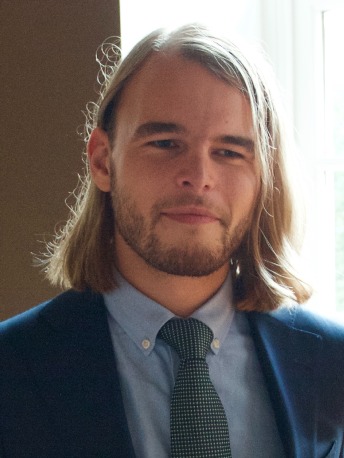
Met grote verwachtingen kwam ik in 2007 bij de Faculteit Wijsbegeerte aan. Ik had mijn eerste jaar van de studie Business Administration bij de Faculteit Economics and Business gedaan en ik keek erg uit naar wat abstracter materiaal; de faculteit stelde niet teleur. De Faculteit Wijsbegeerte is een kleine, vriendelijke plek met gedachtegoed van hoge kwaliteit. Ik denk met warme herinneringen terug aan het algemene introducerende vak dat studenten een 'taster' gaf van andere vakken die later gegeven zouden worden. In het algemeen vond ik de bachelor filosofie een uitgebreide introductie van de belangrijkste stromingen en soorten filosofie, wat een goede basis legde voor mijn uiteindeljke specializatie in mijn masterstudie.
Het was ook leuk; ik werd zo enthousiast dat ik me aanmeldde voor de researchmaster (ook bij de Faculteit Wijsbegeerte) en me alleen nog maar op filosofie ging focusen na hetafmaken van mijn studies Filosofie en Business Administration. De researchmaster was nog leuker, omdat je nauw contact hebt met en begeleiding krijgt van de docenten en omdat het een uitwisseling aanmoedigde (St. Andrews, in mijn geval). Het bereidde me voor op een academische carrière, met als eindresultaat een scriptie, waarvan een versie uiteindelijk gepubliceerd werd in een goed tijdschrift.
Na de researchmaster bleef ik aan de faculteit als PhD-student. Hier werd de steun van en het contact met de docenten nog intenser en vervaagde de grens tussen student en staf behoorlijk. Ik kreeg de mogelijkheid om les te geven en te helpen met manuscripts en het voorbereiden van stubsidies. Deze ervaringen waren cruciaal voor mijn carrièrepad: eerst als docent bij de Faculteit Wijsbegeerte en nu als assistant professor bij de Faculteit Economics and Business.
Caitlin Ionescu
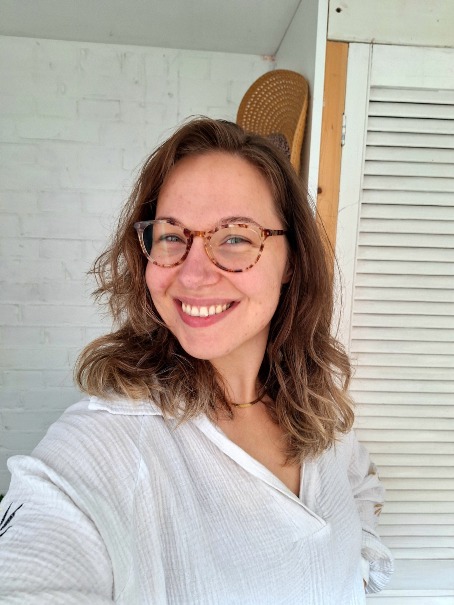
Ik heb aan de faculteit Wijsbegeerte gestudeerd van 2013 tot 2021. Ik heb eerst de Bachelor Wijsbegeerte gevolgd en direct daarna de Research Master. Deze heb ik niet afgerond: uiteindelijk ben ik overgestapt naar de Master Educatie Filosofie en daarin heb ik mijn masterdiploma gehaald.
Hierna ben ik 4 jaar lang werkzaam geweest als docent filosofie in het voortgezet onderwijs en op het hbo. Het mooiste aan het werken als filosofiedocent is dat je die vonk van verwondering kunt overbrengen op de nieuwe generatie. De materie die je hebt bestudeerd tijdens de studie komt in het klaslokaal ook echt tot leven en het erover in gesprek gaan met de leerlingen geeft energie. Frappant is wel dat in het filosofie-onderwijs het kritisch denken an sich eigenlijk het belangrijkste leerdoel is voor de leerlingen, maar dat dit tijdens de studie Wijsbegeerte zelf meer impliciet en al doende wordt aangeleerd. Dat vroeg ook een omschakeling in mijzelf en in hoe ik de filosofie benaderde, wat het beroep extra leuk maakte na de studie omdat er als het ware een dimensie bij kwam van wat filosofie ook is.
Toch ben ik uiteindelijk heel iets anders gaan doen: de werkomgeving van een school en de werkdruk pasten niet bij het leven wat ik op langere termijn wilde. Momenteel werk ik als coördinator bij het Openbaar Ministerie. De vaardigheden die ik als filosoof en als docent had geleerd, komen verrassend genoeg ook daar enorm goed van pas. Ook de strafrechtketen en justitie zijn gebaat bij een kritische blik, bij een vereniger van perspectieven, bij een steller van vragen, bij een discussiepartner, bij een overzichtshouder, en bij een kundig en geoefend lezer en schrijver. Er werken dan ook genoeg mensen bij het OM die filosofie hebben gestudeerd. Dit is voor mij bewijs dat de filosofie-inhoud tijdens de studie echt in dienst heeft gestaan van het in bredere zin vormen van een zelfstandig, kritisch denkend mens.
Ymko Braaksma
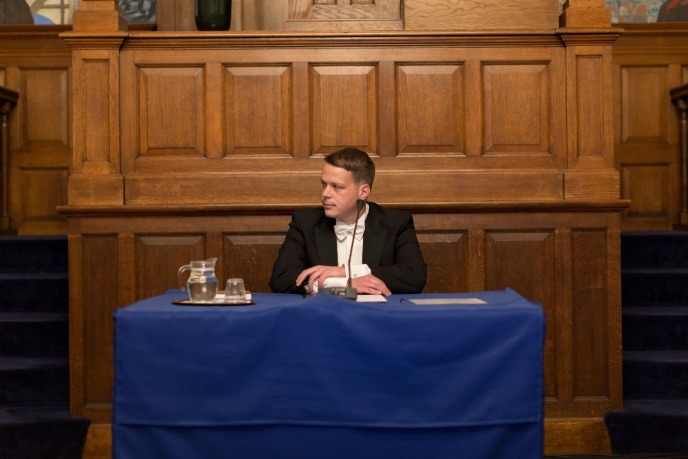
Bij Wijsbegeerte heb ik achtereenvolgens de bachelor filosofie van een bepaald wetenschapsgebied (2013-14), de onderzoeksmaster (2014-16) en een promotietraject (2016-22) gedaan. Ik richtte mij op de vakgebieden geschiedenis van de filosofie en geschiedfilosofie.
Eén van de vragen waar ik mij gedurende deze hele periode mee bezighield was: ‘Is het mogelijk om te leren van het verleden en, zo ja, hoe dan?’ De kennis die ik als gevolg daarvan heb opgedaan komt goed van pas bij mijn huidige werk voor Planbureau Fryslân. Daar help ik overheidsorganisaties om te leren van de uitvoering van hun eigen beleid. Bovendien ben ik bij het planbureau verantwoordelijk voor het doorontwikkelen van de methode van de lerende beleidsevaluatie. Hiervoor gebruik ik onder andere het werk van de filosofen John Dewey (1859-1952), R.G. Collingwood (1889-1943) en Frank Ankersmit (1945- ).
Daarnaast heb ik tijdens mijn studies een aantal vaardigheden ontwikkeld die ik vrijwel dagelijks kan toepassen. Voor de hand liggen zaken als kritisch denken, het nauwkeurig lezen en analyseren van teksten, en het mij kunnen verplaatsen in andere denkbeelden.
Maar het meest waardevol is vermoedelijk het kunnen denken in grotere verbanden. De filosofen die ik tijdens mijn studie heb bestudeerd waren vaak systeemdenkers: zij richtten zich op het hele spectrum van de filosofie, van metafysica tot ethiek en politieke filosofie, en bezagen die domeinen in samenhang. Om deze filosofen te begrijpen moest ik op een vergelijkbare manier gaan denken.
Een vaardigheid die goed van pas komt bij Planbureau Fryslân. In overheidsbeleid komen namelijk vaak ook meerdere domeinen samen - zoals economie, fysieke ruimte en sociale leefomgeving - die allemaal op elkaar inwerken. Bovendien ontplooien verschillende actoren, van burgers tot ondernemers en overheden, activiteiten die zich tot de domeinen en elkaar verhouden. Mijn filosofische opleiding helpt me om door de bomen het bos te blijven zien.