
Read our latest magazine articles
We have listed all our magazine articles from September to Christmas 2025. So you can read them again at your leisure during the holidays. In each article, a UG researcher talks about their field.
How AI can help people with language impairments find their speech?
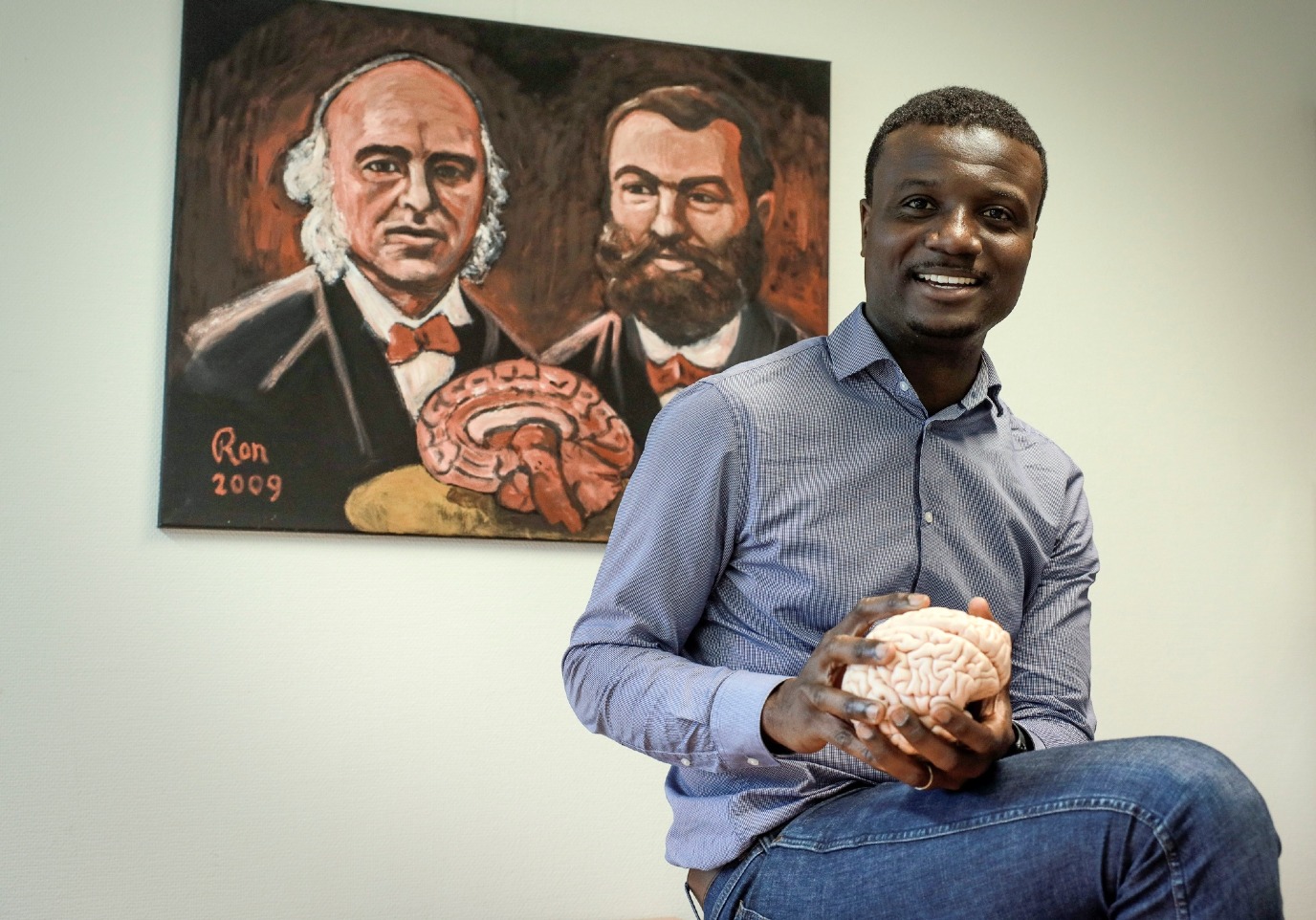
Ordering a coffee: most of us do this without thinking about it. For people with language impairments (such as aphasia), however, it can pose a serious challenge. What if AI-driven models could help these people – for example, with a smartphone app? Computational linguistics researcher Frank Tsiwah is exploring various ways to make this happen. ‘If it can make a single life better, then it will be worth it.’ Read more
Are robots the solution?
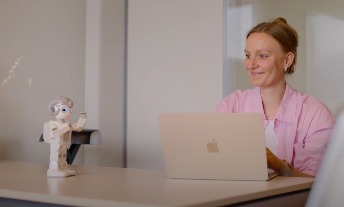
Robots are being used in more and more applications. In industry, at home, but especially in the service sector. Technological developments in this area are advancing rapidly, but our knowledge on how to best utilize robots in practice is lagging significantly behind, according to Jana Holthöwer. She studies the interaction between consumers and robots. ‘Robots are more than just technical tools – they shape how people experience care, support, and services. The key is not to use them in all circumstances, but to identify the moments when they actually add value.’ Read more
Trust in science requires integrity in communication
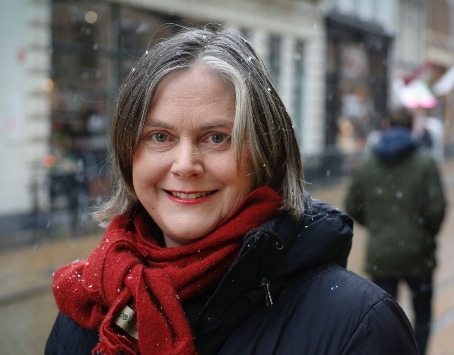
According to Leah Henderson, it is crucial that we uphold the principle that scientific research is based on evidence. She is a professor by special appointment in Societal Trust, and affiliated with the Rudolf Agricola School of Sustainable Development. ‘Nowadays, you often hear people say: ‘’Science is just another opinion.’’ I completely disagree with that.’ Read more
Millennials inherit billions — but actually receive the money too late
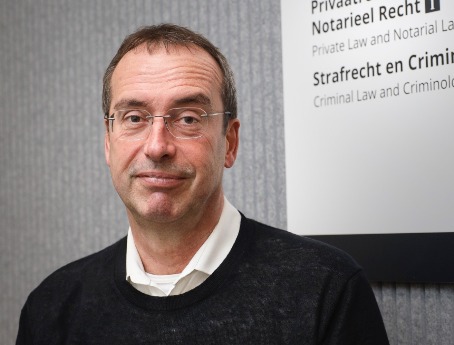
‘The size of inheritances doubled in fifteen years,’ ‘Millennials soon to be the richest generation ever,’ ‘Increasing disputes over inheritances’: the growing size of inheritances is receiving a lot of attention in the media. Professor Leon Verstappen advocates smart asset planning: ‘Why don't we make sure that children receive their inheritance when they really need it?’. Read more
What about the wife beater? How language reinforces harmful ideas
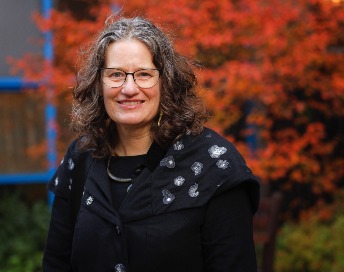
Words matter. This should come as no surprise to anyone interested in news, politics, science, or just about anyone who uses language in any form. However, it is about more than ‘just’ finding the right words so we can understand each other. The words we use can have negative connotations that reinforce harmful ideas. Nevertheless, there is also good news. According to Janet Fuller, Professor of Language and Society at the Faculty of Arts, we can also use words to challenge ideas and effect change in society. Read more
Farmland in crisis: ‘Try to understand each other’s points of view’
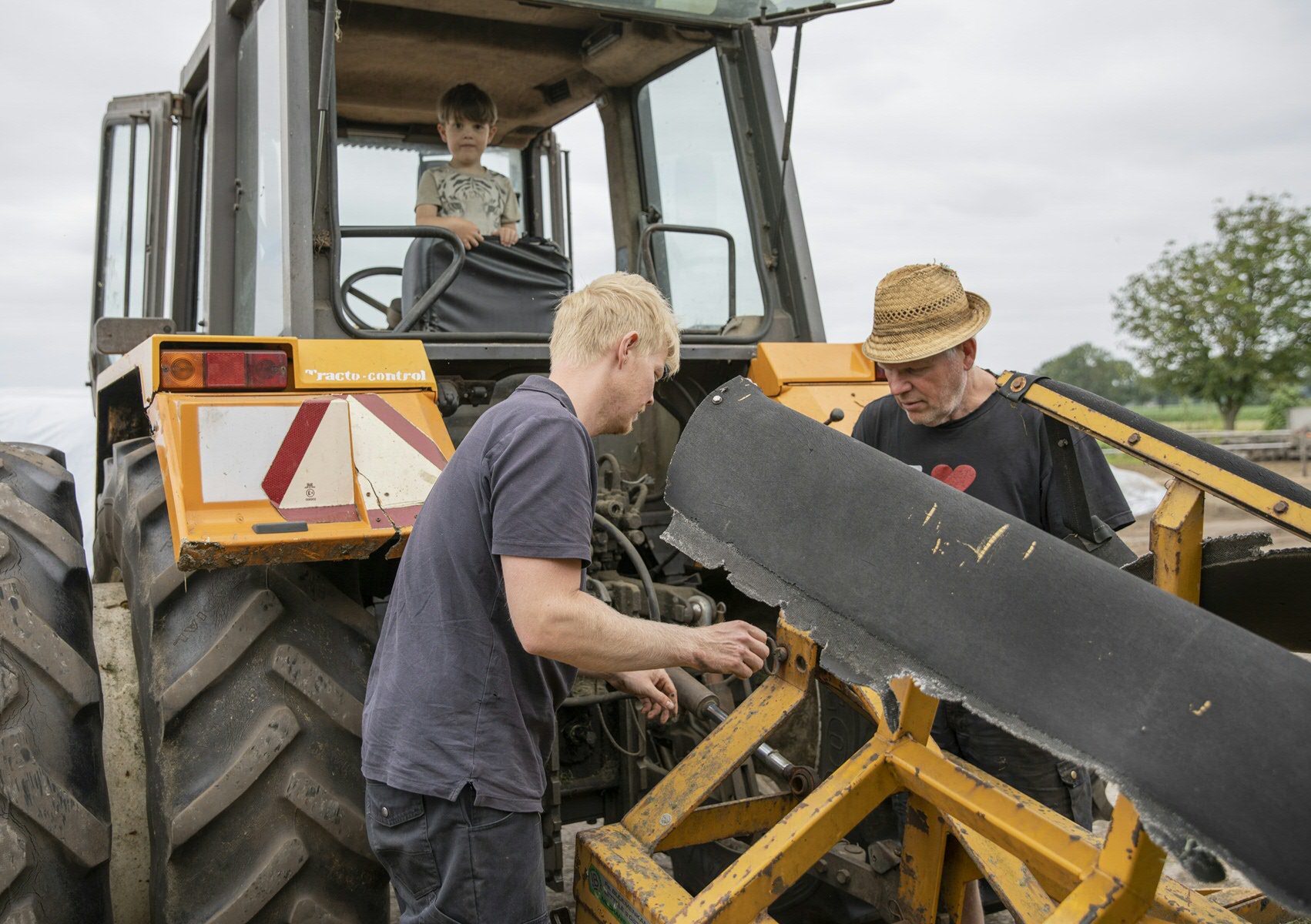
Biologists are sounding the alarm, farmers are protesting on the Malieveld in The Hague, and politicians are at loggerheads: ‘Netherlands farmland’ is having a tough time. So what is missing, and what is needed to put things right? Can science help? Two UG researchers from different disciplines sit down to talk to each other about this issue. Read more
AI Factory in Groningen advances digital sovereignty
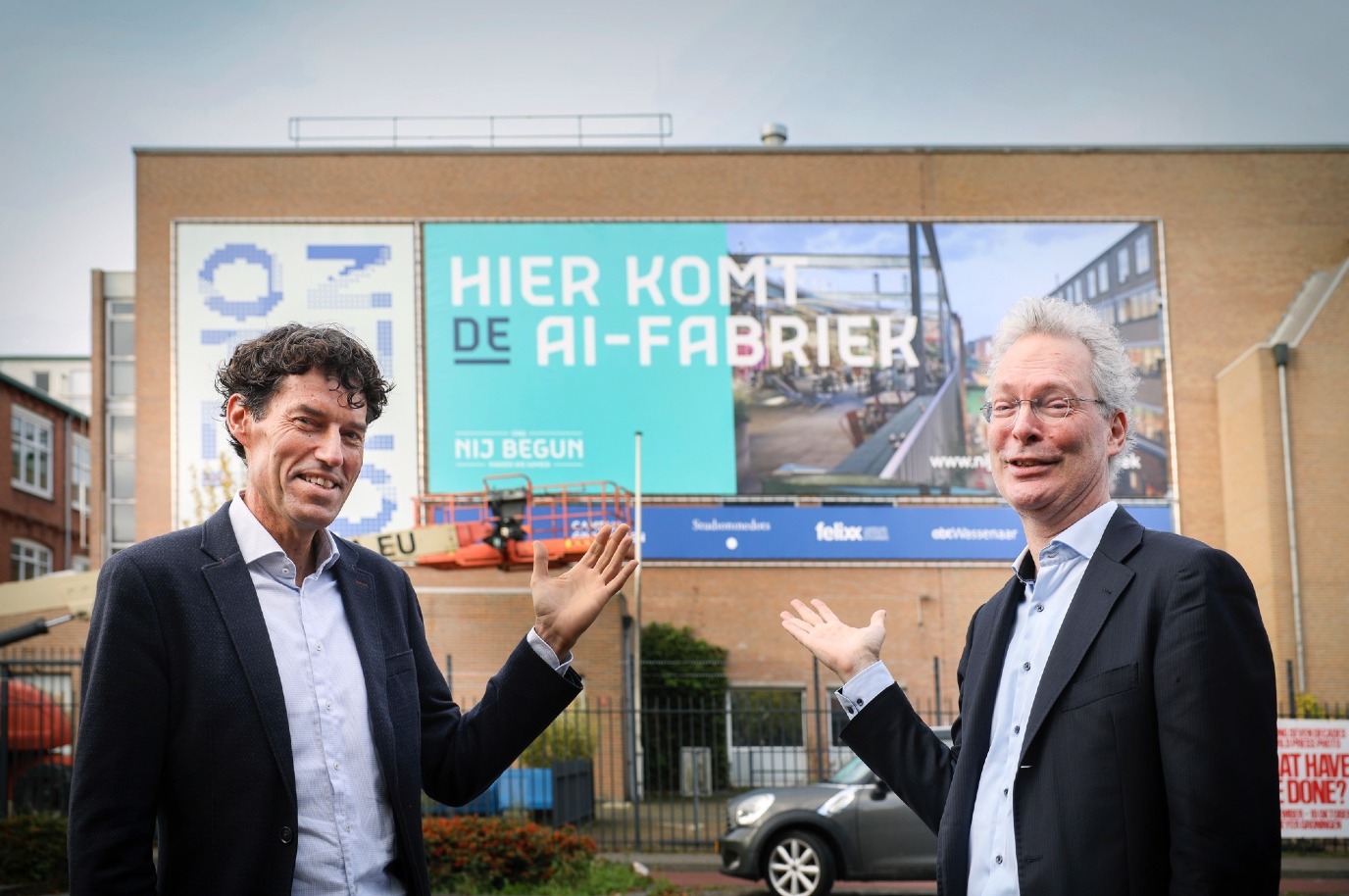
The European Union recently decided that an AI Factory will be established in the former Niemeyer building in Groningen. Ronald Stolk, senior advisor for IT collaborations and programme leader for the digitization of the Nij Begun economic agenda, and Bart Verheij, Professor AI and Argumentation at the UG and digitization figurehead at the Faculty of Science and Engineering, explain how the project came about. They also reflect on the academic backgrounds and social opportunities. Read more
‘Our core values must be prioritized when making digital choices’
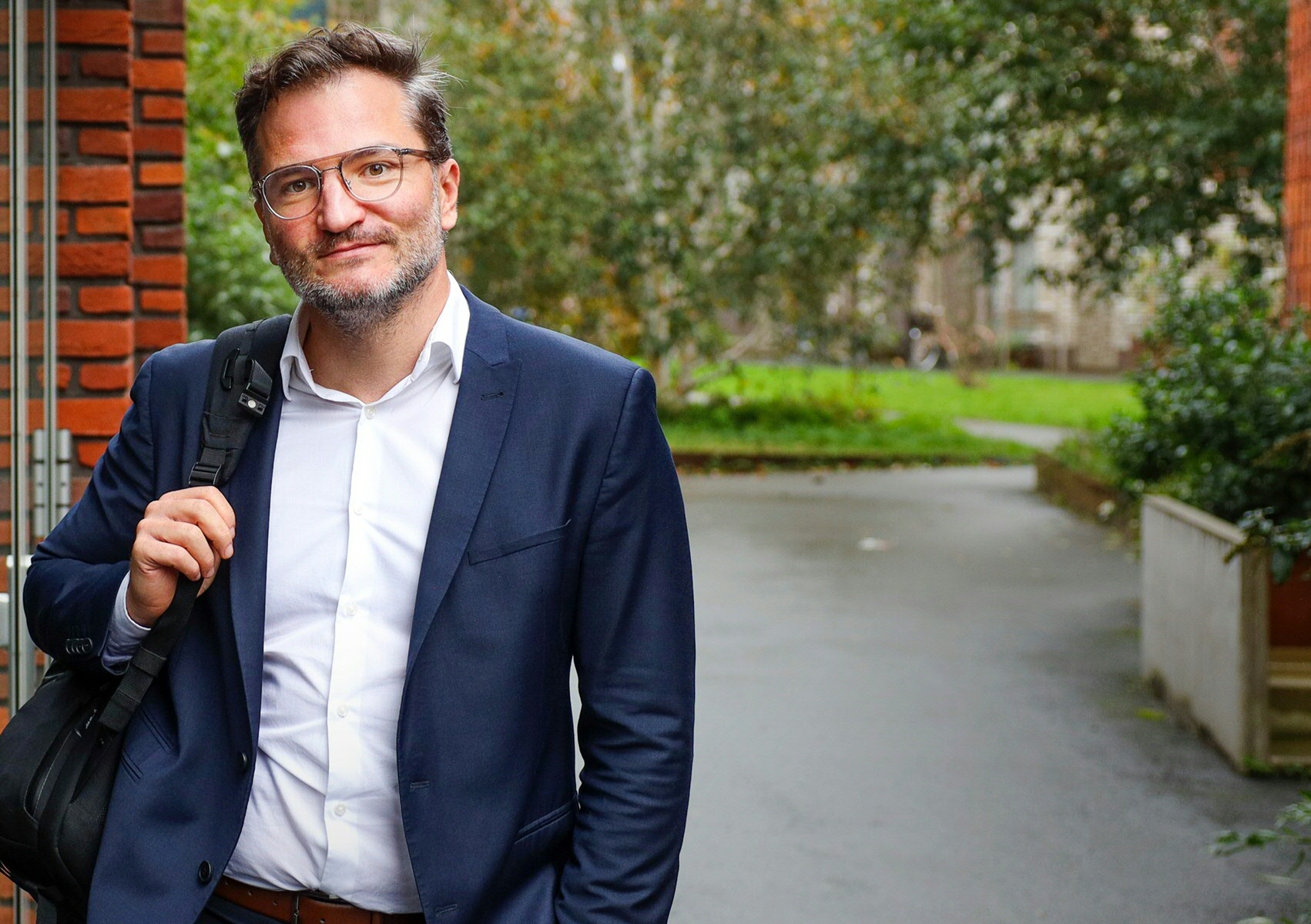
The EU wants to better arm itself against the improper use of data by large, mostly American, tech companies. To this end, regulations are being drafted and money is being invested in European projects such as the recently announced AI Factory in Groningen. In this way, the EU wants to invest in data storage and the development of digital infrastructures within its own borders. The UG is committed to having full control by 2030 over who has access to our data, which systems are used to process it, and under what conditions this is done. An interdisciplinary working group is currently mapping out what needs to happen to make this possible. Read more
'You can’t blame the citizens'
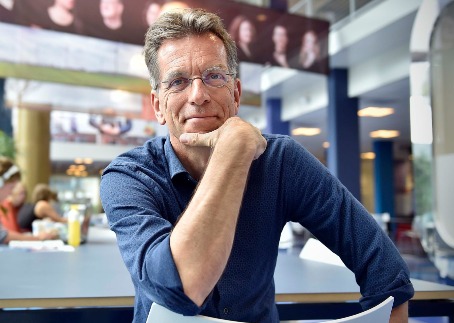
In answer to the question of how we are doing as a country on the eve of yet another general election, Harry Garretsen refers back to the third Rutte cabinet in 2019. It was an era of fierce protests by farmers, flags being hung upside-down, and a tractor being driven into the door to the provincial government building in Groningen. Just before the COVID-19 pandemic. ‘For the past six years, we’ve failed to make significant progress on any of the most important issues of our time — sustainability, the nitrogen pollution crisis, problems on the housing market. Whether you’re left or right-wing, everyone can see that these issues need to be resolved. And yet we haven’t come up with any solutions.’ Read more
The cruelty of humour in politics
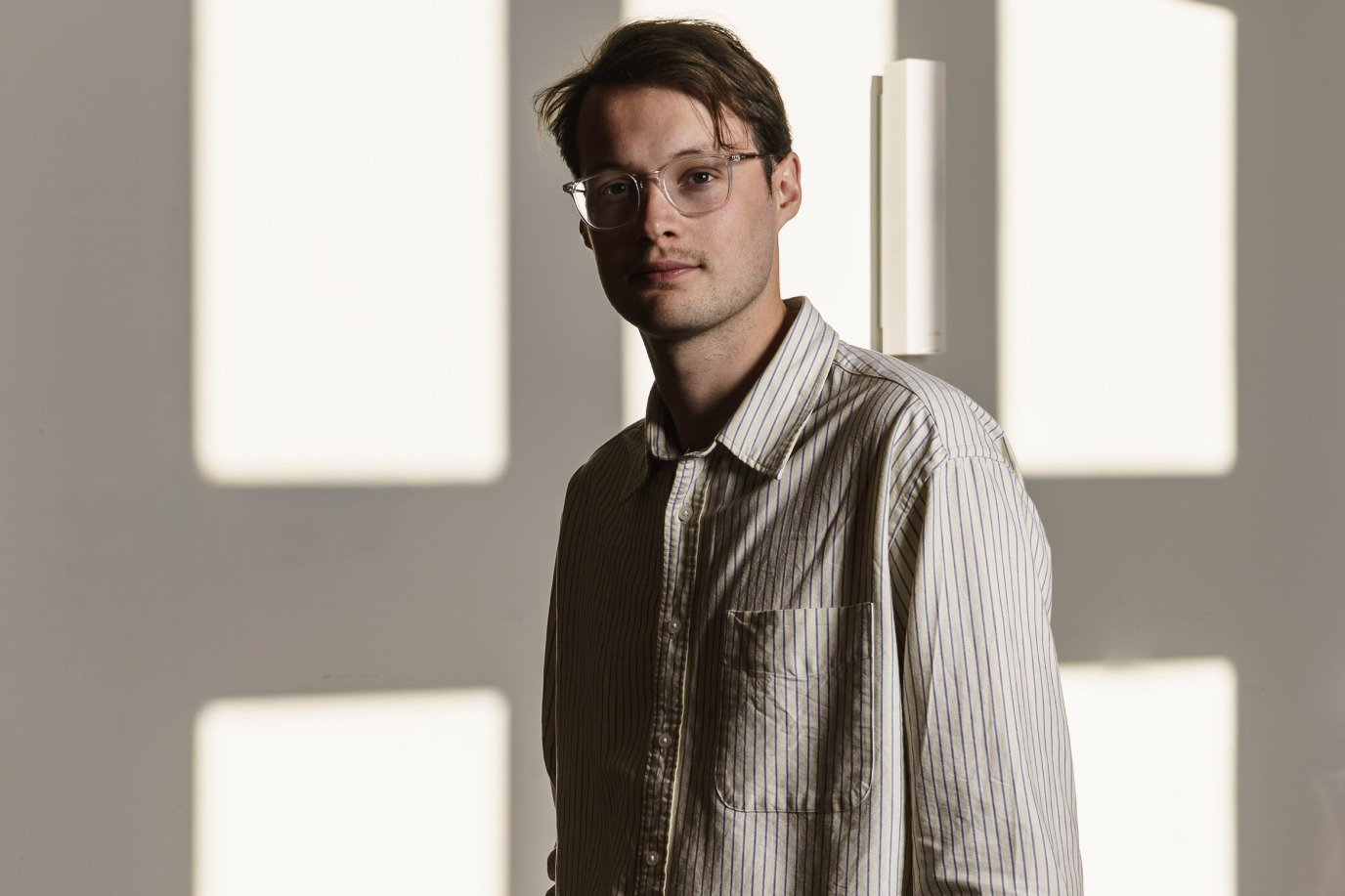
Beer Prakken researches humour and play in politics. He has just returned from America, where he conducted part of his research. What is currently happening in American politics under Donald Trump’s leadership is fascinating, but there is also enough going on in the Netherlands to provide him with input. Read more
What art does to us
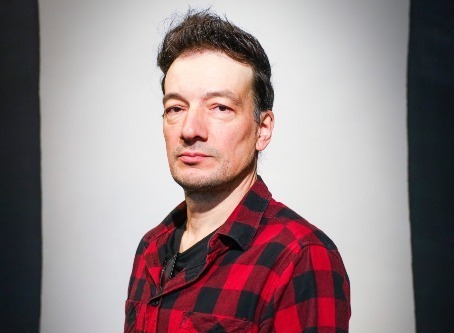
Psychologist Ralf Cox studies the effects of art on people — from heart rate to association, from emotion to social interaction. His research shows that the experience of art is both measurable and intangible. Read more
People will always be needed
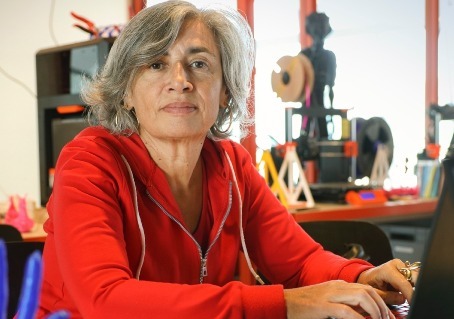
Writers, journalists, legal professionals, programmers, composers... If we are to believe the media, AI will make these and many more jobs obsolete in the near future. Professor Ana Guerberof Arenas has her doubts, at least when it comes to her own field: translation. ‘It is great to have Google Translate at hand if you need to book a hotel in Russia. But when it comes to Tolstoy, you'd rather read a beautiful literary translation. That's where humans do better.’ Read more
Autonomous systems should be fairer and more democratic
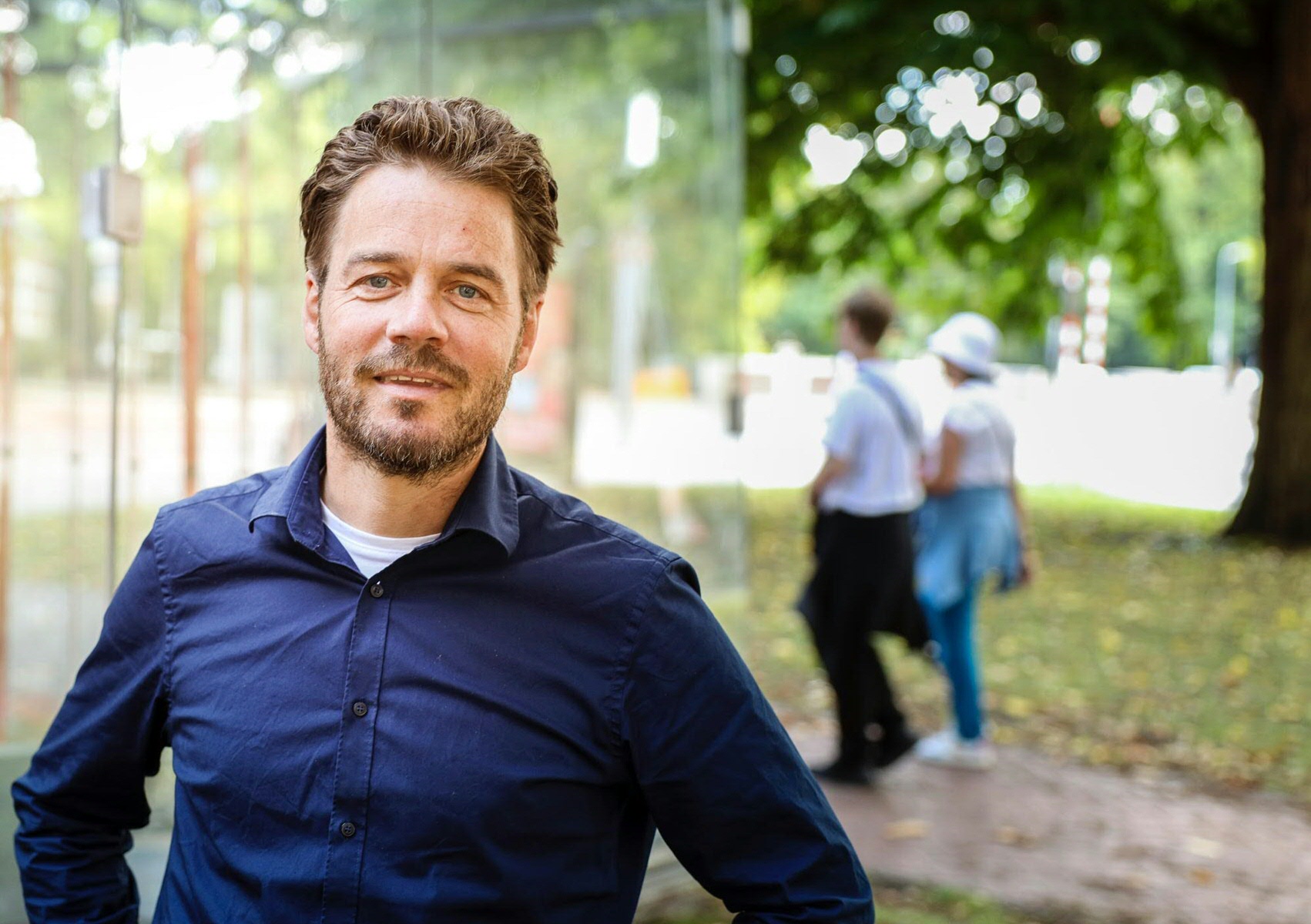
Autonomous systems that utilize AI are ubiquitous, ranging from Google search queries to smart traffic lights. However, we must be careful using them, says philosopher Herman Veluwenkamp. ‘When autonomous systems are developed, too little attention is paid to the question as to whether the choices they make are fair, and in many cases there is a lack of democratic control.’ He hopes to change that by means of a rating model. Read more
Space for art: How creativity and science can complement each other
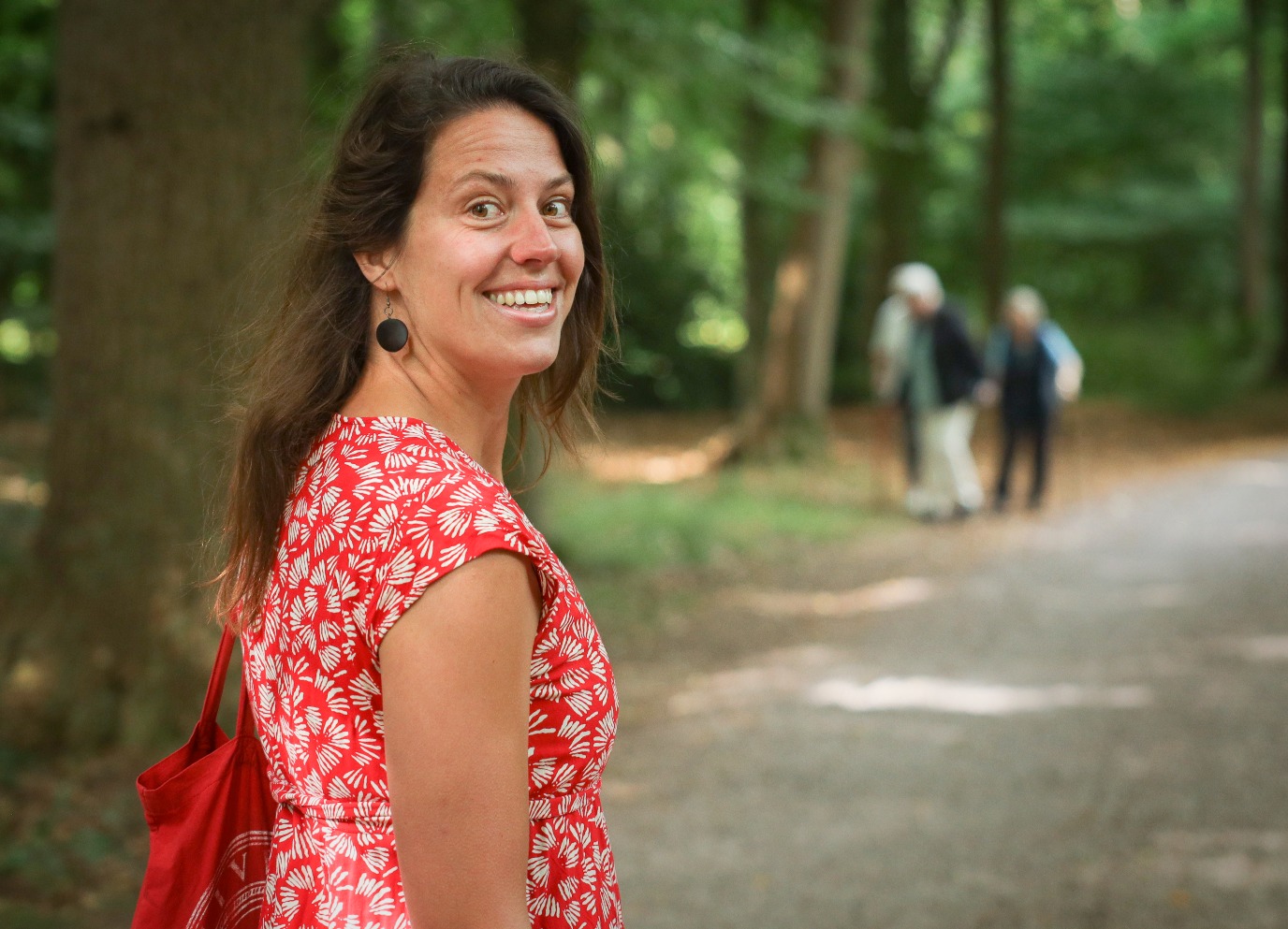
The Dutch countryside is in a state of transition: land use conflicts are surfacing, infrastructural developments are changing the landscape, and quality of life is under pressure due to population decline and ageing. Cultural geographer and social planner Gwenda van der Vaart researches how art forms such as film, theatre, and music can help rural residents adapt to these changes. 'Communities can become more resilient through art that reflects the changes in their environment.' Read more
Science shop dives into the world of baby spas

Baby spas have been gaining in popularity recently, both in the Netherlands and abroad. You might think... baby spas? A baby spa involves a relaxing hot bath in which babies can float, followed by a massage. In other words, it is a kind of wellness centre for babies. Less than ten years ago, the first baby spa opened its doors in the Netherlands. Since then, their number and popularity have increased enormously. As these spas are quite new, little research has been conducted on them so far. This makes it a socially relevant topic that is suitable for a project within the Science Shop for Medicine and Public Health. This issue provides a glimpse behind the scenes of our Science Shop in the University Medical Center Groningen (UMCG). Read more
Engage citizens in sustainable transitions: ‘The top-down approach doesn’t work’
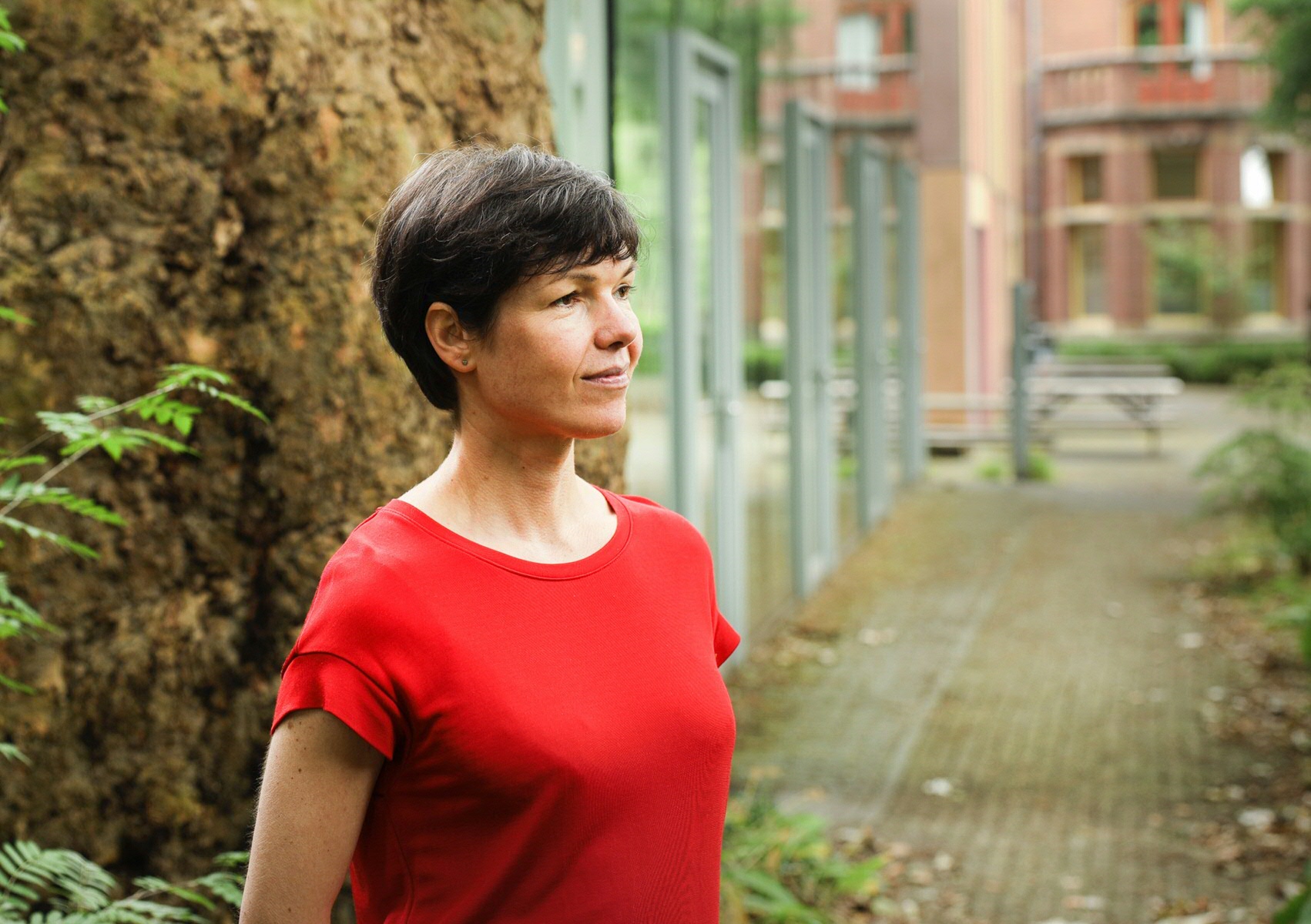
All too often, sustainable transitions still have to do with bare facts and figures, according to Goda Perlaviciute, an academic at the University of Groningen. Late last year, she was appointed Professor of Public Acceptability of Sustainable Transitions. In her research, Perlaviciute focuses on human values. ‘It is my mission to improve the inclusion of these values in sustainability policy’. Read more
Free rein for the crypto coin
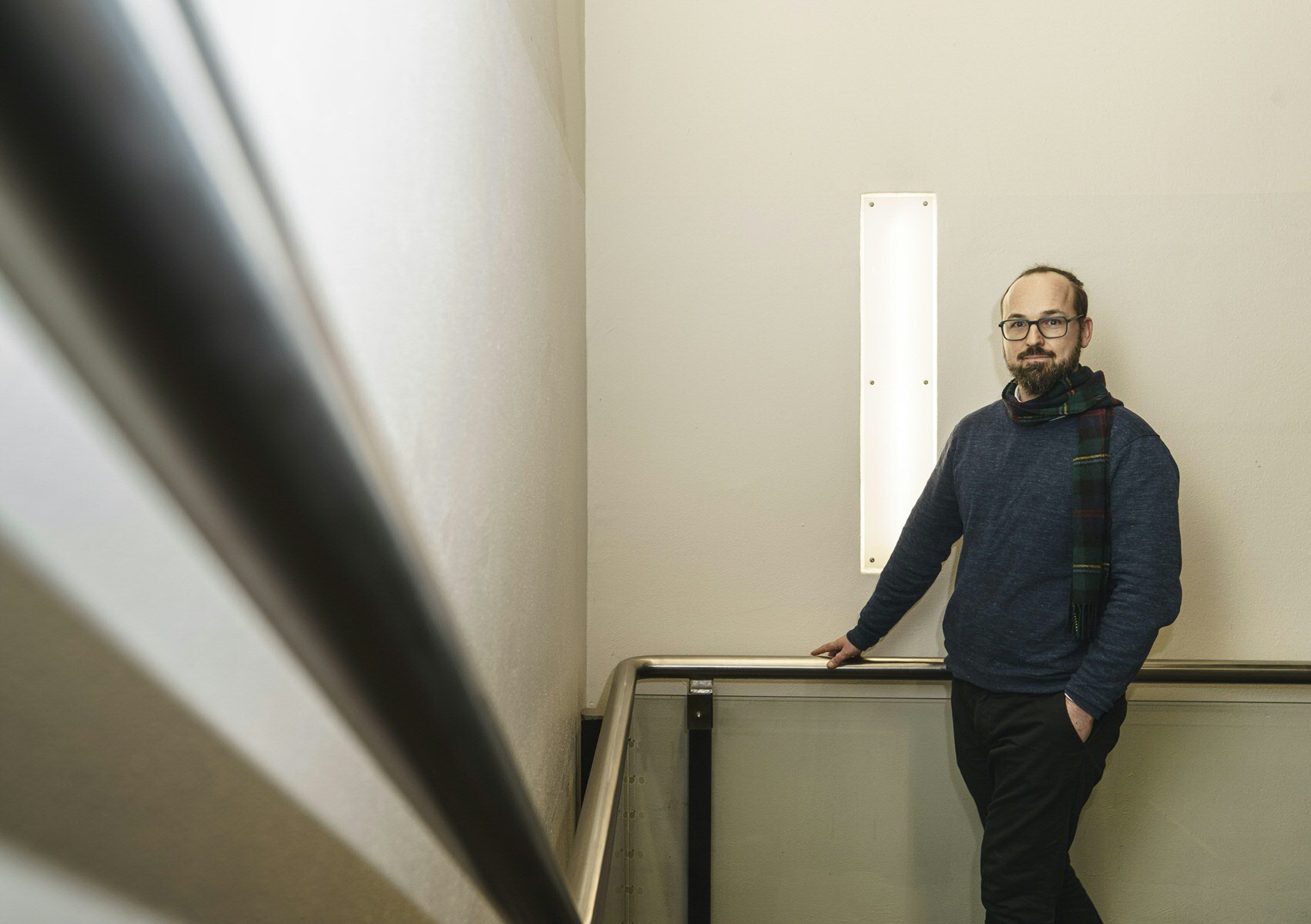
Canadian-Dutch political economist Malcolm Campbell-Verduyn is fascinated by cryptocurrencies. It is full steam ahead under American President Donald Trump, he says. At the same time, the economist himself was involved in the crypto coin Ada as an advisor. He himself also felt drawn to the alternative that was crypto coins. 'There’s something appealing to it: starting your own decentralized financial system at a time when the normal financial system has spectacularly failed.' Read more
More news
-
-
15 September 2025
Successful visit to the UG by Rector of Institut Teknologi Bandung
-