
Ungluable glue and self-healing scratches
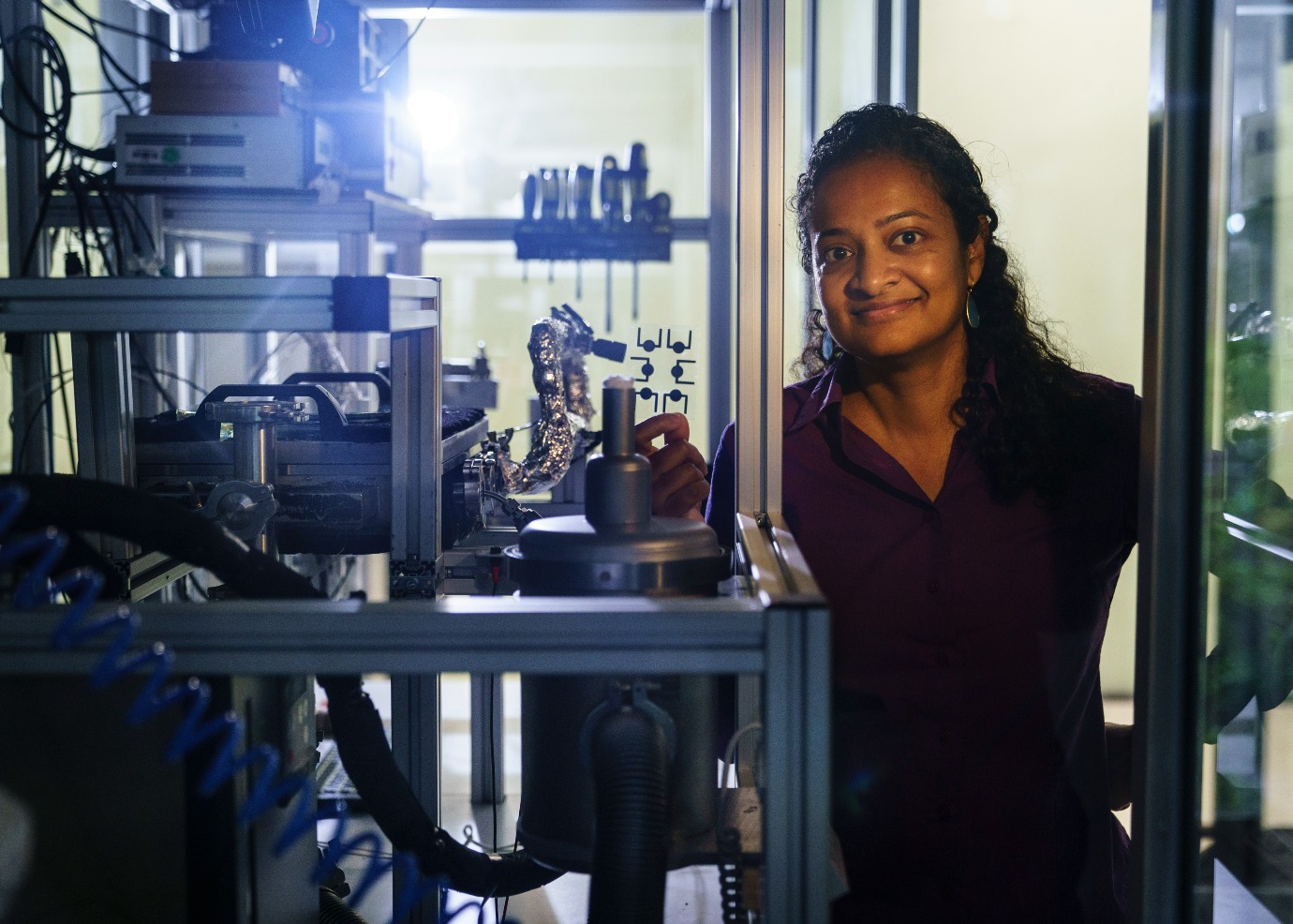
Imagine a scratch on your car that you can repair by simply pointing a hairdryer at it, or a glue that holds your laptop together that you can unglue with UV light. Sometimes, polymer products like glue or coatings need to have very specific properties, and Ranjita Bose of the University of Groningen develops such polymers tailor-made. She is working, for instance, on self-healing coatings for easy repair, and ungluable glues for a circular economy.
FSE Science Newsroom | Charlotte Vlek

‘Apart from that time that we made a polymer out of tulips, we typically always start with an application in mind,’ Bose says. Such as, for instance, a self-healing coating for your car. But how to devise self-healing polymers? ‘Well,’ Bose explains, ‘Many strong polymer materials are made by joining their molecules into permanent three-dimensional networks. This makes them strong, but once they break, they remain broken. We develop dynamic polymer networks. In these networks, the chemical bonds can reversibly break down and reform, giving them the ability to heal after damage.’
Since the bonds of a dynamical polymer network are not permanently fixed, they can rearrange themselves if needed. This is typically done with an external stimulus like heat or light. Bose: ‘We have developed materials that rearrange when heated, or under the influence of UV light or current. We try to choose stimuli that are easy to work with for a technician. For instance, a self-healing car paint could restore itself if you simply point a hairdryer at it, heating it up.’
Polymers from tulips
‘We knew that in tulips, there is a substance that you can use as a building block for polymers: a monomer,’ Bose recalls. That substance can be isolated, and then you can use it to build long chains – the polymers. The result was a transparent, hard material, quite scratch-resistant. It would only flow at high temperatures and is of course fully bio-based. ‘But yeah,’ says Bose, ‘There are other, cheaper polymers with the same properties. So, we didn’t pursue this any further.’
Un-gluable glue
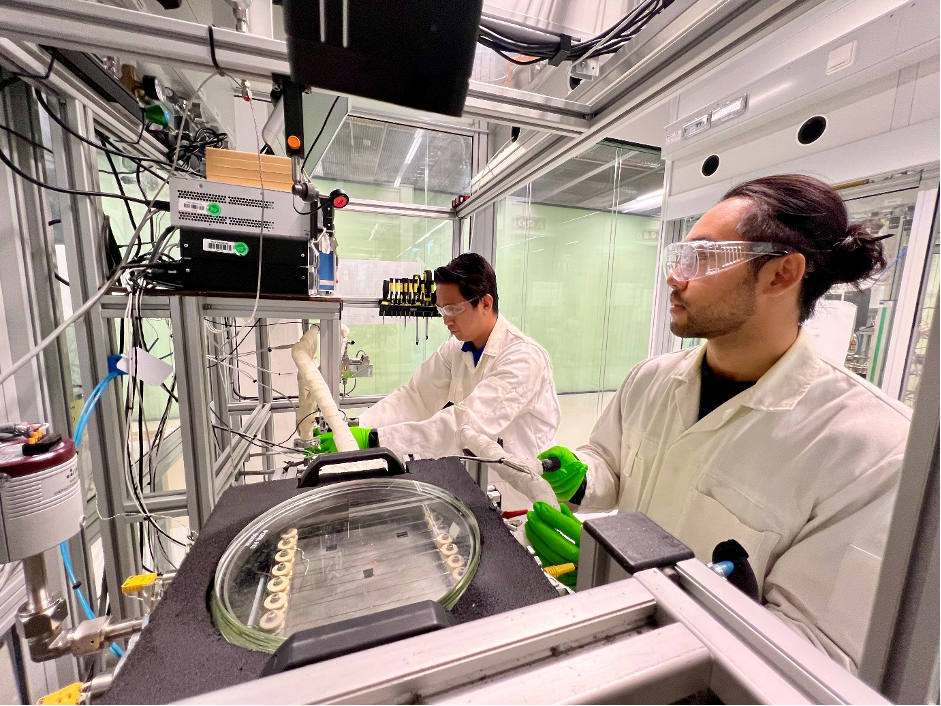
Bose works in her lab with a technique called chemical vapour deposition – and her research group is the only one in the Netherlands that uses it. With this technique, the material is built up layer by layer. It starts with the smaller building blocks, or monomers, in liquid form. These are heated until they form a gas, after which a chemical called the initiator makes them form long chains – the polymers – which then deposit on a surface. This method typically does not need solvents, nor very high temperatures, which makes it more environmentally friendly than alternative techniques.
‘Moreover, we always search for sustainable materials: preferably bio-based building blocks, and green solvents when needed, and the end product is often self-healing, which extends the lifespan of the product,’ Bose describes. The search for ungluable glue is also prompted by sustainability: when you open up a discarded laptop, components often turn out to be glued together, and no other option remains but the shredder. But if adhesive bonds can easily be debonded, the laptop is much easier to disassemble, so that parts can be reused or recycled.
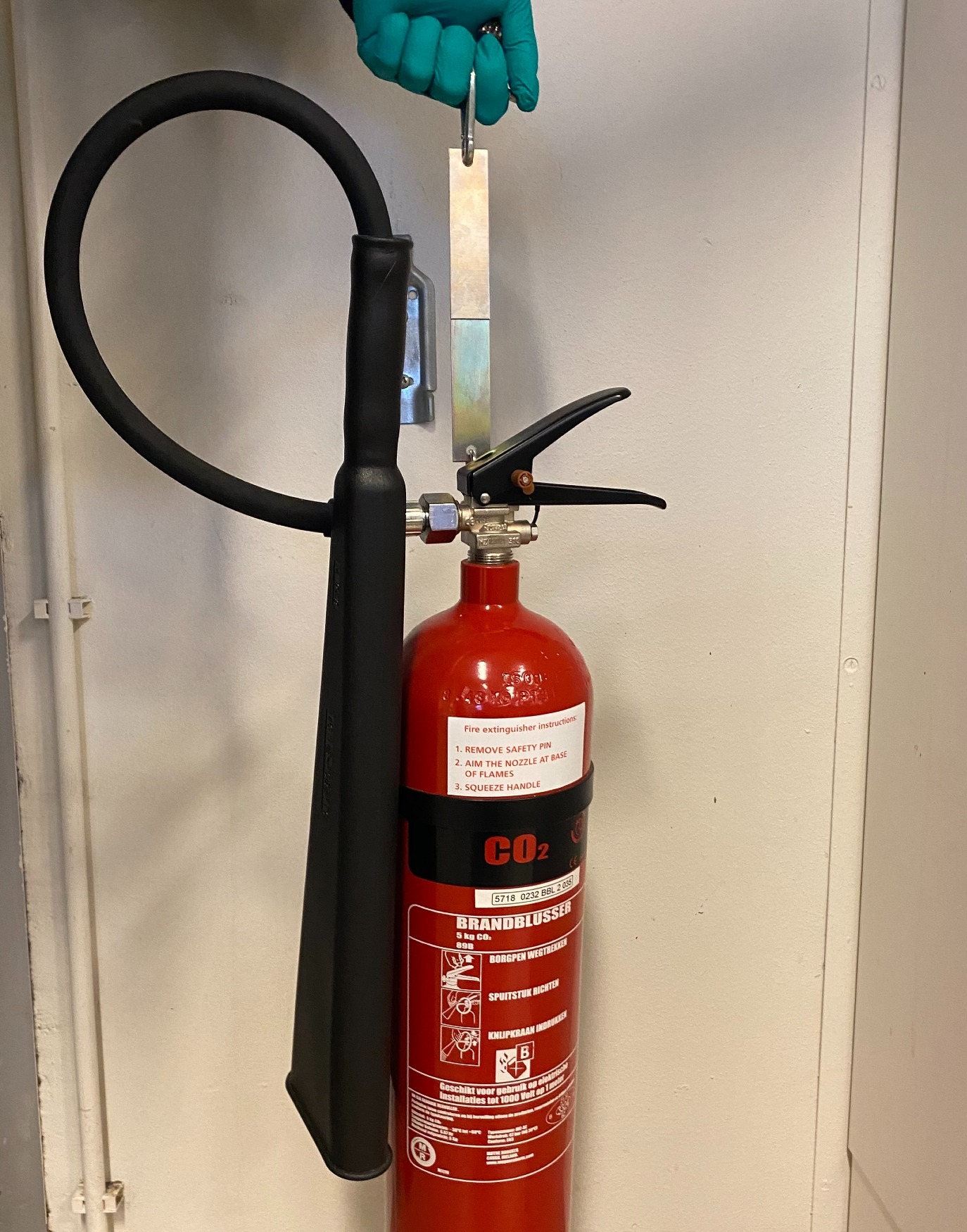
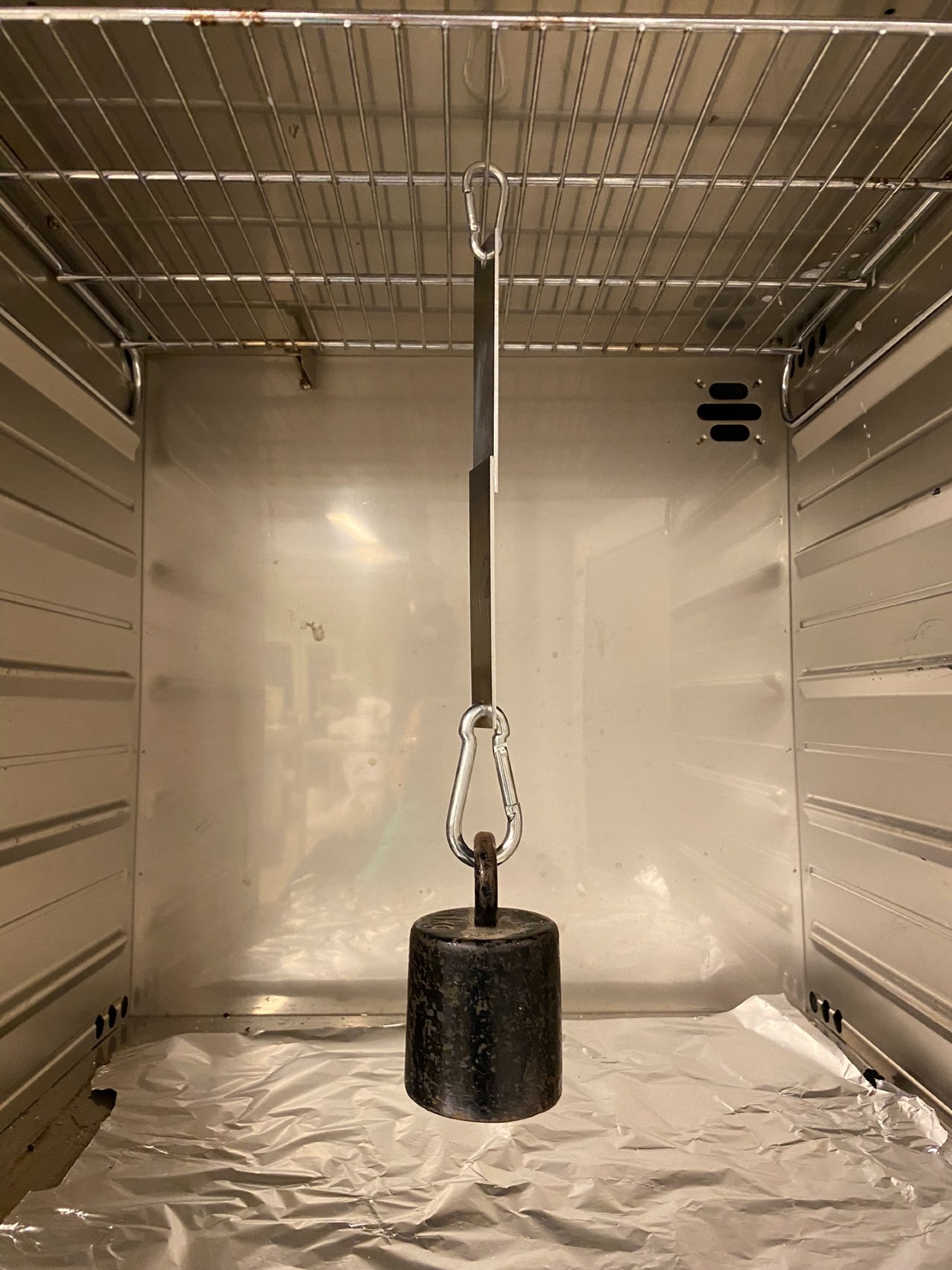
‘It’s very important that we control precisely when the glue debonds!’ Bose explains. Recently, Bose and her team published multiple articles on the topic: one in which the ungluing happens with temperature as a trigger, and another where the ungluing happens with UV light. A glue that only unglues with both triggers might be ideal, she thinks: UV light and a high temperature. ‘Because debonding a glue should not be too easy: you don’t want accidental ungluing of your product!’
More news
-
05 October 2026
How a swarm of mini-robots could save our infrastructure
-
01 October 2026
10th anniversary of Ben Feringa’s Nobel Prize
-
01 October 2026
Making stardust in the lab