
Enzymes break down textile fibres into useful resources
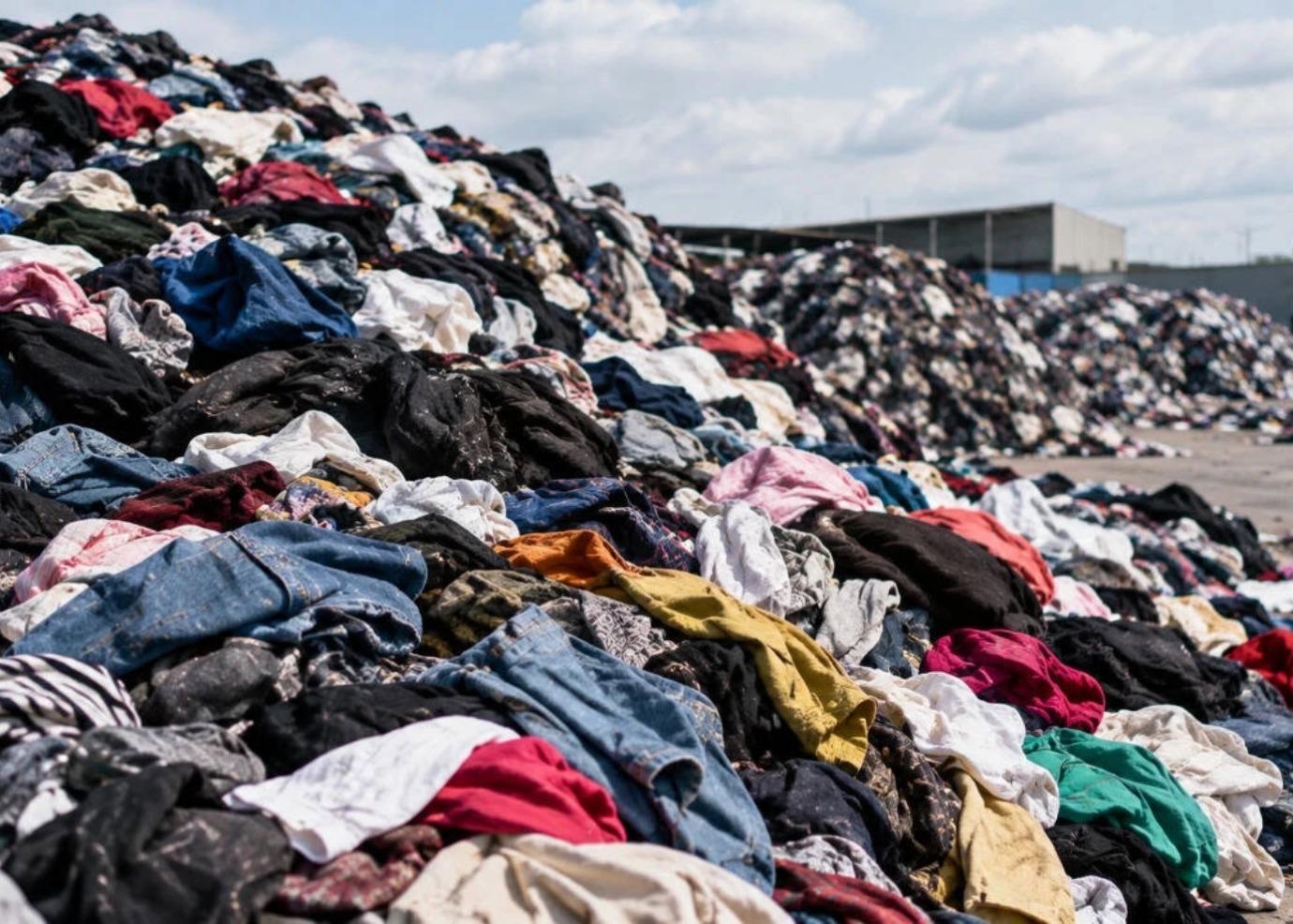
Over 200 million kilos of clothing are discarded yearly in the Netherlands, as reported by Rijkswaterstaat in 2022. Far from everything can be recycled. Gert-Jan Euverink, professor of Biotechnology and Applied Microbiology, collaborates with start-up company BioFashionTech to take the material that cannot be recycled in any way – and that would end up in landfill – and convert it into useful resources for the biotech industry. ‘A company like DSM or Avantium could use the sugars that we obtain from cotton in this way to manufacture bioplastics, biogas, or cleaning products.’
FSE Science Newsroom | Charlotte Vlek
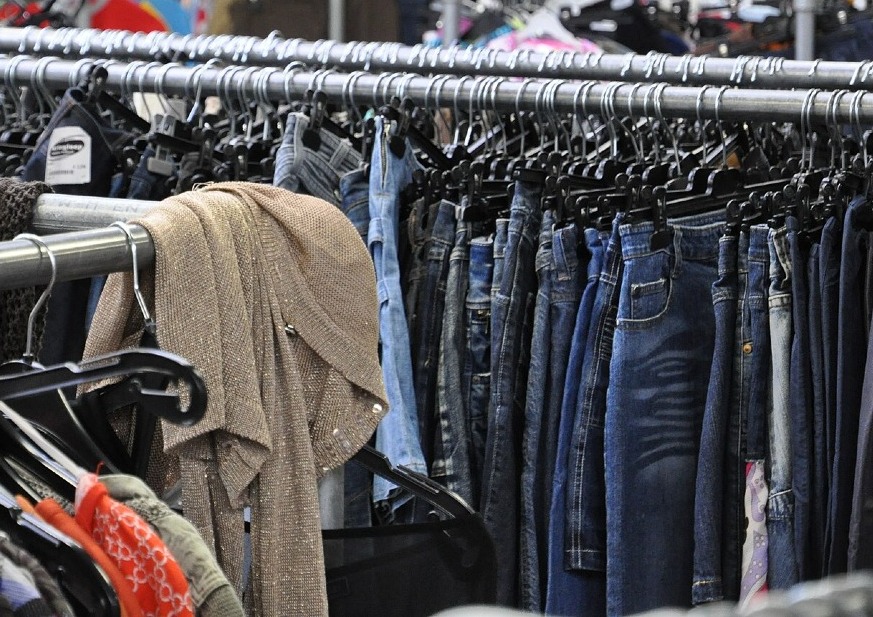
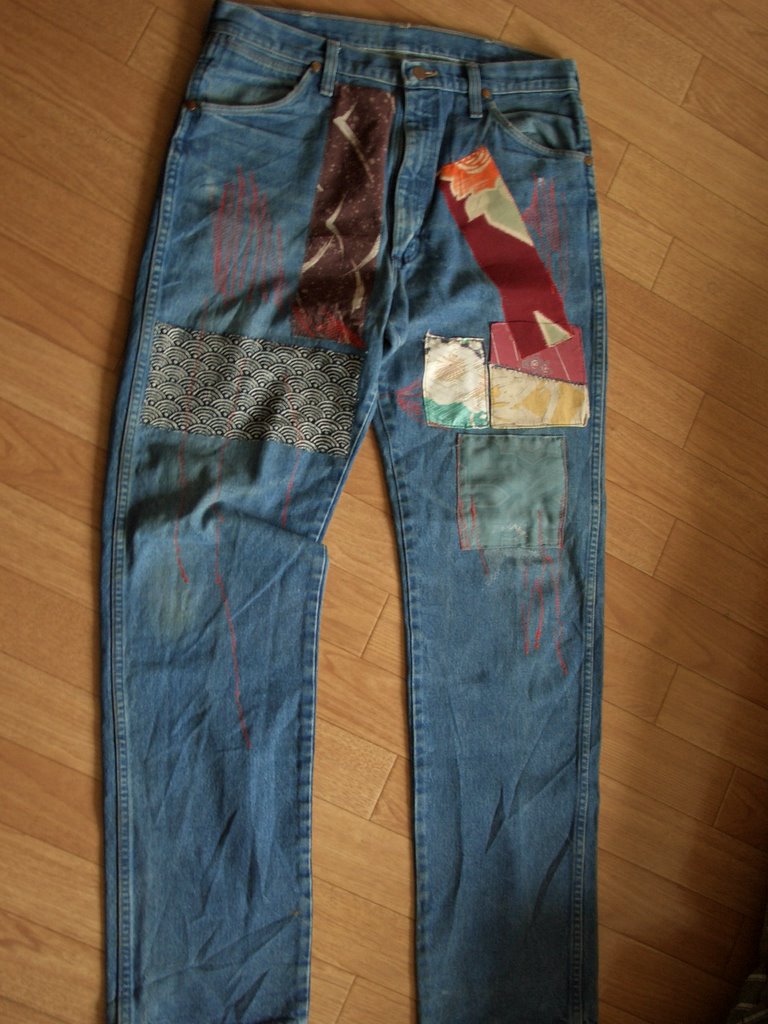
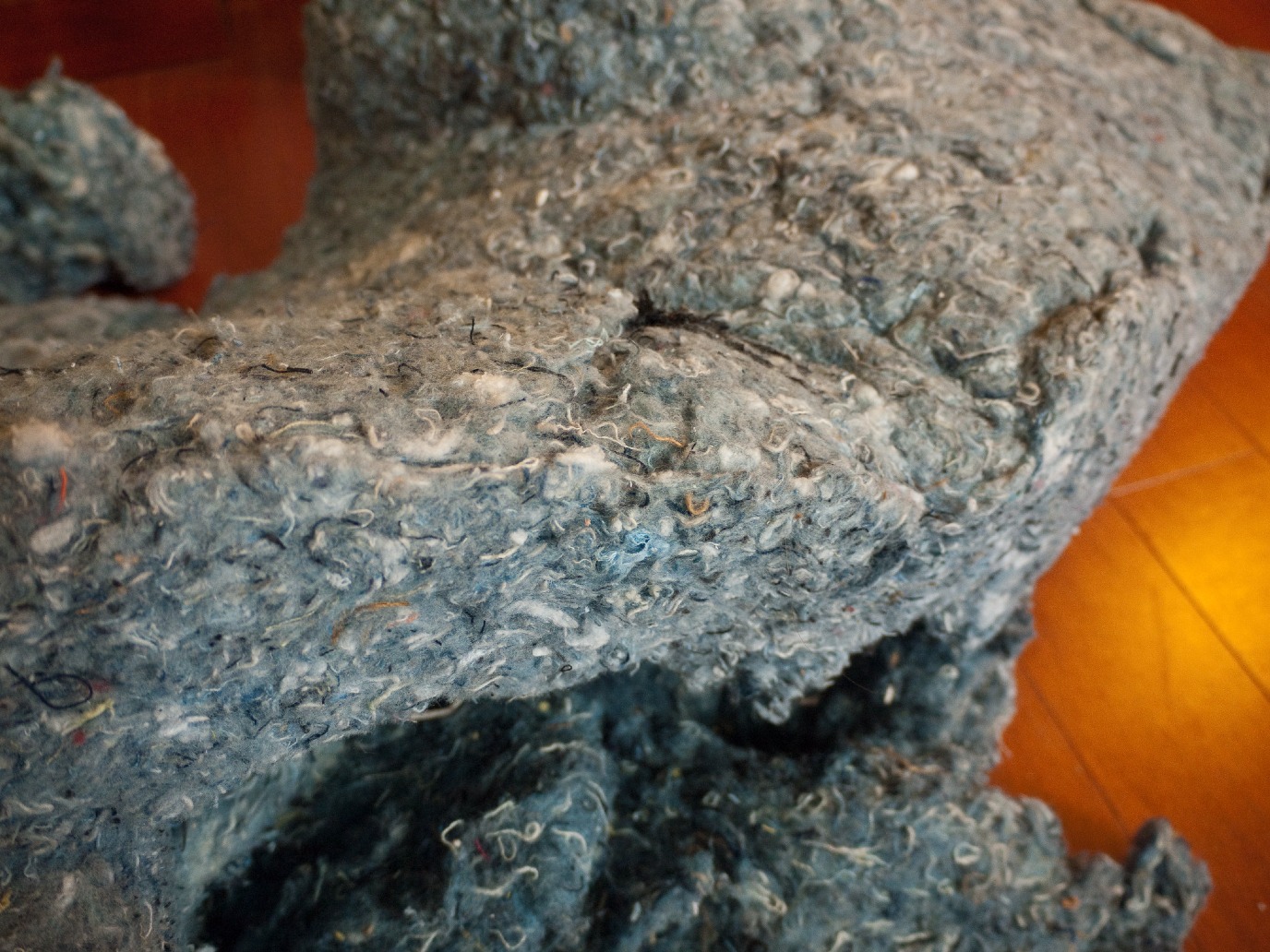
Suppose you throw out an old pair of pants into a textile collection box. If the pants are as good as new (they were just too tight for you), they can go to a secondhand shop. If they show some wear and tear, the fabric can be repurposed, or the threads can be unravelled to make something new. And ultimately, the fabric’s fibres can still be used for insulating material. ‘After all these possibilities have been exhausted, biotechnology can be a solution,’ Euverink explains. ‘Using biotechnology, we can break the textiles down to the molecules.’
The biotechnological method from Euverink and BioFashionTech uses enzymes from bacteria, fungi or yeasts to do the crucial conversion. That’s because plant-based materials like cotton contain cellulose. The enzymes that Euverink and BioFashionTech use, break cellulose down to the building blocks it is made up of: sugars.
‘A major advantage of this method is that enzymes that do the conversion are selective: they will only process the cellulose-containing fibres like cotton, while synthetic fibres remain intact.’ If the pants you threw out consist of a polyester-cotton mix, then that will not be an issue for this biotechnological process. And that is quite exceptional, because polycotton is loved by clothing manufacturers because of its favourable properties, but hard to recycle because it is difficult to separate the materials without breaking them.
Watery stuff with polyester floating in it
So, what does a process like this look like? Euverink describes: ‘A pallet with clothing comes in. These items still have zippers and buttons and these sorts of things. These need to come off, and the clothing is then passed through a shredder. All of that is quite simple – there are machines that can do these things. Next, the smaller scraps are added to the reactor: a large container in which our enzymes do the work.’
The result is some watery stuff with potentially some pieces of polyester floating in it. These floating pieces are taken to plastic recycling, while the watery solution can be sold. Because in this watery stuff, the sugars from the cellulose are dissolved. Other companies can use this for the production of, for instance, bioplastics, biogas or cleaning products.
Sustainable and economically viable
I find it important to make the step to the outside world, and not just work at a small scale
Euverink: ‘The goal of our project is to further optimize the existing process of BioFashiontech, making it sustainable and economically viable.’ To do this, the whole process needs to be fine-tuned. Euverink lists the various steps: ‘We will grow various related fungi, and select the ones that produce the most of this desired enzyme. Then we investigate how the conversion in the reactor best proceeds: at what temperature and what acidity? And we need to check if the resulting sugar solution needs to be concentrated a bit more, and whether it preserves well.’ A PhD student is currently investigating what happens when textiles are dyed: perhaps another step is needed before these go into the reactor.
Euverink has a reactor in his lab that can process up to a thousand litres – which amounts to some fifty to a hundred kilos of textile. This is already quite large for laboratory research. ‘I find it important to make the step to the outside world, and not just work at a small scale.’ And who knows, perhaps at some point your discarded pair of pants will end up as a child’s toy made of bioplastic.
This research project is part of SORTED, led by textile collector Sympany. This research line within SORTED builds upon existing technology from BioFashionTech.
Read more:...
Researcher Mauricio Muñoz-Arias and his colleagues at the University of Groningen are working on a fully automated textile sorting process with textile collector Sympany. The goal: a system that can draw the conclusion: Ah, this is a vintage coat that will yield around 150 euros in second-hand sale.
More news
-
10 September 2026
Searching for the first generation of stars
-
10 September 2026
Wouter Vansteelant appointed Scientific Director of BirdEyes
-
08 September 2026
How do you spot a nice wool coat in a heap of discarded textiles?