
Spannende weken voor meetnetwerk oceanen
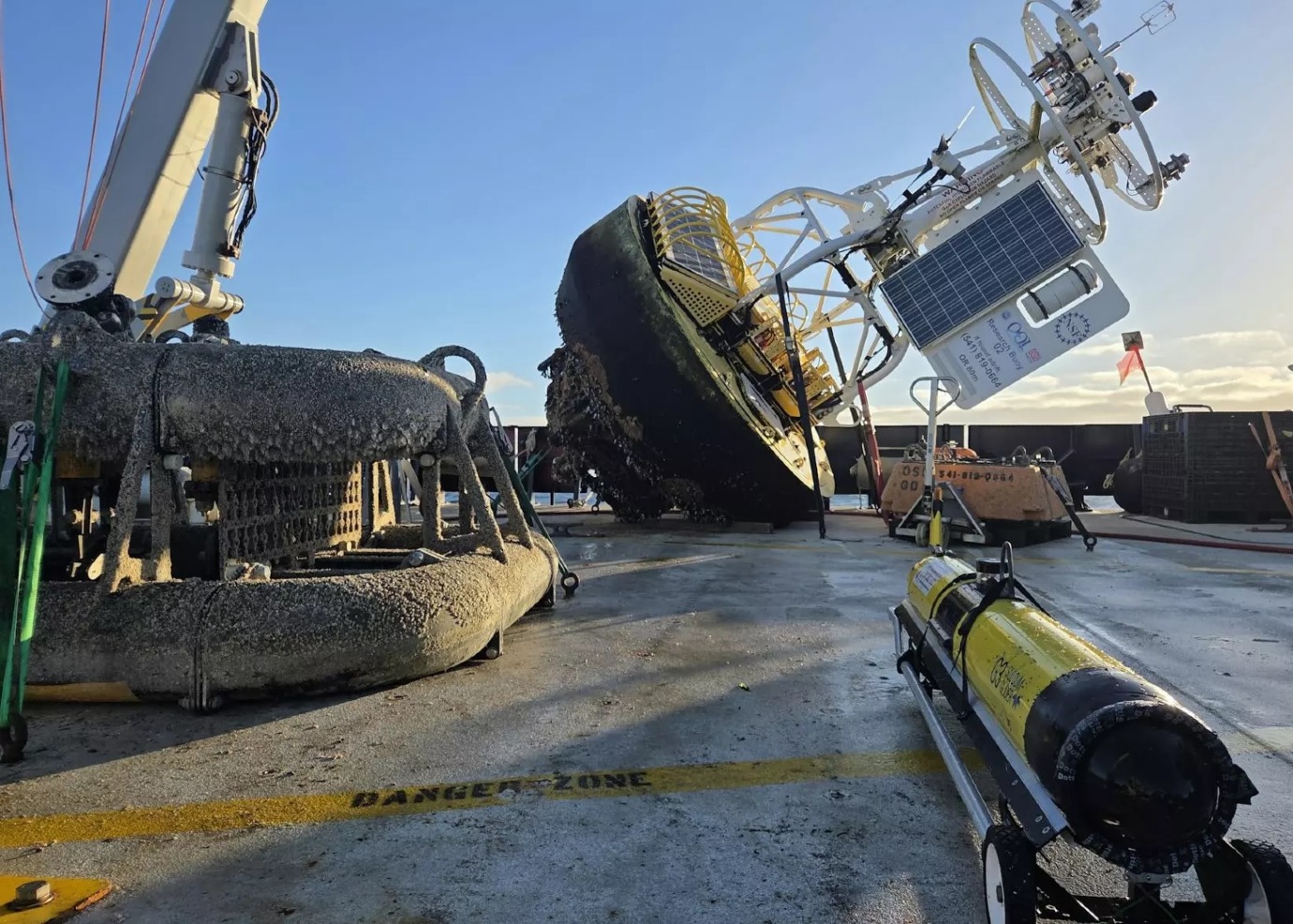
Onlangs werd een begin gemaakt met het opvissen van de meetinstrumenten die sinds 2009 informatie verzamelen over de oceanen via het Ocean Observatories Initiative. De Amerikaanse National Science Foundation (NSF) besloot het project te beëindigen kort nadat president Trump alle 22 leden van de wetenschappelijke adviesraad had ontslagen. Maar het besluit is op 17 juni weer teruggedraaid door het Congres. ‘Het zou ook echt een ramp zijn geweest voor het klimaatonderzoek,’ zegt RUG-hoogleraar Richard Bintanja. ‘Bovendien zouden de Amerikanen minder zicht hebben op het ontstaan van orkanen die in het najaar de oostkust van de VS teisteren.’ Mogelijk gaf dat de doorslag voor het terugdraaien van het besluit.
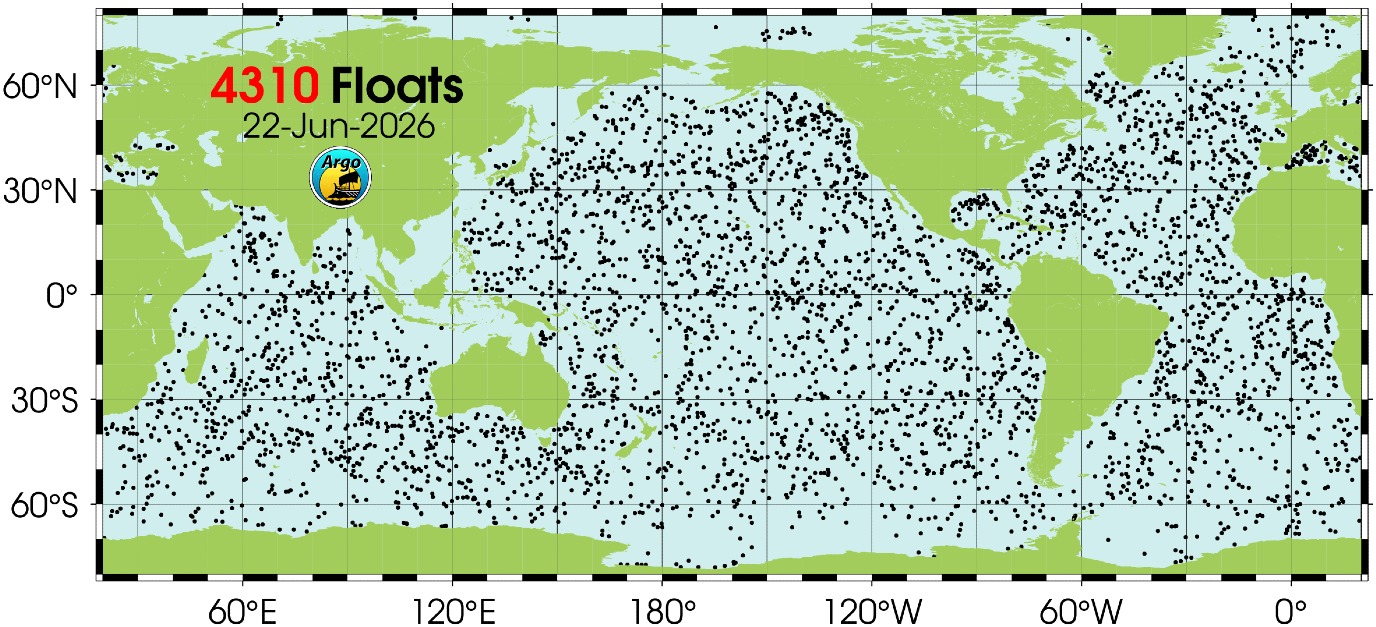
Het netwerk van meetstations meet op een aantal vaste locaties doorlopend onder meer de temperatuur, het zoutgehalte en de concentratie kooldioxide in het water. Daarnaast is er een vloot van zo’n vierduizend platforms die informatie verzamelen terwijl ze met oceaanstromingen meedrijven en regelmatig een paar duizend meter duiken.
‘Veel landen, waaronder Nederland, hebben een aantal van die platforms gefinancierd, en we delen alle gegevens met elkaar’, vertelt Bintanja. ‘De informatie die al deze instrumenten verzamelen is van groot belang voor onze klimaatmodellen, juist omdat ze doorlopend metingen doen in alle oceanen. Je hebt een grote dichtheid van metingen nodig, want de oceaan is niet één bult water, er zit verrassend veel variatie in.’ En er is een lange meetreeks nodig om veranderingen van het klimaat nauwkeurig te meten, omdat de opwarming van het klimaat met horten en stoten verloopt. Het onderbreken van die reeks zou daarom zeer schadelijk zijn.
De instrumenten meten ook hoe warmte vanaf de evenaar wordt verplaatst naar de polen. De warme golfstroom die Noordwest Europa een gematigd klimaat geeft is daar één voorbeeld van. ‘Die golfstroom hangt sterk af van water dat bij Groenland naar de diepte zakt en dan terugstroomt naar de evenaar. Kleine veranderingen in de oceaan rond Groenland zijn daarbij cruciaal.’ En dus is het belangrijk daar goed zicht op te houden.
In mei en begin juni zijn de eerste instrumenten van het OOI uit de oceaan opgevist. Wetenschappers waarschuwden dat dit grote gevolgen zou hebben, en niet alleen voor klimaatonderzoek. Bintanja: ‘Zonder deze gegevens zijn onze weersvoorspelling veel minder nauwkeurig.’
De instrumenten die zijn opgevist worden weer teruggeplaatst, verklaarde de NSF. Voorlopig kunnen klimaatonderzoekers dus opgelucht ademhalen. Bintanja: ‘De contacten met Amerikaanse collega-wetenschappers zijn prima, maar ook voor klimaatonderzoek moeten we minder afhankelijk worden van de VS.’
Meer nieuws
-
15 oktober 2026
Bluetooth als ingang voor spionage
-
05 oktober 2026
Hoe een zwerm minirobots onze infrastructuur kan redden
-
01 oktober 2026
Tien jaar Nobelprijs Ben Feringa