
Student Remco Paree wins Unilever Research Prize
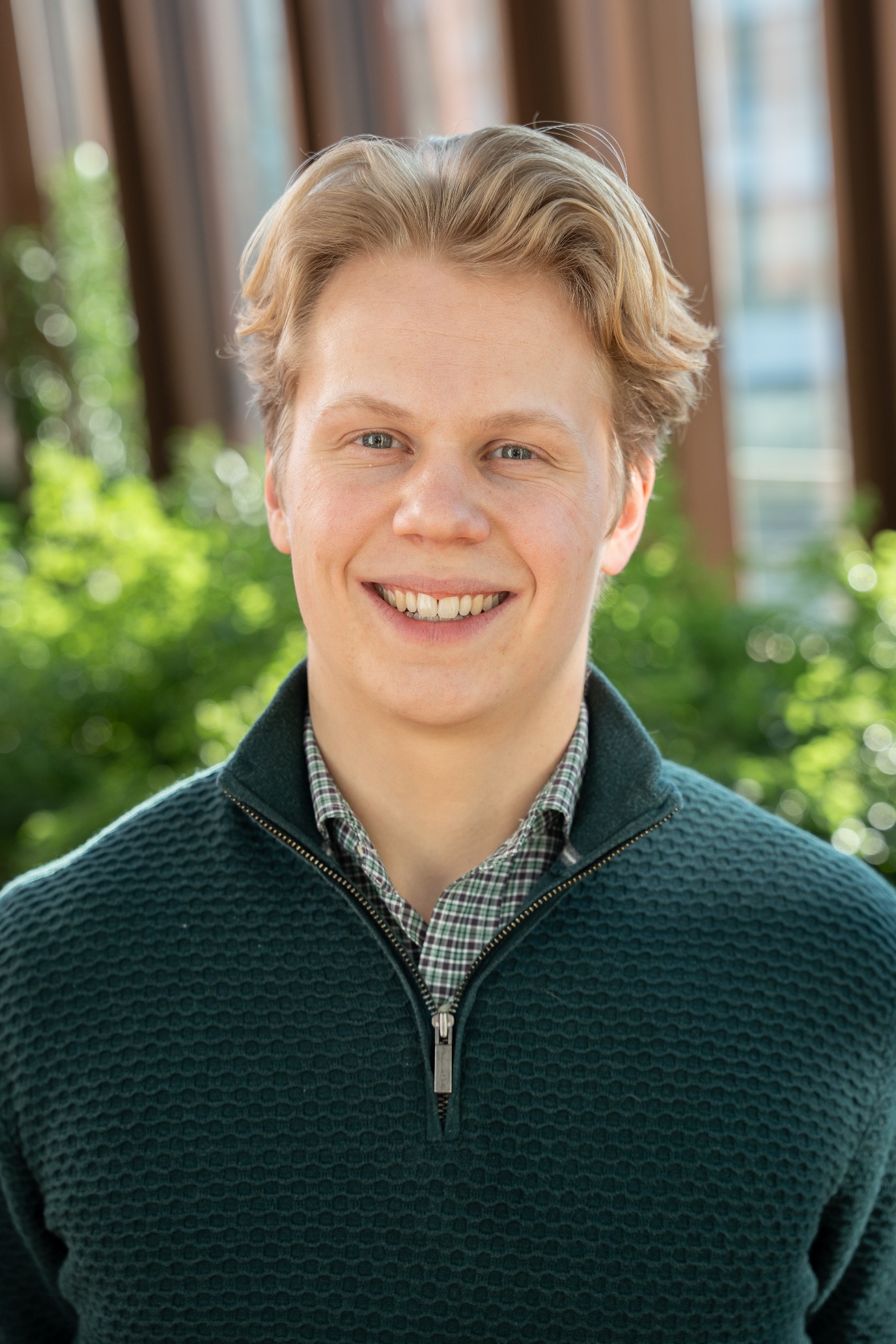
Chemical Engineering student Remco Paree of the University of Groningen has been awarded the 2026 Unilever Research Prize for his Master’s thesis. His research explores how renewable electricity can be used to convert bio-based acids into hydrocarbon fuels, contributing to a more sustainable energy system.
The Unilever Research Prize rewards young top scientists whose research makes a positive contribution to solving some of the world’s most pressing problems. It is awarded to fourteen talented science students from Dutch universities.
"Our world still runs on the remains of creatures that lived hundreds of millions of years ago, and burning them is not compatible with a stable climate"
Turning renewable electricity into fuels
The energy transition requires more than generating renewable electricity from wind and sunlight. Because these sources are intermittent and geographically dependent, the energy they produce must also be stored and transported. Electrochemical technologies can help by using electricity to convert renewable raw materials into green fuels.
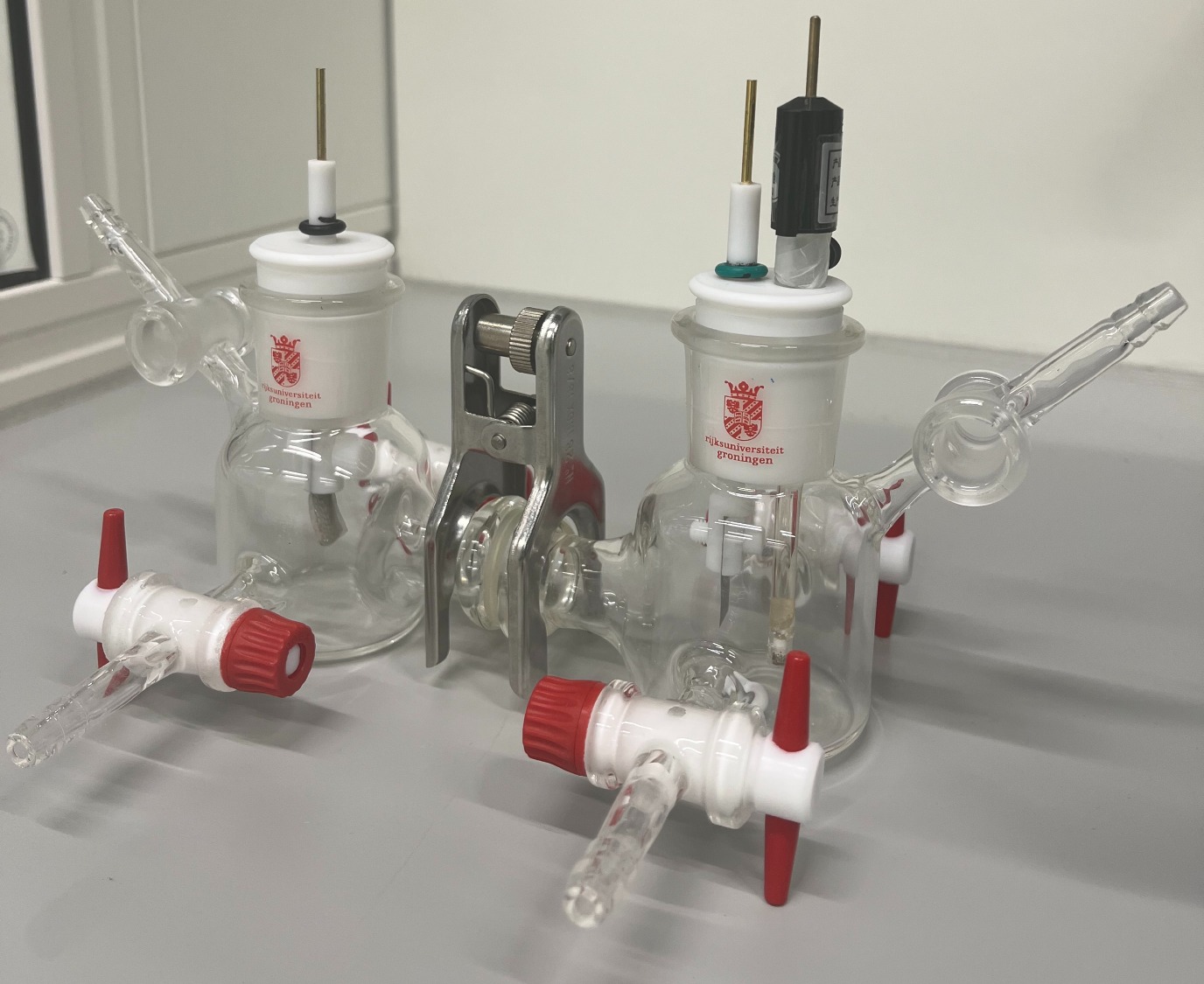
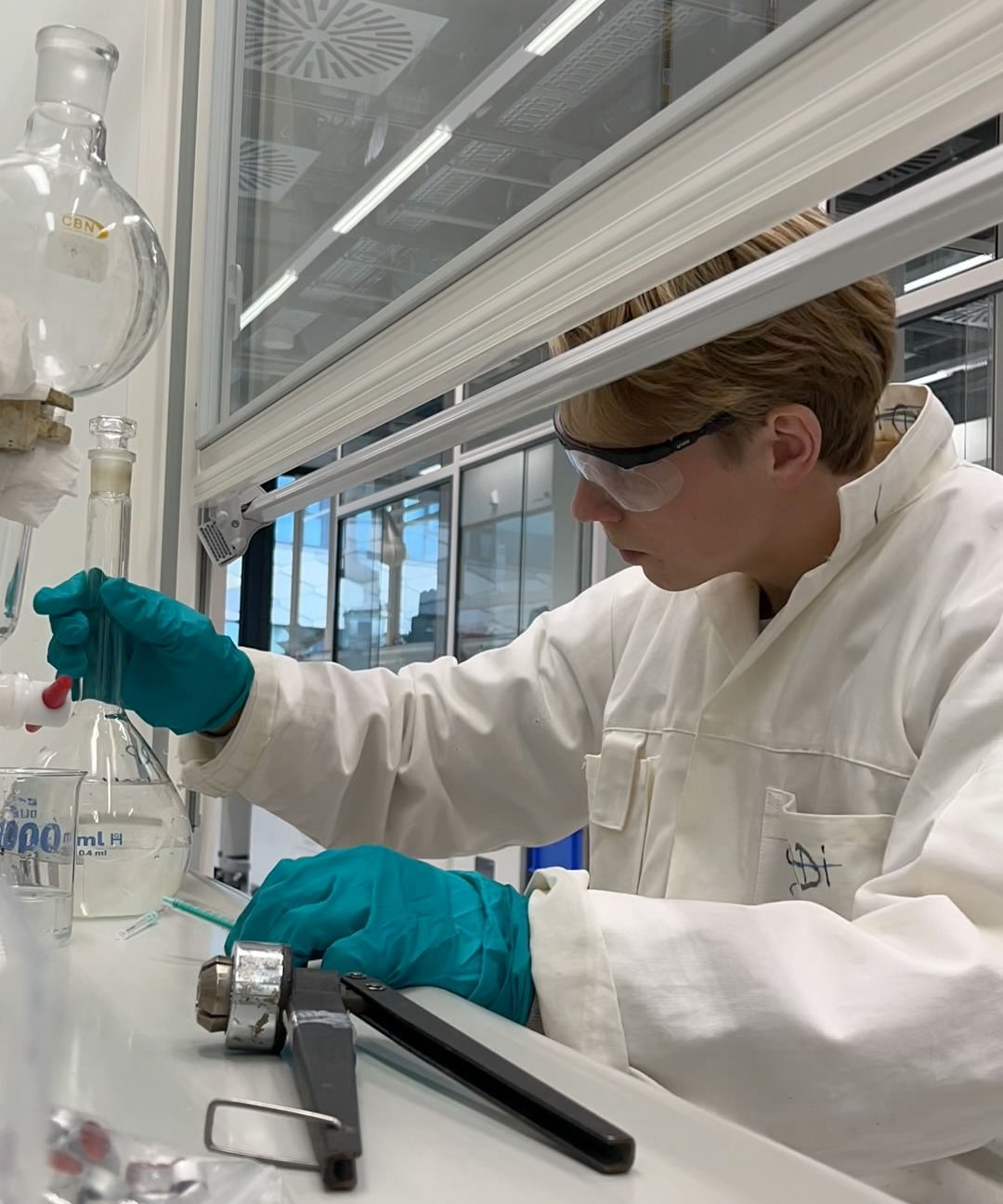
Remco’s thesis, Electrochemical upgrading of bio-carboxylates by Kolbe electrolysis: exploring the decarboxylation of hexanoic acid on platinum, investigates one such technology: Kolbe electrolysis. In this process, carboxylic acids are converted into hydrocarbons using electricity and a catalyst. When the acids come from biomass, the process could offer a renewable alternative to fossil-based fuel and chemical production.
Improving selectivity
A major challenge is selectivity: during Kolbe electrolysis, several products can form alongside the desired hydrocarbon. Remco systematically investigated how operating conditions—including pH, electrolyte composition, current density and the use of a membrane—affect the conversion of hexanoic acid into decane, a model hydrocarbon fuel.
His research identified conditions that promote the desired reaction, with pH emerging as one of the most influential variables. He also showed that reporting only Faradaic efficiency does not give a complete picture of performance, and proposed assessing four key metrics together: Faradaic efficiency, Coulombic efficiency, selectivity and conversion.
From laboratory to bio-based feedstocks
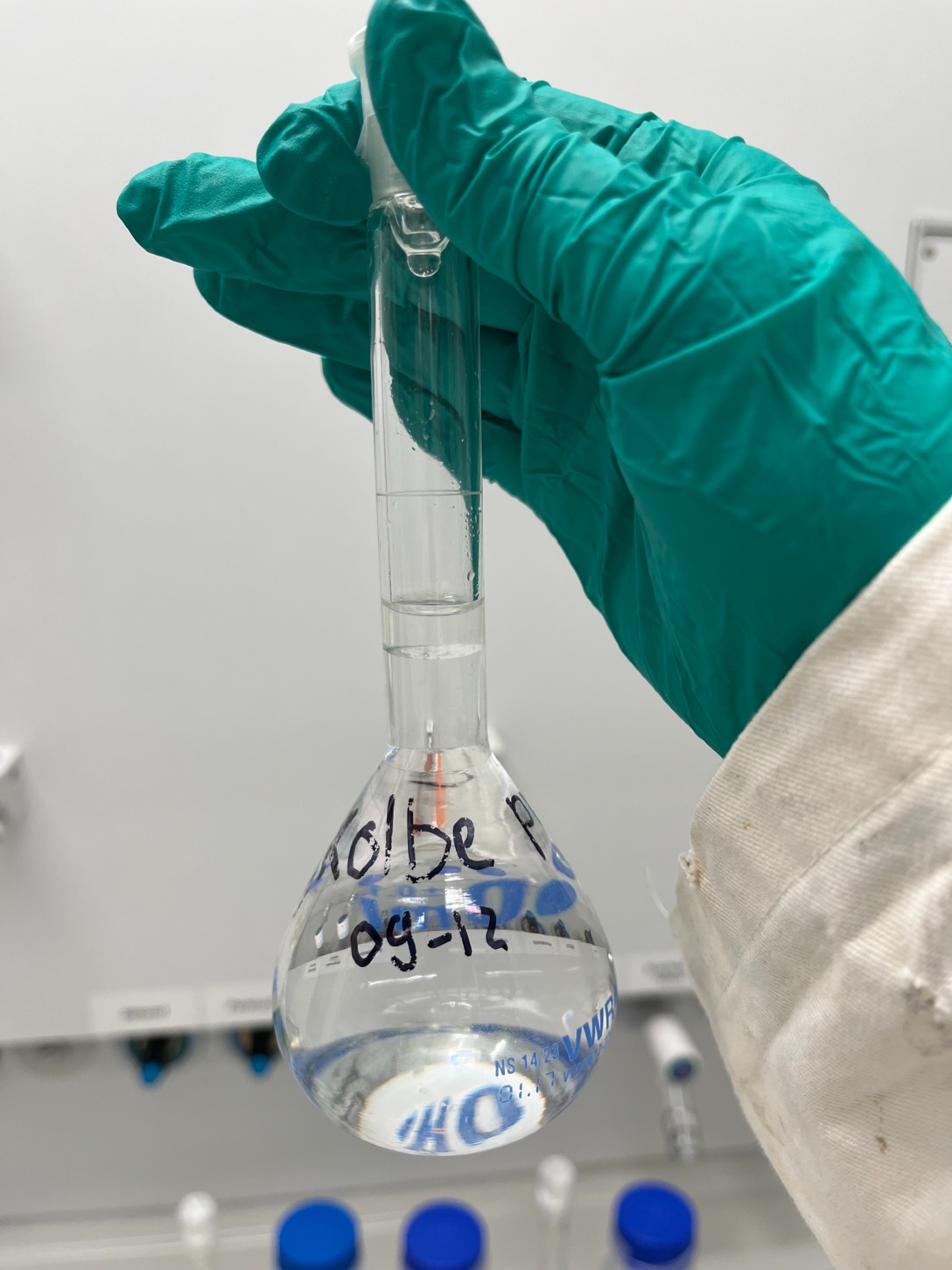
Remco also tested proof-of-concept applications using mixtures that mimic bio-based feedstocks, including fermentation broths and biomass-derived organic mixtures. Although this investigation is in a preliminary stage, it was possible to reach a high selectivity and achieved a Faradaic efficiency of 41.7 per cent, the highest reported to date for the conversion of hexane-containing feedstocks
A promising foundation
Remco’s work contributes to several UN Sustainable Development Goals, including affordable and clean energy, responsible consumption and production, industry and innovation, and climate action. By upgrading bio-based feedstocks and waste-derived acids into higher-value fuels and chemicals using renewable electricity, the research supports a more circular and low-carbon economy.
His thesis was graded 9.0/10, and he graduated cum laude. A scientific publication based on the research is currently being prepared with his supervisor, Dulce M. Morales, and co-author Floris van Lieshout.
Beyond the laboratory
Alongside his studies, Remco completed a process engineering internship at BASF in Heerenveen, worked as a technical content employee at DNV on hydrogen infrastructure, and contributed to energy-transition projects at SAMEEN.
Our world still runs on the remains of creatures that lived hundreds of millions of years ago, and burning them is not compatible with a stable climate. That is why we urgently need alternatives to fossil fuels. I chose to work on Kolbe electrolysis because I find it exciting that waste from biomass can be turned into a sustainable fuel using only electricity. I am very grateful that my work has been recognised. Technologies like this still need to make the step from the lab to real use, and I would love to help make that happen. In my career, I hope to keep working on sustainable and circular initiatives that make a real difference
More news
-
18 November 2026
NWO-KIC for smarter production of medical-grade contact lenses
-
17 November 2026
Insects react differently to light
-
13 November 2026
Royal Honour for Jan Post