
News & Stories
From experiments on the farm to policy debates in The Hague: CDLT is right in the middle of both practice and conversation.
Here you’ll find:
• Practical stories from farmers
• Opinions from researchers and partners
• News about events and developments
• Media appearances and interviews
Field stories
Leverage Points for the Agricultural Transition
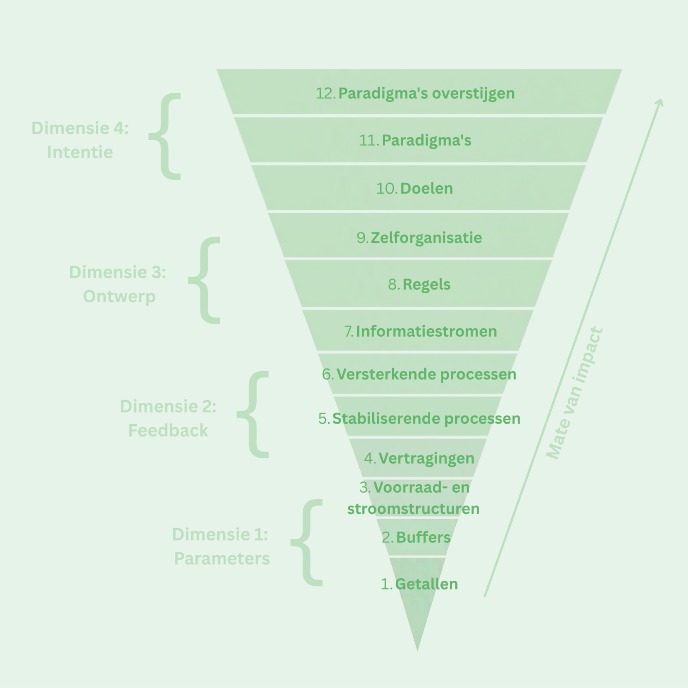
After the Second World War, Dutch agriculture was organized around maximum food production at low cost, resulting in soil depletion and economic uncertainty. Despite various initiatives, it has proven difficult to steer agriculture in a different direction. What does a genuine agricultural transition require? Post-doc researcher Noortje Wauben (CDLT) wrote an article on how this can be examined from a scientific research perspective.
Insects against invasive plants: what can bioagents mean in practice?
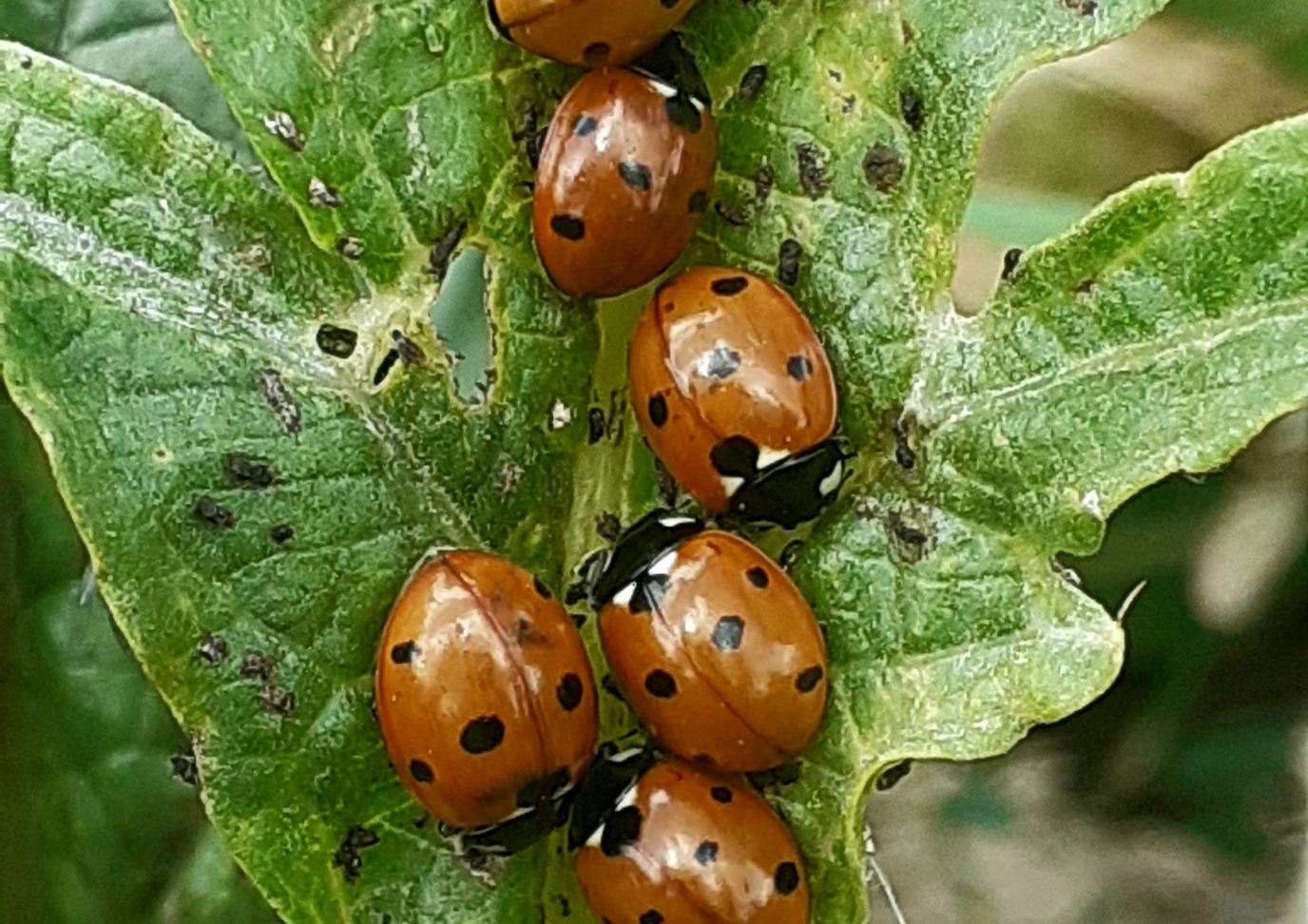
Imagine this: a plant suddenly appears along a ditch on your farm that you would rather not have there. You remove it, but a few weeks later, it has returned. Controlling invasive species is a complex challenge. In this article, Joost Besijn explores the possibilities and applications of bioagents to weaken these plants.
Arable farming in transition towards a profitable and future-proof sector

Alongside its role right at the heart of agricultural practice and its transition, the Centrum voor Duurzame Landbouw Transitie (CDLT) also plays an important role in scientific research. As part of one of the PhD research projects at CDLT, Thom Dijkstra is studying the business-economic consequences of the transition for arable farmers. For this research, he is talking with farmers, advisors and industry specialists. Hessel Kingma, arable farming sector specialist at Countus, is one of them. Read on here.
Diversity for Future-Proof Agriculture
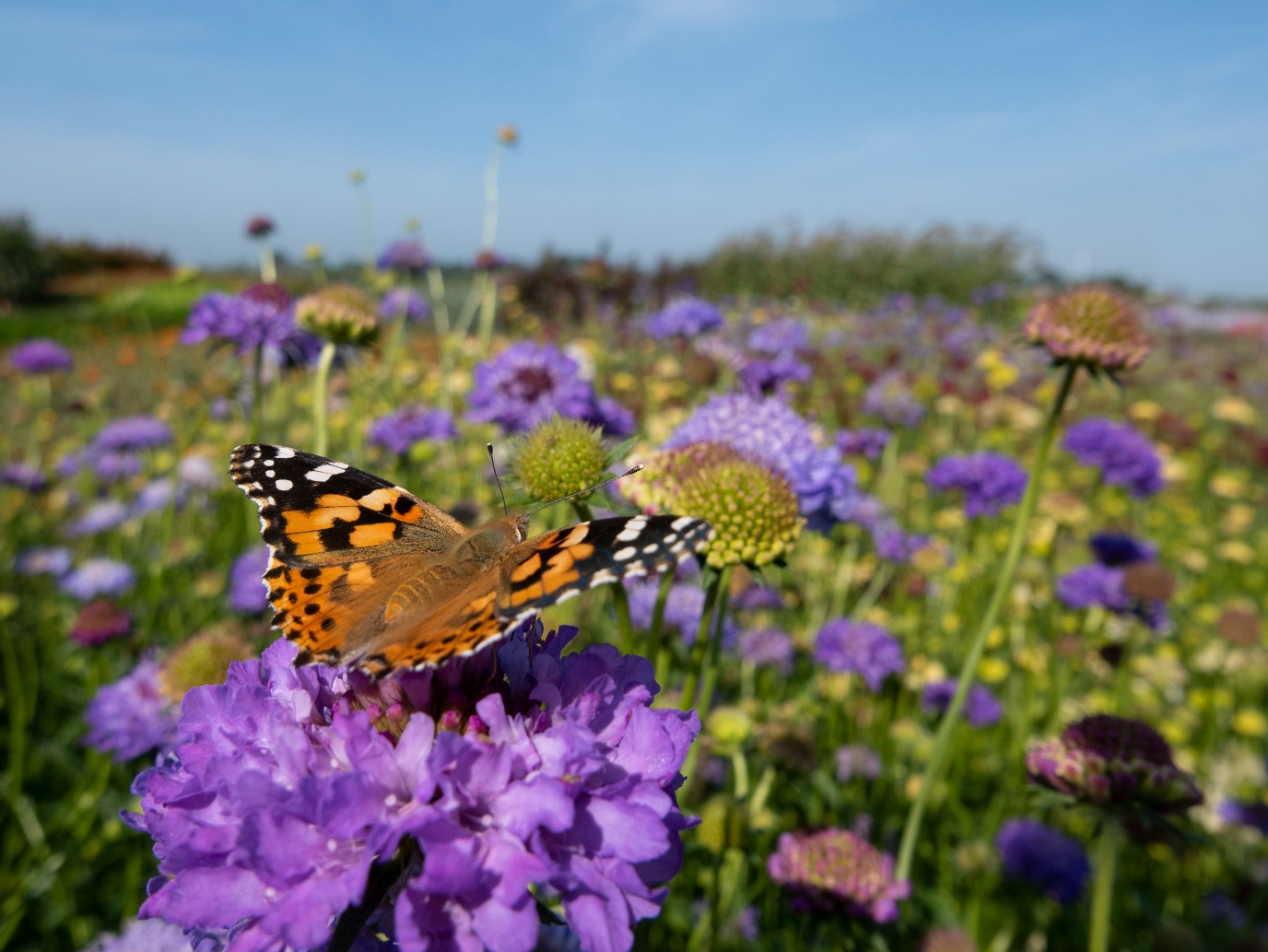
May 22 is International Day for Biological Diversity, a great opportunity to highlight the importance of biodiversity and to explore how we can work together to address it.
What is biodiversity?
When we think of biodiversity, we usually think of species diversity (for example, a field margin with cornflowers, yellow ragwort, various clover species, and caraway). But it can also refer to the variation in genetic material within a species or population (for example, different eye colors in humans) or the variation in landscapes and ecosystems. High diversity means there is a lot of variation; in a place with low diversity, for example, only a few species are present. Curious to learn more? Read on here.
Jelle Oenema on organic farming, entrepreneurship, and future prospects
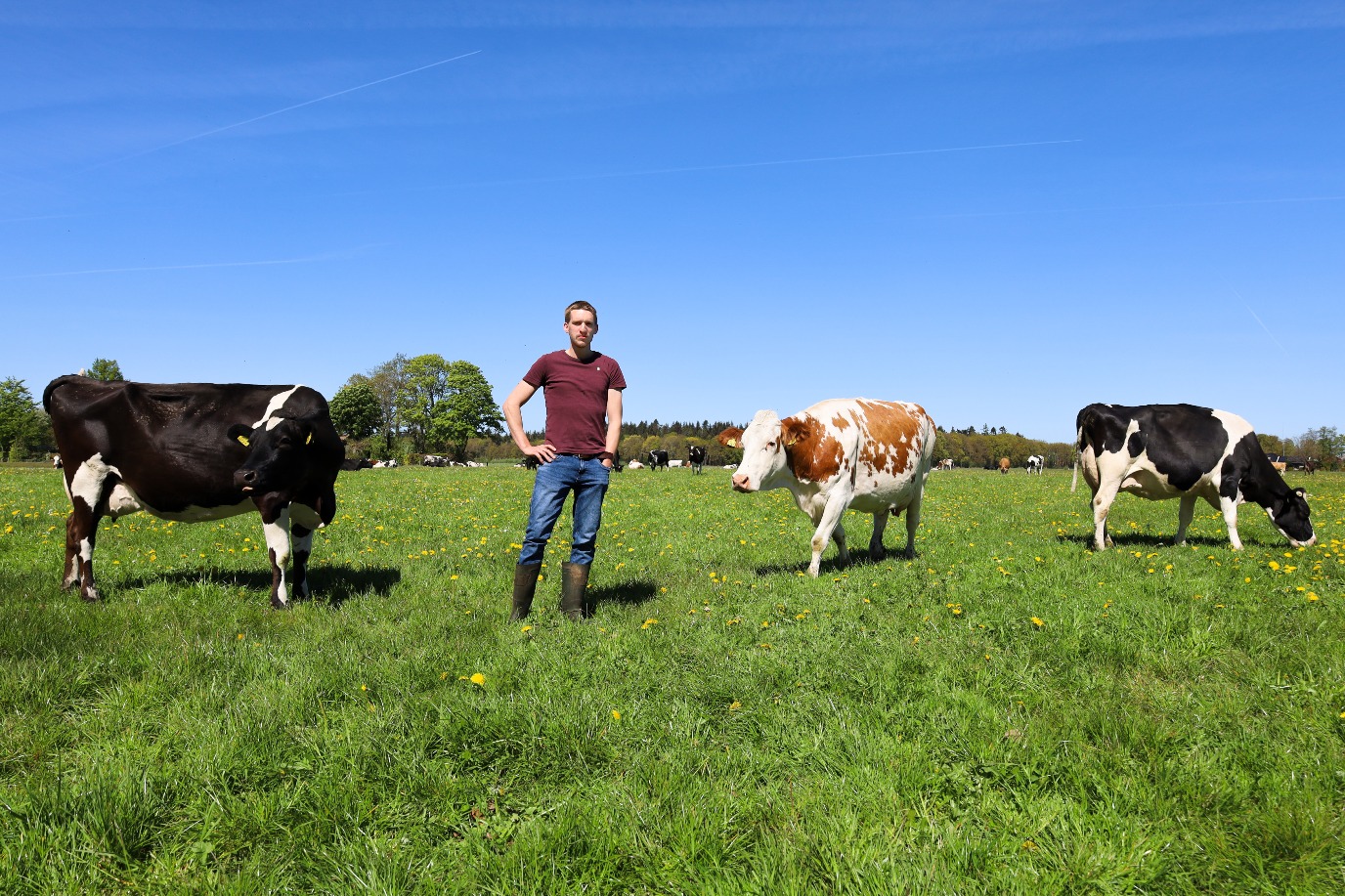
In an agricultural sector that is constantly changing, young farmer Jelle Oenema is looking for ways to make his farm future-proof. At the organic dairy farm where he currently runs a partnership with his parents—and is gradually working toward taking over the business—he strives to combine sustainability, entrepreneurship, and practical feasibility. Not based solely on ideals, but on a central question: how do you build an agricultural system that remains both ecologically and economically strong?
What immediately stands out during the conversation is his open-mindedness and curiosity. Jelle attends field meetings, delves into new forms of agriculture, and actively observes how other farmers work. At the same time, he remains down-to-earth. In his view, sustainability must not only sound good but also fit within a sound business model. Discover the full interview via this link.
Offer farmers a vision for the future, not just policies
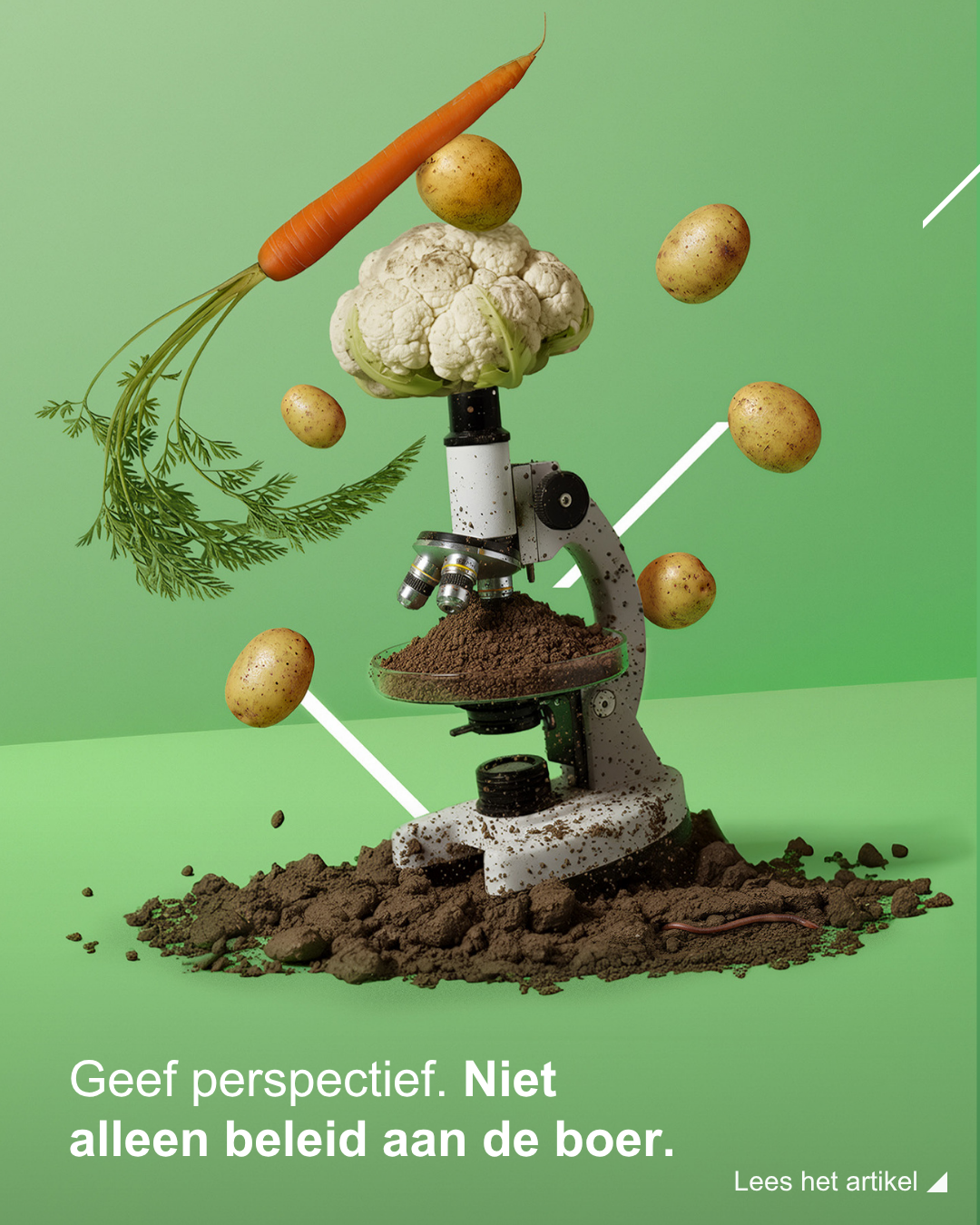
The position of farmers in the agri-food sector is coming under increasing pressure. Farmers are facing stricter regulations, rising costs, and a market that revolves primarily around low prices and high production. At the same time, there is a lack of a clear long-term vision for the future of agriculture, forcing farmers to operate in uncertainty and constantly adapt to changing policies. As a result, current policy often focuses on short-term solutions and generic measures, while the complex reality of agriculture demands much more than uniform rules. This perpetuates the negative consequences of the current food system, such as soil degradation, loss of biodiversity, and dependence on chemical inputs. Read more here.
Between Pressure and Perspective: Building a Future-Proof Agriculture
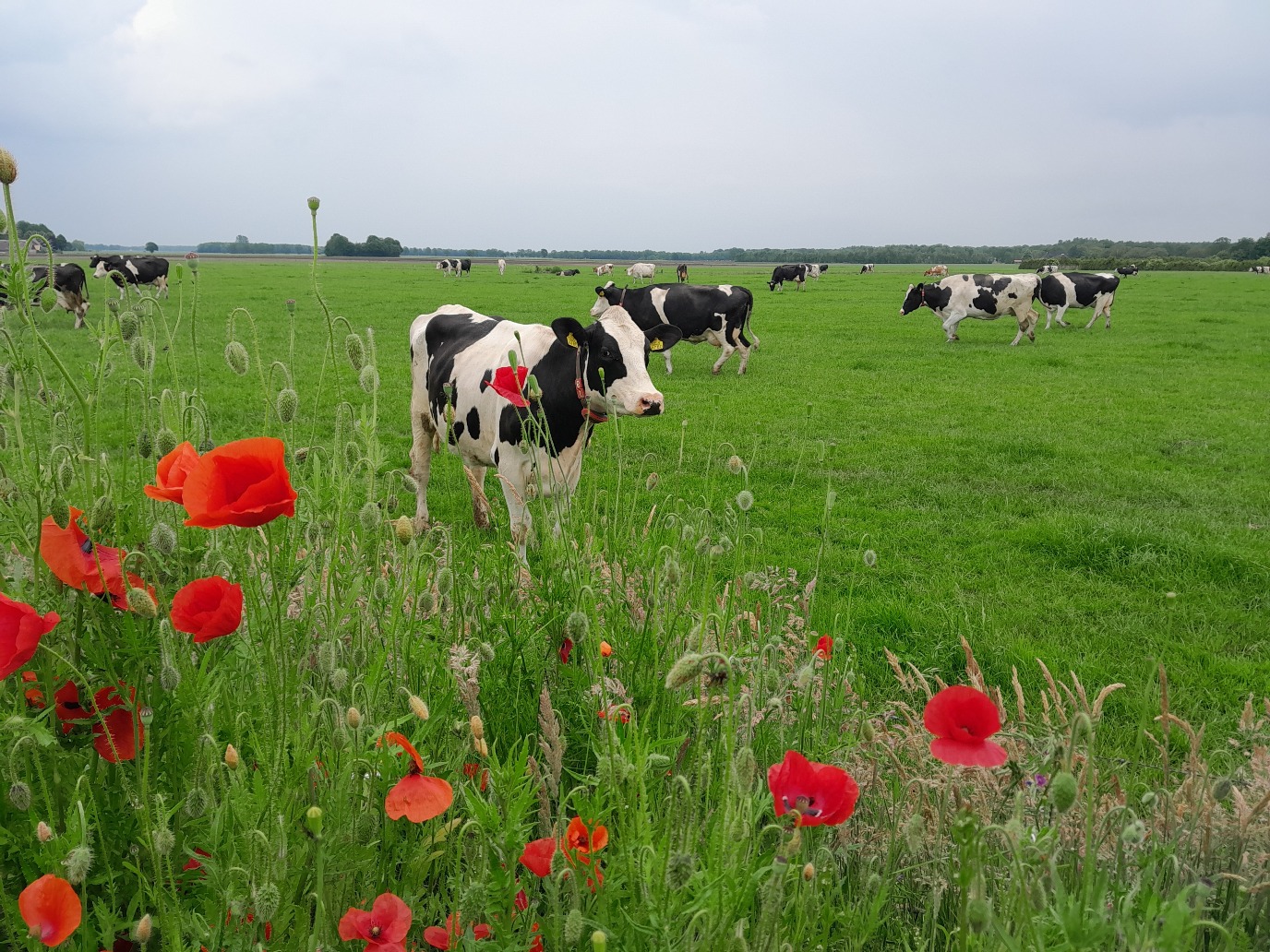
The transition to sustainable agriculture requires a united effort. ELAN is one of the organizations that, like the CDLT, is working toward a future-proof sector. Because one thing is certain: we cannot tackle this challenge alone.
In Friesland, farmers, administrators, and regional organizations collaborate within ELAN, a collective for agricultural nature management. In this capacity, Secretary Wout van Vulpen and Chair Grytsje van der Sluis speak daily with farmers about the realities, policies, and future of the sector. Those realities are challenging. Farmers want to move forward, but they’re operating within a system that’s causing friction. Regulations are piling up, goals are conflicting, and a clear direction is lacking. What does that mean for entrepreneurship on the farm? And what’s needed to truly make sustainable agriculture possible? In this conversation, they share their experiences, concerns, and perspectives on change. Discover the full interview via this link.
The soil as a driving force for innovation: a system that works for both farmers and society
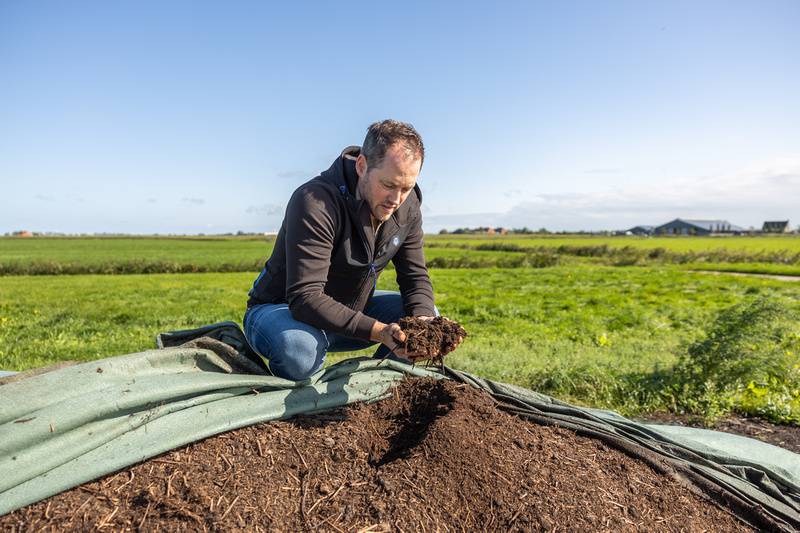
Pieter van der Valk of Agricycling doesn’t think in terms of individual measures, but in terms of systems. For him, the soil isn’t a production facility, but the beating heart of circular agriculture. We barely tap into its recycling capacity, he argues. And that’s a missed opportunity for farmers, for the soil, and for society as a whole. Because the soil is not a factory, but a natural recycling machine: it absorbs minerals, produces raw materials, and stores energy. A system that is naturally efficient, but one that is hardly rewarded in our current agricultural practices. Curious about the whole story? Read more here.
De stem van het erf, interview with Jelle Pilat
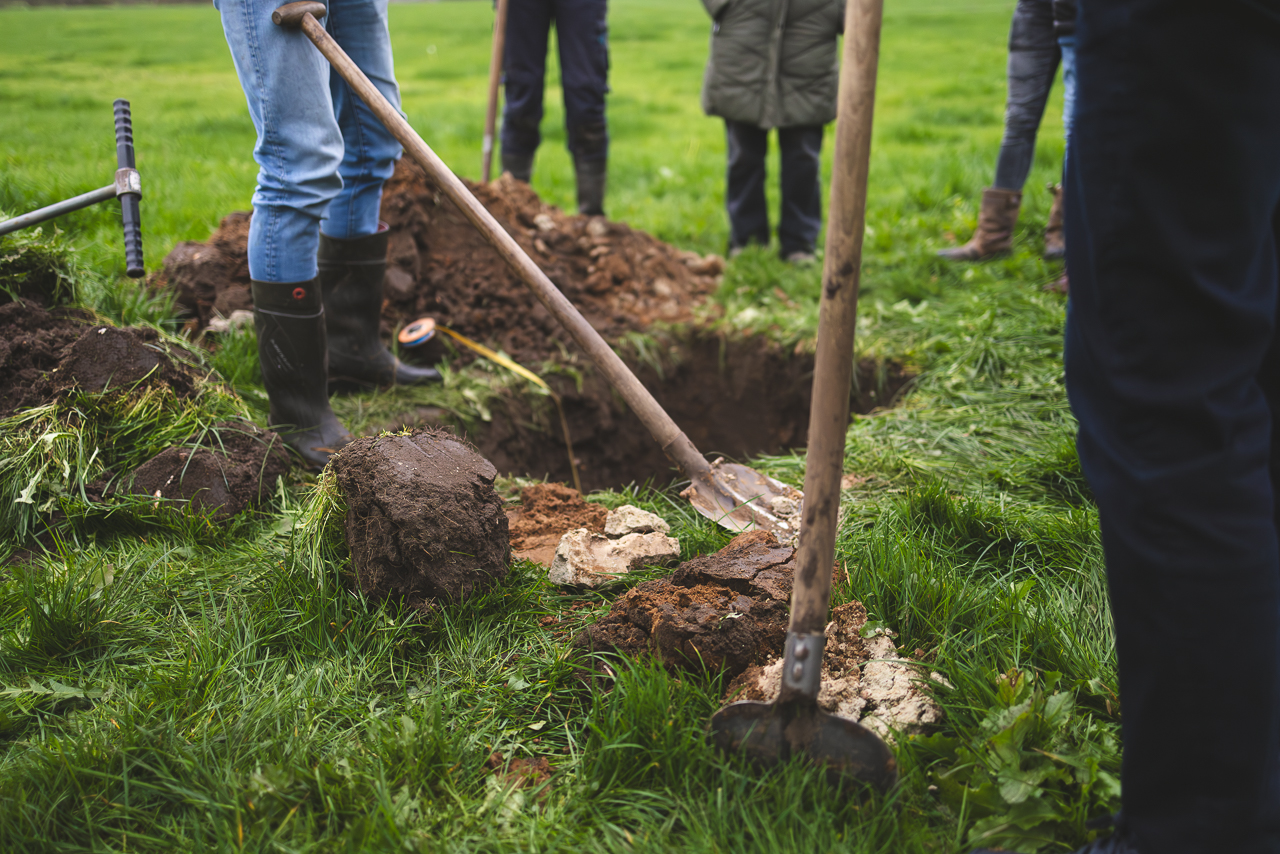
Picture: Binne Louw Katsma fotografie
The voice of the farm
As a farmer, how do you implement nature conservation when pressure from policy and the market continues to mount? In Northeast Friesland, the Noardlike Fryske Wâlden demonstrates that there is another way: through a region-specific approach centered on collaboration, craftsmanship, and knowledge.
Together with nearly eight hundred farmers and land users, work is done here every day to promote biodiversity, the landscape, and future-proof agriculture. Not as isolated measures, but in a cohesive manner—tailored to what the area requires and what the farm can handle.
At the same time, the system is causing friction. Generic policies, a mounting workload, and unclear long-term goals make it difficult for farmers to stay the course. That is precisely why this initiative advocates for an approach that does justice to what is already happening—and that offers farmers a vision to build upon.
Because one thing is clear: farmers are willing. Now it’s up to the system.
Read the interview with Jelle Pilat of the Noardlike Fryske Walden here
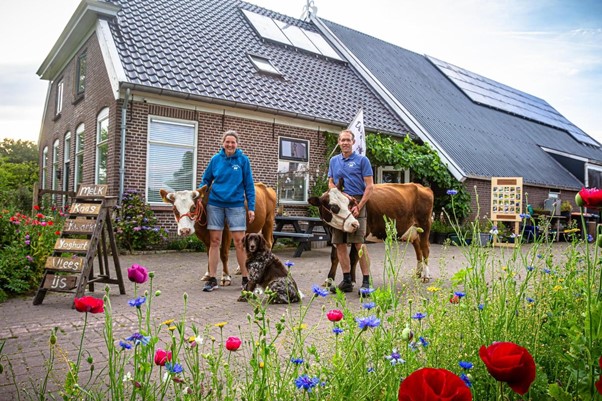
De Zeven Koeien Cheese Farm
Between Soil and Policy
Emelie and Roelof André run De Zeven Koeien cheese farm in Doldersum. They process the milk from their seven cows into cheese, yogurt, and quark, which they sell directly in their farm shop. Short supply chain, independent management.
At the same time, they operate in an agricultural system that is fraught with tension. Uncertain policy, short-term leases, and conflicting market incentives make investing in soil and the future complicated. What does this require of farmers? And what is needed to offer real prospects?
Curious to find out how Emelie and Roelof André are working in practice to develop an agricultural system that is both ecologically and economically sustainable? Read the full interview here.
News
Which would you choose? Nature or the economy?
Maybe both are possible…
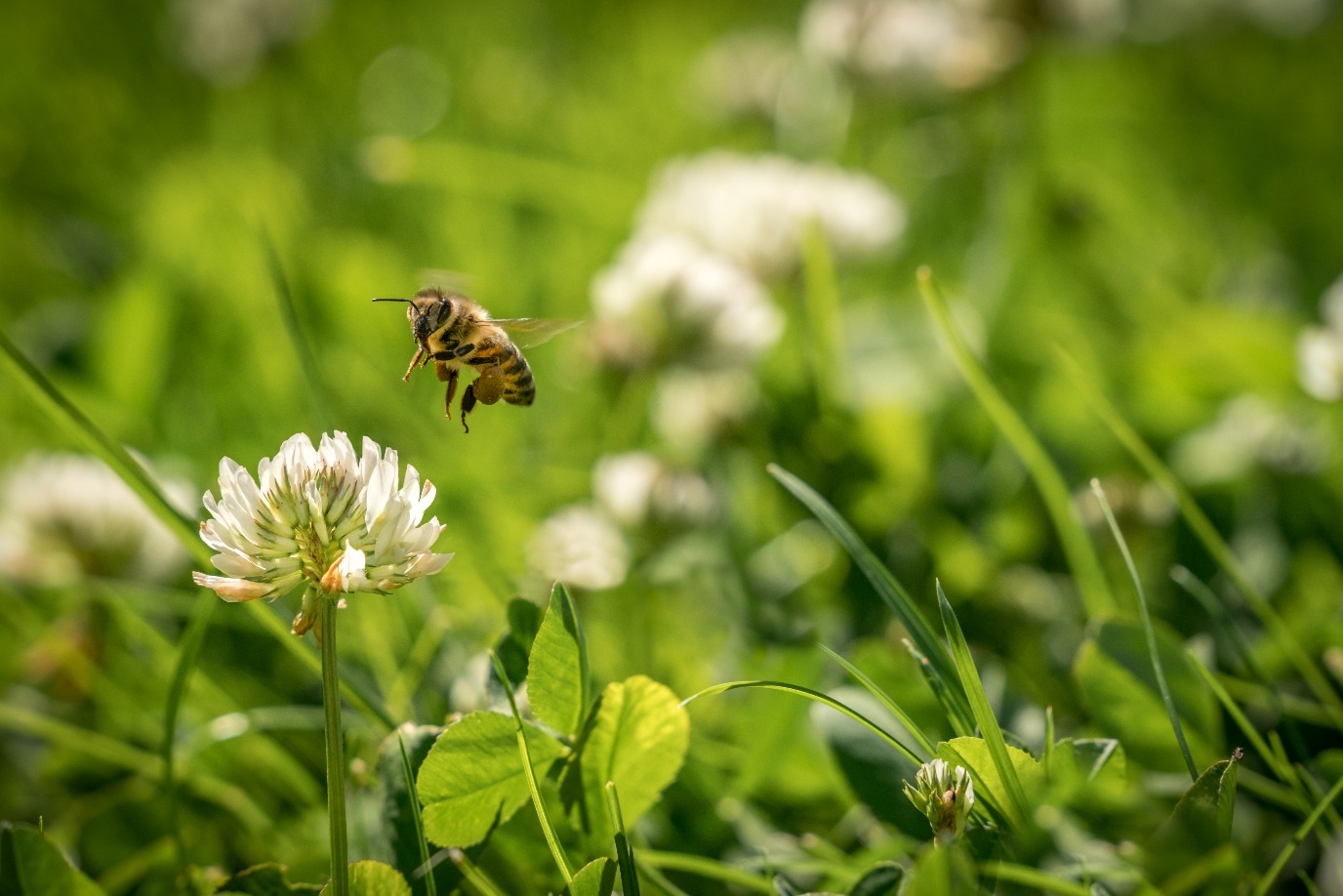
Does agriculture have to choose between production, profit, and nature?
Agriculture faces a major challenge: producing enough food for a growing global population while restoring nature and enabling farmers to build a good livelihood. But is this goal actually achievable? Is it possible to combine nature restoration with high food production and a profitable farm? It is often thought that it is not. Nature and the economy are often seen as opposites, making it seem as though a choice must be made. Economic interests often take precedence, which is evident in biodiversity loss, climate change, and soil depletion.
But it turns out… Research shows that high production, profitable farming, and nature restoration can indeed go hand in hand. Environmental scientists Estelle Raveloaritiana and Thomas Cherico Wanger have studied the long-term effects of agricultural diversification* on four themes, namely: 1) socioeconomic factors (crop yield and income), 2) biological communities (biodiversity, pollination, and pest control), 3) soil quality (water regulation, soil fertility, and nutrient cycling), and 4) combating climate change (carbon sequestration and climate regulation). Read more here.
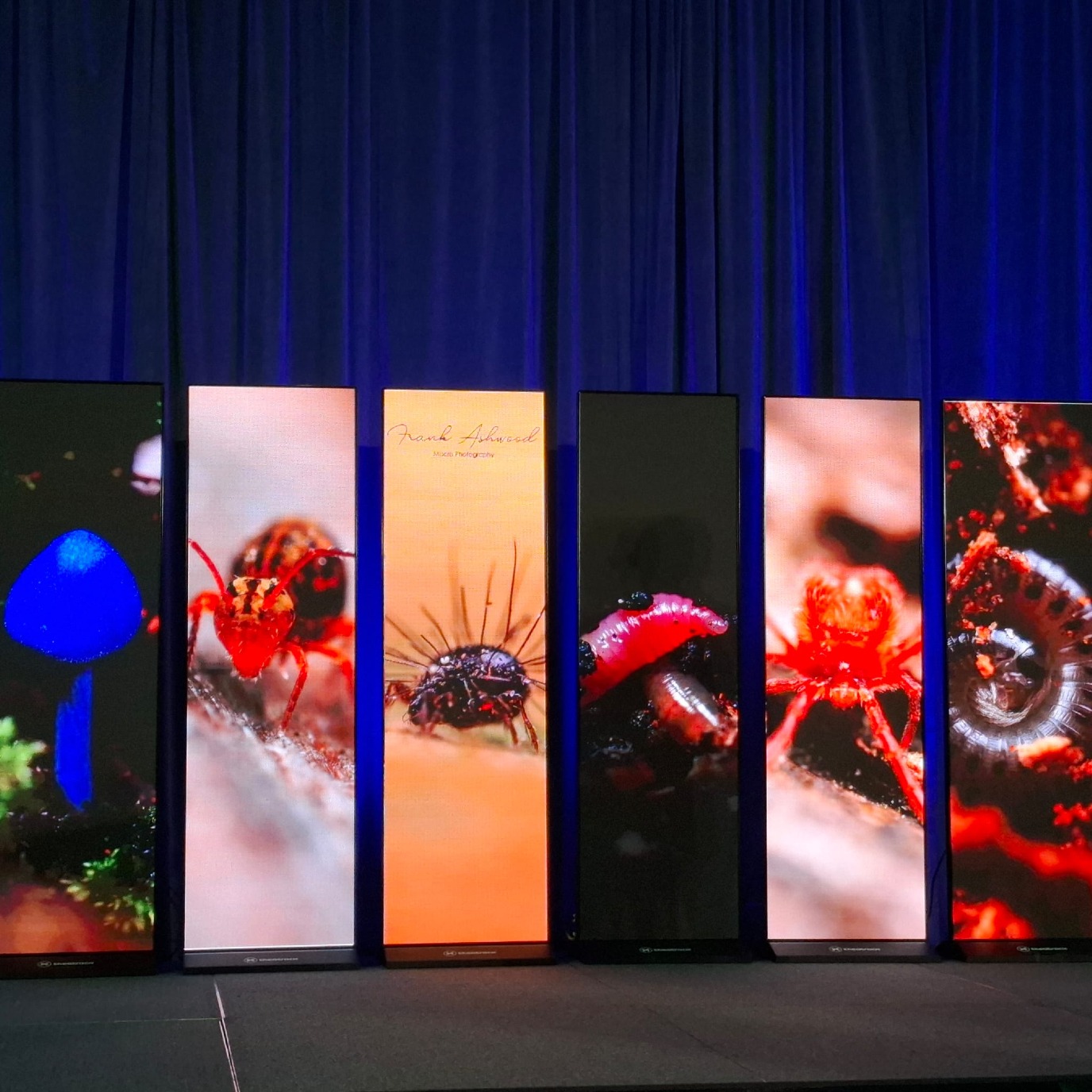
Last week, Victoria, Canada, hosted “The 4th Global Soil Biodiversity Conference – GSB 2026” – an inspiring platform where science, practice, and policy converge. Ingrid van Huizen attended on behalf of the Center for Sustainable Agricultural Transition and the ReGeNL program. The conference reiterated that healthy soil is key to food production, climate adaptation, and ecological resilience.
Read more here
From Farm to Brussels
The Journey Through the Agricultural System (by the PhD students at CDLT)
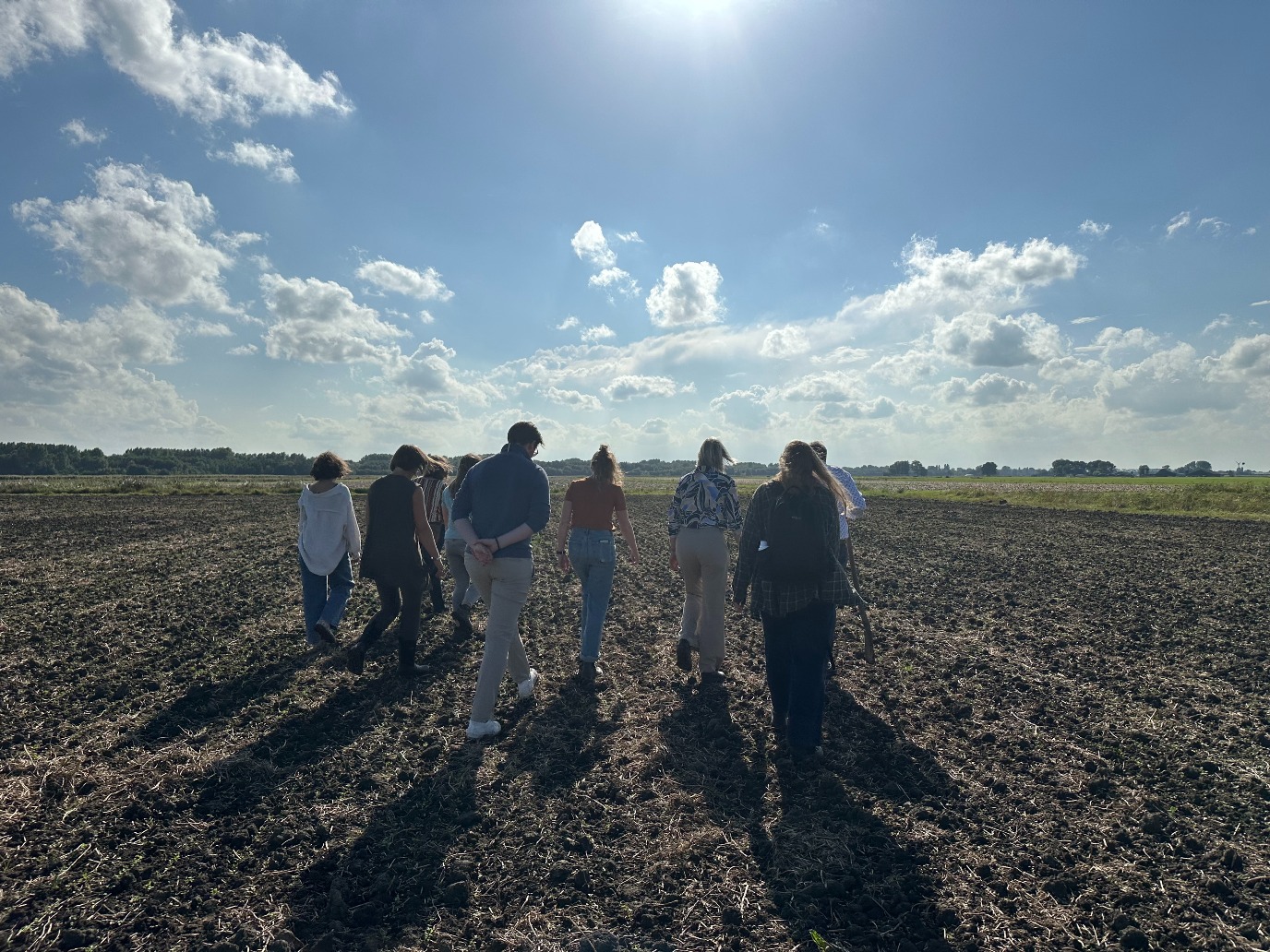
At the CDLT, we are working together toward a transition to regenerative agriculture. The question is: a transition from what, exactly?
We have mapped out the Dutch agricultural system from various perspectives—from the farmyard to policy in Brussels. By examining ecological, economic, and social factors together, we develop a shared understanding of how the system works and where the bottlenecks lie.
This shared understanding is our starting point. Only by understanding the system can we implement targeted solutions and offer farmers a way forward. Along the way, we will gain new insights and refine our understanding of the agricultural system.
Read on and discover our perspective on the agricultural system.
Working together: bottlenecks and opportunities in the transition to regenerative agriculture
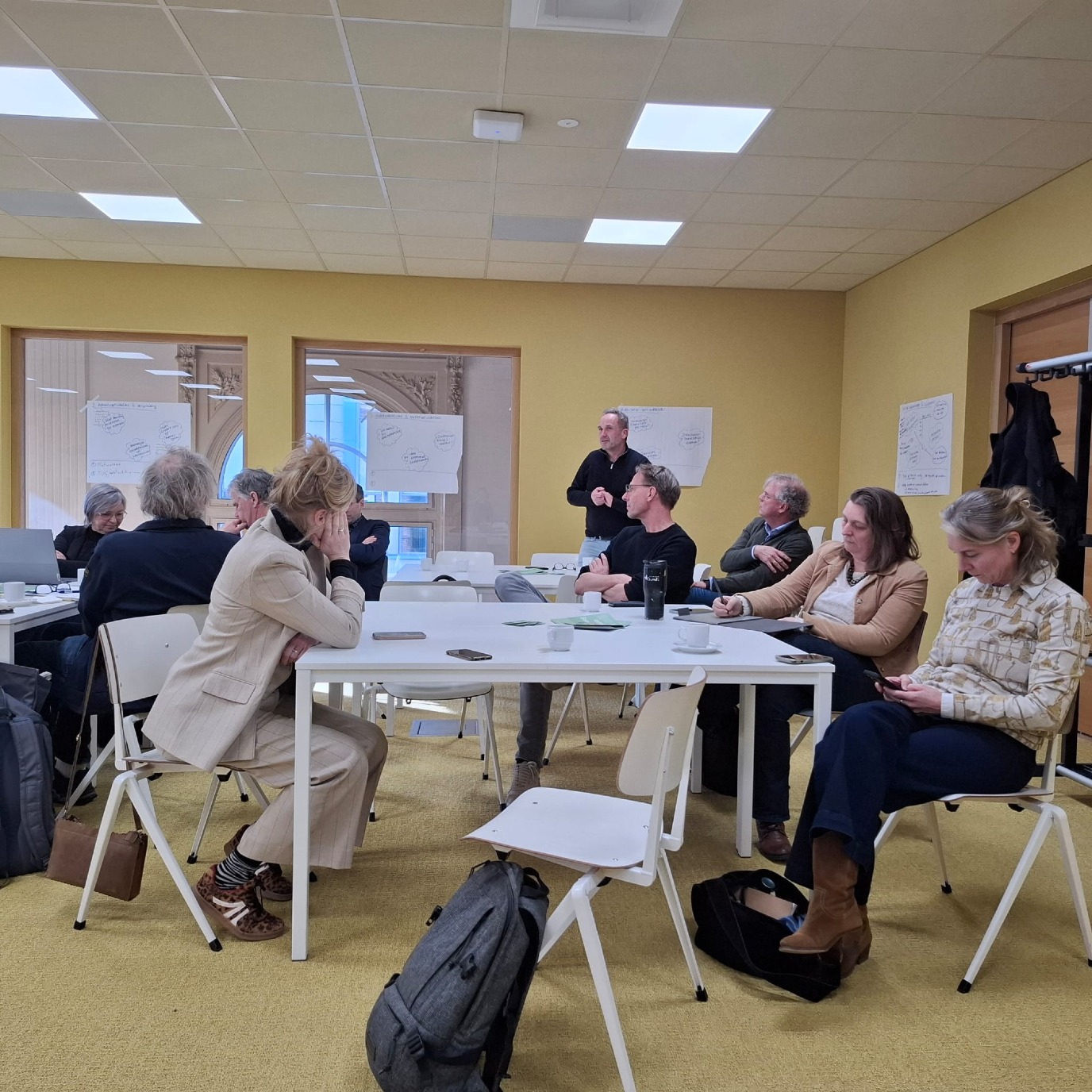
The transition to future-proof agriculture demands a lot from farmers, chain partners, and policymakers. More and more farmers want to move toward regenerative agriculture—for healthy soils, healthy food, and robust business operations. In practice, however, many initiatives encounter the same questions: where is the revenue model, how do we organize the chain, and what preconditions are necessary to scale up?
That is precisely why cooperation is essential. On February 19, the Center for Sustainable Agriculture Transition (CDLT) brought together farmers, chain partners, banks, governments, NGOs, and knowledge institutions at Campus Fryslân. During this in-depth day, we examined where regenerative initiatives get stuck and what interventions are needed to move them forward.
Three initiatives took center stage: regenerative sugar beet, the development of a Dutch chain for naked oats, and a regional tender for social services provided by farmers in the northern Netherlands. Read more here.
Science works — farmers and science working together
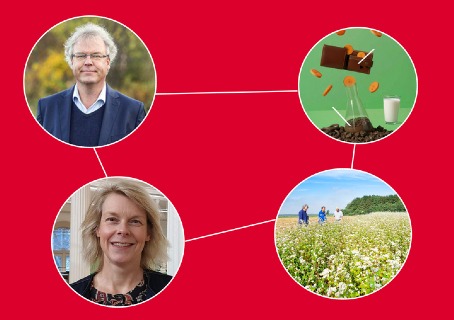
The latest article in the University of Groningen's Science for Society series explains how science can make a real contribution to the agricultural transition when it is combined with practical experience. This article focuses on how farmers and researchers are working together to explore new avenues for regenerative agriculture, an approach that combines ecological health and economic prospects and supports farmers in the transition.
The Center for Sustainable Agricultural Transition (CDLT) is establishing a new way of doing science: not from an academic ivory tower, but with farmers in the field and for sustainable impact. By designing, testing, and learning together on the farm, knowledge is created that is directly applicable and contributes to real change. Read the full article here
Agenda
-
March 24 from 12:30 p.m. to 1:30 p.m. lunch meeting CF
-
April 16 from 4:00 p.m. to 5:30 p.m.: CDLT/Campus Fryslân networking drinks
-
June 18 from 4:00 p.m. to 5:30 p.m.: CDLT/Campus Fryslân networking drinks
-
September 17 from 4:00 p.m. to 5:30 p.m.: CDLT/Campus Fryslân networking drinks
-
November 19 from 4:00 p.m. to 5:30 p.m.: CDLT/Campus Fryslân networking drinks
Previously organized events
-
Networking event: Sustainable Market Transitions, recap
-
Kick-off day for agricultural advisors, read more..
-
Lân fol Libben, Omrop Fryslân