Research projects
The Analytical Biochemistry Group got EU/SNN funding for our proposal in the Just Transition Fund Taking Charge with the following project:
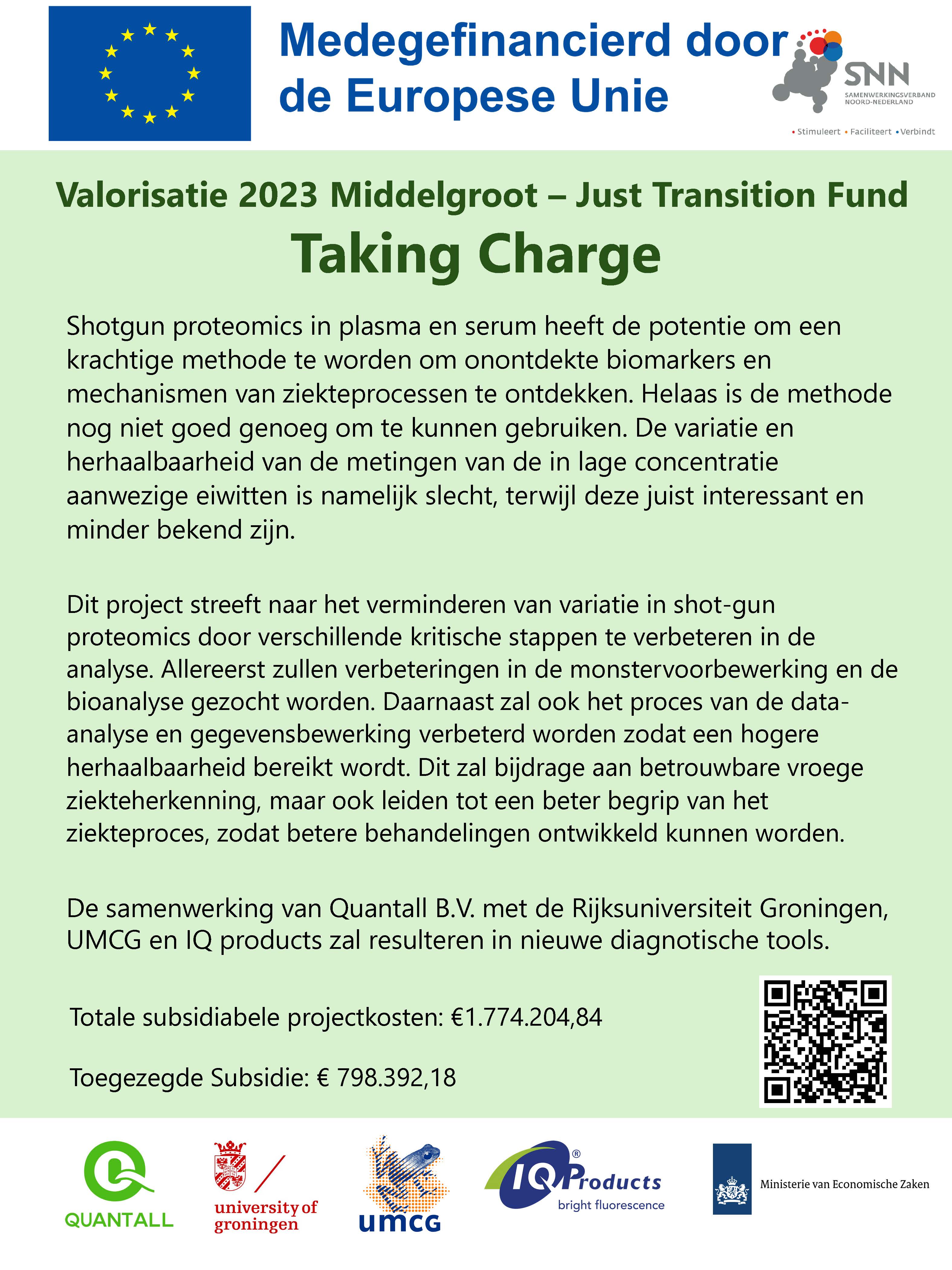
Innovative processes to improve reproducibility in shotgun proteomics and untargeted metabolomics – JTFN-00102 – Taking Charge
The project partners, Quantall BV, the University of Groningen, the University Medical Centre Groningen (UMCG) and IQ Products BV, have formed a strong consortium to advance shotgun proteomics and metabolomics in clinical settings and to develop practical diagnostic tools. The JTF TAKING CHARGE project focuses on improving high-resolution mass spectrometry–based analytical approaches for the identification of clinically relevant biomarkers.
Recent developments in shotgun proteomics have significantly increased the number of proteins that can be identified within a single sample, unlocking access to the individual proteome of patients. Together with advances in metabolomics, this creates new opportunities to discover previously unknown biomarkers and to better understand disease mechanisms, ultimately contributing to improved diagnostics and therapies. However, analytical variability and limitations in current bioinformatics workflows still restrict the reliable translation of these approaches into routine clinical practice.
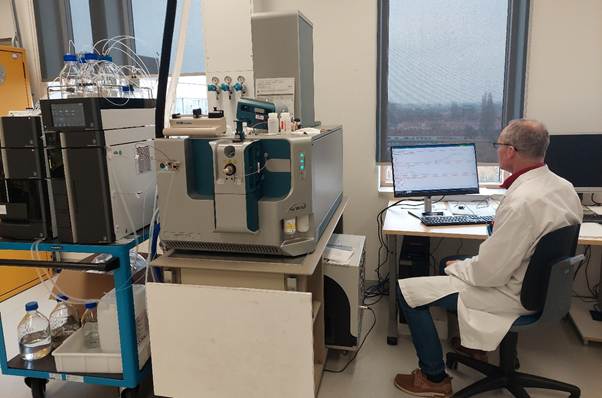
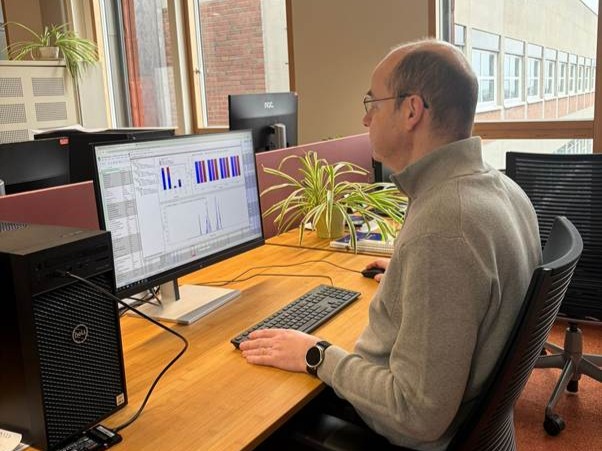
Quantall BV and the bioanalytical department of the University of Groningen combine extensive expertise in bioanalysis, mass spectrometry and bioinformatics to address variation across the entire workflow, from sample collection and preparation to data acquisition and statistical analysis. By systematically optimising each step, including chromatography, mass spectrometry performance and data processing pipelines, the project aims to substantially reduce analytical variation and improve reproducibility. Enhanced sample preparation and refined bioanalytical techniques will generate more robust and reliable datasets, increasing the likelihood of discovering and validating clinically meaningful biomarkers.
In 2025, the RUG Interfaculty Mass Spectrometry Center (IMSC) and Analytical Biochemistry focused on developing and optimising metabolomics methods to analyse a broad range of endogenous metabolites, targeting panels of 150 or more compounds to complement existing lipidomics workflows. These developments form the foundation for high-throughput profiling of clinical samples using LC-MS/MS and mass spectrometry imaging (MSI) in 2026. Following analytical validation, the optimised workflows will be applied to clinical materials in collaboration with the UMCG. Identified biomarkers will be validated using complementary techniques and subsequently translated into user-friendly diagnostic kits in partnership with IQ Products BV.