Why study Religion, Conflict and Globalization?
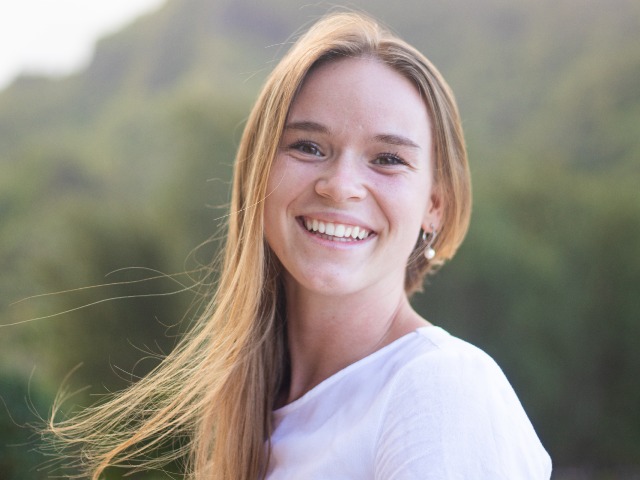
My name is Talia, and I’m from Canada. I’m pursuing an MA in Religion, Conflict, and Globalization while also navigating life as a wife and mother to a lively two-year-old. Between readings, assignments, and toddler adventures, every day is busy—but incredibly rewarding.
Before this, I studied in the USA in Hawaii, where I completed my degree in Intercultural Peacebuilding at a university where over half the students were international. Being part of such a diverse community sparked my interest in how people from different backgrounds can connect, learn from one another, and build lasting understanding. Pursuing an MA in Religion, Conflict, and Globalization felt like a natural next step after my bachelor’s. Given my background and as someone who is personally religious, I have become interested in how religion influences peace. I have experienced firsthand how faith can bring strength, guidance, and peace—but I’ve also seen how misunderstandings between faiths can create barriers. That tension drives me: I want to help people connect across beliefs, discover shared values, and use that collective strength to build peace. These experiences sparked my curiosity about what makes the difference. This field is also especially relevant today, as so many global challenges—wars, land disputes, climate change, immigration, and politics—are shaped by religion in ways that aren’t always obvious. This MA gives me the tools to explore these dynamics and consider how religion can be part of the solution, not just the problem.
One of my favorite courses so far has been Religion, Conflict, and Peacebuilding. It feels closely connected to my background while also challenging me to think more critically. We’ve explored how religion has been used throughout history—and in current global events—as both a tool for conflict and a force for peace. One idea that has really stayed with me is that religion itself is not inherently one or the other; it all depends on how it is interpreted and lived out. These insights have also shaped my thesis research, where I’m using skills from this MA program to explore a historical trauma related to racism in my religious community. With these tools, I am approaching this history thoughtfully and am investigating how we can move forward with reconciliation and healing. This work has made my studies feel even more meaningful and personal, as I am able to apply what I’m learning directly to my community, helping create a space for understanding, growth, and positive change in a space I care deeply about.
I am also applying these ideas in my internship abroad, where I oversee youth engagement in interfaith initiatives across England. This experience allows me to put theory into practice while learning how to create spaces where people feel safe sharing their perspectives, even on sensitive topics. I’ve also been practicing how to ensure that every voice is heard and respected, which has been invaluable in understanding how dialogue can truly build connection and trust.
Looking ahead, I hope to work with NGOs or within the government to facilitate interfaith initiatives and programs. I am open to working anywhere in the world, but my goal remains the same: to bring people together across religious differences. I believe interfaith engagement is a powerful catalyst for peace—one that can challenge stereotypes, build empathy, and create meaningful, lasting connections.
Talia Pedersen is an MA student in Religion, Conflict and Globalization at the faculty of Religion, Culture and Society. This post is the first of a series - in the next posts Talia will elaborate on her internship and thesis.