
From Theory to Practice: My Internship with the United Religions Initiative UK
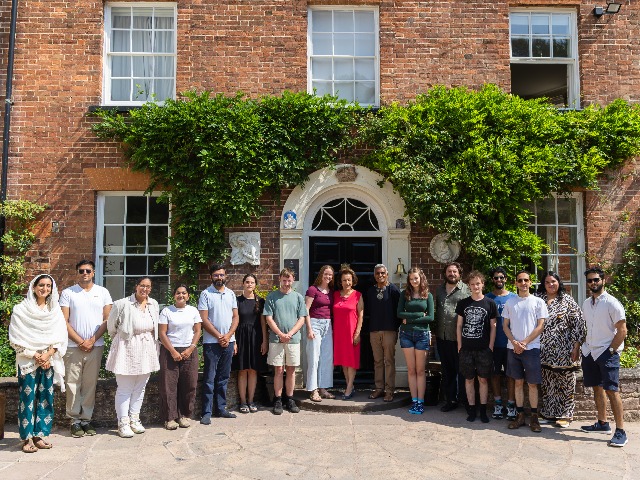
This summer, as part of my MA in Religion, Conflict, and Globalization, I had the opportunity to complete an internship with the United Religions Initiative UK. Through this degree, I have become increasingly interested in working with interfaith organizations to build relationships between different religious communities, strengthen communities, and ultimately contribute to peacebuilding. My internship allowed me to put these goals into practice.
My primary responsibility during the internship was coordinating a four-day Youth Interfaith Leadership Retreat in England, bringing together 14 young people representing 10 different faith traditions. With the support of a program lead, I oversaw the retreat from start to finish, coordinating logistics, communicating with participants, organizing the schedule, and planning and facilitating workshops focused on interfaith dialogue, leadership, peacebuilding, and community building.
Planning the retreat gave me the opportunity to draw on many of the skills I have developed through both my bachelor’s and master’s degrees. From organizing the schedule and activities to designing workshops, I carefully considered how each part of the retreat could create opportunities for participants to share their perspectives, ask questions, and learn from one another. My goal throughout the planning process was to create an environment where participants could move beyond simply learning about different religions and instead build meaningful relationships rooted in trust, respect, and understanding.
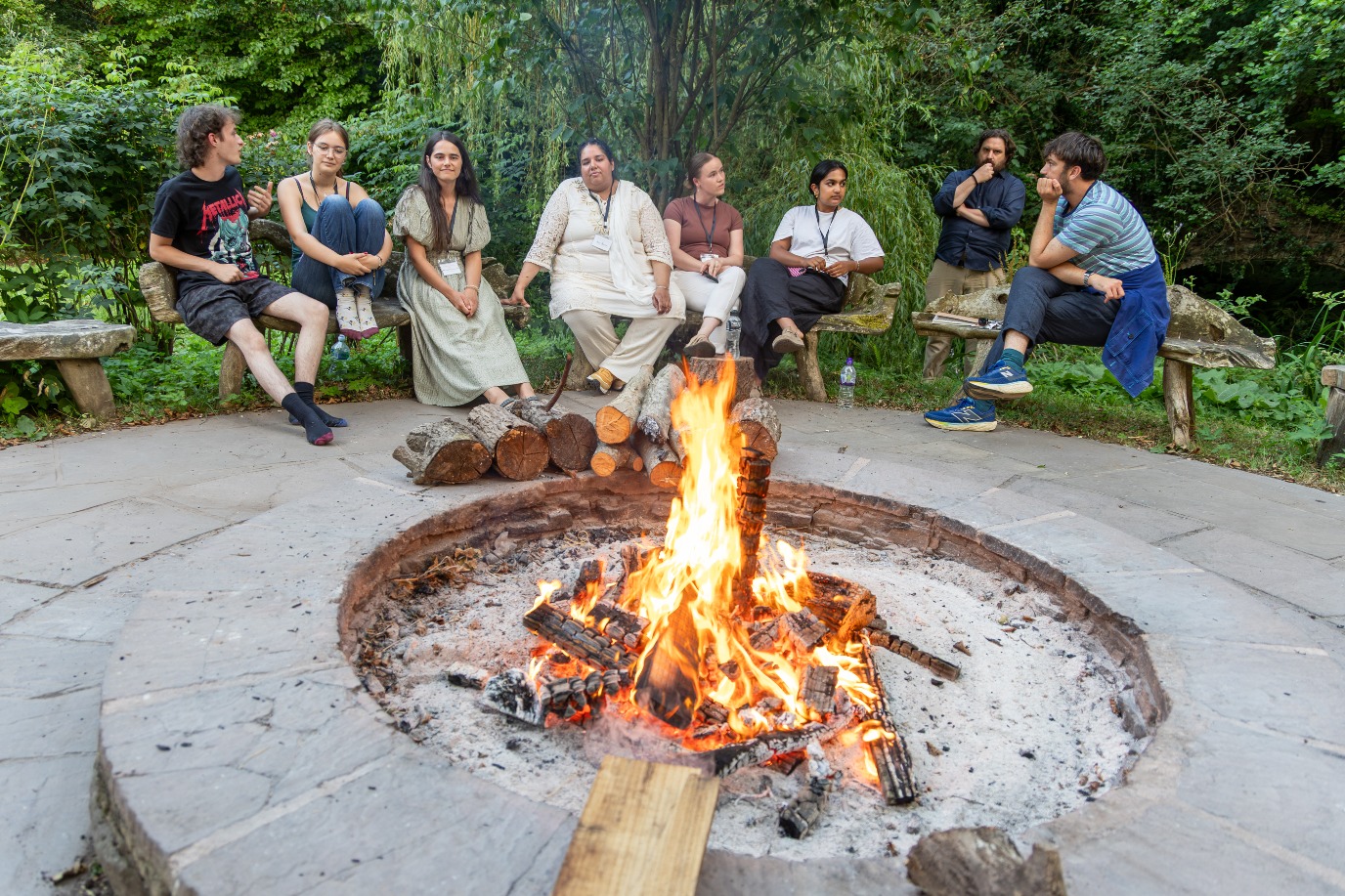
During the retreat, I oversaw and facilitated the various sessions, ensuring that participants felt supported and had a positive experience throughout the four days. One of the most rewarding parts was watching—and being part of—the relationships that developed between young people from vastly different backgrounds, experiences, and faith traditions, yet who were united by their shared identity as people of faith. It was amazing to see how, over the course of the retreat, participants became increasingly comfortable with one another, engaging in meaningful conversations, asking thoughtful questions about each other’s beliefs, and making plans to stay connected beyond the retreat. This reminded me that, at its heart, peacebuilding and interfaith work is about relationships. While workshops, discussions, and programs can create opportunities for connection, it is the relationships that make the work meaningful.
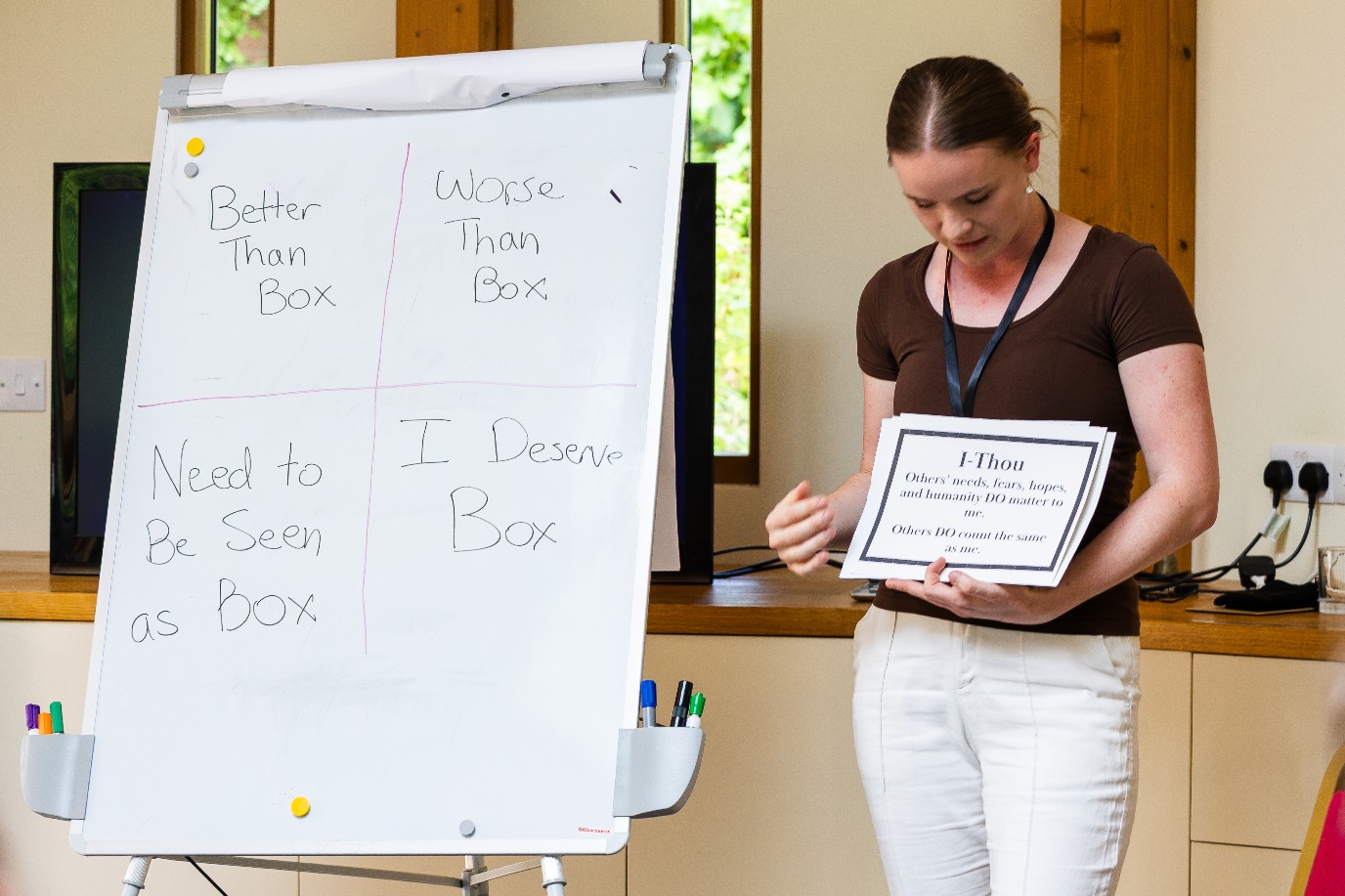
The retreat also gave me an unexpected opportunity to learn about leadership and conflict transformation. Halfway through the retreat, a challenging situation arose that deeply affected several participants, requiring me, as the retreat host, to lead the group through conflict transformation. While navigating the situation, I learned and re-learned several powerful lessons: vulnerability can invite vulnerability in others; acknowledging when you have made a mistake as a leader can be empowering; every voice deserves to be heard and respected; and trust and strong relationships are essential when navigating conflict. Most importantly, I was reminded that, at the heart of leadership and conflict transformation, it is ultimately about the people. This became one of the most valuable learning experiences of my internship because I was able to see the principles I had studied throughout my MA come to life in a real and challenging situation.
One of the most encouraging parts of the experience was seeing that the relationships built during the retreat extended beyond those four days. Participants expressed a strong desire to stay connected, continue engaging in interfaith discussions, collaborate on future initiatives, and support one another’s leadership. Seeing their enthusiasm for continuing these relationships reminded me that the impact of this work does not end when a program does. The connections and trust built through these experiences can become the foundation for continued collaboration, community building, and peacebuilding long after the retreat is over.
This experience showed me that the principles I study in the classroom can have a meaningful impact in real communities. More importantly, it strengthened my belief that peacebuilding begins with relationships—by creating spaces where people can listen to one another, build trust, and find connection across differences. I am incredibly grateful to URI UK for the opportunity to put my studies into practice and to the young people who made the experience so meaningful. I leave this internship with new relationships, valuable lessons, and an even stronger desire to continue working in interfaith engagement and peacebuilding.
Talia Pedersen is an MA student in our Religion, Conflict and Globalization track.