
UG Makers
Every two weeks, UG Makers puts the spotlight on a researcher who has created something tangible, ranging from homemade measuring equipment for academic research to small or larger products that can change our daily lives. That is how UG researchers contribute to the solutions for big scientific and societal challenges. For decades, engineering teaching and research at the UG has been part of a wide array of strong disciplines, and from a national point of view, our collaboration with the four technical universities is becoming more and more intensive.
Materials driven by structure
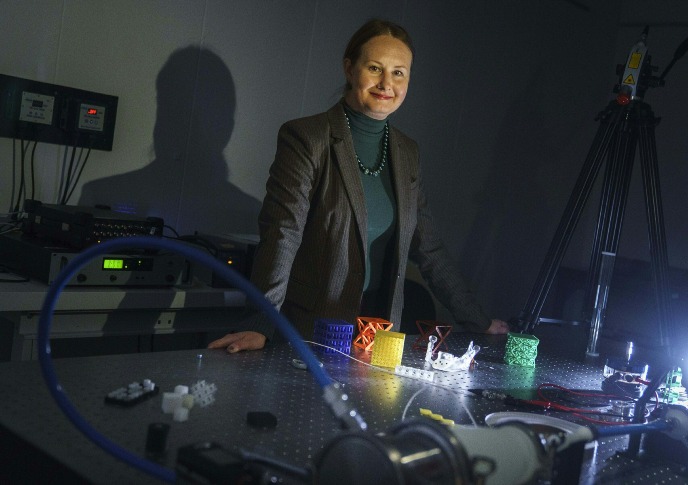
Scientists have always been on the lookout for materials with new, useful properties. Anastasiia Krushynska takes a different approach: she designs and creates metamaterials, whose properties are determined by their structure. These materials have different properties, for example, enabling the development of more precise machines or bone-friendly implants.
A personalized model of the
heart
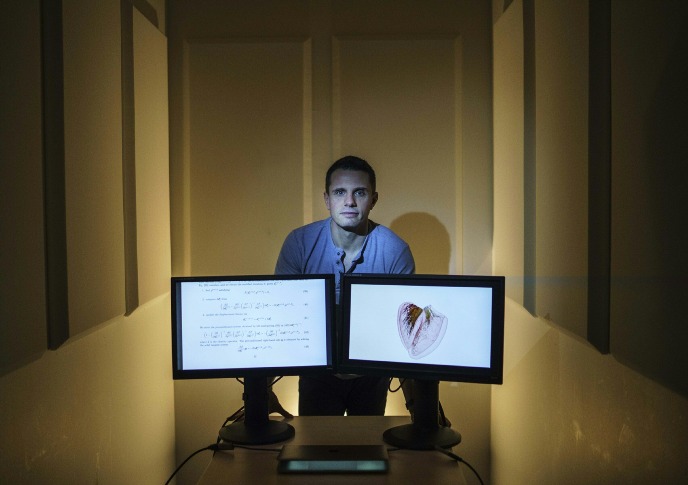
Mathematician Cristóbal Bertoglio creates personalized computer models of the human heart. With his team, he is working on mathematical methods that can infer the information he needs from MRI scans. ‘Such a personalized heart model can help with the early detection of cardiac damage, for instance, or show the consequences of congenital heart disease.’
How kestrels counter chaotic
currents
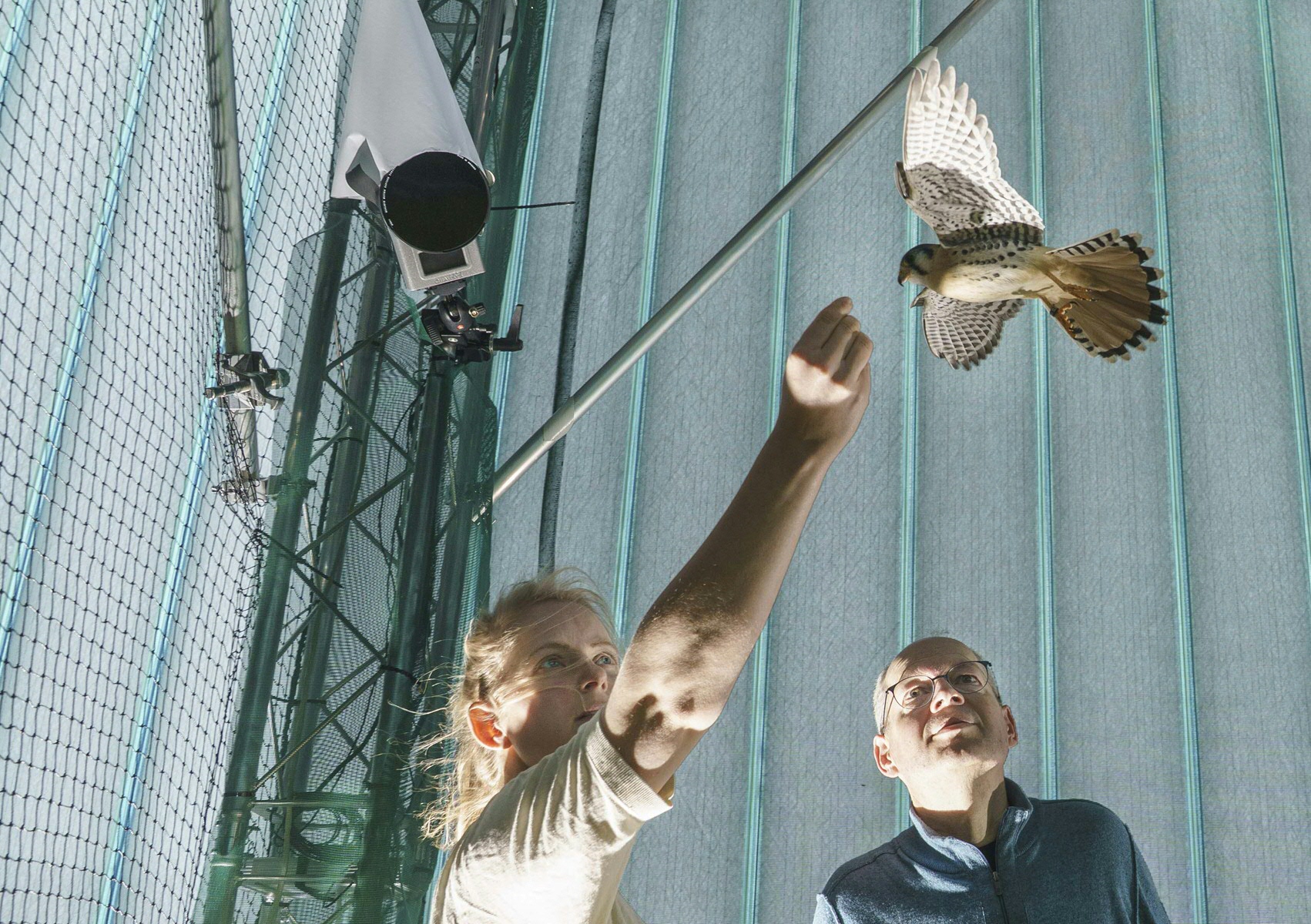
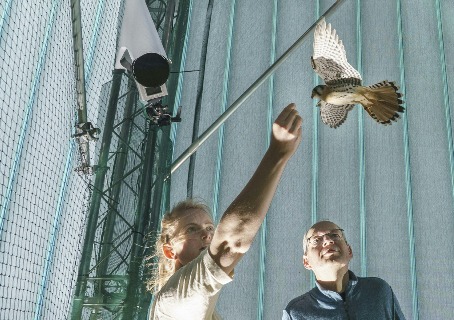
In the Linnaeusborg, an American kestrel can be seen coping effortlessly with turbulence generated by a wind tunnel. Next to him in the flying area are biotechnician (and bird trainer) Josien Janssen and Professor in Biomimetics David Lentink. Lentink’s ambition is to use knowledge about birds’ flight behaviour to improve the flight performance of aeroplanes and drones.
Making robots work together
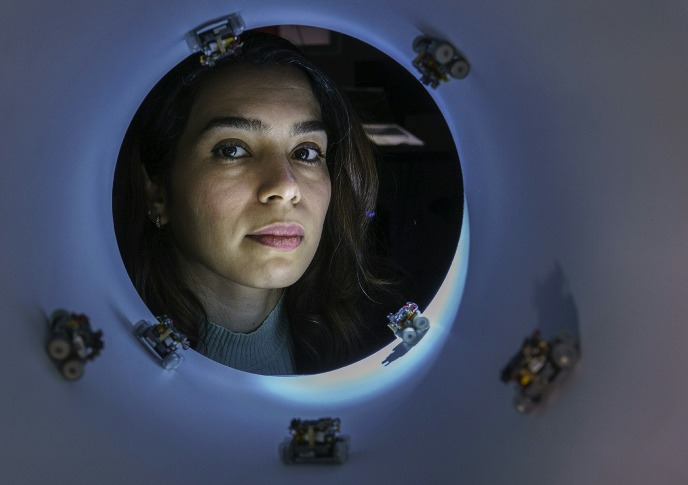
Sepide Taleb builds brains (embedded control systems) for tiny robots that operate in a swarm. ‘Some work on software, others on hardware. My job is to do both and design a robot that is robust enough for practical use.’
Fly like an owl to train your neck
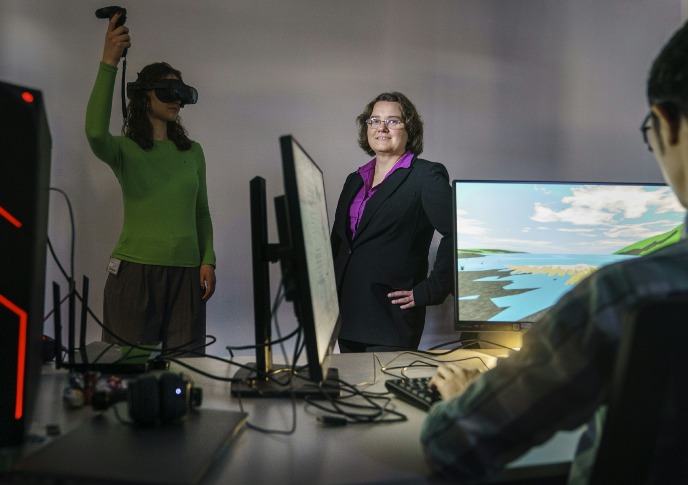
Elisabeth Wilhelm and her PhD-student Luís Felipe García Arias developed a game together with Marina de Koning-Tijssen, a neurologist at the University Medical Center Groningen. The game was developed for patients who experience abnormal movements and postures of the neck due to a neurological disorder called cervical dystonia.
Influencing autonomous robots
for a wide range of applications
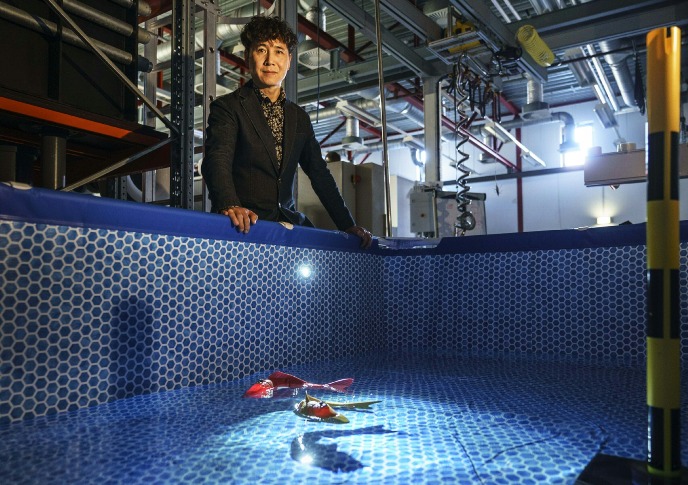
The potential of autonomous robots, especially when they work in teams, is huge. How do we control the decisions these complex systems make so that they can operate safely and efficiently? Professor of Networks and Robotics, Ming Cao (Faculty of Science and Engineering), and his team are working hard to find out.
Engineering Smart Decisions for
a Dynamic World
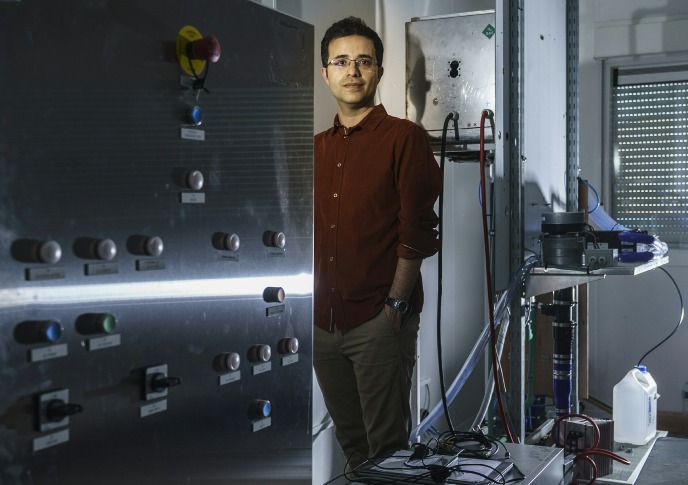
Dynamical systems are at the heart of the modern world. They help explain everything, from how electrical circuits operate to how opinions spread on social media. The real challenge, however, lies in shaping the systems’ behaviour to achieve a specific goal. This is where control theory comes in.
Bringing chemicals together to
speed up reactions
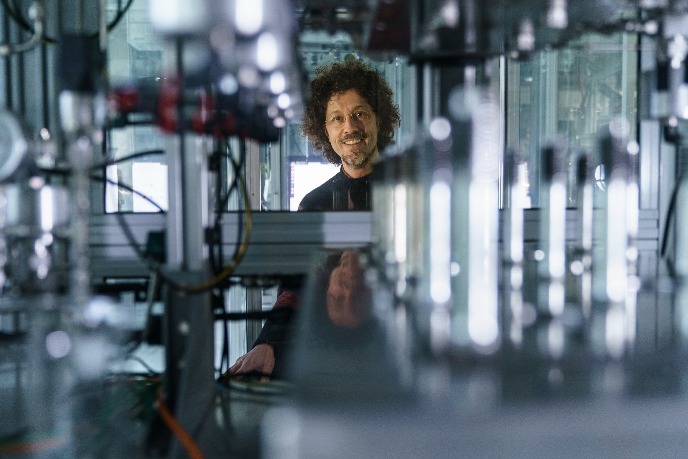
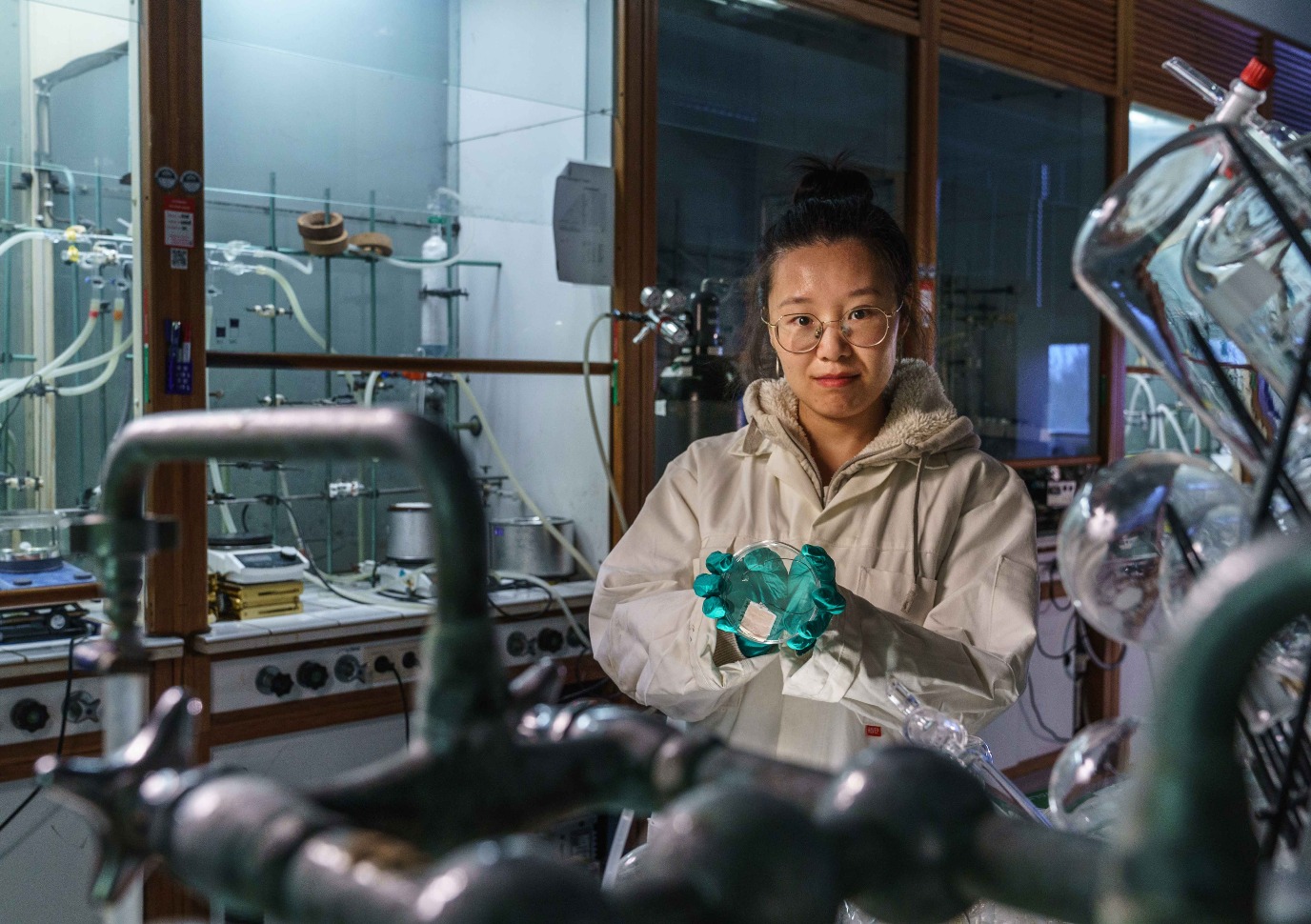
Catalysts are crucial for the chemical industry: they speed up chemical reactions and make them more energy-efficient, without being used up in the process. At the Engineering and Technology Institute Groningen (ENTEG), Paolo Pescarmona designs and builds catalysts, for example to turn carbon dioxide into polymers.
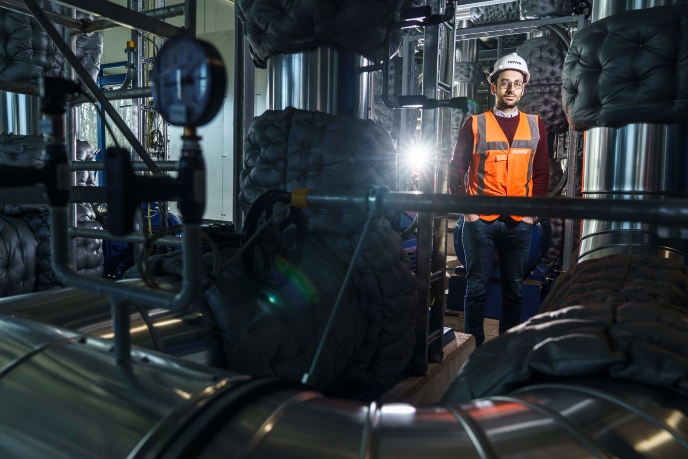
Smart energy management
Grid congestion poses a challenge to our electricity network, and expanding the infrastructure will take time and money. ‘What we can do right now, is manage and optimize what we have as best as we can,’ says Michele Cucuzzella. For example by using peaks in electricity generation to heat and store water which can then be used to heat houses in the city at a later stage.
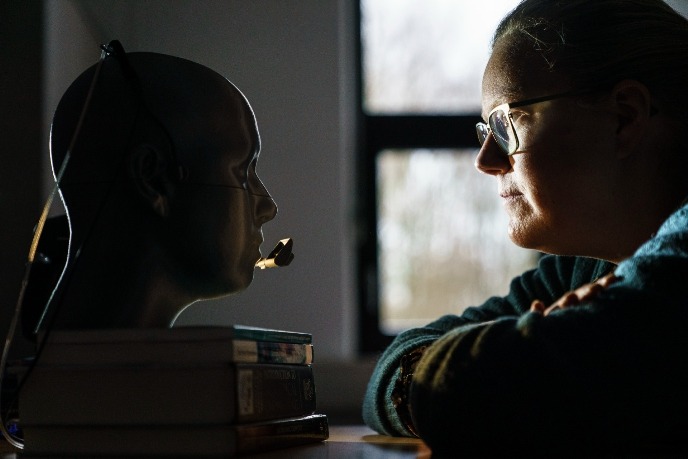
Measuring how strenuous work
is
How much energy does it take to lay bricks when building a wall or to walk with a prosthetic leg? There is a simple way to measure this by determining the amount of carbon dioxide a person exhales. However, being able to do this usually involves using a mask that makes breathing more difficult and talking impossible. Charissa Roossien developed a more user-friendly method.
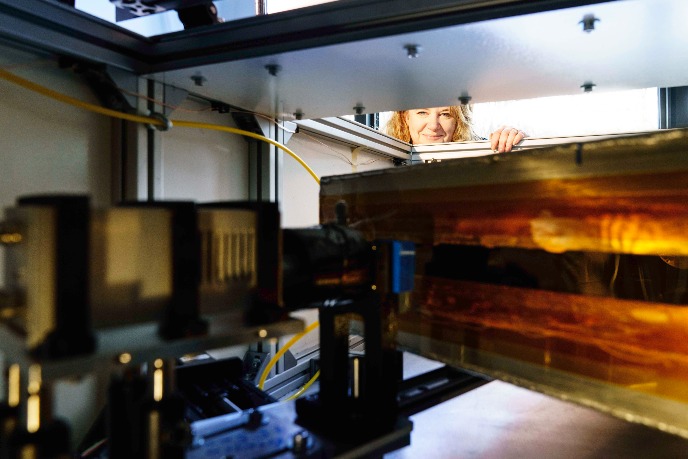
A tabletop version of a huge
X-ray facility
What if your research requires a huge international facility, which is far away and has limited availability? Moniek Tromp has built a tabletop version that allows her to take a large part of the measurements on new batteries in her own lab.
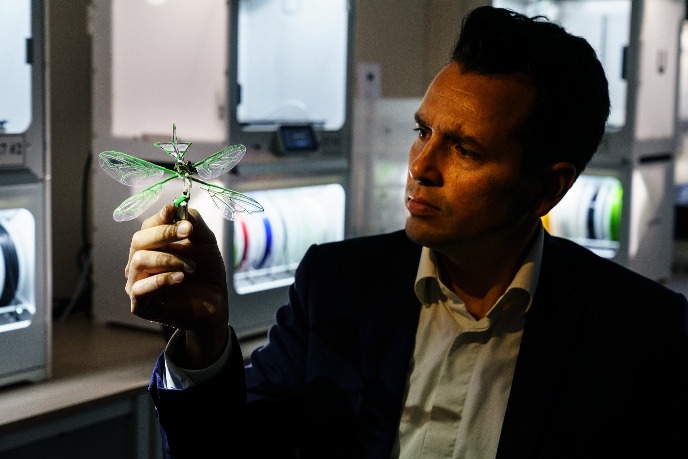
As efficient as a house fly
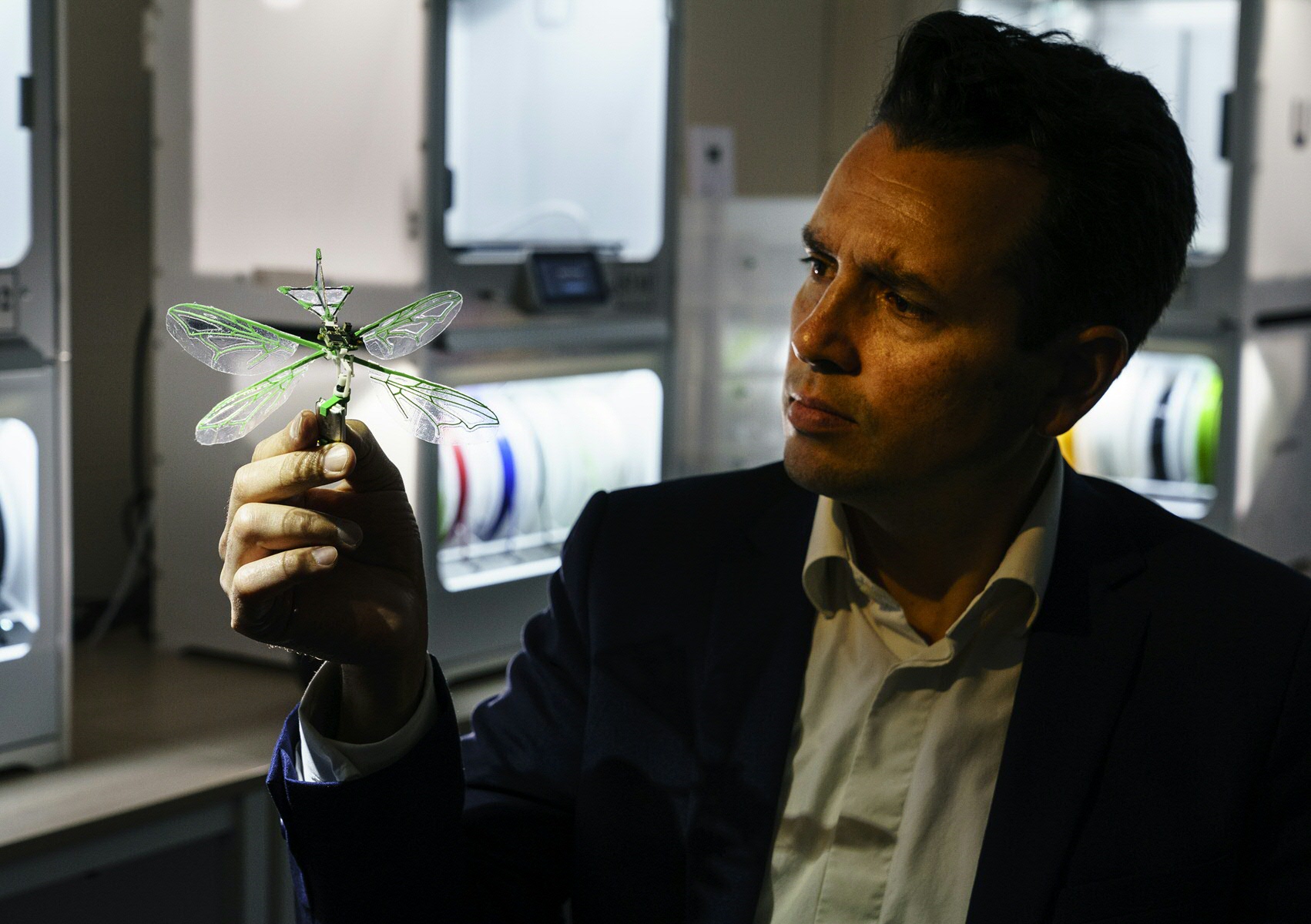
‘In nature, most flying animals rely on flapping movements,’ explains Mauricio Muñoz Arias, assistant professor of Automation and Control Systems. ‘I believe that ultimately flapping is a much more efficient technique than the rotational movement used in drones.’ Together with his students, Muñoz Arias developed a featherlight device that flaps its wings like an insect: an ornithopter.
Flexible solar panels and a
tattooed sensor
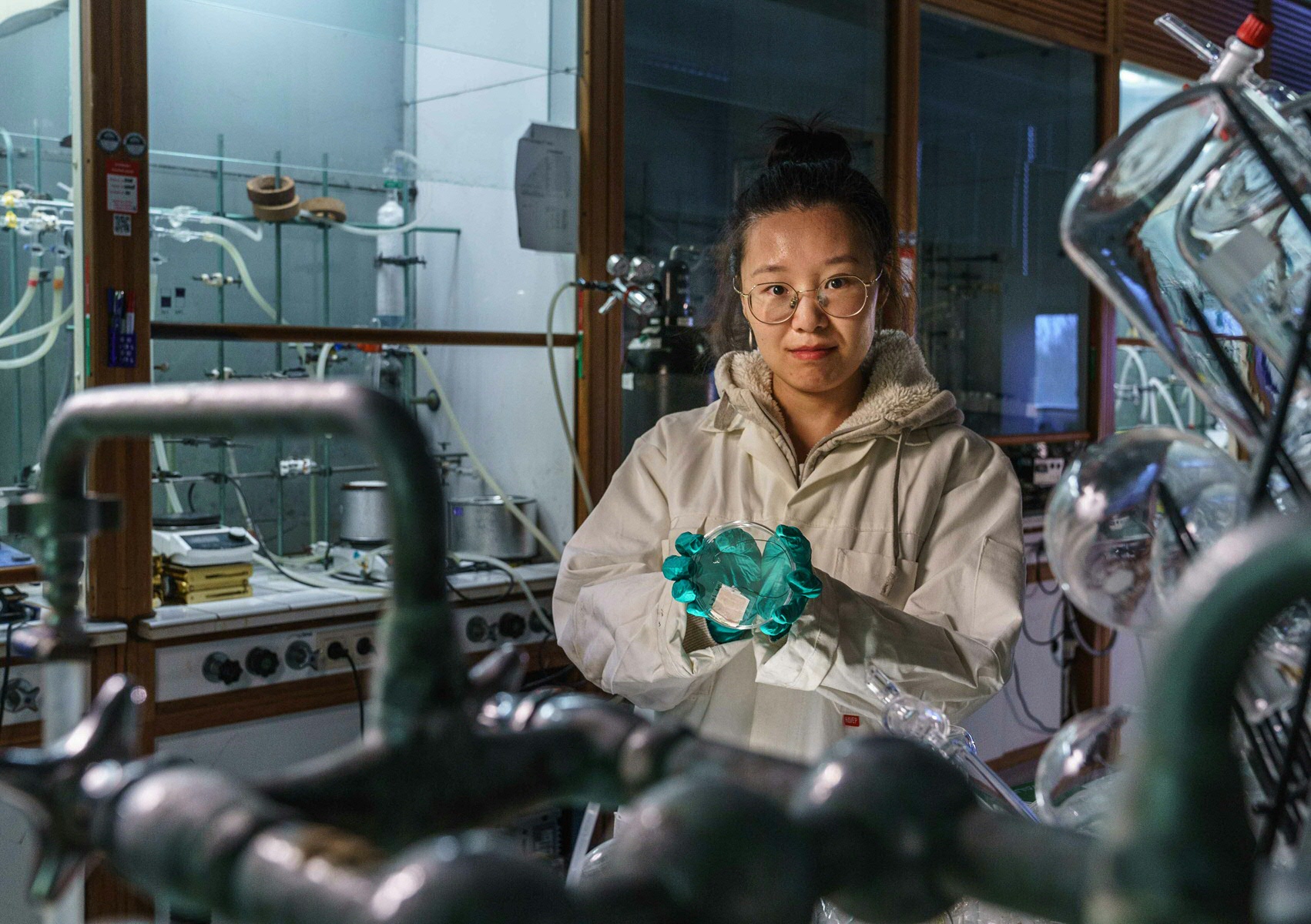
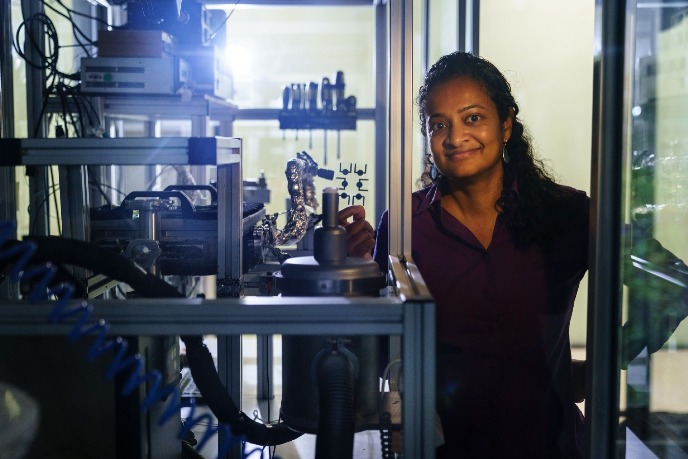
The black dots and lines on this plastic plate conduct electricity, and are as flexible as the plastic it is on. And that is special, Ranjita Bose, associate professor of Polymer Engineering, explains: ‘It’s a conductive polymer that combines the flexibility of plastics with the conductivity of metals.’
A water-resistant, self-healing
sensor
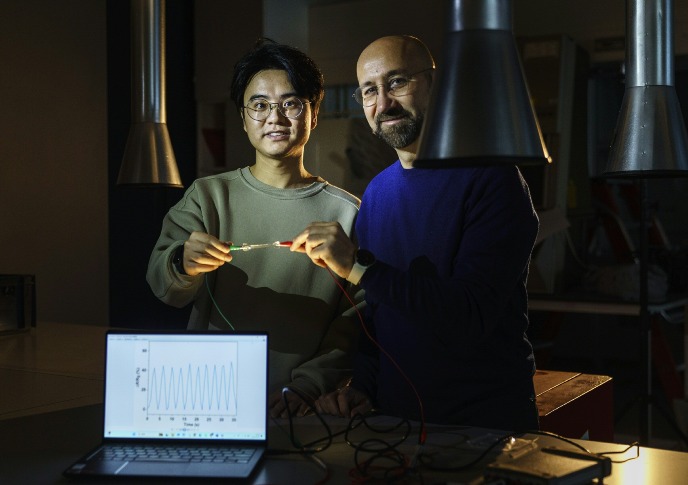
It’s stretchable, adhesive, self-healing in case it breaks, water and freezetolerant, and it conducts electricity. The transparent strip shown in the photos is a so-called hydrogel, developed by PhD student Zeyu Zhang, under supervision of Patrizio Raffa, associate professor of Smart and Sustainable Polymeric Products. It can also be used as a sensor that measures curves and vibrations.
How a contrarian cracked
rubber recycling
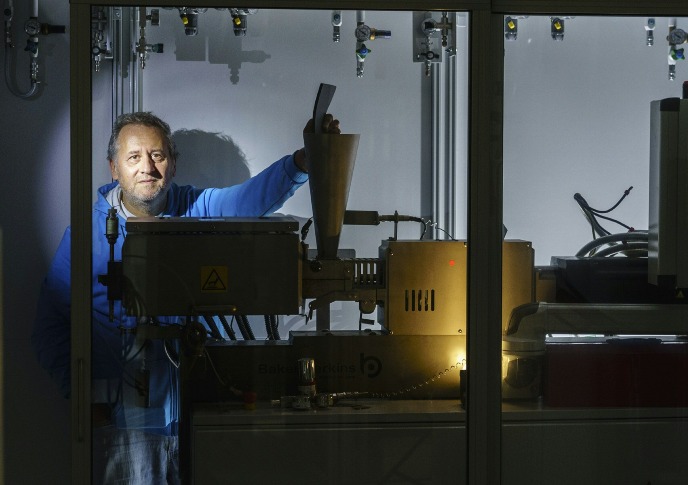
A small company in Grootegast produces bicycle baskets and slippers from recycled rubber. That is remarkable because, until recently, it was impossible to recycle rubber. However, Francesco Picchioni, Professor of Chemical Technology at the University of Groningen, and Ton Broekhuis, now Emeritus Professor, discovered how this could be done.
Harvesting energy from walking
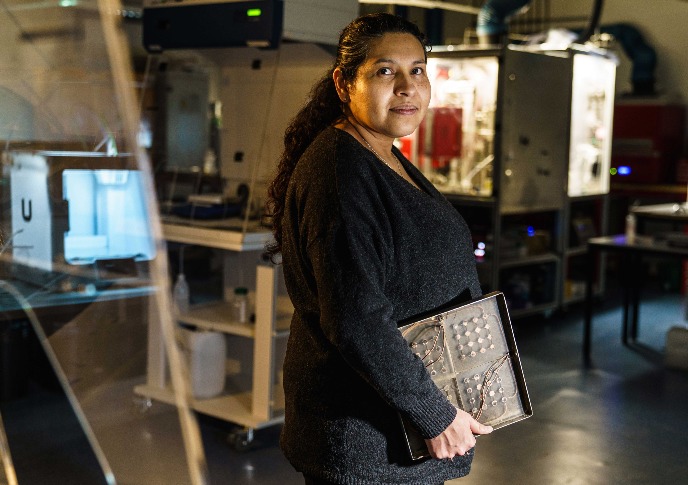
A tile on the sidewalk of Zuidhorn station, in a busy spot between the train and bus station, counts the steps of people walking on the tile, and harvests energy from their movements. At the moment, however, the tile is back in the lab of developer Professor Mónica Acuautla Meneses for an upgrade.
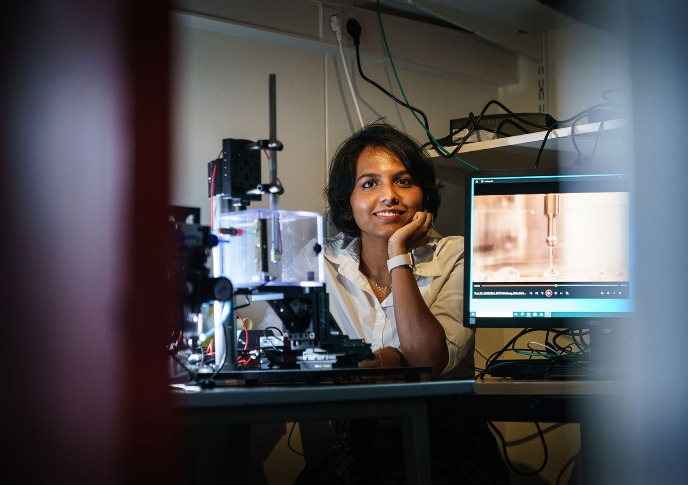
Measuring stickiness
Several plant species use tiny sticky droplets to attract and trap insects. These water-based droplets full of sticky molecules could form a toxin-free insecticide that could be easily washed off of edible plants. PhD student Abinaya Arunachalam is trying to find the perfect recipe. But how do you measure the stickiness of different candidates?
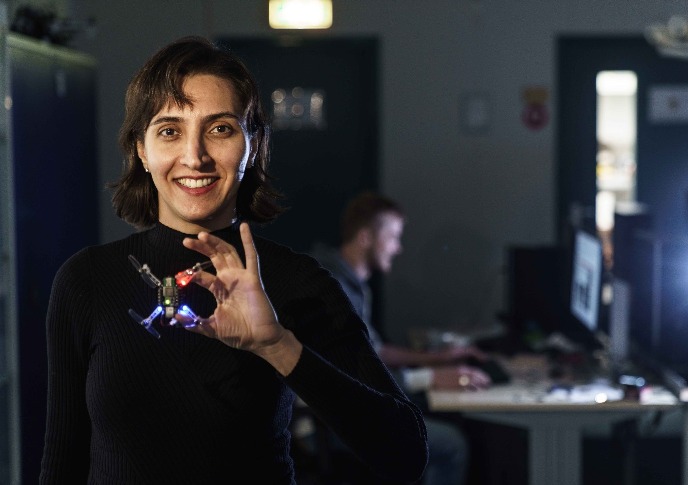
Swarming around a skyscraper
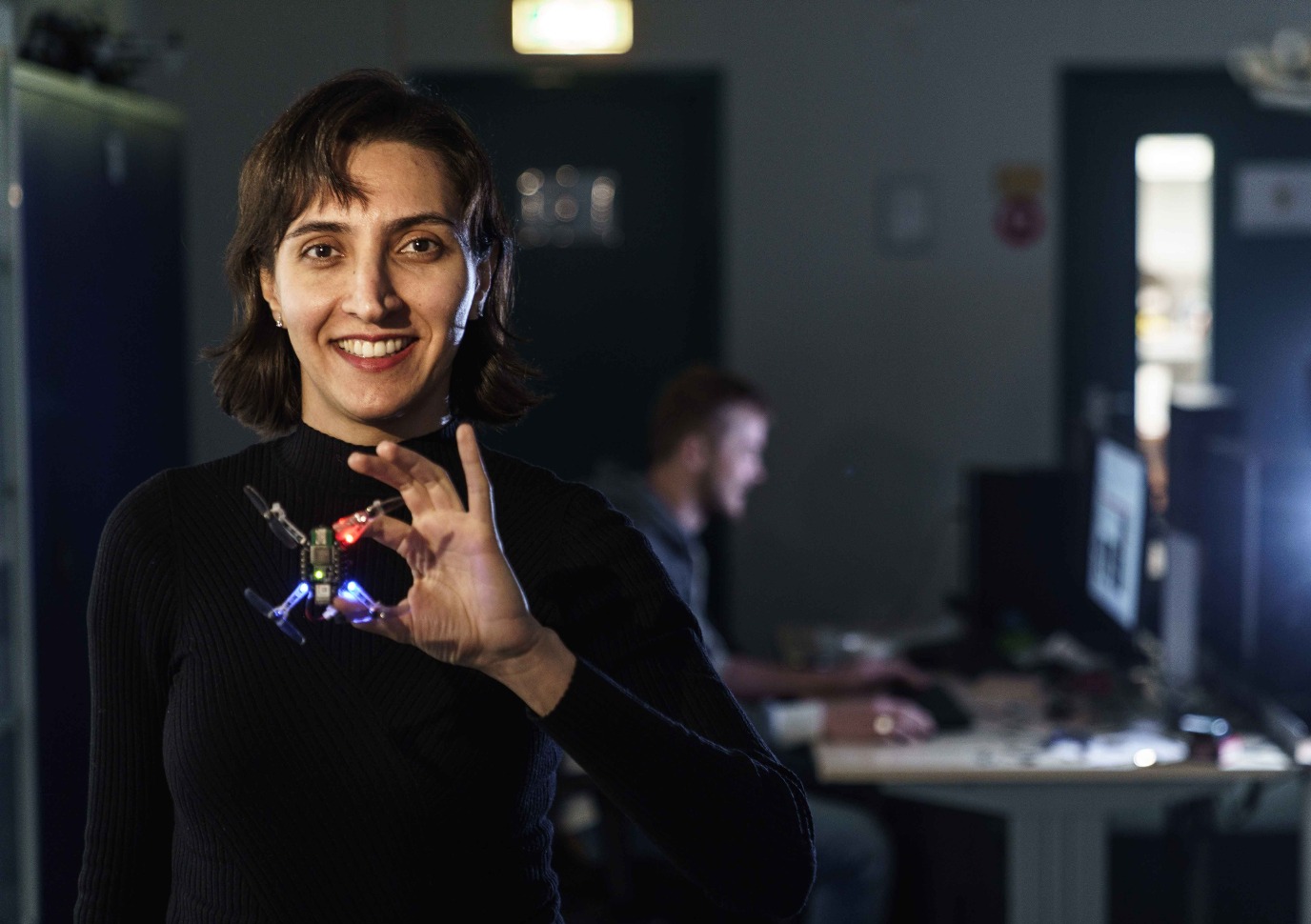
Imagine a swarm of tiny drones, like the one in the picture held by electrical engineer Bahar Haghighat. They fly around a skyscraper or any other hard-to-reach area. ‘Such drones can be used to spot defects on surfaces. They can alert a human to carry out a repair, or for further inspection.’
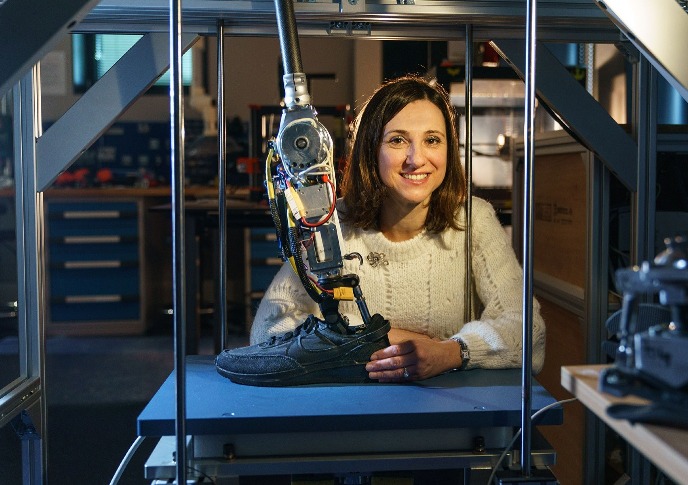
Human-centred robotics
Imagine a bionic leg that not only helps to walk again but also makes it possible to do so without constantly thinking about it. That would make life a little easier for those who need it’, says Professor of Robotics Raffaella Carloni.
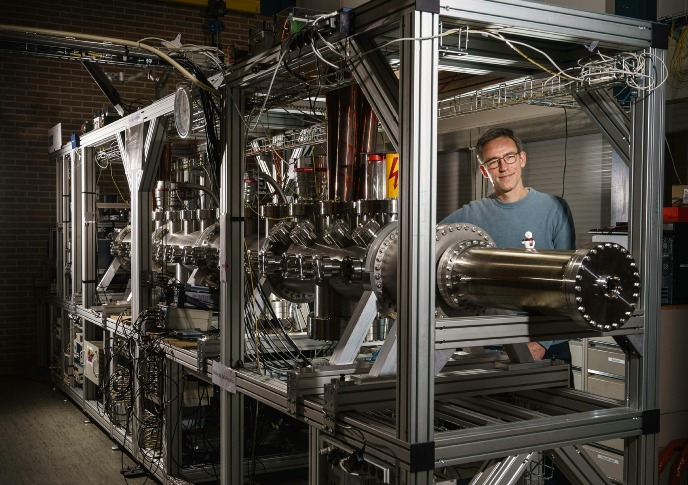
Trapping molecules
Physicist Steven Hoekstra is building an experimental set-up made of two parts: one that produces barium fluoride molecules, and another that traps the particles and brings them to almost a complete standstill. 'I want to slow the molecules down in order to make very accurate measurements', Hoekstra explains.
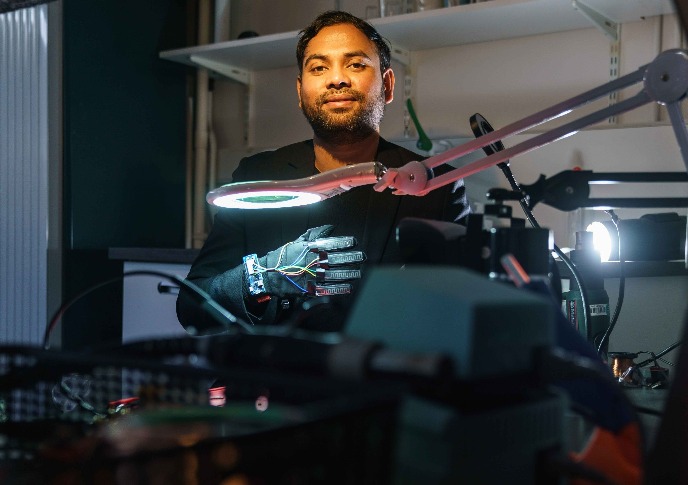
Tactile sensors
What if a prosthetic hand or limb could actually feel? At the Engineering and Technology Institute Groningen (ENTEG), Ajay Kottapalli develops bio-inspired sensors that could make this a reality. ‘We create them as wearable electronics.’
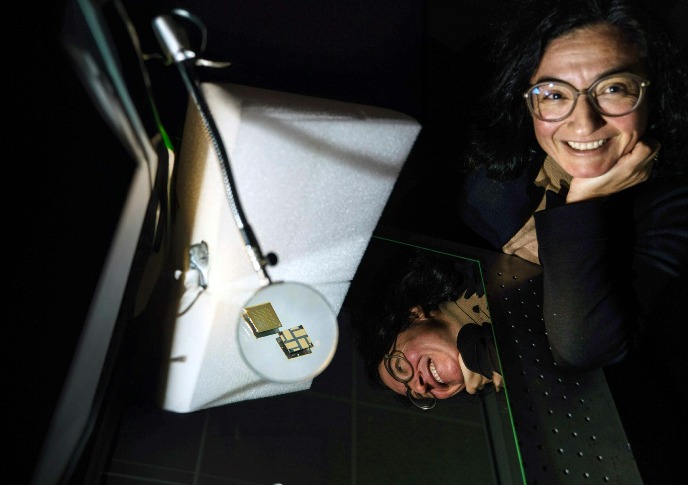
Night vision with artificial atoms
Through the magnifying glass, we see a thin plate covered with quantum dots: semiconducting particles with very special properties owing to their tiny size. Professor Maria Loi uses them to ‘see’ in the dark since they can be used to make digital infrared cameras.
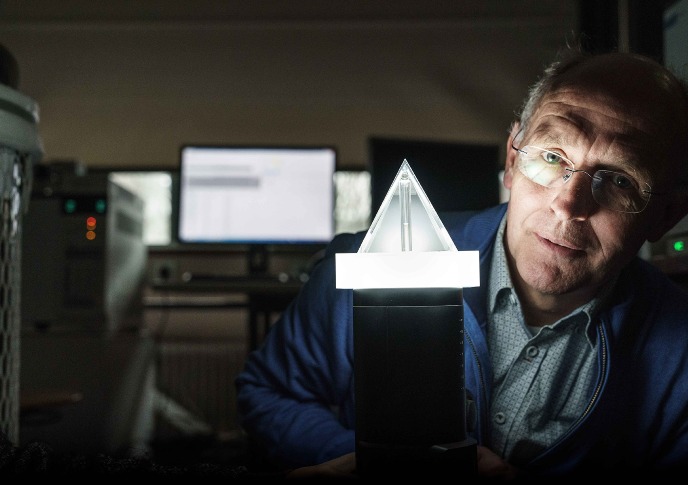
Flying on wood dust
Inside the pyramid is a tube of sustainable aviation fuel made from lignin (wood dust), a residual product from the paper industry that is usually burnt on site. ‘Burning is actually the last thing you want to do in the life cycle of a material,’ explains Professor of Chemical Engineering Erik Heeres. ‘We want to increase the value to that lignin, in this case by turning it into a biofuel.’
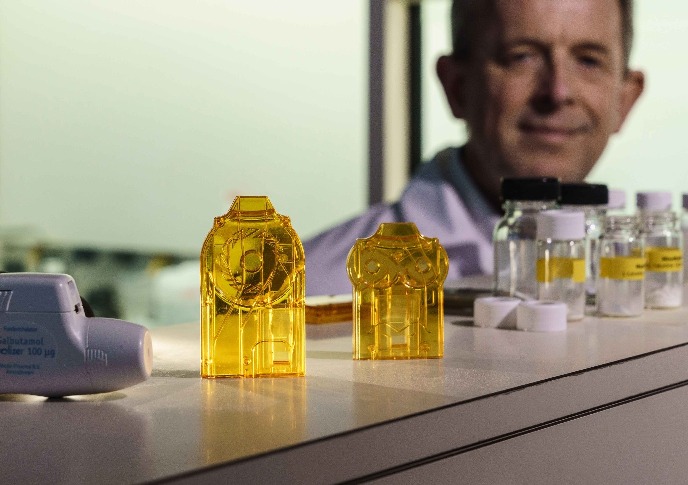
Cyclone helps patients
At least 600,000 patients currently use an inhaler invented by the team around Erik Frijlink, Professor of Pharmaceutical Technology and Biopharmacy at the UG. ‘And that number is headed towards one million. It’s great when you are able to develop a product that can help patients’, Frijlink says.
A plant-based sensor
PhD student Qi Chen presents a sensor the size of an SD card that can detect movement without a battery. ‘This sensor uses green energy’, Chen says. ‘It harvests movement and converts it into an electric signal.’ To build this, the natural properties of the soft rush plant are employed, a persistent weed that mostly grows in wet areas.
More news
-
19 October 2026
From research to business: RUG Ventures helps ideas move forward
-
-
03 September 2026
Ming Cao reappointed as scientific director of the Jantina Tammes School