
How self-evident is freedom?

Liberation Day is a day to reflect together on (un)freedom, democracy, and human rights. The University of Groningen (RUG) commemorates May 5th in various ways. The Faculty of Arts also contributes. We have listed them for you.
3 mei - Remembering for the Future
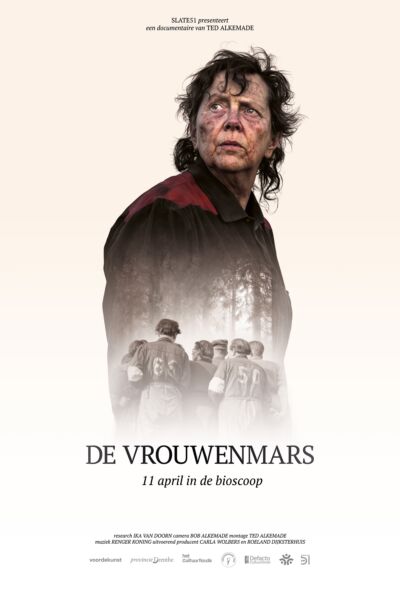
Remembering for the Future is the title of this themed afternoon on May 3 at the A-Theater, which revolves around freedom, remembrance, and heritage formation, featuring a program of personal stories, film, research, and music. For instance, Abdulaal Hussein shares his refugee story and vision of freedom, and the documentary The Women's March highlights how forgotten histories receive recognition later on.
Furthermore, there is a creative workshop by researchers from the University of Groningen. Shanada Barnabas, Manuela Ritondale, and Mayada Madbouly take participants into an imagined “Museum of the Future” and actively explore how heritage is created and who determines which stories are preserved. Registration is required to participate.
5 mei - RUG and Arts the Liberation Festival
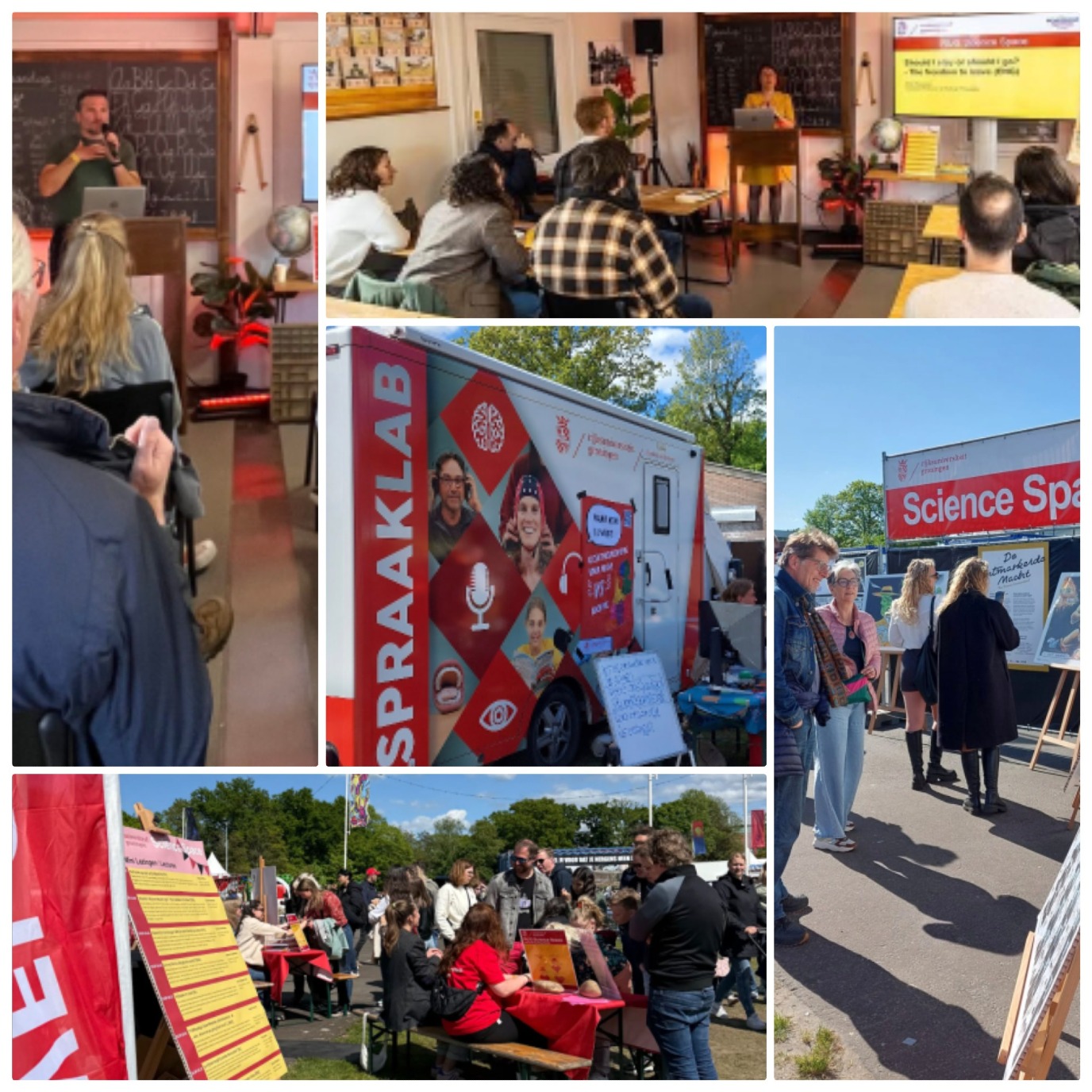
Even the famous festival offers more than just music and relaxation. If you’ve had enough music for a while, pull up a chair in our mini-classroom for a lecture or a short film. The lectures last only 15 minutes, but they challenge you to think about freedom and remembrance.
Mini-lectures
-
What is freedom of health?
-
What does freedom look like in North Korea?
-
Freedom: luck or choice?
-
Do you hear the danger coming?
-
Could I be a war criminal?
-
What happens when you are not free to be completely yourself?
-
What does freedom look like after the war?
-
Where Is the Line for Cartooning and Free Expression?
Mini-movies
-
The Muscles Are Tense
-
KRIICH
-
Waking up in Silence
Harassment in the work and life of female journalists
In conflict zones, female journalists are at greater risk of intimidation and threats because of the work they do. The risks range from not being taken seriously to comments like ‘I know where your child goes to school,’ from slut-shaming to sexual assault and rape. Even in ‘safe’ countries, however, female journalists face greater risks than their male colleagues.
Swedish journalist Kim Wall was murdered when inventor Peter Madsen visited her for an interview on his submarine in the Baltic Sea. NOS reporter Iris de Graaf had to give up her correspondent position in Russia because she was seriously threatened. Joanie de Rijke was kidnapped and raped by the Taliban. Patrícia Campos Mello faced a fierce sexual hate campaign from Brazilian President Bolsonaro and his supporters. She exposed how he manipulated with lies and fake news. The list of journalists who cannot work safely because they are women is long.
More news
-
-
14 September 2026
Dementia in migrants: does care in the native language help?
-
14 September 2026
Cesspits reveal what the Dutch ate centuries ago