

Intimidatie beïnvloedt werk en leven van vrouwelijke journalisten
In conflictgebieden lopen vrouwelijke journalisten meer risico op intimidatie en bedreiging door het werk dat ze doen. Van niet serieus genomen worden tot “ik weet waar jouw kind naar school gaat”, van slutshaming tot aanranding en verkrachting. Maar ook in zogeheten veilige landen lopen vrouwelijke journalisten meer risico dan mannelijke collega’s.
Tekst: Helma Erkelens / Foto: Henk Veenstra
De Zweedse journaliste Kim Wall werd vermoord toen ze uitvinder Peter Madsen bezocht voor een interview op zijn duikboot in de Oostzee. NOS-verslaggever Iris de Graaf moest haar correspondentschap in Rusland opgeven omdat ze ernstig werd bedreigd. Joanie de Rijke werd ontvoerd en verkracht door de Taliban. Patrícia Campos Mello kreeg te maken met een felle seksueel getinte haatcampagne van de Braziliaanse president Bolsonaro en zijn aanhangers. Ze liet zien hoe hij met leugens en fake news kiezers manipuleerde. De lijst van journalistes die in hun werk niet veilig kunnen doen omdát ze vrouw zijn, is lang.
In de arena van de macht
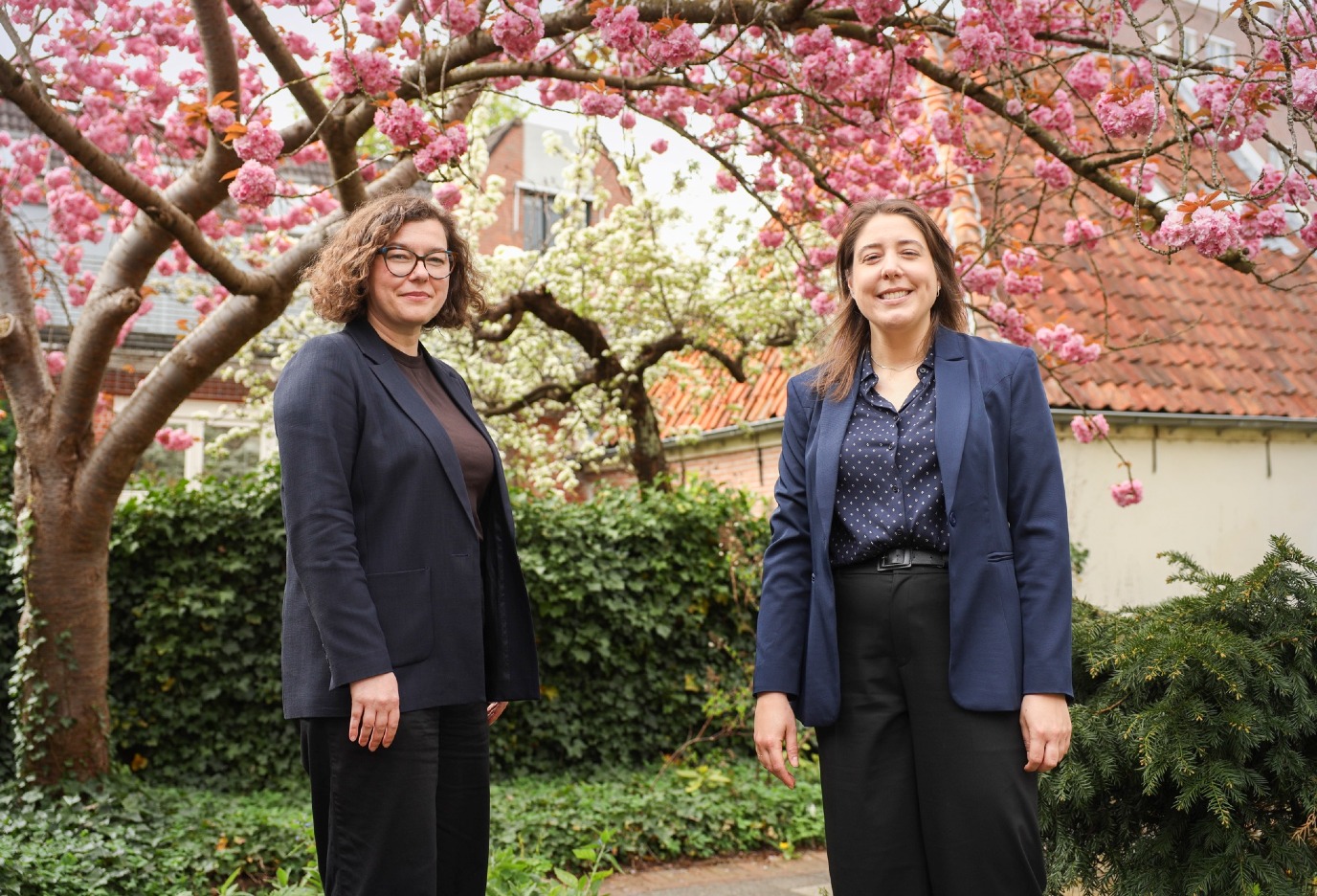
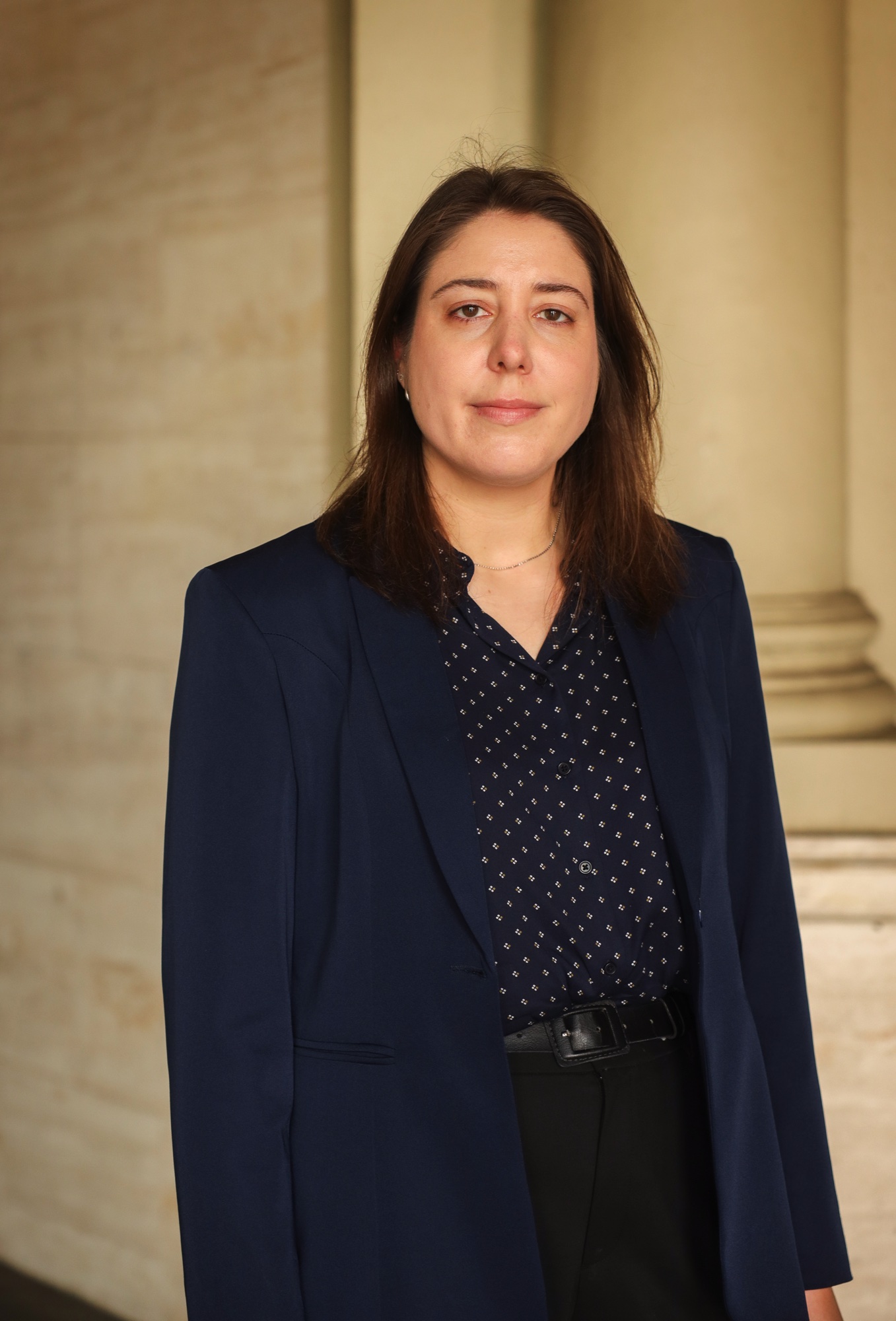
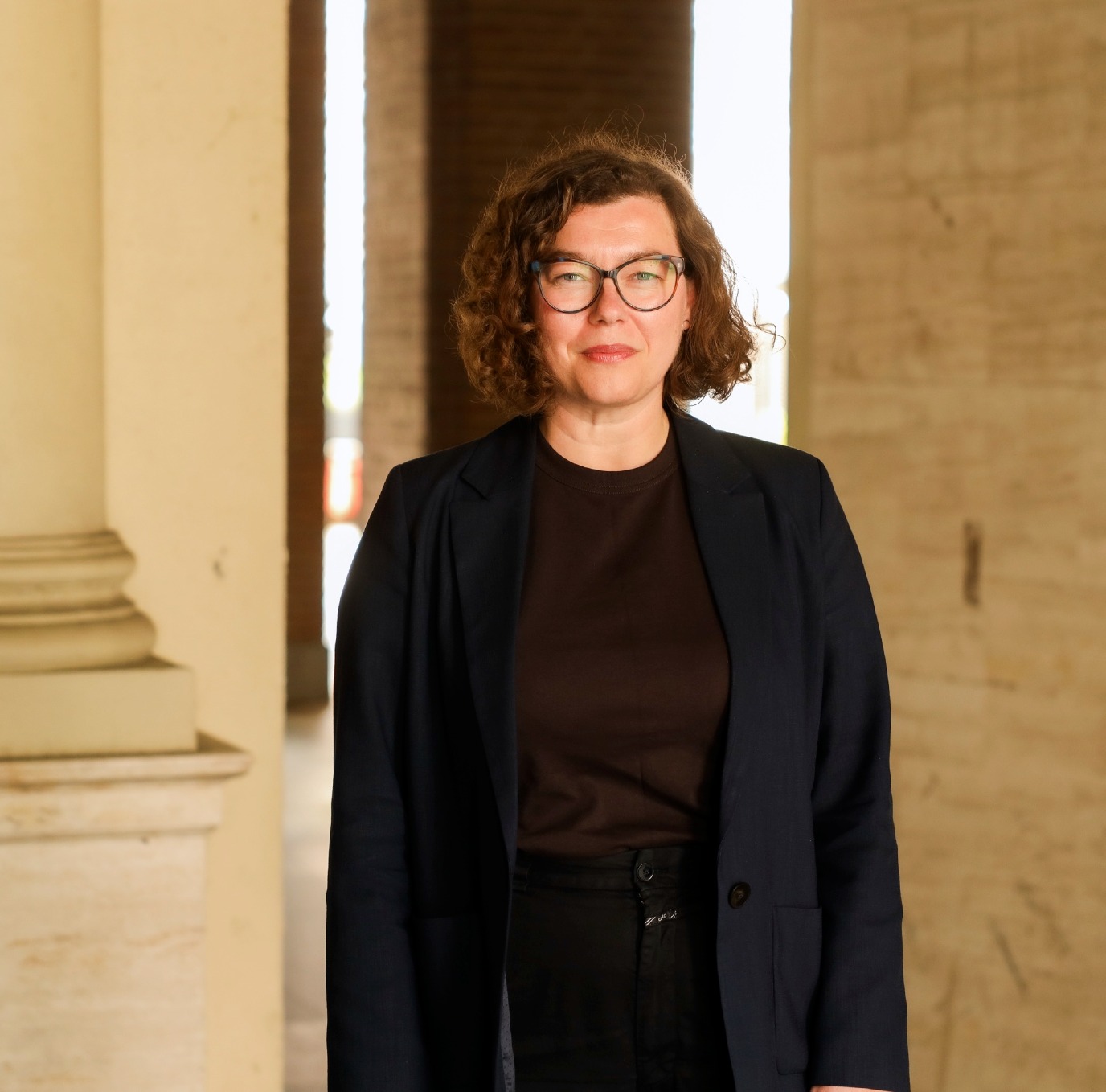
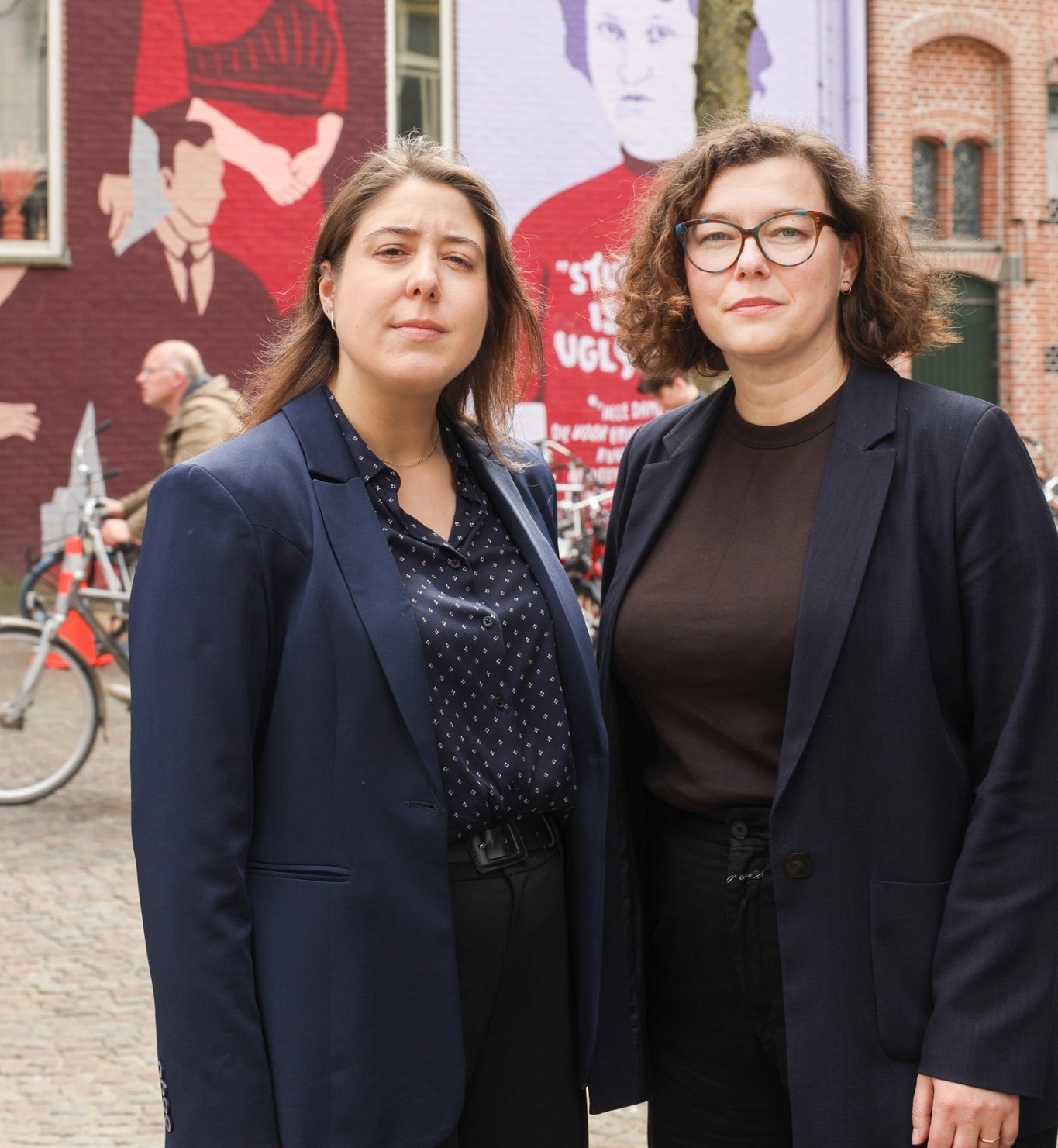
Dat komt omdat vrouwen in de publieke arena niet worden getolereerd in een sterk door mannen gedomineerde omgeving. Vrouwelijke journalisten die misstanden aan de kaak stellen al helemaal niet – een ondraaglijke vernedering. Aldus Sandra Banjac en Marília Gehrke, beide docent aan het Centrum voor Media en Journalistiek aan de Letterenfaculteit. Banjac onderzoekt onder andere hoe machtsstructuren als gender en klasse journalistiek werk beïnvloeden. Gehrke richt zich in haar project Forced to Quit op gender-gerelateerde desinformatie, online intimidatie, fact-checking, en andere digitale uitdagingen waar vrouwelijke journalisten, politici en activisten mee te maken krijgen.
‘Ik weet waar je woont’
Gehrke weet hoe het voelt. Als jonge journaliste in Brazilië werd ze bedreigd toen ze verslag deed van verkiezingen op het platteland. Ze liet zien dat politici tijdens hun campagne dorpen in het achterland meden, omdat de kiezers daar voor hen onbelangrijk waren. ‘De burgemeester belde me. Dit wilde hij niet in het nieuws. “Wie ben jij om dit te doen in de stad die ik bestuur?”, zei hij. “Ik weet waar jij woont, ik weet waar je familie woont.” En toen legde hij op.’
Eigen schuld!
In oorlogssituaties is de kans op intimidatie veel groter – nog afgezien van beschietingen en bombardementen. Banjac: ‘Oorlog wordt traditioneel gezien als een masculien domein. In zo’n wereld wordt op vrouwen neergekeken. Je geloofwaardigheid als serieuze verslaggever is in het geding, omdat ook de journalistiek van oudsher mannelijk is, met name als het gaat om wereldpolitiek, oorlog, economie. Vrouwelijke reporters moeten vaak grote moeite doen om te bewijzen dat zij net zo goed of beter zijn dan de mannen in het vak.’
In conflictsituaties waarin sprake is van veel verschillende belangen en waar wisselende groeperingen elkaar bevechten, kan het voor vrouwen extra moeilijk zijn om een gebied in te kunnen of een interview te regelen, betoogt Gehrke. ‘En hoe ver ga je dan? Je vrouwelijkheid inzetten helpt je soms om toegang te krijgen tot een regio waar vrouwen een ondergeschikte positie hebben, maar kan je ook in gevaar brengen en dan zegt men dat het je om seks te doen was.’
Kwetsbare vrouwelijke fiksers
Om zo veilig mogelijk te werken in een gevaarlijk gebied zijn buitenlandse reporters bijna altijd afhankelijk van fiksers: lokale journalisten die hen in contact brengen met bronnen, beeldmateriaal en verhalen aanleveren maar ook beschermen en helpen bij problemen. Dat kan ze in gevaar brengen: ze zijn bekend in de gemeenschap en dus ook bij de machtige actoren in een gebied.
‘Zij werken voor lokale media die vaak minder kennis en mogelijkheden hebben om hen te beschermen’, aldus Banjac. ‘Een journaliste van een groot internationaal mediaconcern kan terugvallen op een beschermende structuur. Zij kan met de redactie overleggen wat wijsheid is, ze kan hulp inroepen, er zijn regels en procedures om bronnen te beschermen.’ Het moge duidelijk zijn dat vrouwelijke fiksers meer risico lopen dan mannen.
Ook freelance journalisten missen een beschermende structuur. ‘Natuurlijk zijn er organisaties die kunnen helpen maar dan zit je in je eentje in een bedreigende situatie. Wie kan je bellen? Mensen zeggen al snel: waarom was je daar in godsnaam? Wat had je daar te zoeken? Victim blaming is een strategie die wij als vrouwen helaas heel goed kennen.’
Patriarchale redacties dichtbij huis
Ook de redacties die vrouwelijke journalisten ondersteuning zouden moeten bieden, blijken niet altijd een veilige omgeving. Er is soms sprake van intimidatie door collega’s en leidinggevenden, ook seksueel. ‘Adviezen dat je moet afvallen, andere kleren moet dragen of naar de kapper moet’, weet Banjac uit haar onderzoek.
Maar intimidatie gebeurt ook op inhoud: ‘Wie werkt in een oorlogsgebied voelt zich vaak emotioneel verbonden met de mensen daar. De redactie thuis ziet een reportage dan snel als minder betrouwbaar, niet objectief. Uit onderzoek weten we dat men dat van vrouwen sowieso sneller vindt. Zulke kritiek maakt het lastig om je werk te doen’, aldus Banjac. Het oude stereotype dat vrouwen te emotioneel zijn en daardoor niet kunnen omgaan met feiten is nog niet de wereld uit.
Collectieve verantwoordelijkheid
‘De wereld zou veilig moeten zijn voor iedereen’, zegt Gehrke. ‘Wanneer je geweld tegen vrouwen blijft zien als hun individuele probleem, neem je geen verantwoordelijkheid. Dat kan veranderen als we beseffen dat de veiligheid van vrouwen een verantwoordelijkheid is van de samenleving. Het klopt niet dat je als vrouwelijke journalist moet bedenken: misschien ben ik veilig als mijn hele lichaam bedek met zwarte kleding. Misschien moet ik maar niet bij die man in de auto stappen. En als het misgaat, haar de schuld geven. Uiteindelijk kan dat leiden tot zelfcensuur. Of uit het vak stappen.’
Moed
Sommige journalistes publiceren over wat hen is overkomen. Of werken mee aan wetenschappelijk onderzoek naar genderproblematiek, zoals dat van Banjac en Gehrke. ‘Ik bewonder alle journalistes die intieme, kwetsbare informatie met me hebben gedeeld over de risico’s waar ze mee werden geconfronteerd’, zegt Banjac. ‘Als de wereld het weet, kan er iets veranderen.’
Het gaat om meer dan gender
Ze hebben nog een nabrander. Banjac: ‘In ons onderzoek kijken we verder dan vrouw-zijn. Gender, familieachtergrond, sociaal-economische situatie, de kleur van je huid, je nationaliteit: het speelt allemaal een rol. Een journaliste uit de VS wordt anders behandeld dan een journaliste uit Oost-Europa. Een vrouwelijke zwarte journaliste heeft in een conflictgebied andere ervaringen dan een witte.’
Lees meer over vrouwen die uit de schijnwerpers verdwenen vanwege bedreigingen op de site van Forced to Quit.
Meer nieuws
-
01 juli 2026
Ninah Tiemersma Alumnus van het Jaar
-
02 juni 2026
Impact | De lambrisering bij Museum Janning
-
28 april 2026
Groningen op de kaart als Europese hiphophoofdstad