


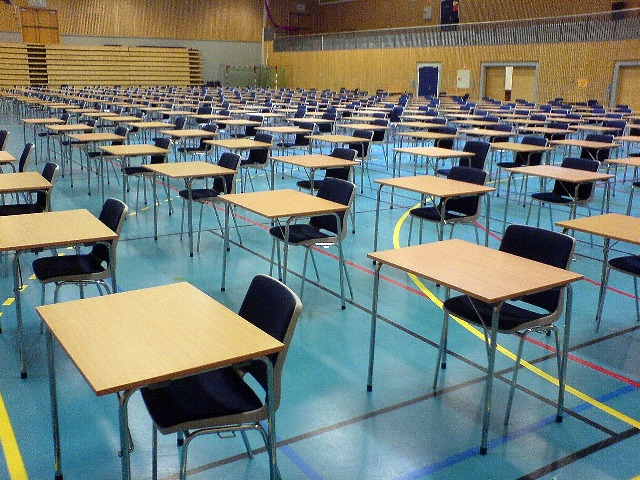
On Strategic Students and Getting Rid of Resit Exams
Date:21 March 2018Author:Rob Nijenkamp
Examines the claim that resit exams make students strategically check out the first exam. Research shows less study time is invested when a resit is available (the resit effect), and suggests restricting resit access or allowing more time between exams could reduce this.
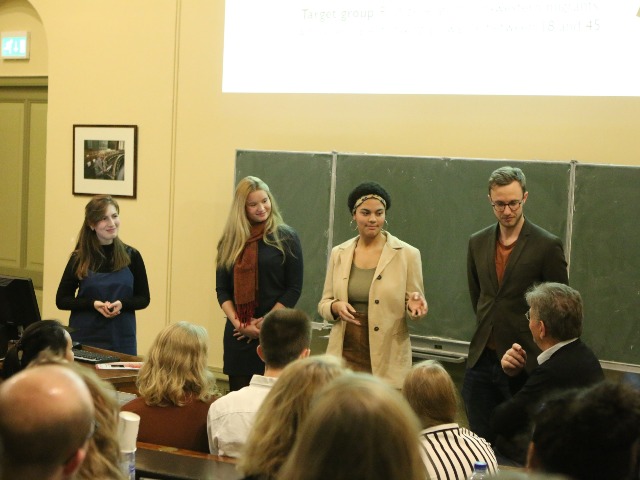
Societal challenge lab: Evidence-based proposals to improve the integration of refugees in the Dutch labor market
Date:14 March 2018Author:Nina Hansen
Monday evening, January 15th, 5pm: usually students attend lectures in this room. However, today 12 students and their two lecturers have invited seven policy makers and representatives of different NGOs and academia to listen to and discuss their proposals to improve current practices of labour market integration of refugees.

The future of neuroimaging PTSD – there is strength in numbers!
Date:07 March 2018Author:Judith Daniels
Scientists are making new efforts to pool their neuroimaging data. Currently, structural and functional data of approximately 3,000 people diagnosed with PTSD, acquired in many different labs around the globe, are being analyzed conjointly. Will this produce more valid results on alterations? in brain structure and brain function?

How do you like your noise?
Date:28 February 2018Author:Lisette de Jonge-Hoekstra
While searching for a solution for her broken nights, Lisette de Jonge-Hoekstra takes us to pink noise - a phenomenon that characterizes smooth processes. In addition, she discovers that listening to actual noise of different colors is claimed to benefit certain states of mind. Lisette finds out what science has to say about these claims, and what she found may be a solution for you as well.

Mirror neurons: the DNA of psychology?
Date:22 February 2018Author:Markus Eronen
Reviews the rise and fall of mirror neurons, once expected to do for psychology what DNA did for biology. Explains how they fire both when acting and when seeing an action, and why recent research suggests they play at best a very modest role in psychology.

Do children with balance problems improve on balance after training with Wii Fit games?
Date:15 February 2018Author:Dorothee Jelsma
Children with motor coordination problems experience problems in controlling balance games, causing lower scores than their peers. Training with active video games enhances better anticipation and faster responses, which not only lead to better game scores but also transfer to other activities needed in gym classes or the schoolyard.

Don’t read this (at night on your phone)
Date:08 February 2018Author:Sebastiaan Mathôt
A vision scientist explains why using a phone at night can disturb sleep, focusing on light. Describes photoreceptors and melanopsin-containing ipRGCs, which respond to blueish light and regulate the pupil light response and the day-night rhythm.
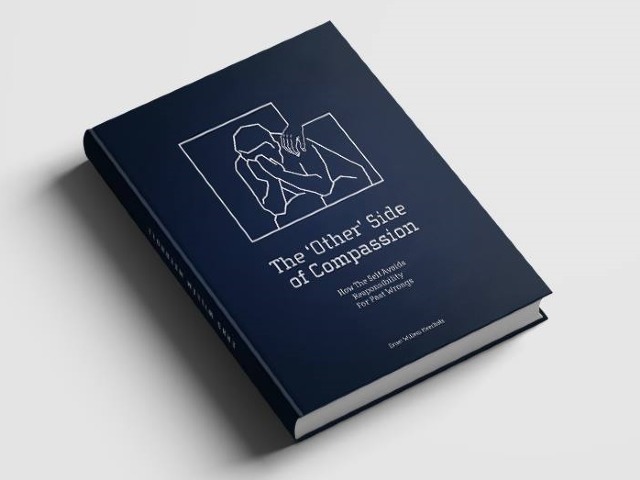
Feeling sorry to avoid feeling sorrow
Date:31 January 2018Author:Wim Meerholz
Compassion has previously been shown to trigger positive feelings and a desire to help others. But there may be more to it. Monday January 29th, dr. Wim Meerholz defended his dissertation in which he explains that compassion needs not have only positive effects.
Depression: good to discuss
Date:24 January 2018Author:Marije aan het Rot
On the Dutch Ministry of Public Health's national campaign to make depression easier to talk about, especially for young people. Notes that over 800,000 people in the Netherlands are depressed and that silence on both sides can create a vicious cycle of loneliness.
Fear and trembling in Groningen
Date:17 January 2018Author:Tom Postmes
In this piece, prof. dr. Tom Postmes offers his opinion on the safety policy in Groningen. He concludes that in his attempt to prevent a paper-and-pencil disaster, the Minister of Economic Affairs and Climate ignores an existing disaster.