

Results for tag: Valeria Cernei
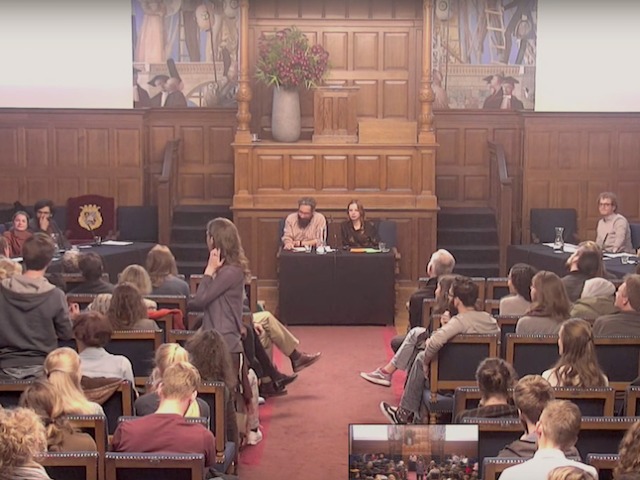
Tired of Experts!
Date:24 July 2019Author:Valeria Cernei
Report on the mindwise.debates event 'Tired of experts!', where student and staff teams discussed public scepticism toward science. Speakers argued for an egalitarian relationship between experts and the public and against confining science to the lab and the academic circle.
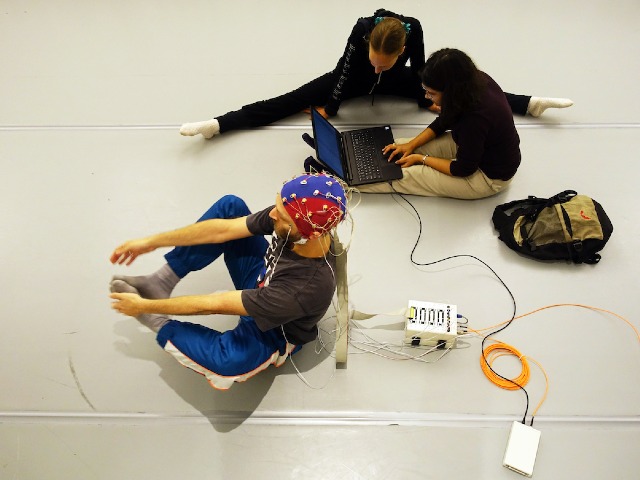
Notes on synchrony: when science and art collide
Date:14 March 2019Author:Valeria Cernei
A text inspired by Notes on Synchrony, a collaboration between dancers and neuroscientists shown at the Moving Futures festival in Groningen. It questions the perceived divide between art and science, tracing it to C.P. Snow's 'Two Cultures' lecture and noting what the two fields share.
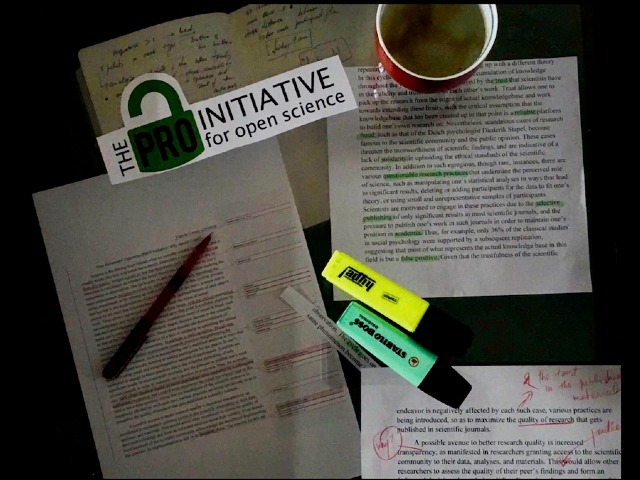
On the Peer Reviewers’ Openness Initiative: Why should I care?
Date:20 February 2019Author:Valeria Cernei
Explains why scientific trust matters and how questionable research practices and selective publishing undermine it, citing low replication rates in social psychology. Introduces the Peer Reviewers' Openness Initiative and its push for greater transparency in data, analyses and materials.
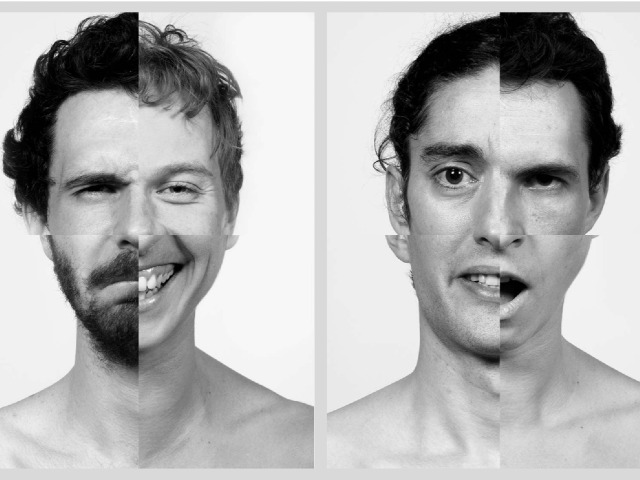
The Art of Science: An interview with Mila Moxom
Date:11 July 2018Author:Valeria Cernei
Valeria Cernei interviews Mila Moxom, a psychology bachelor's graduate from Groningen who studied photography in Brussels. They discuss how her psychology background shapes her art project on science and technology, blurring the boundary between art and science, and ethical responsibility.
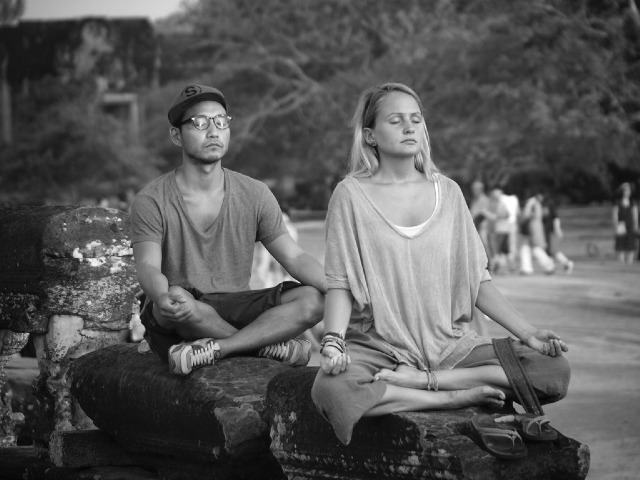
Mindfulness meditation: the miracle modern cure or just another in-thing?
Date:27 August 2017Author:Valeria Cernei
In this text, Valeria Cernei discusses the main effects of mindfulness meditation and the mechanisms through which they occur. She attempts to illustrate the potential of this practice to become a practical and cost-efficient “modern cure”.