
Charitable bullshit jobs
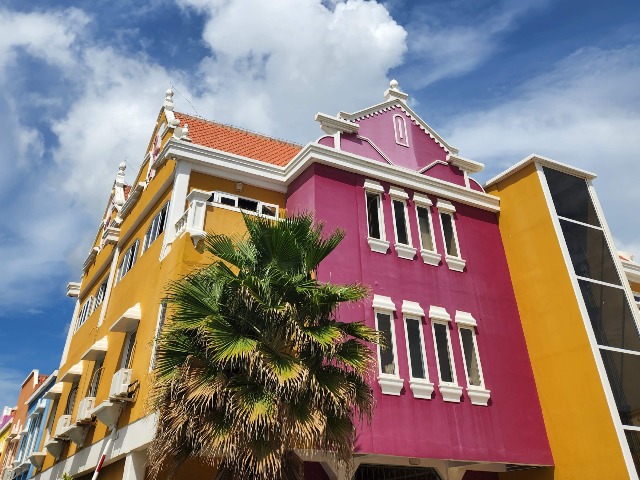
Community-Based Tourism on Bonaire - New possible pathways for a more sustainable, resilient and equitable tourism sector
Bonaire is the largest landmass of the Caribbean Netherlands islands, with an area of 288 km² and population of 20,104 (2020). Surrounded by waters that house exquisite coral reefs and marine wildlife, the island has established tourism as its economic...
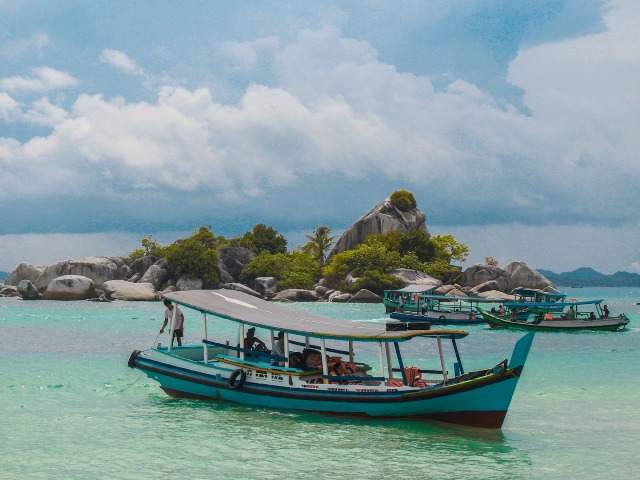
Moving Beyond the Checklist: Leveraging Public Participatory GIS for Social Performance of Indonesian Geoparks
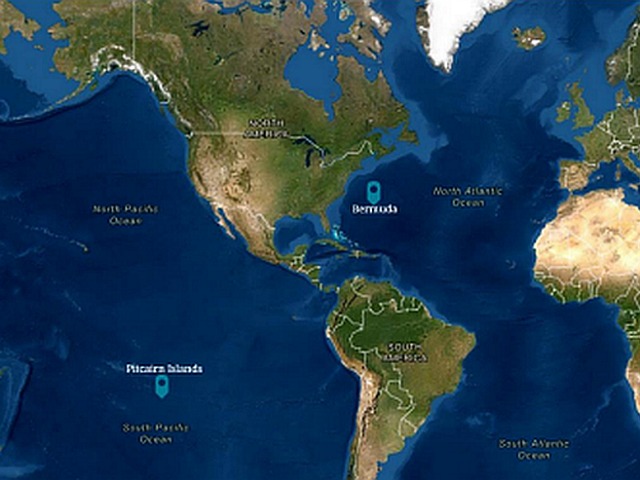
Islandness of Bermuda and Pitcairn Island
One-tenth of the world’s population lives on islands, with their exclusive economic zones occupying one-sixth of the planet’s surface (Baldacchino, 2006). Islands are a type of geographical feature that can appear, change, and even vanish. They are...
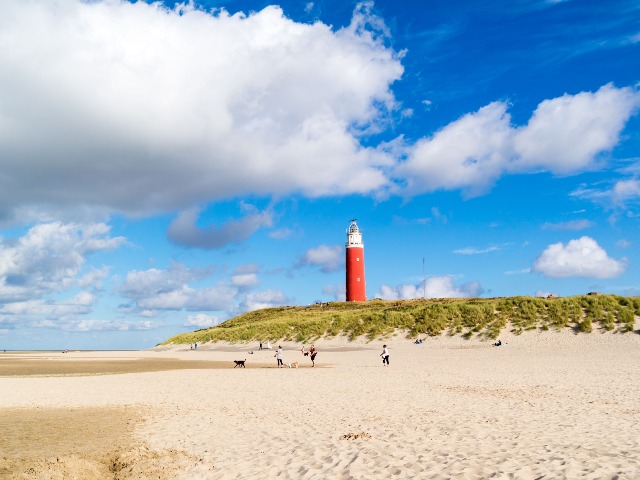
Summer/Winter School Series: “Islands as Laboratories for Sustainability (ISLAs)”
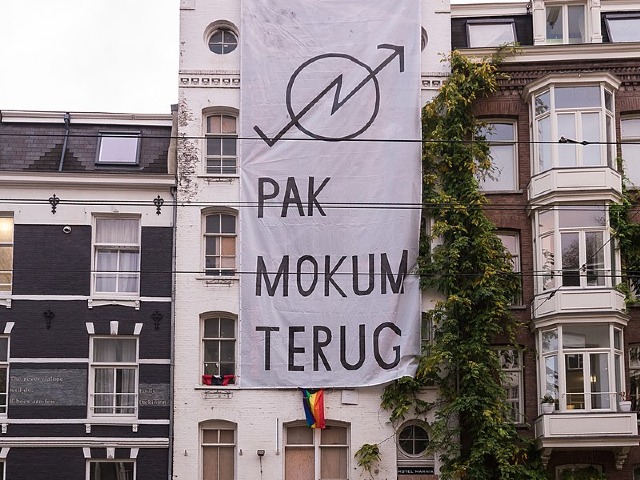
Beyond neoliberal housing in Amsterdam: a tale of tactics, tenure and territorialization
Squatting practices have become more fragmentized, strategic and hostile compared to the 1960s in the Netherlands. During the 60s, free spirited spaces in the form of vacant buildings were envisaged as opportunities for collective support and empowerment...
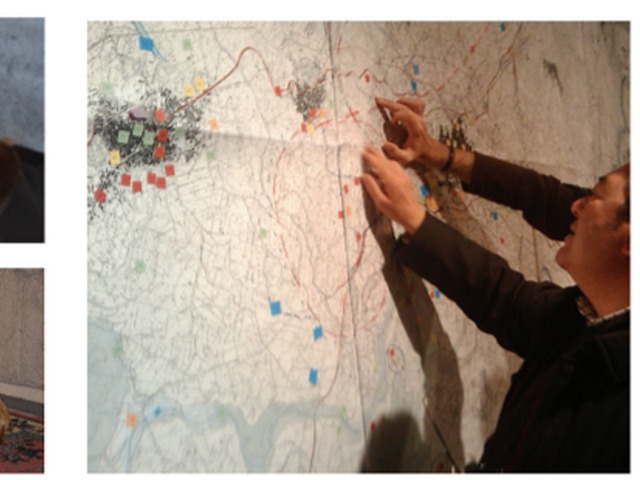
An effective community-driven sustainable resource management actions in Simeto Valley, Italy
The focus of this essay is to examine effective community-driven sustainable resource management actions in Simeto Valley, Italy, and help the United Nations identify potent place-based community initiatives that may be encouraged in communities with...
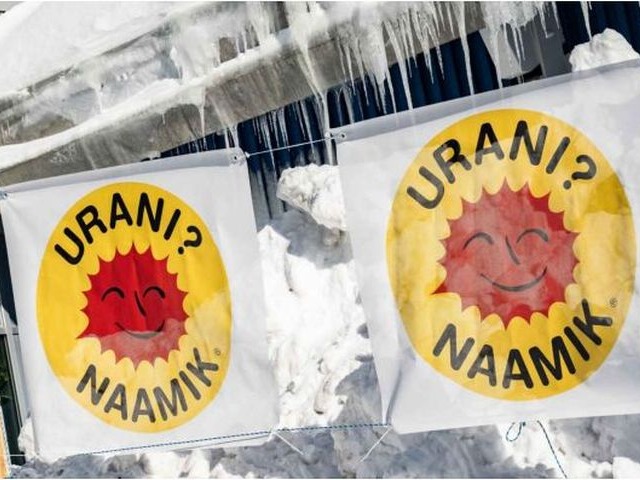
Resistance as Autonomy in Kalaallit Nunaat - the case of rare-earth mining for sustainability
During my first year as a bachelor student in a renowned university frequently hosting talks by well known people, I listened to a talk by experts in national autonomy and independence processes. It was during the time when Catalonia was a hot topic, and a...
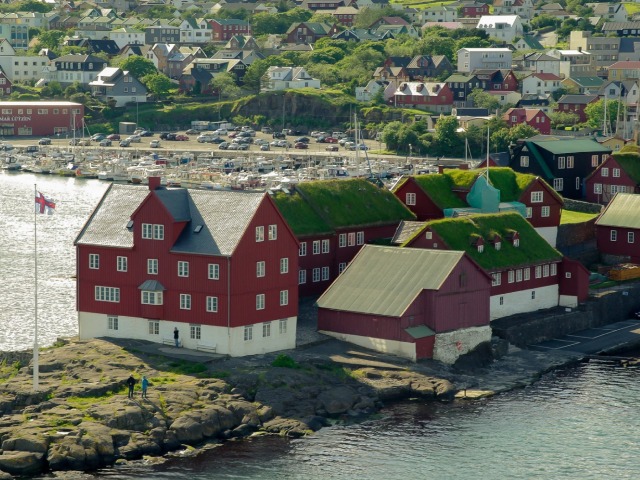
Killing for Care: Pilot Whaling in the Faroe Islands
Pilot whaling has been a part of Faroese culture since at least the sixteenth century (Fielding et al. 2015; Fielding, 2010), being one of the best documented and arguably most sustainable harvesting practices in the world. Every year the Faroese people...