
Opinion | The next pandemic is coming. Let us not sacrifice young people again
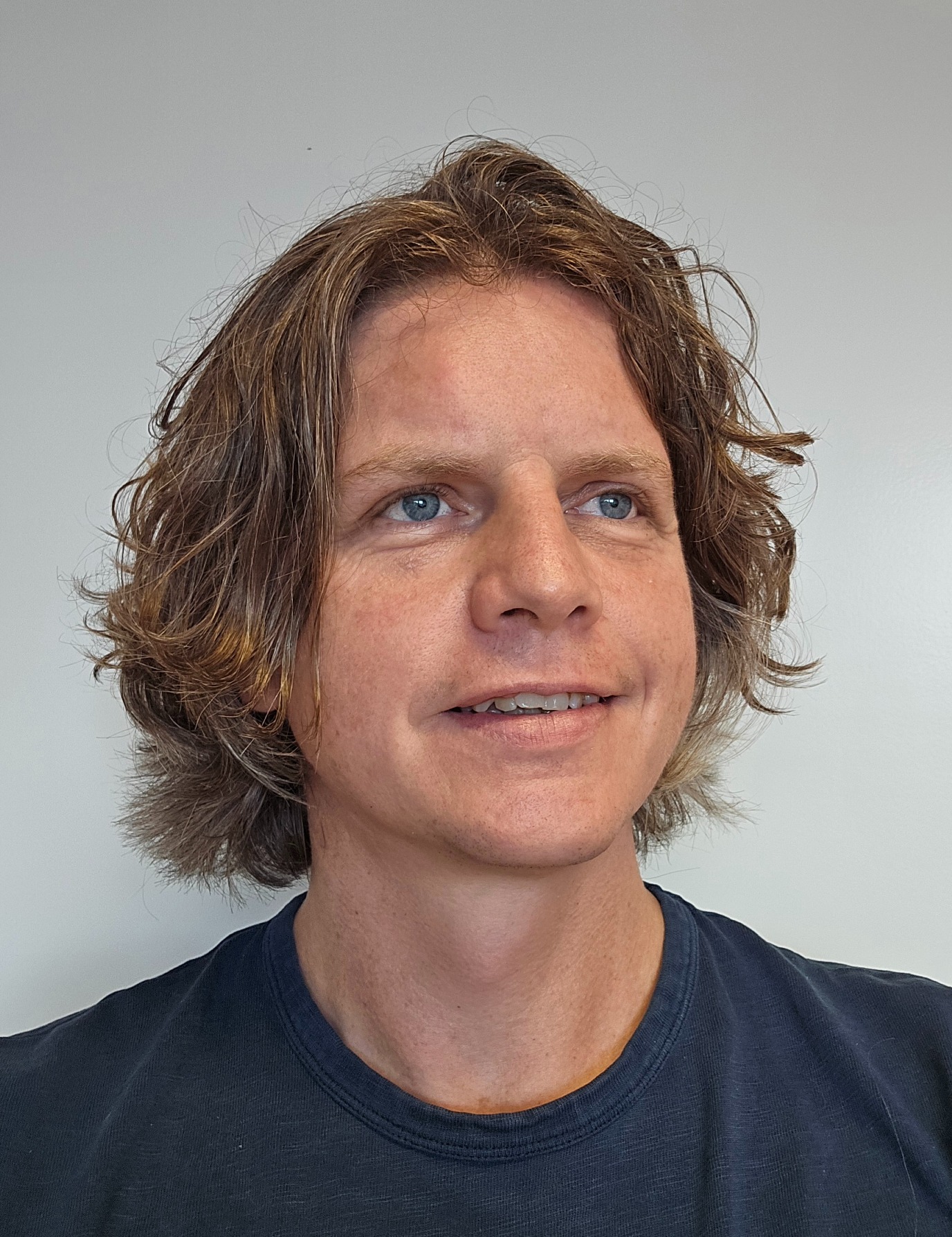
It had already become clear before the summer during the parliamentary inquiry into the coronavirus measures: the closure of schools during the coronavirus pandemic caused a great deal of harm to young people. According to clinical and developmental psychologist Bertus Jeronimus, this was quite simply the wrong decision: ‘The sacrifice we asked of young people was too great, has had too many consequences, and was actually unnecessary,’ he says. And yet, young people are still grappling with the consequences today. We need to address this, because when the next crisis comes, we must do better.
Written down by Marrit Wouda, Corporate Communication UG
Gut feeling
‘It is clear that many decisions in coronavirus policy were made on the basis of emotions. Mostly panic. When the virus finally reached us, we had not yet put anything in place, and decisions had to be made at breakneck speed. Existing knowledge — notably from the WHO, which as recently as 2019 had published a review on interventions during pandemics — was thrown straight out of the window. ‘A lockdown is not part of the epidemiological toolkit, because the collateral damage outweighs the benefits,’ wrote the WHO. There was not a single rational argument for closing schools in the Netherlands. With a few exceptions, most young people were at very little risk; that much was already clear by the end of January. By closing the schools, the interests of young people were sacrificed for the interests of older generations. Within medical science, such trade-offs (the pros and cons, the costs and the quality of life associated with interventions) are calculated using the QALY method, or Quality-Adjusted Life Year. During the coronavirus pandemic, this too was immediately discarded. The government based its decisions on teachers who were panicking and parents who were exerting moral pressure. Their fear was understandable, but it was mainly about themselves, not about the young people. The Netherlands displayed herd behaviour.’
The price
‘When the restrictions were eased, many of us felt that we were free again, that we could move forward. And many of us were able to do so. But for young people, the restrictions were a severe blow from which they still have not recovered. In recent years, there has been a great deal of extra funding to address educational gaps, and we have seen that this works. But over those two years, young people have also fallen behind in their socioemotional development.
Childish games
‘When schools reopened, we saw secondary school pupils resorting to childish games (children aged 12 to 14 generally do not play tag) to make contact and to cope with tension. While that may still be endearing, there was also excessive violence amongst that group. They had great difficulty navigating social situations and dealing with tension and frustration. All of this points to a developmental delay. We could have intervened at that point, but we did not do so then, and we are still not doing so now.’
Learning to speak
‘In 2026, young people hardly go out at all, they are less involved in sports teams, and they report much higher levels of anxiety and depression. The majority are lonely and struggle with social interaction and friendship. And that is hardly surprising, because in late childhood and adolescence, you learn to navigate social situations, often by observing people who are slightly older than you. But that is only possible if you actually see those people in your everyday life. In the school canteen, when you are out with your older friends, with your colleagues at your part-time job, or with your football coach. How do you learn to talk about your emotions if there is no one to talk to?’
On to the next one
‘Our young people deserve praise and a thank you for their sacrifice, as well as a great deal of support to repair the damage. The next pandemic is coming. It is not a question of “if”, but of “when” and “which one”, certainly because of our factory farming industry. We are now far less prepared than we were in 2020, both in the Netherlands and globally. The Schoof government has already cut our pandemic preparedness in early 2024. I wish we had learnt something from our mistakes so that we could do better next time; the facts suggest cold indifference.’
More information
More news
-
19 October 2026
From research to business: RUG Ventures helps ideas move forward
-
-
03 September 2026
Ming Cao reappointed as scientific director of the Jantina Tammes School