
Circling back to behaviour change


What are the most impactful actions we can take towards creating a circular economy? Environmental psychology PhD candidates Isabel Pacheco and Julia Koch have been researching the role of personal behaviour in accelerating the transition to circularity and what things we can do that make the biggest difference.
Text and photos: Traci White, Faculty of Behavioural and Social Sciences
The life story of most products in our current system goes something like this: manufactured using the cheapest materials, paying people as little as possible to make a product, shipping or flying it around the world, selling it to consumers, who then use it until it breaks – or discard it while it still works, when the latest updated version is released.
Because so little attention is paid – and is not legally required to be paid – to the durability or sustainability of the average product, a lot of stuff only works for a little while. Then, when it inevitably breaks down, its parts can’t be easily recycled or replaced, so the whole thing ends up in landfill.
This linear system – take, make, use, dispose – causes major environmental damage, from exploiting finite raw materials to pollution during the manufacturing process to emissions in transporting fast fashion, etc. across the globe to ultimately piling up at garbage dumps.
Circular economy
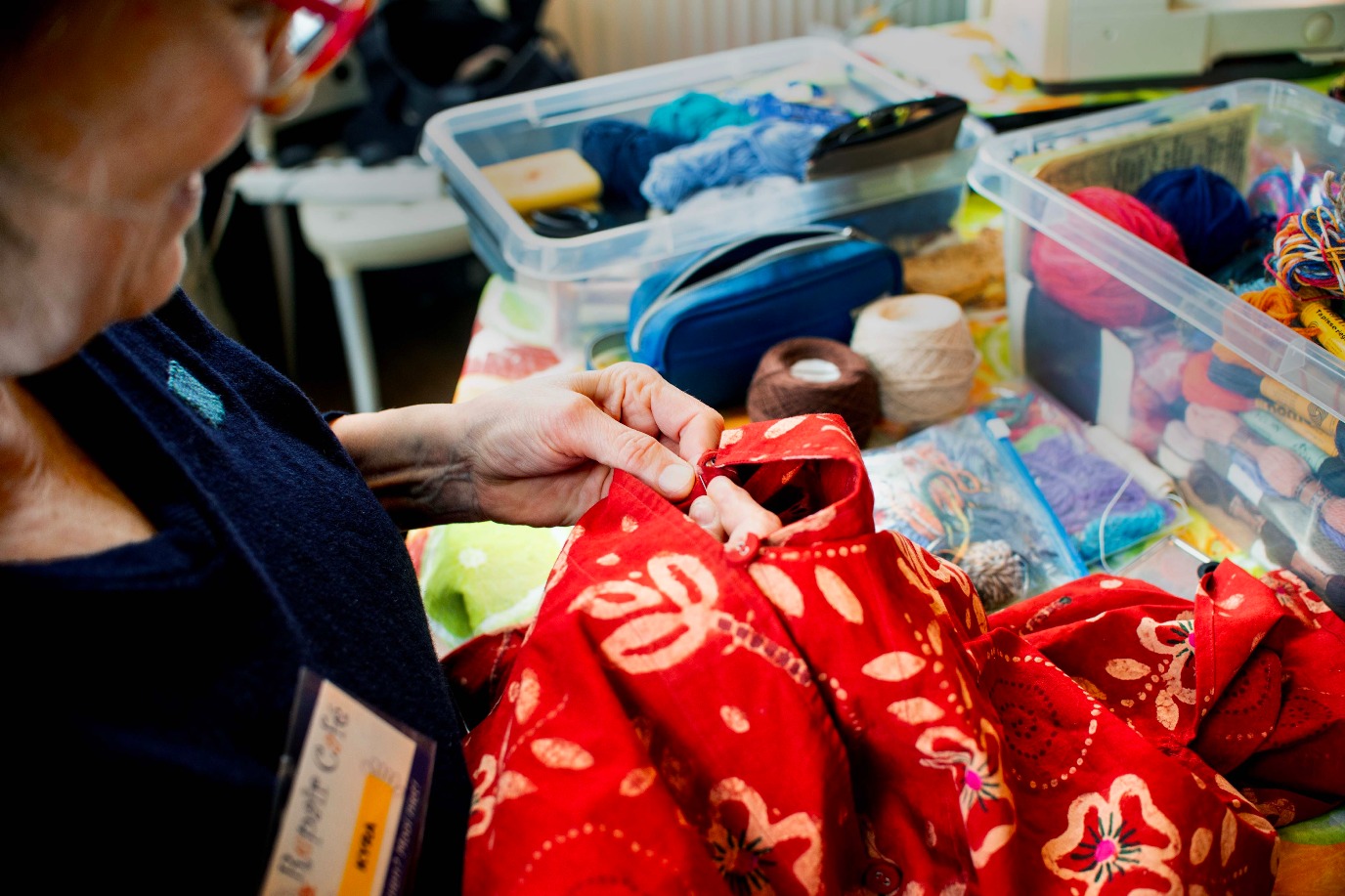
A circular economic system is the opposite. It envisions well-made products, created by people who are paid a living wage, in settings that do not put their health at risk, made from materials that are ethically obtained, designed to last for a long time, with components that are easily and affordably replaced, and which are able to be recycled or reused at the end of their life cycle.
A system may be called circular when all societal actors narrow (reduce) their resource use, slow their use by continuing to use products for longer, and close the loop by recycling resources at the end of a product’s lifetime.
Circular citizenship behaviour
Our current economic and political system often makes it hard to act circularly. We need systemic change to achieve a circular economy, but we don’t have to just sit around waiting for it to happen: we can engage in something called circular citizenship behaviour to accelerate the transition.
Environmental Psychology PhD candidate Isabel Pacheco and other researchers from the Faculty of Behavioural and Social Sciences at the University of Groningen have identified this previously understudied form of circularity.
‘Talking about our own circular actions, and supporting and encouraging our friends and family, the government, or the organizations we work for, to adopt them, can also contribute to a more circular economy,’ Pacheco explains. The researchers found three pathways for circular citizenship behaviours to encourage systemic change: other individuals, businesses and governments.
Other individuals
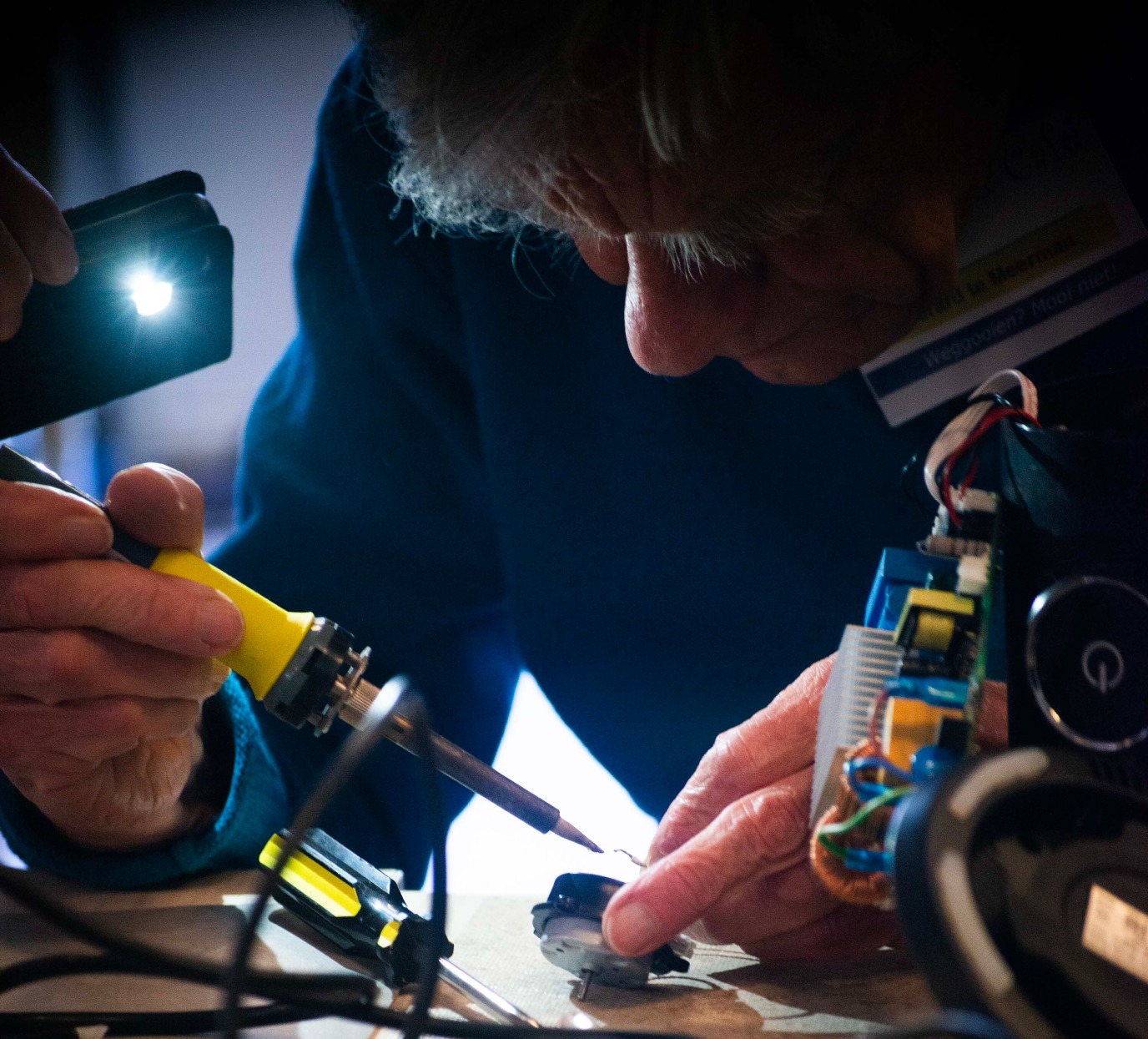
We can influence the people around us by doing things like motivating friends and family to use items in a more circular way, or praising them when they engage in circular behaviour. That would mean things like telling your friend how much you appreciate them choosing to get the broken zipper of their coat replaced instead of buying a new garment.
Businesses
‘Seeking sustainable companies and buying from them, while boycotting unsustainable ones, can influence the availability of circular products and services,’ Pacheco explains. Examples would be things like refillable cosmetics or clothing rental companies. At work, individual employees can encourage their employers to do things like ‘consider the environmental impact of their investment decisions,’ Pacheco says.
Governments
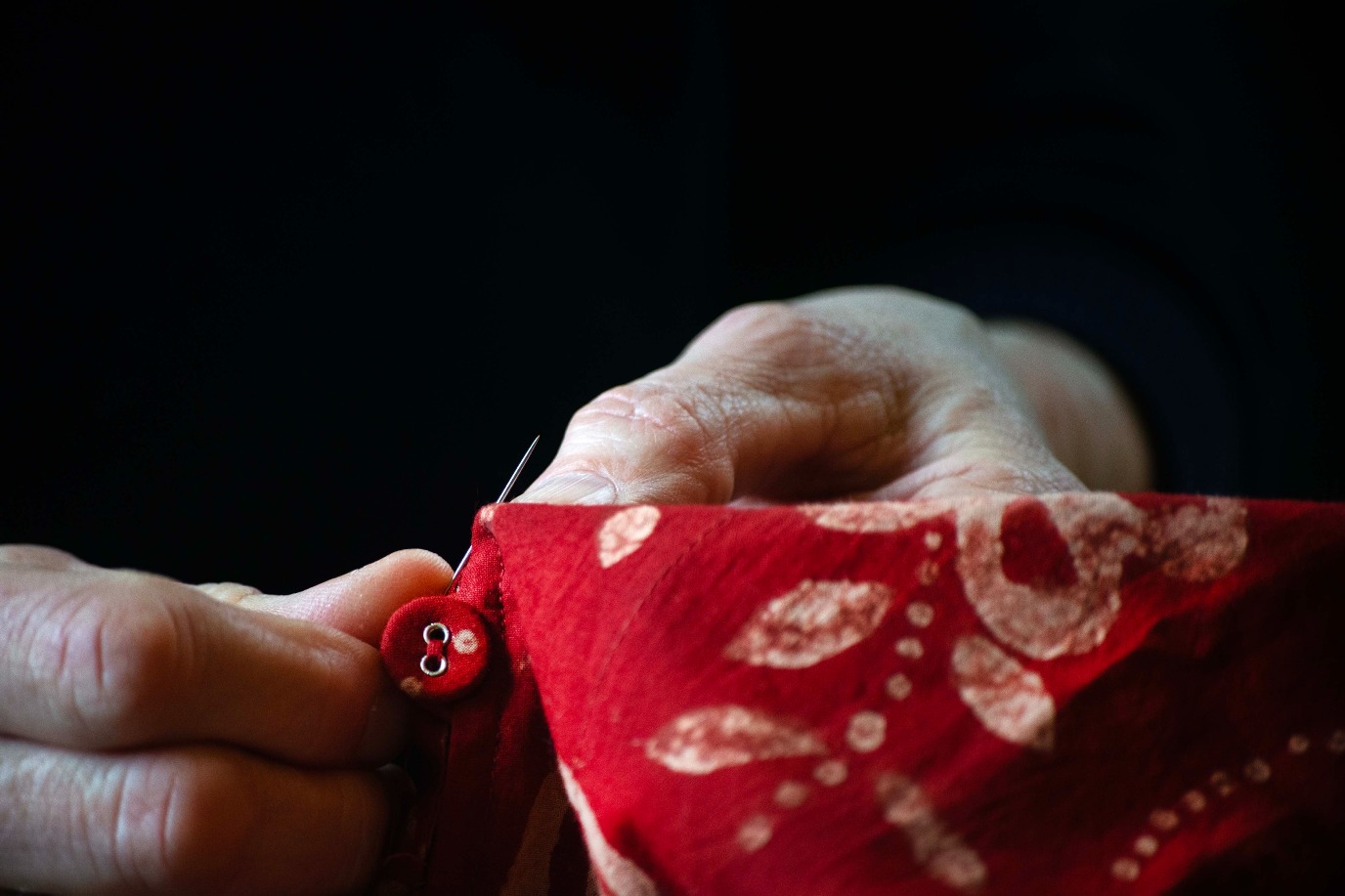
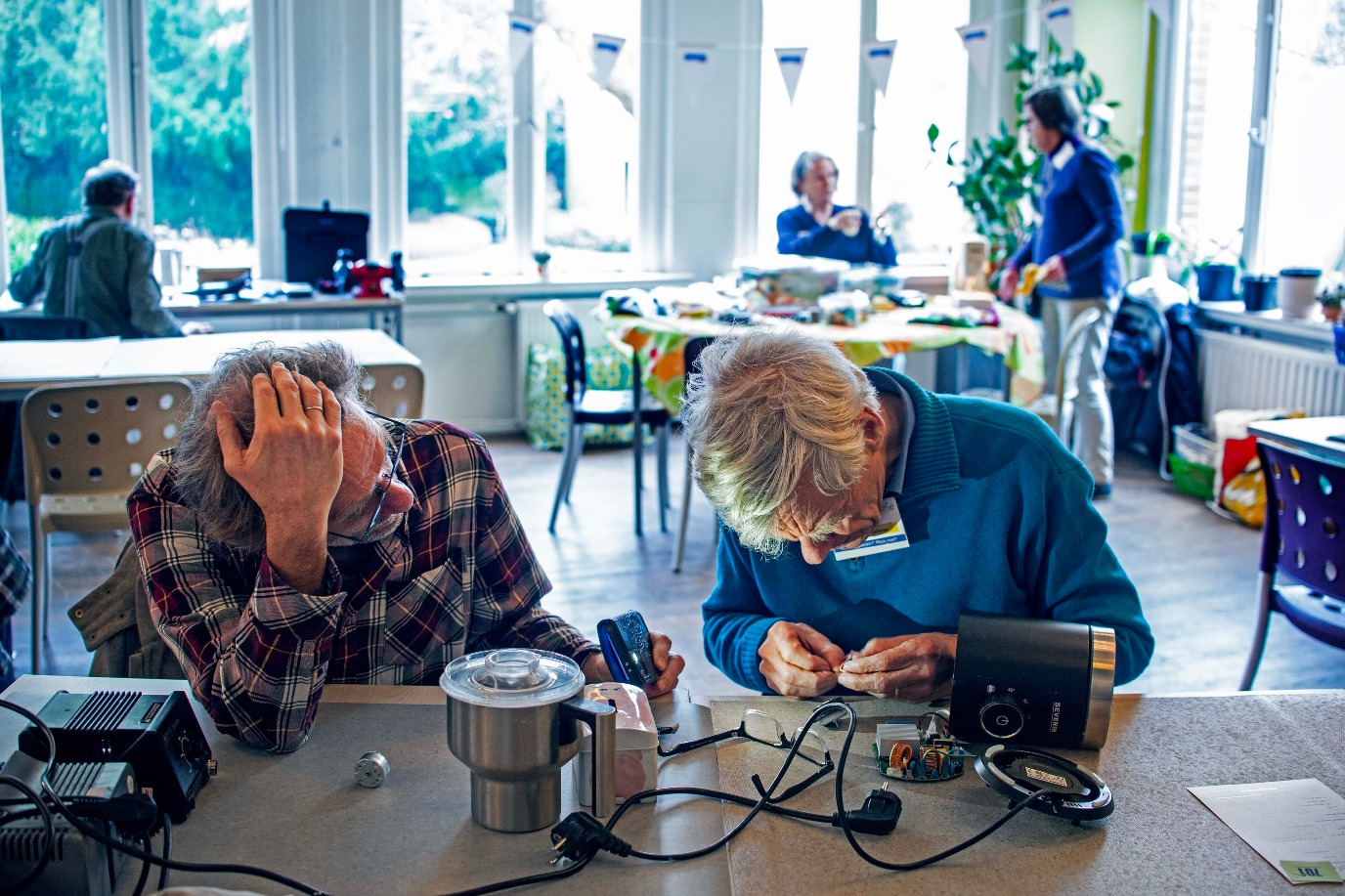
Individuals can protest, sign petitions and contact elected officials to tell them that their constituents want policies that make it easier to engage in circular behaviour, such as funding repair workshops or tool libraries, where people can borrow what they need for a household DIY task instead of buying it.
Actually reducing emissions
So, what impact do people who personally adopt circular behaviour actually have on reducing carbon emissions? Environmental Psychology PhD candidate and researcher at the Netherlands Environmental Assessment Agency (PBL) Julia Koch has looked into this. In a 2024 paper, Koch and her co-authors argued that realistically estimating how much emission reductions potential that any given behaviour has depends on two things.
The first is the theoretical reduction potential (TRP). Here’s how Koch explains it: ‘TRP represents how much environmental benefit results from a certain circular behaviour.’ The second is behavioural plasticity, which Koch says she and her fellow researchers measured based on how willing consumers would actually be to adopt such behaviour.’ ‘Behavioural plasticity is an important aspect for researchers and policymakers alike to take into consideration when seeking to find ways to reduce environmental harm,’ Koch says.
Winning ground
Buying fewer new clothes and choosing more durable garments made from more environmentally-friendly and/or recycled materials are behaviours with high potential to reduce carbon emissions. Koch and her co-authors found that in the Netherlands, circular clothing consumption could reduce greenhouse gas emissions by 11 to 19 percent and land use related to clothing by up to 29 percent.
‘Buying less clothing and choosing holiday destinations closer to home are good examples of behaviours with both a relatively high TRP and behavioural plasticity,’ Koch says, which makes them some of the most effective ways to quickly win more ground in the battle against climate change.
Koch and her co-authors also found that the environmental impact of recycling behaviour is much smaller than consuming less. ‘Recycling matters, but it is much more impactful to reduce our consumption by purchasing fewer things and making sure those purchases are sustainable in the first place, instead of finding ways to recycle the stuff we have.’
Policies that make it easier and cheaper for people to engage in circular behaviour and using our voices to advocate for system change becomes a self-fulfilling prophecy. The more appealing it is to be circular, the more effectively and quickly we can tackle environmental and social problems.
More information
Dossier circularity & sustainability
The world faces significant challenges in climate change, resource scarcity, and environmental pollution. At the University of Groningen, we contribute to solutions through groundbreaking research and education in circularity and sustainability. In this dossier, we highlight the latest insights, projects, and collaborations that advance a circular economy and a sustainable society.
More news
-
08 October 2026
Diversity Week: What can I do for LGBTQIA+ acceptance?
-
-
24 August 2026
Social media: swimming or drowning?