

Hydrogen medal, local sushi, and brilliant failures: WOS Day 2026 recap
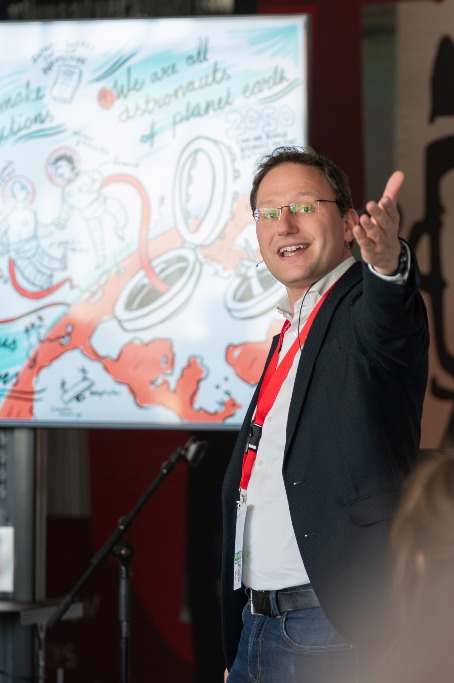
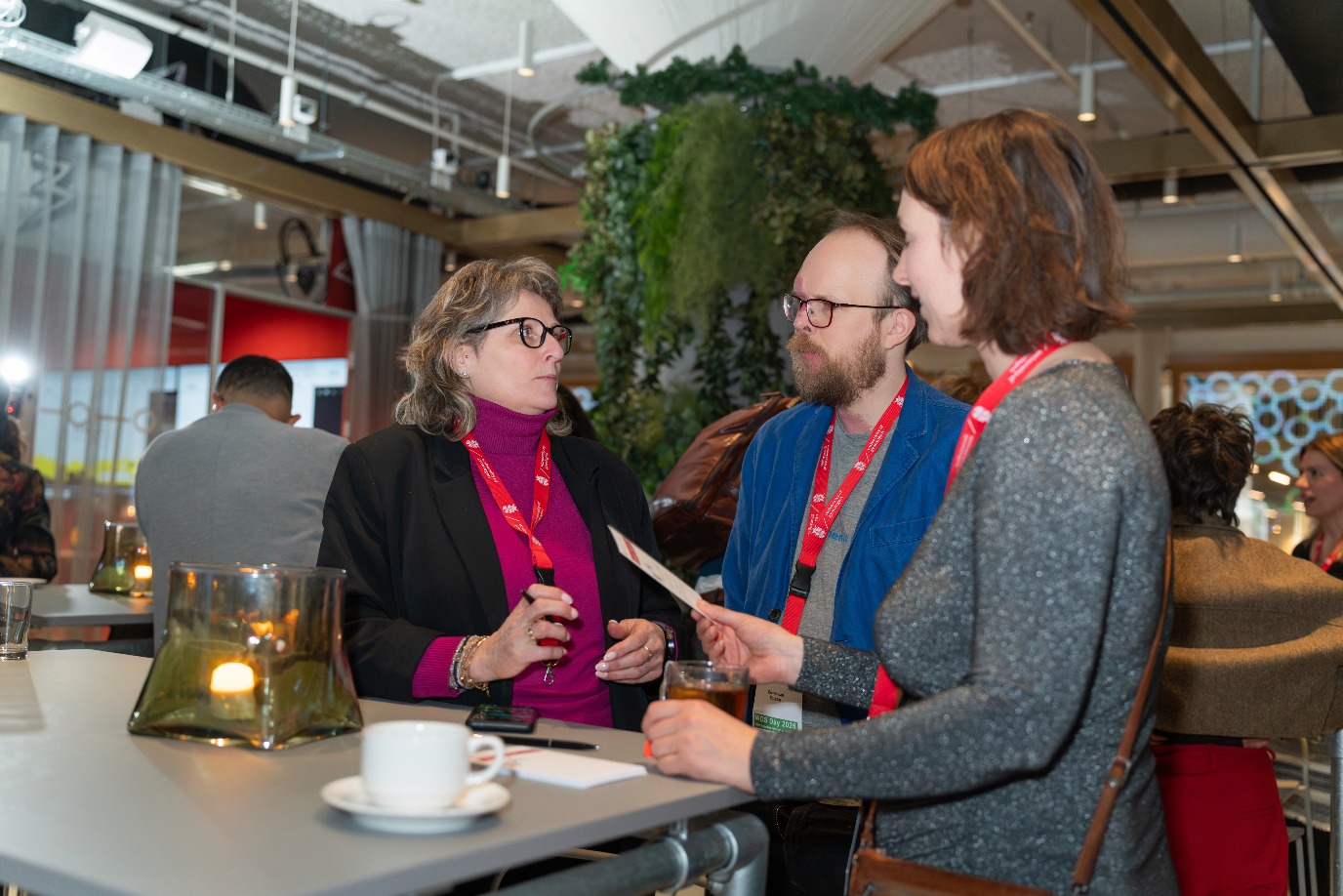
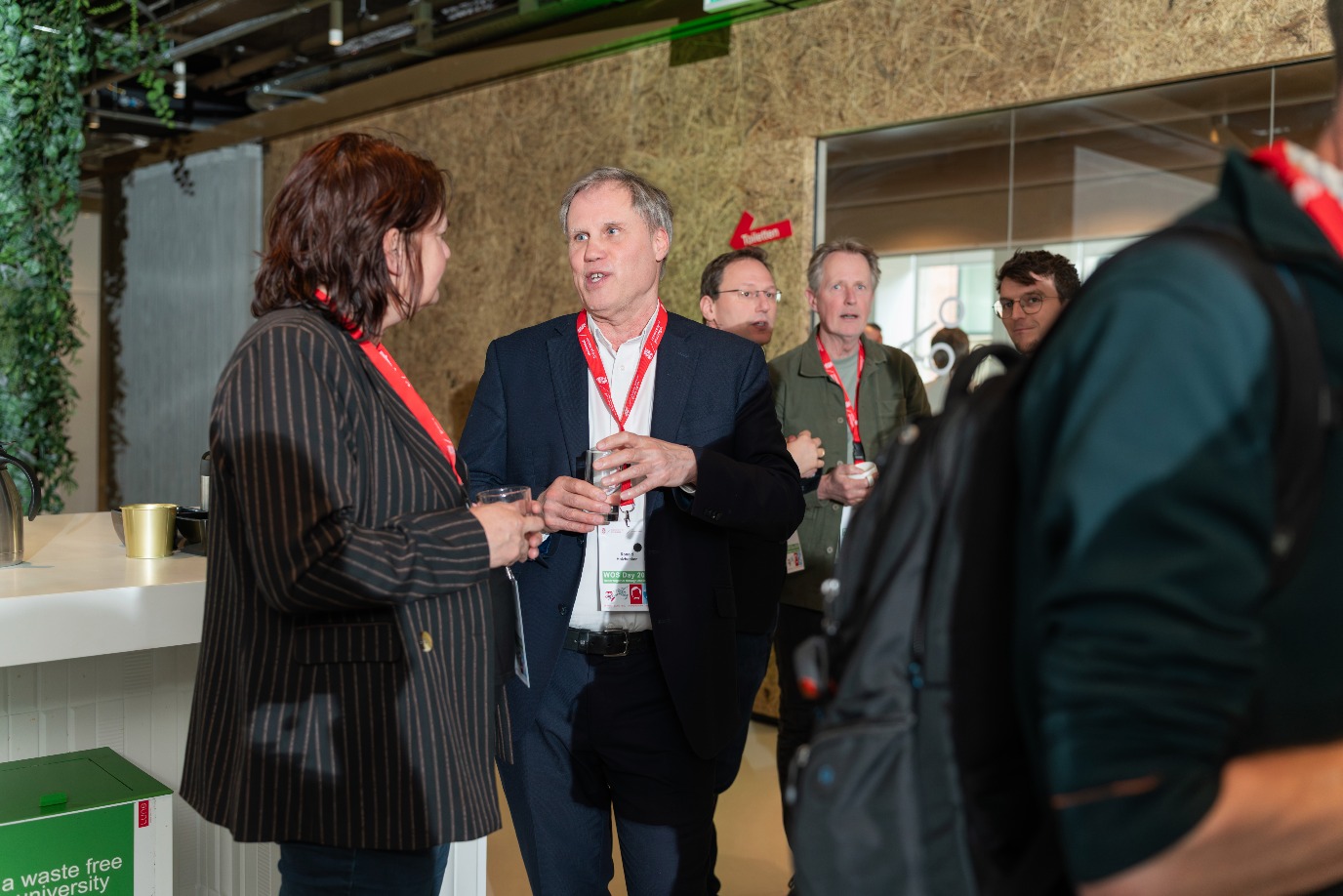
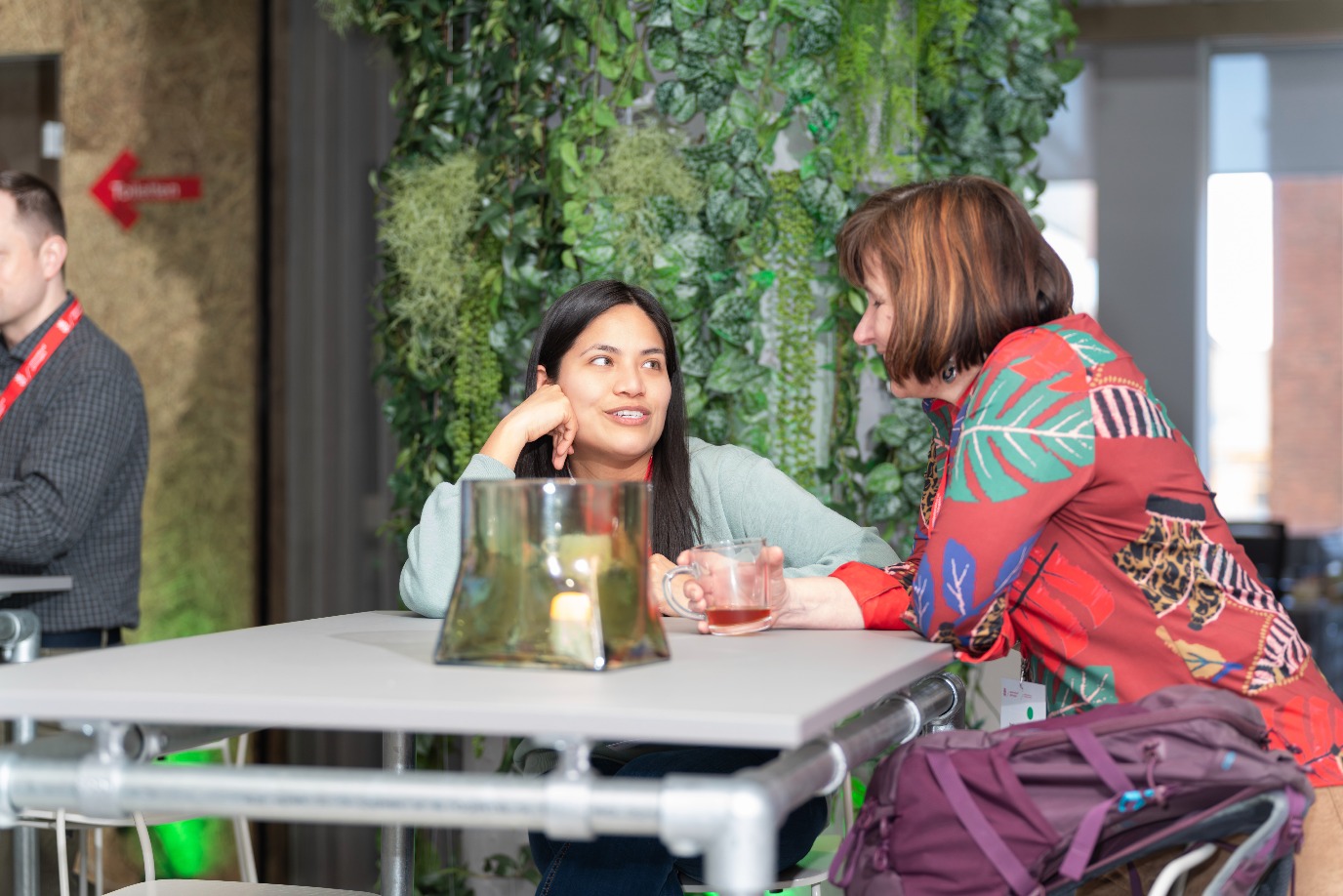
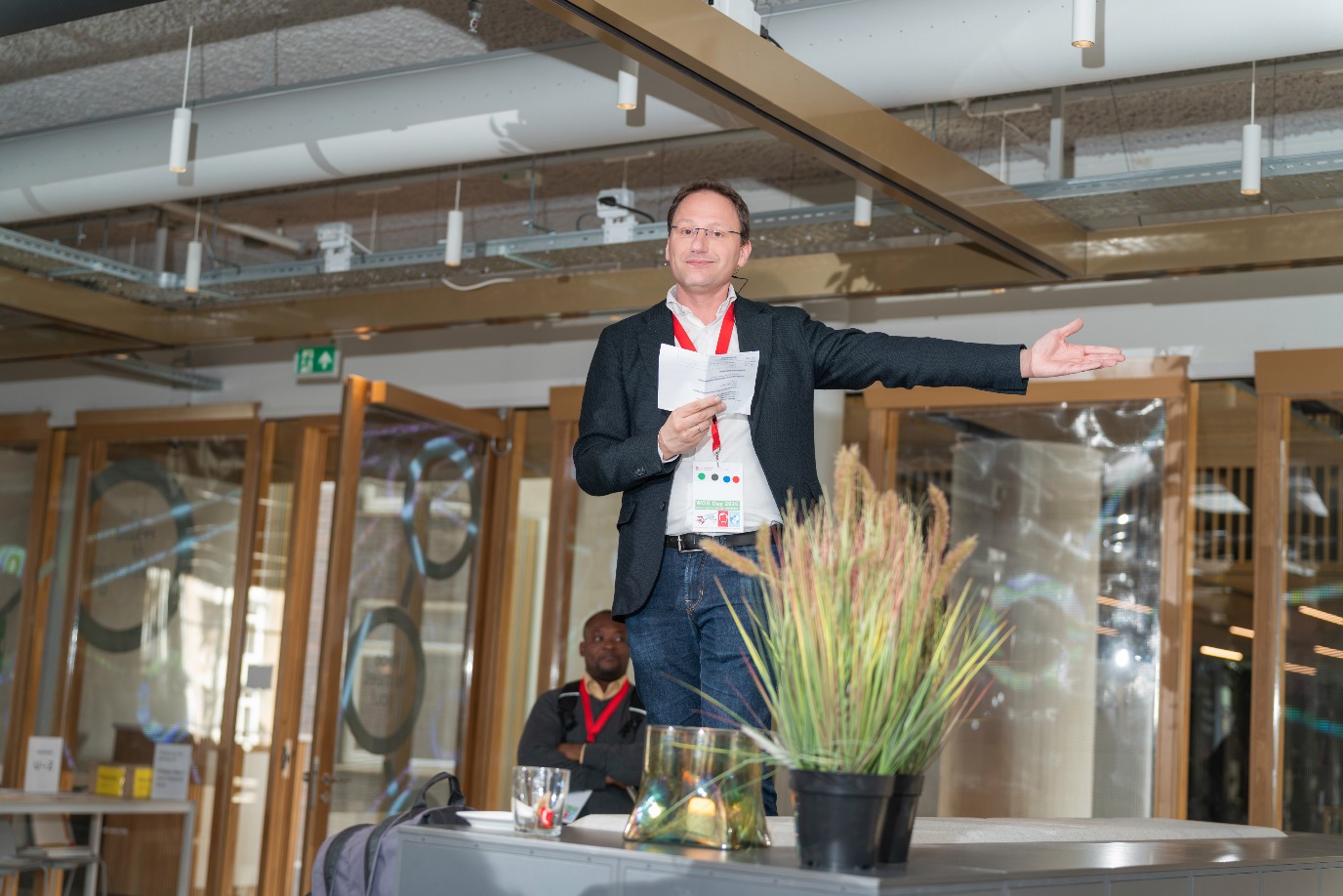
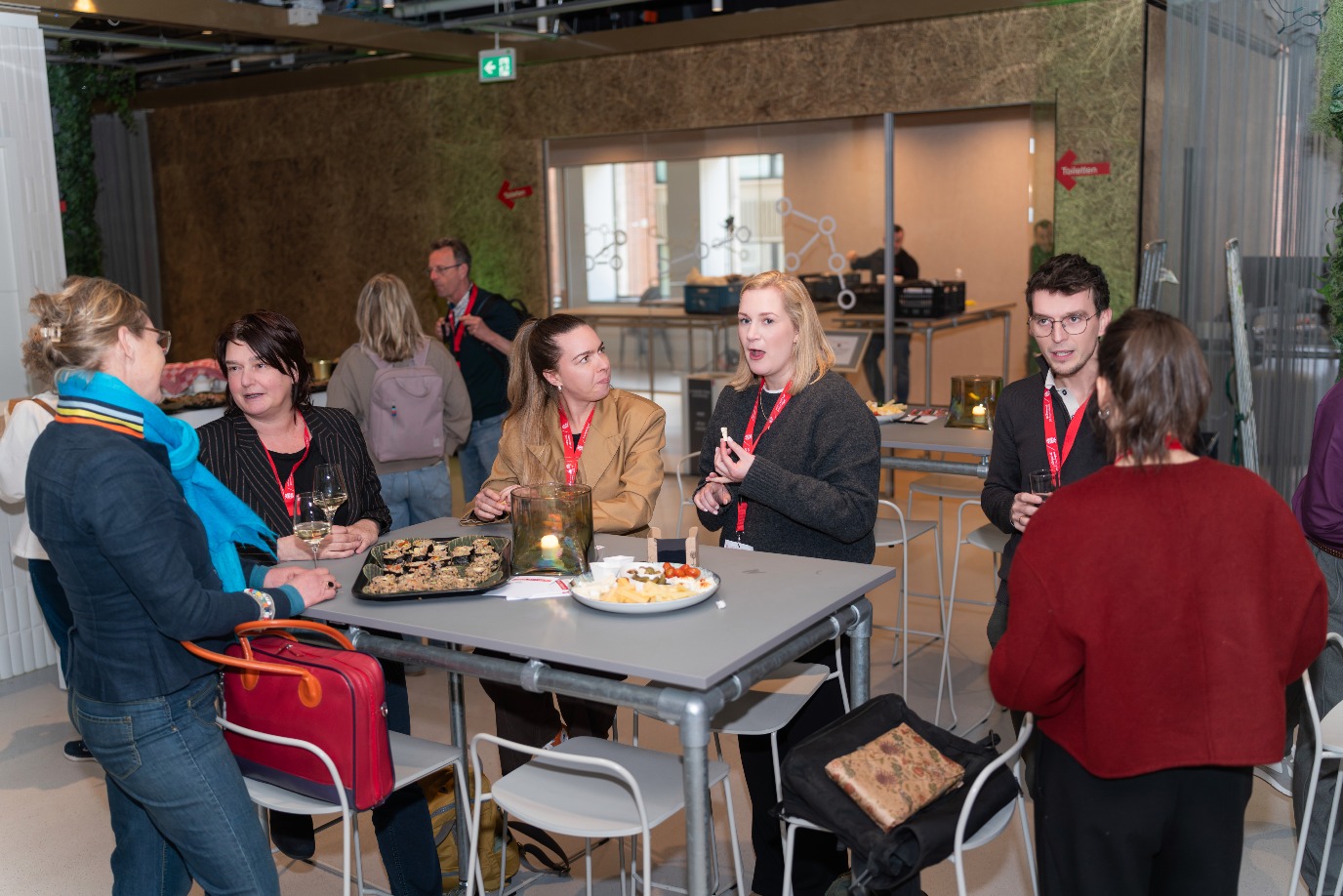
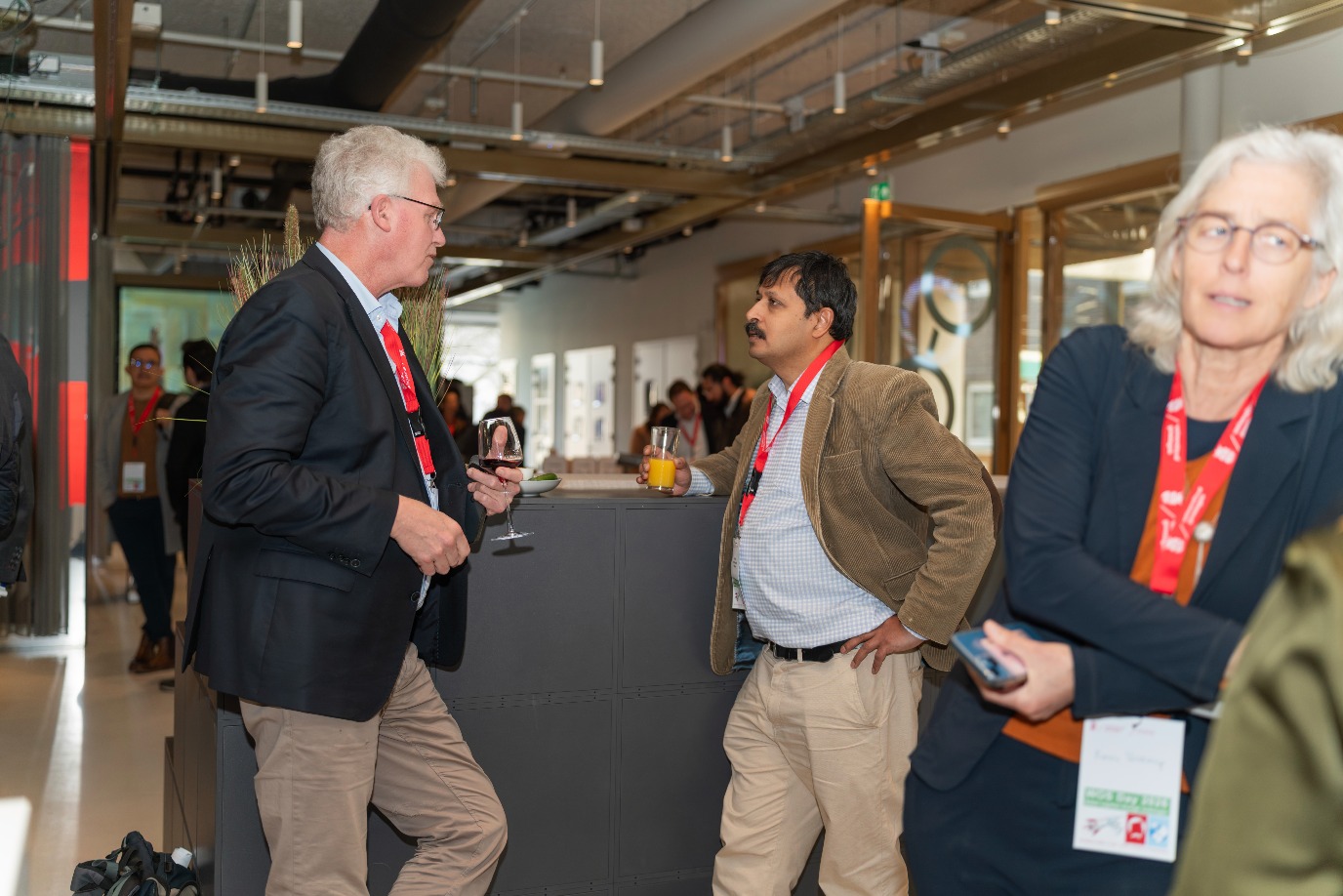
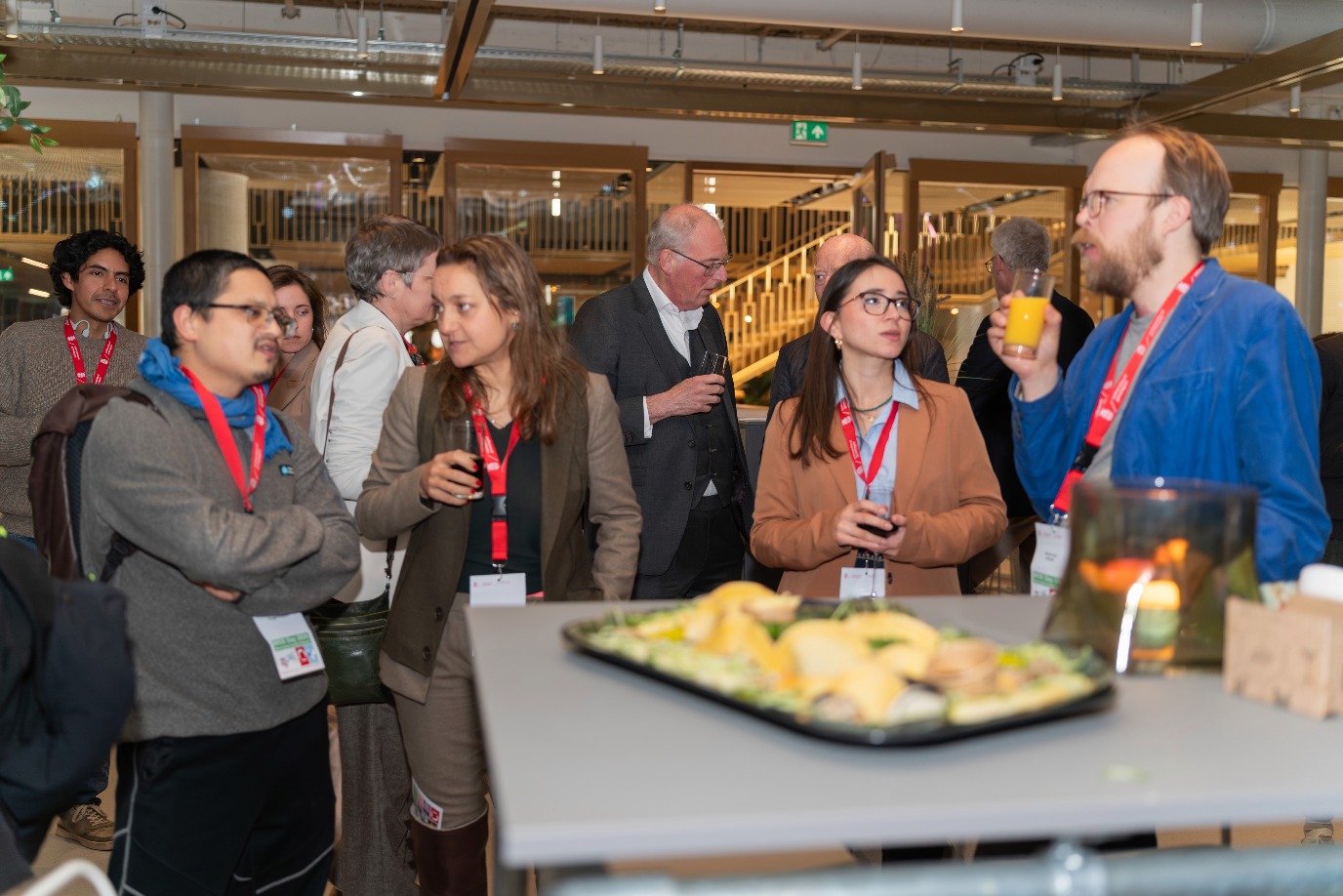
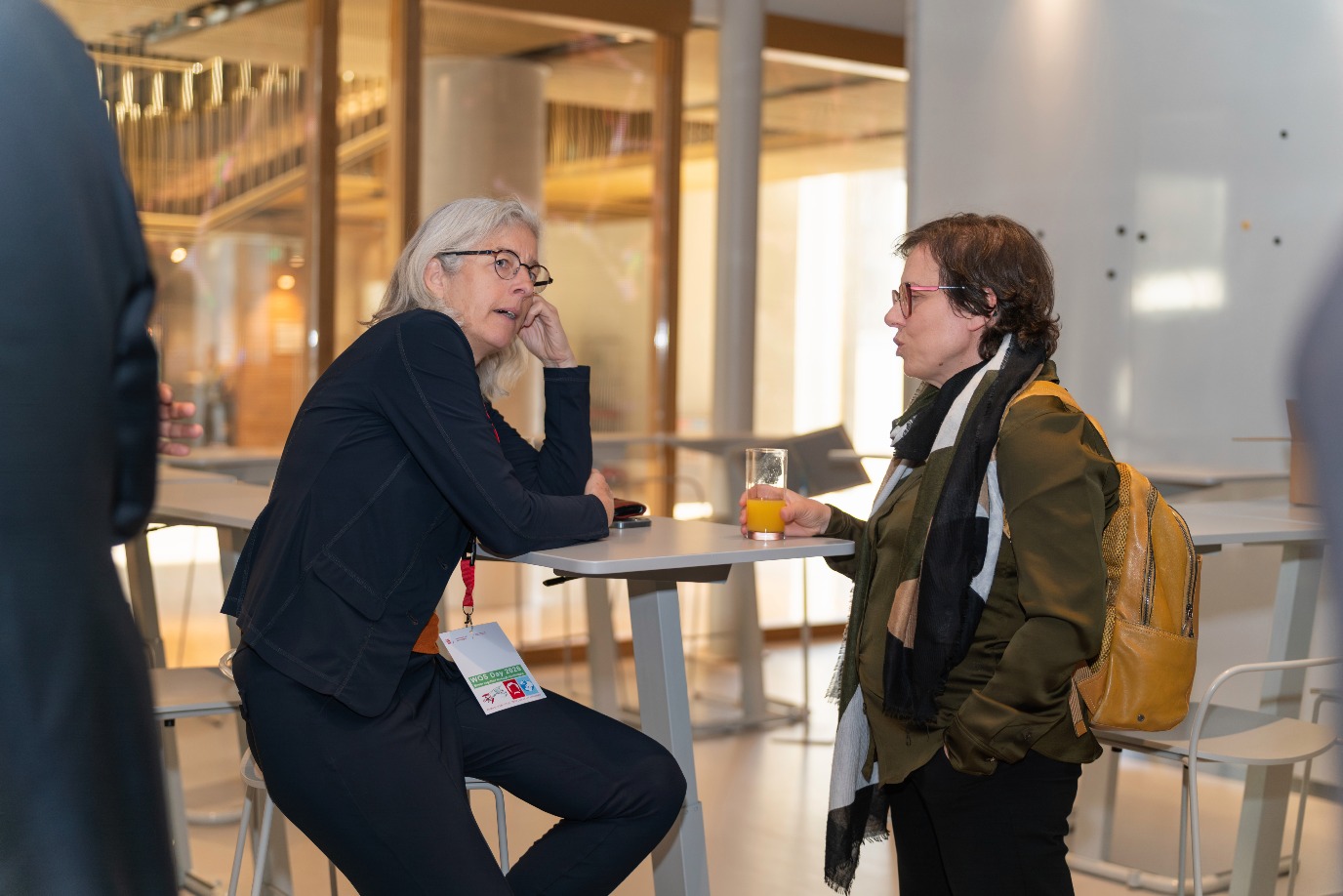
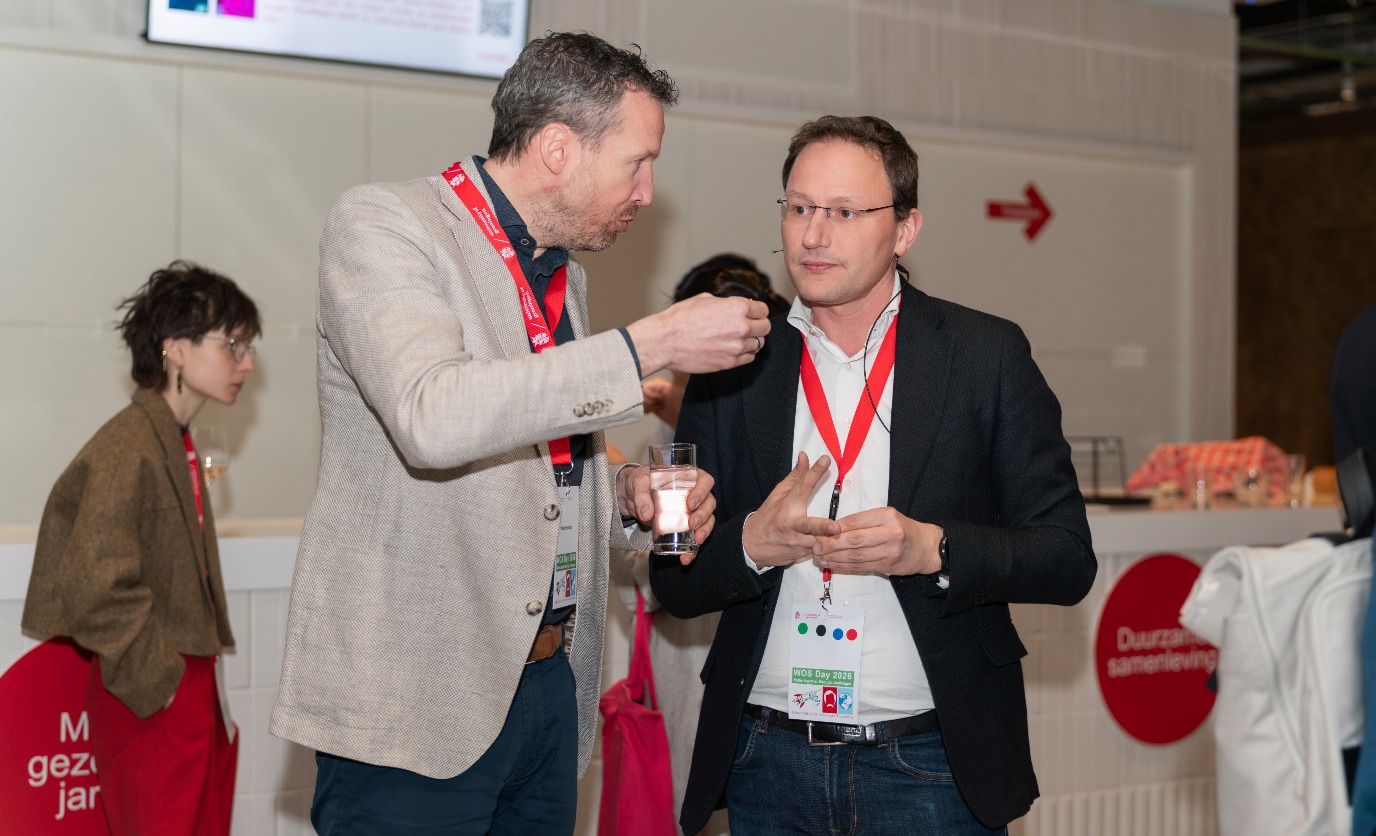
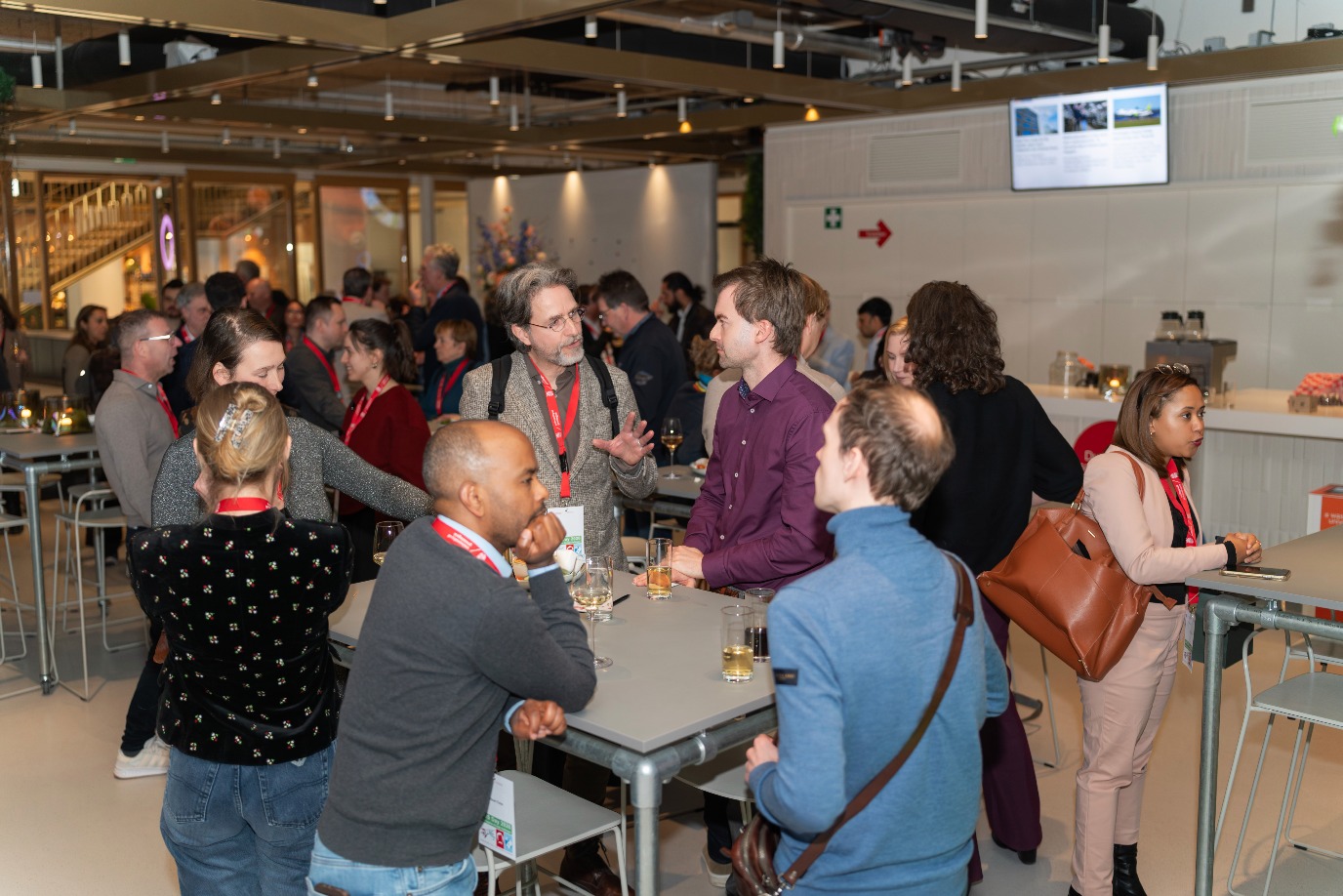
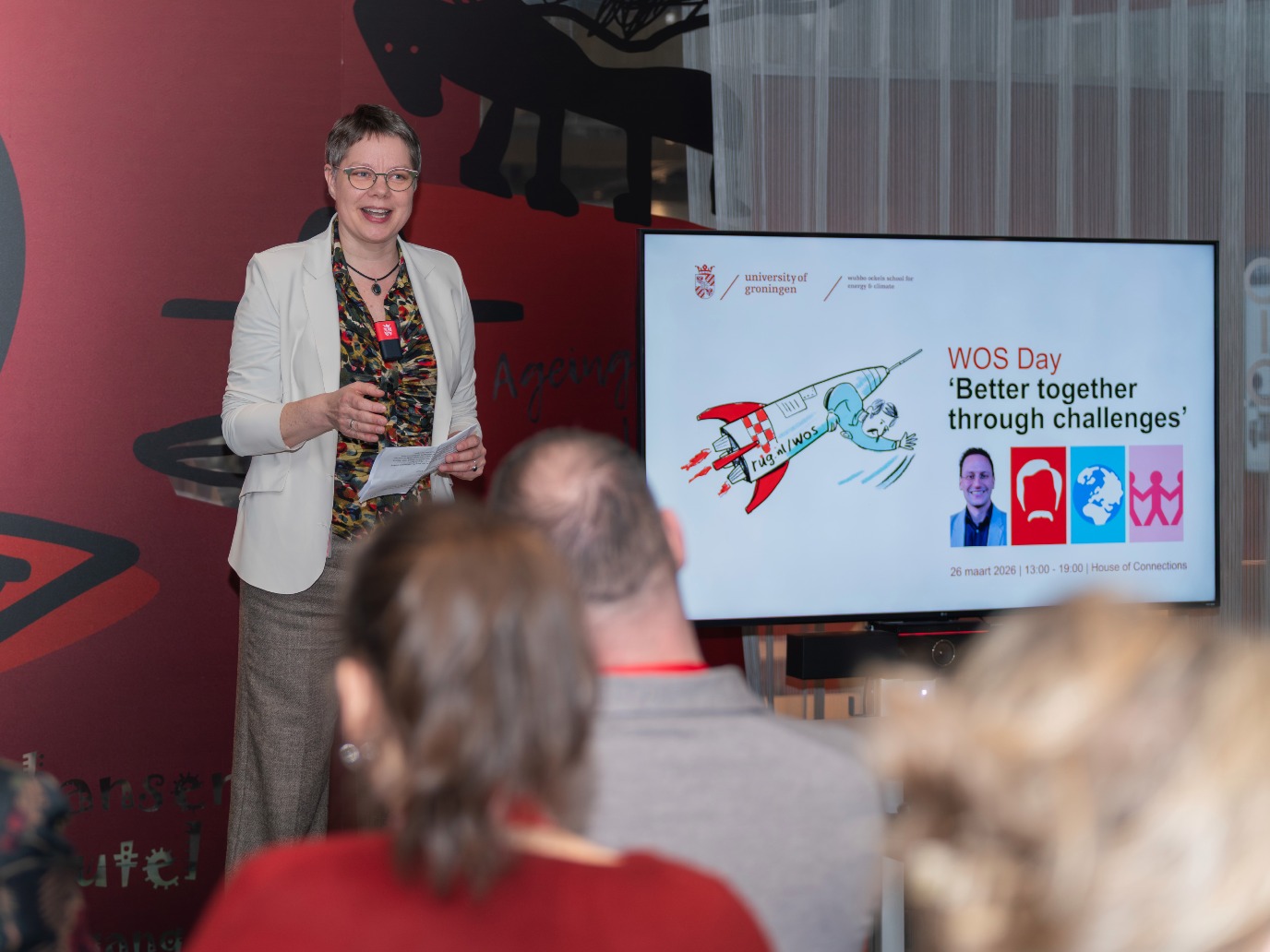
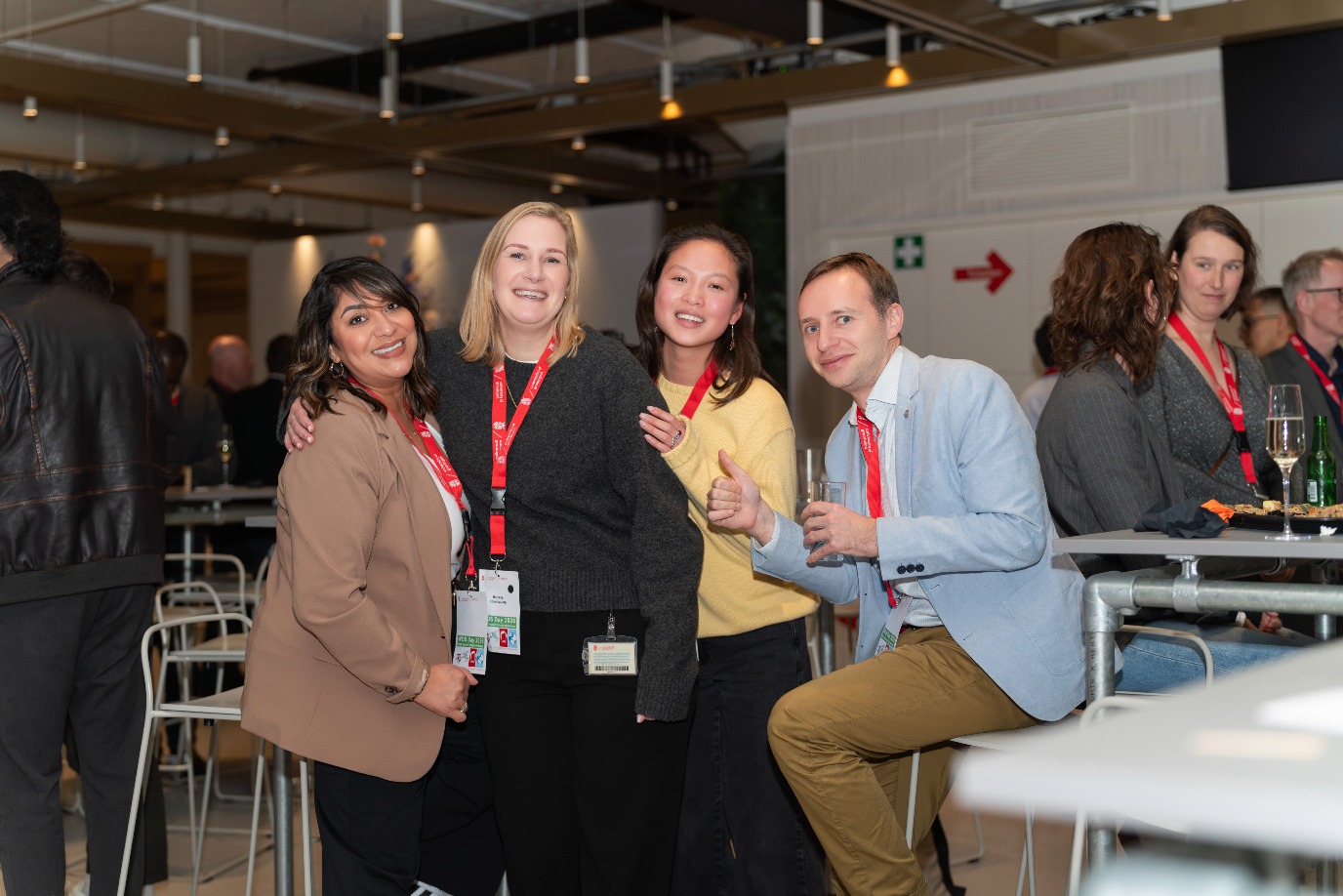
Do not be afraid of challenges. That was the message from departing scientific director Lorenzo Squintani during the annual WOS Day, held recently at House of Connections. The diverse programme ranged from a keynote on brilliant failures to a sushi-making workshop, just to give a preview.
'Optimism is a responsibility,' was the credo of Wubbo Ockels, after whom the UG School for energy and climate is named. Squintani referred to this during the opening of the WOS Day and translated it into his own message: do not be afraid of challenges, whether related to the energy transition, climate adaptation, or other major issues. These very challenges provide valuable learning experiences and strengthen the ecosystem in the Northern Netherlands.
Failure is a Human Right
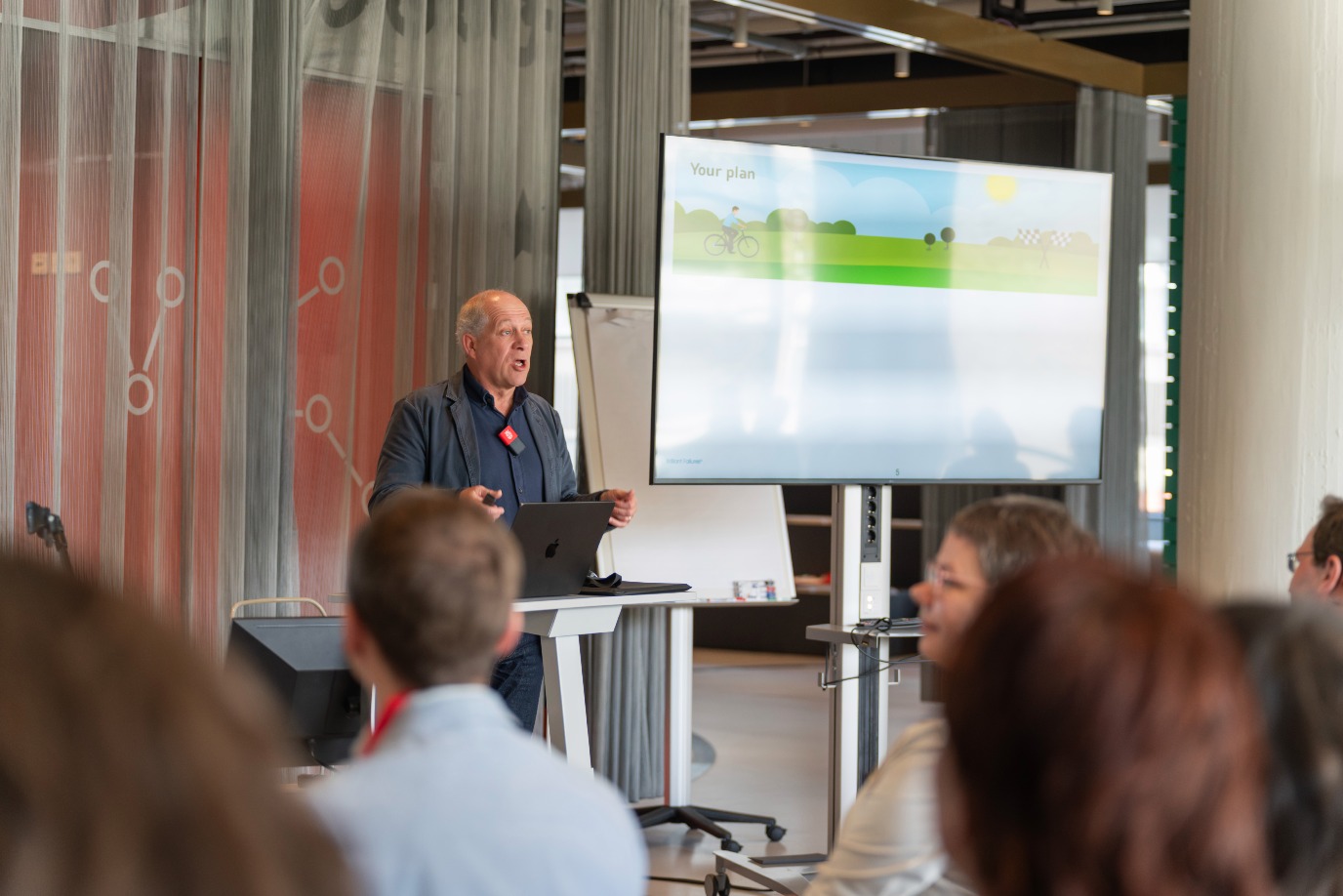
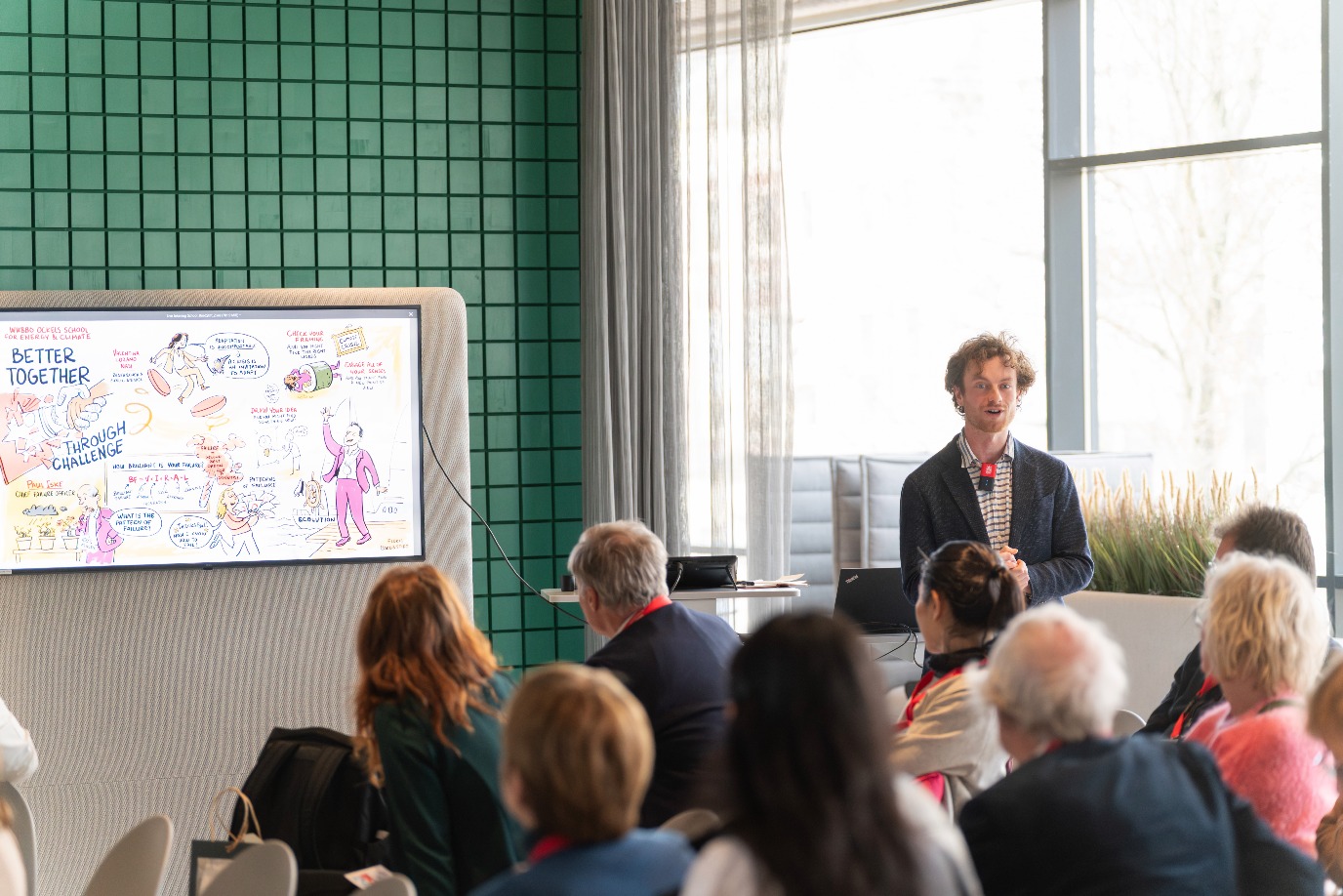
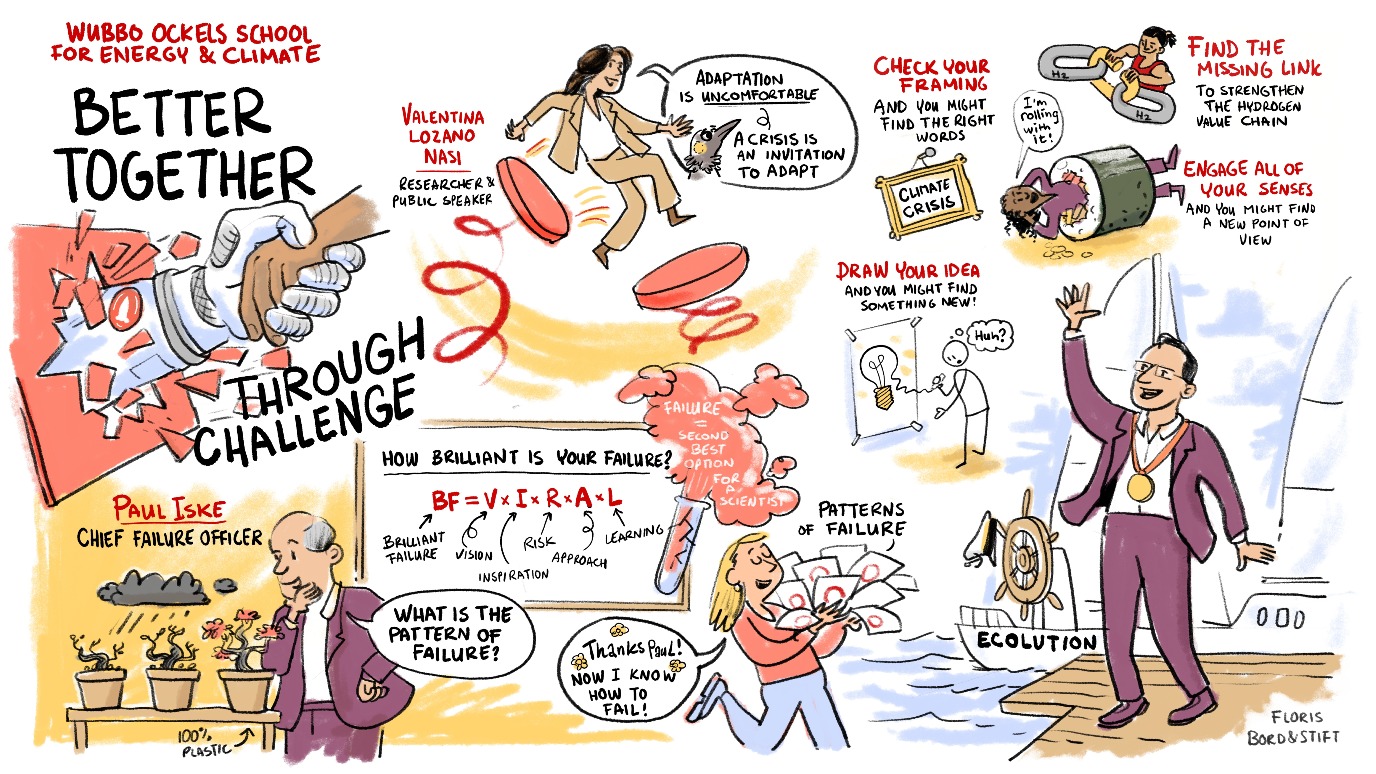
The message of keynote speaker Paul Iske aligned seamlessly with this. The professor of Open Innovation & Business Venturing at Maastricht University and founder of the Institute of Brilliant Failures advocated embracing failure. The Chief Failure Officer (CFO) even called for the right to fail to be recognised as a human right.
Originally trained as a physicist, Iske shared several formulas with the audience, such as the formula for innovation with new technology (new technology plus old organisation = a very expensive old organisation) and the VIRAL formula, used to assess how 'brilliant' a failure is.
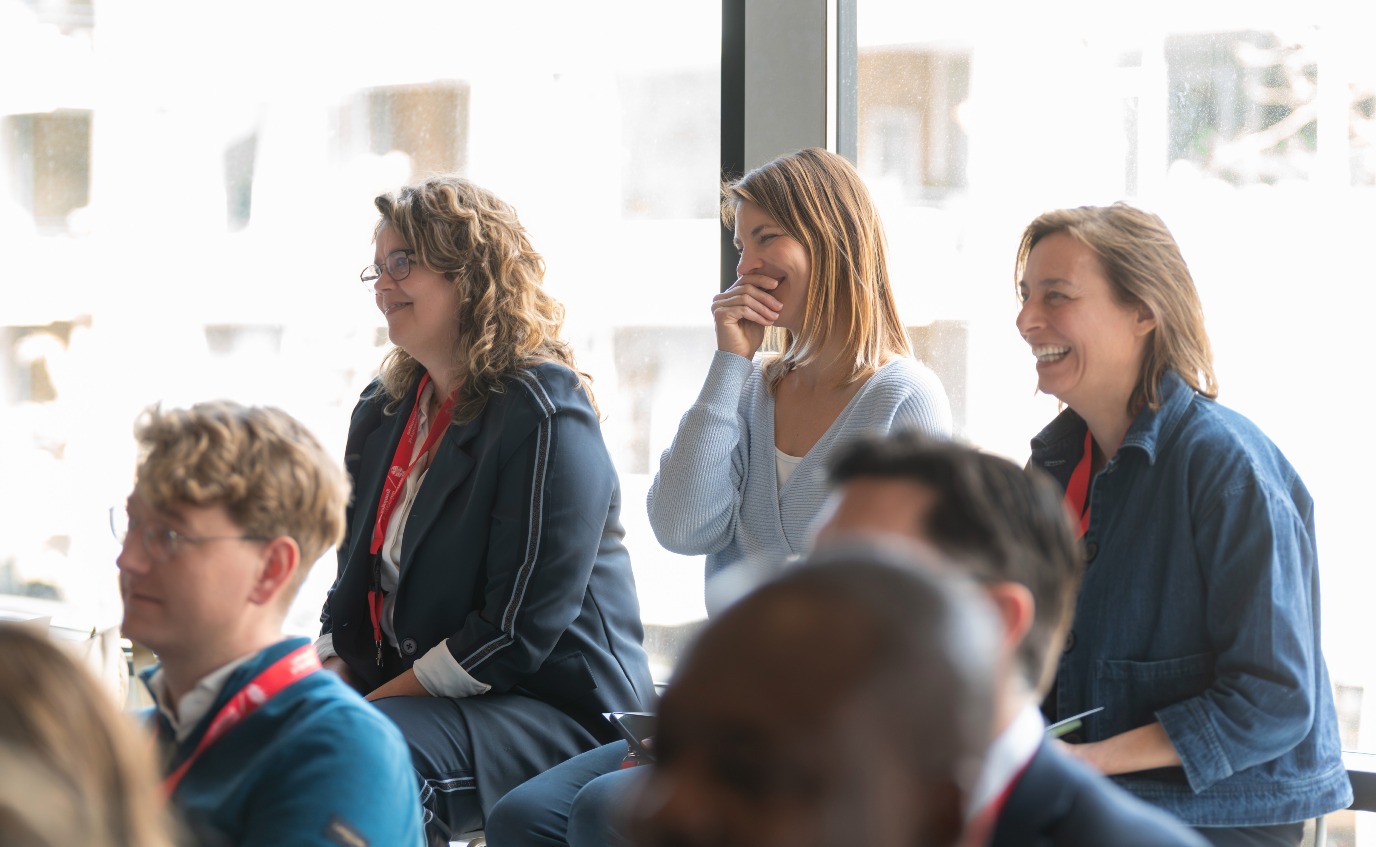
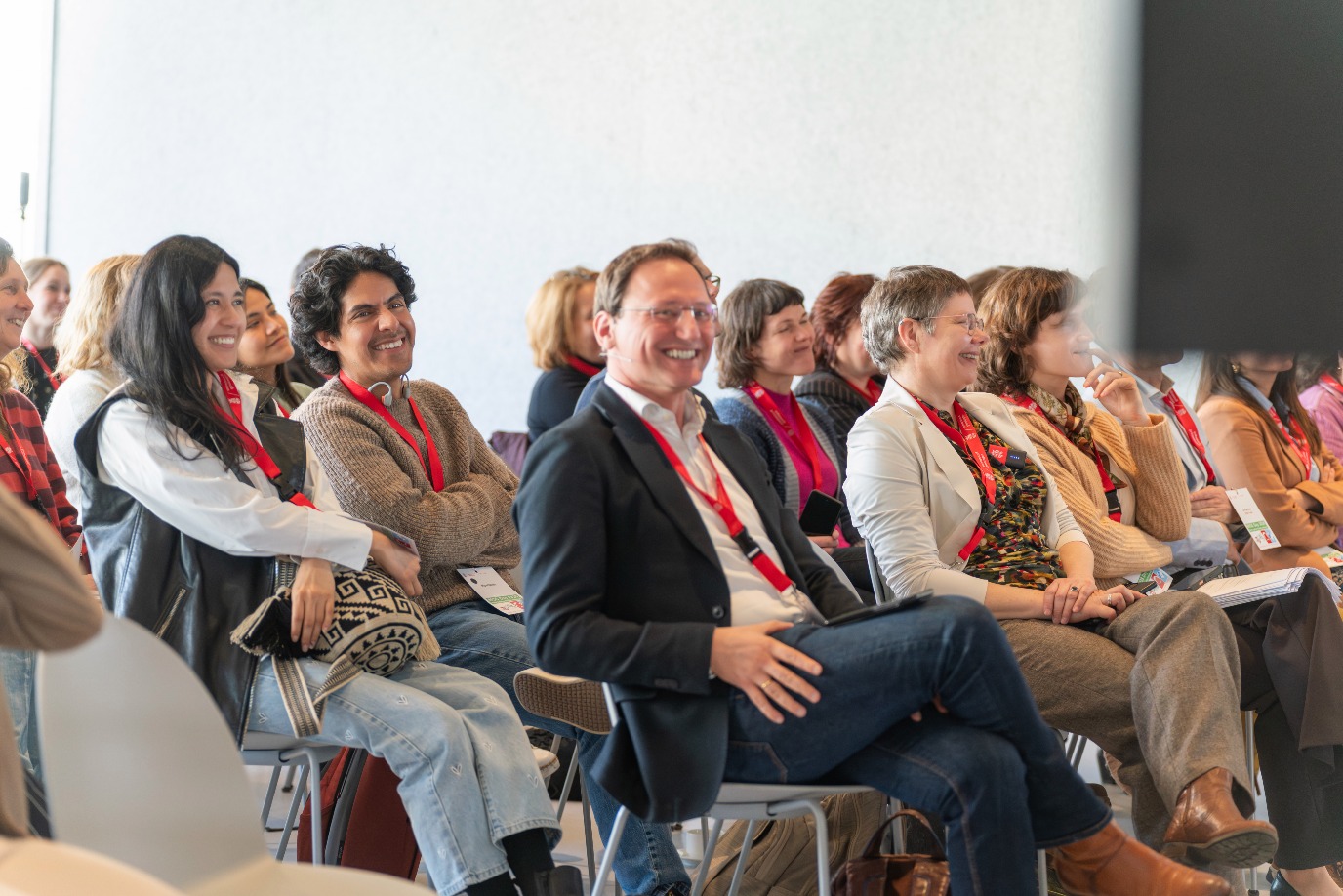
Behind his positive story, delivered with a humorous touch, lay a serious message. The Chief Failure Officer pointed to a problem of our time: our tendency, especially on social media, to glorify everything, while failure actually provides valuable insights. 'A brilliant failure is a well-prepared attempt to create value, but with a different outcome than expected and with a learning opportunity,' he concluded.
Continuous adaptation
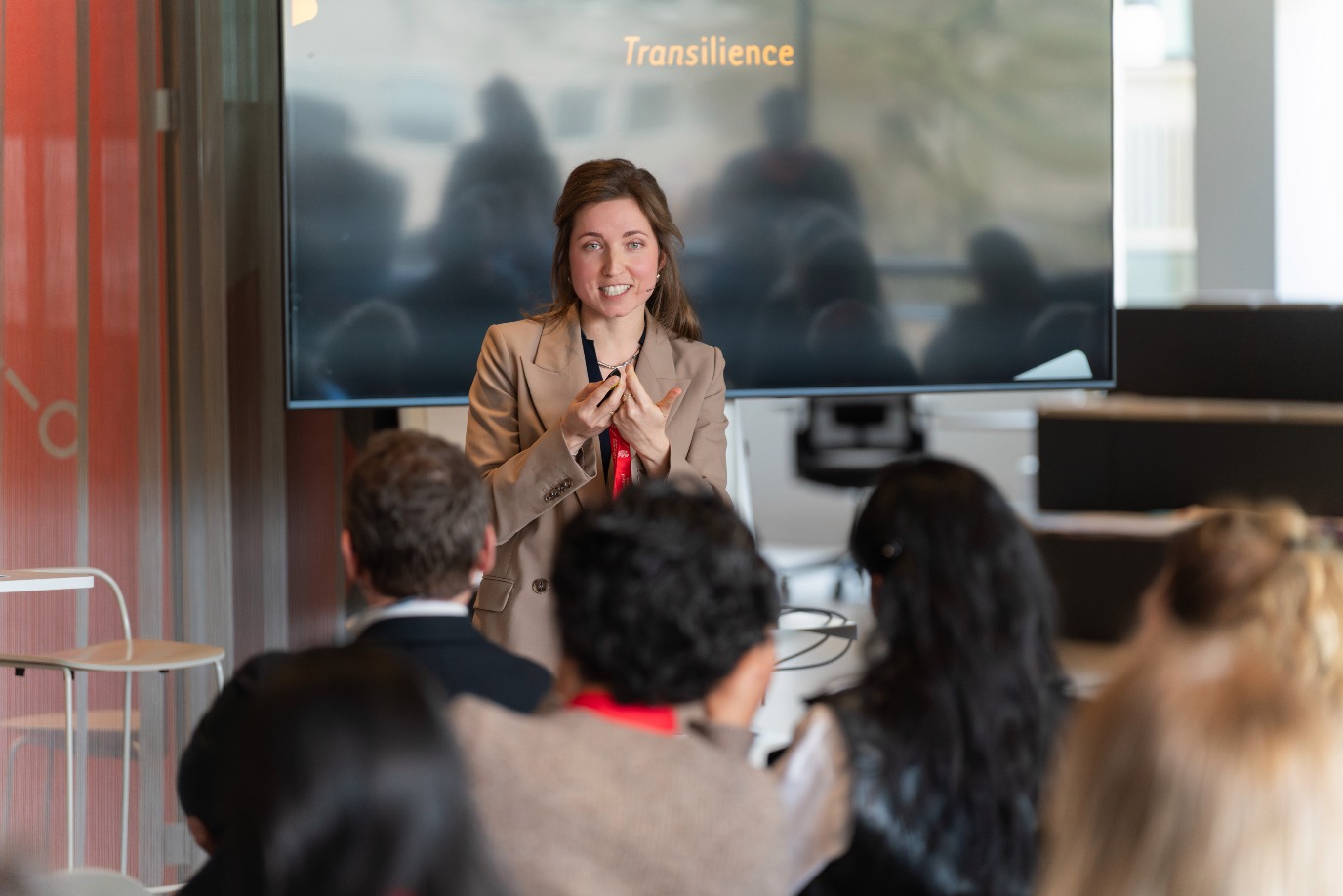
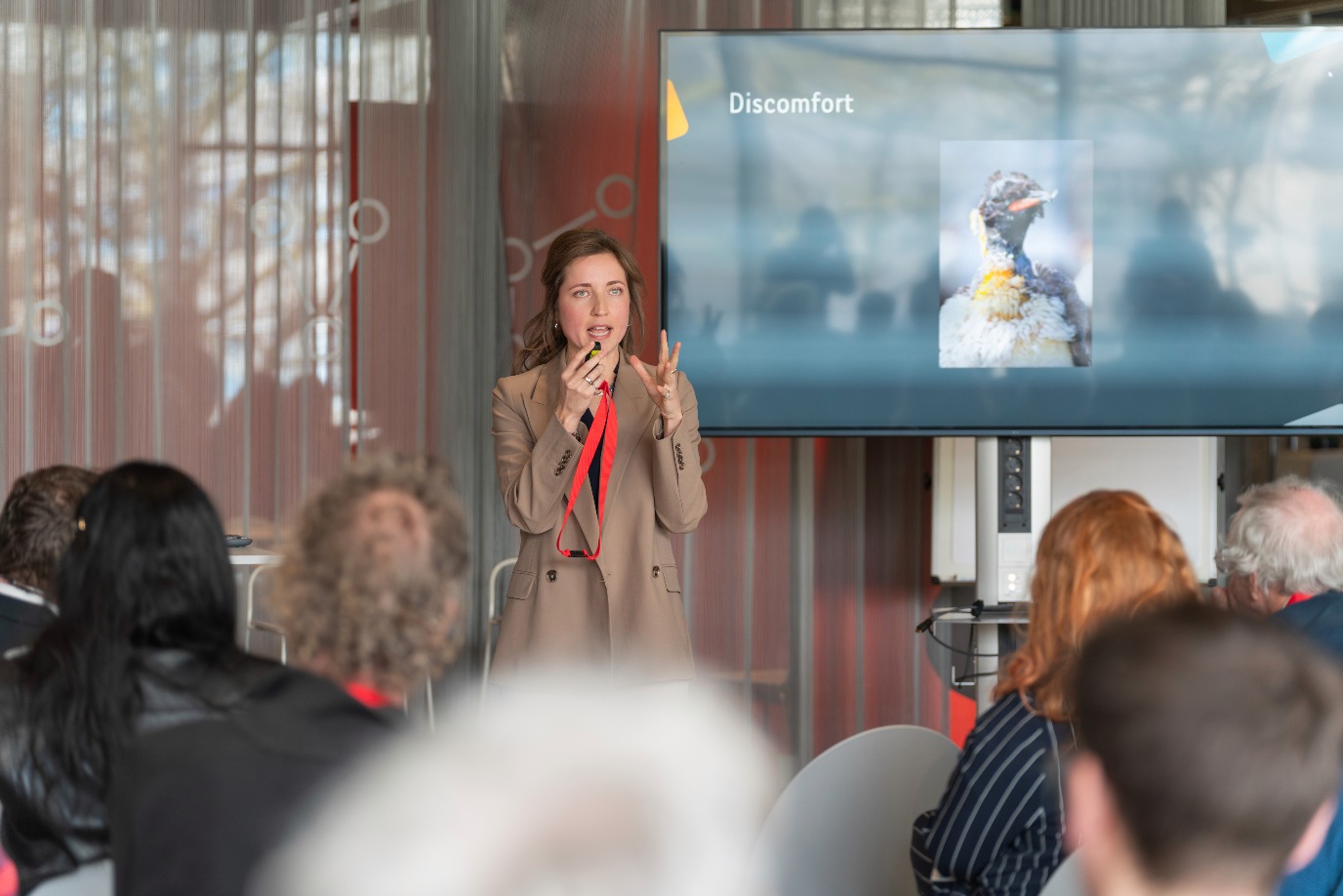
The second keynote speaker, researcher Valentina Lozano Nasi, spoke about the distinction between 'resilience' (recovery and preservation of the old) and 'transilience': positive adaptation, transformation, and perseverance. The environmental psychologist has researched contemporary global challenges such as climate change and the COVID-19 pandemic.
She emphasised the importance of 'transilience' in dealing with these major global challenges, but also related the concept to her own situation. After completing her PhD, she said she fell into a deep crisis, which she eventually overcame through adaptability. However, Nasi stressed that a crisis can always return, and therefore requires an ongoing adaptive process. She highlighted two lessons: change is not pleasant, but you do not have to go through it alone within a strong community.
Workshops, farewell and a medal
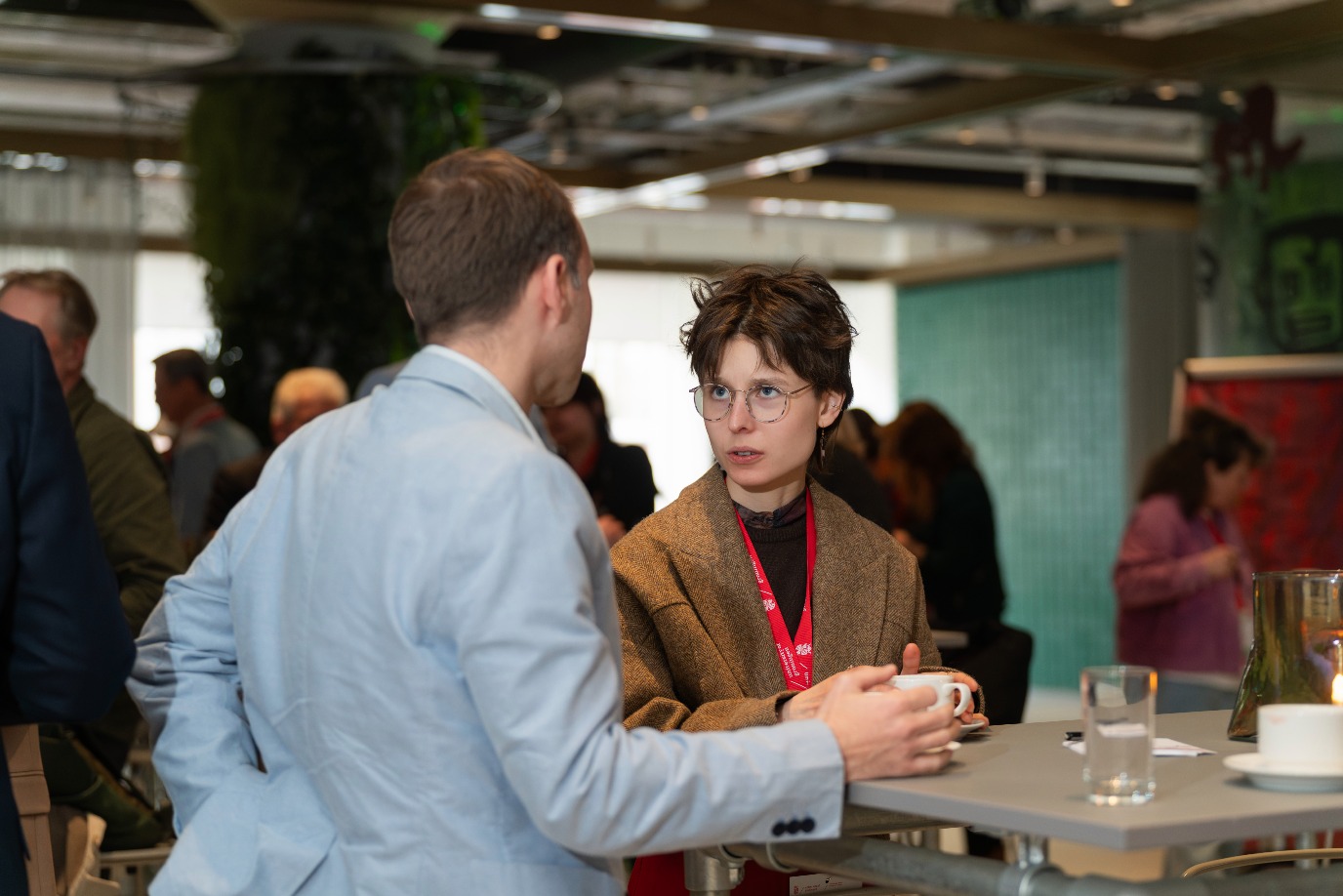
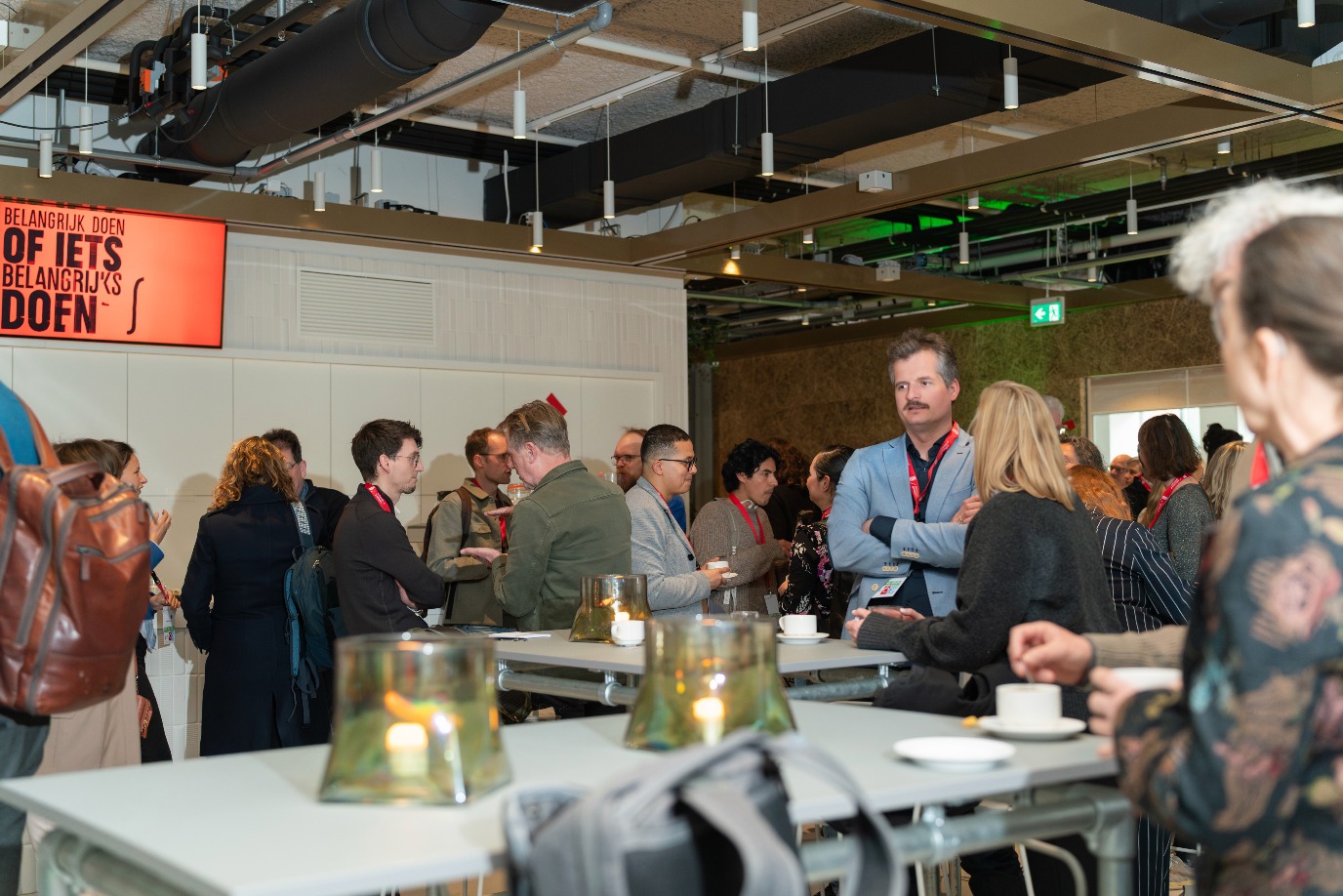
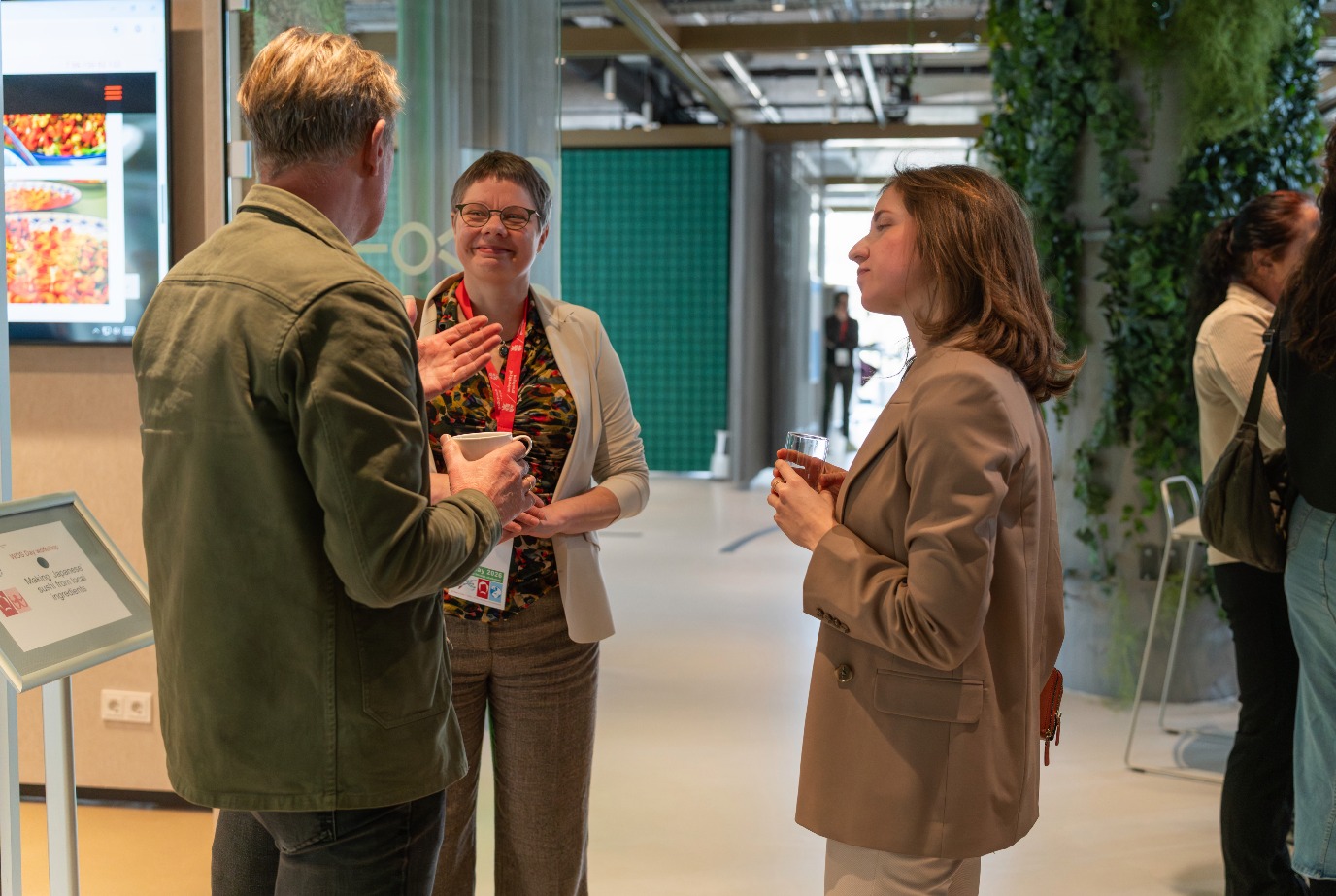
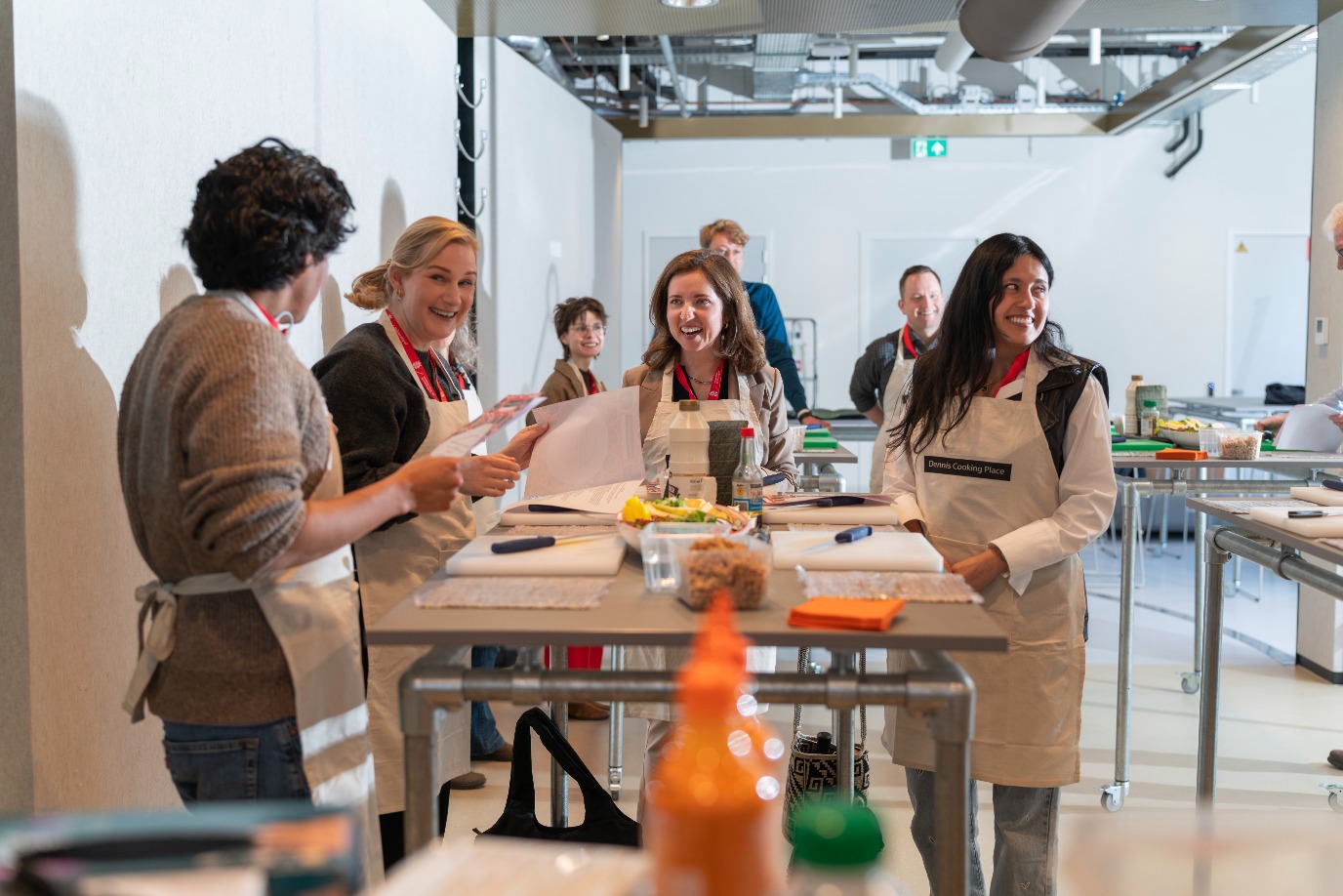
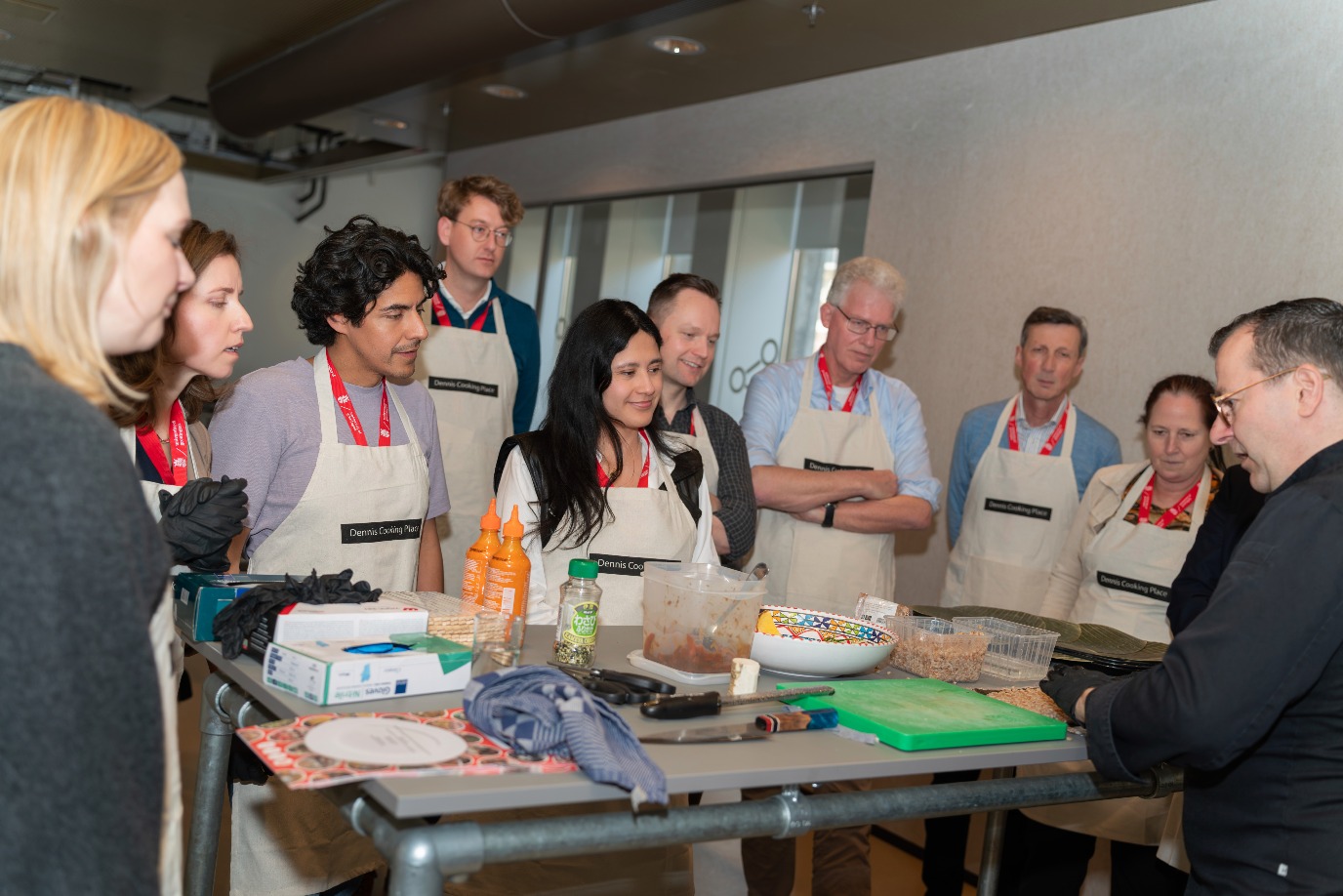
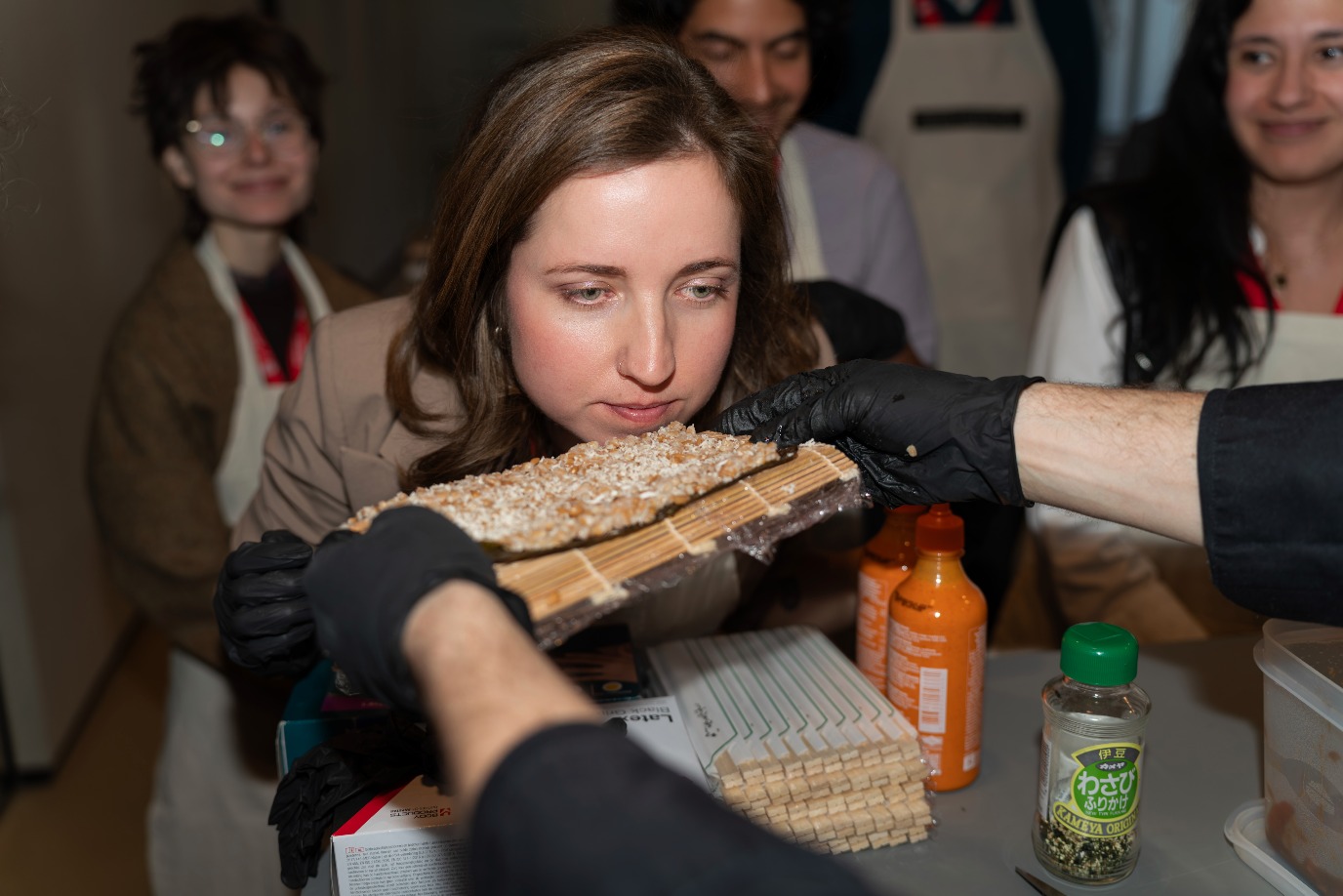
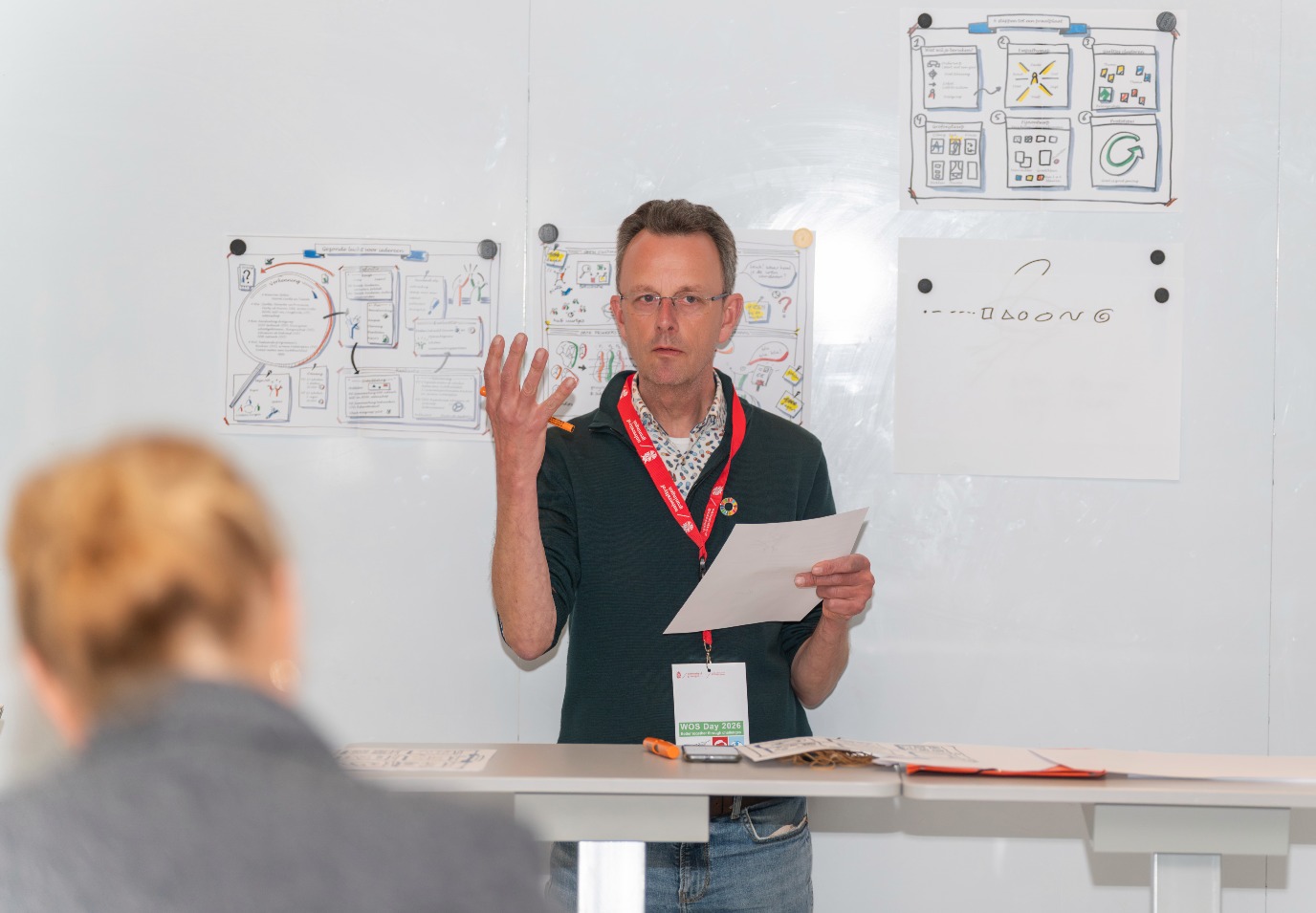
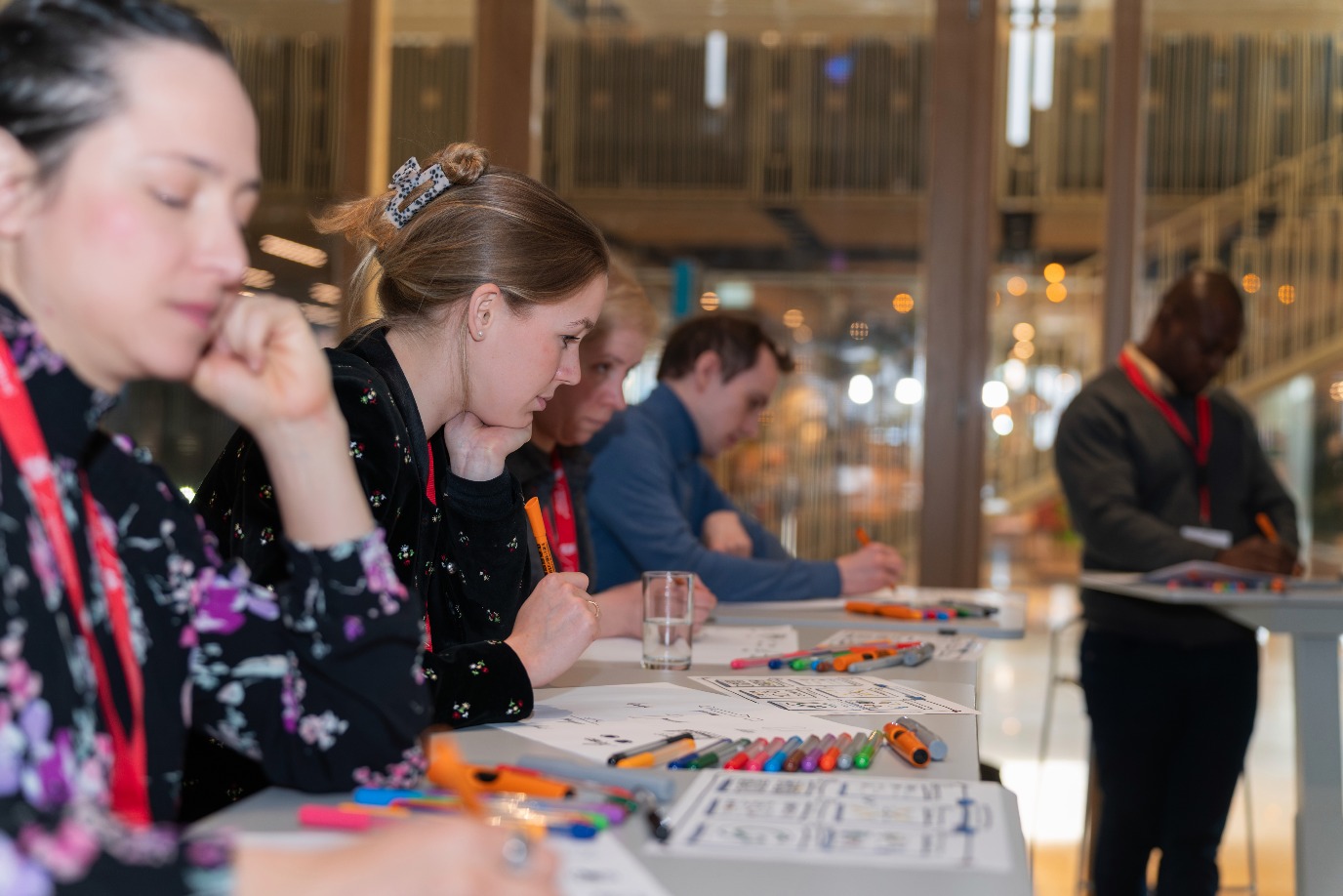
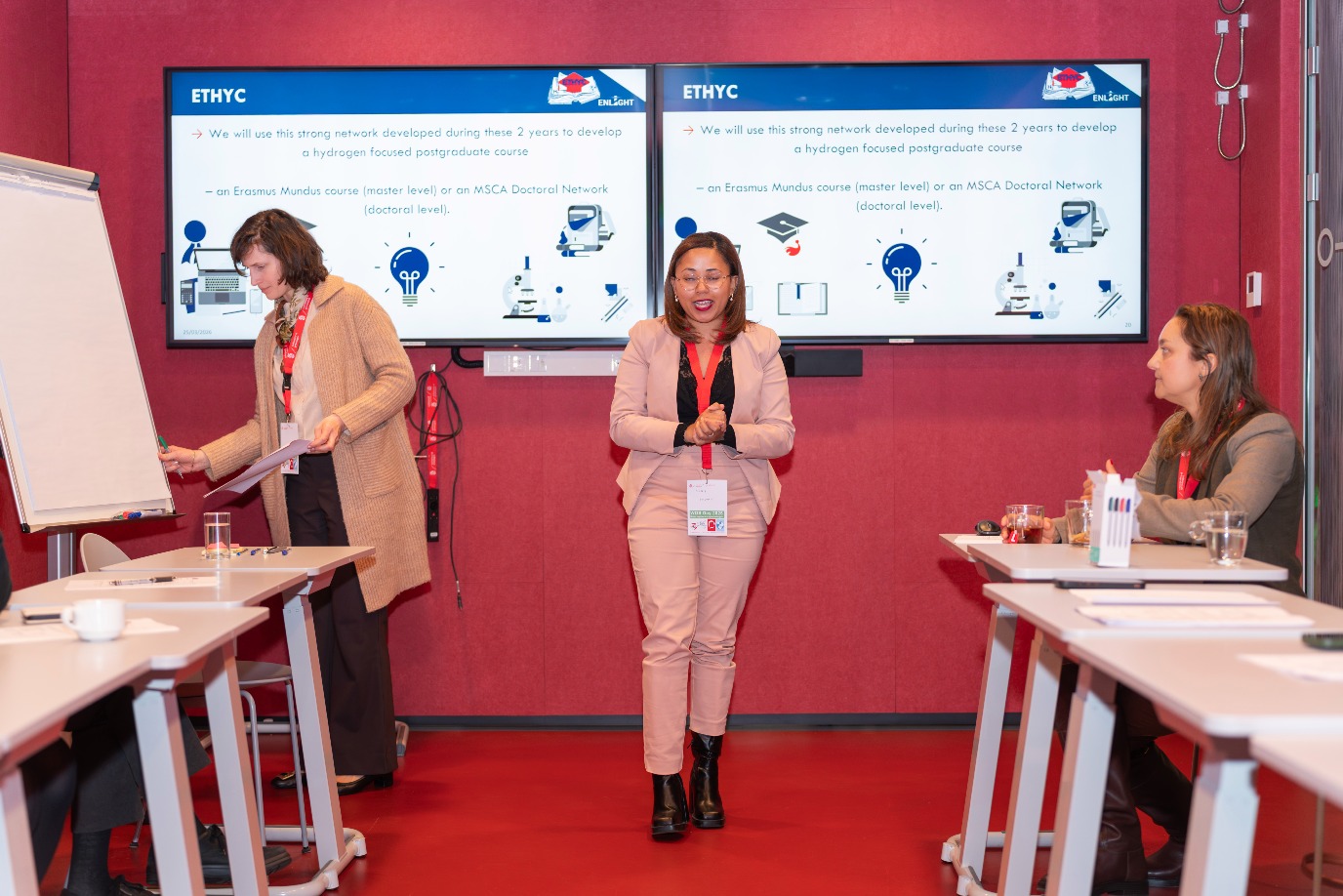
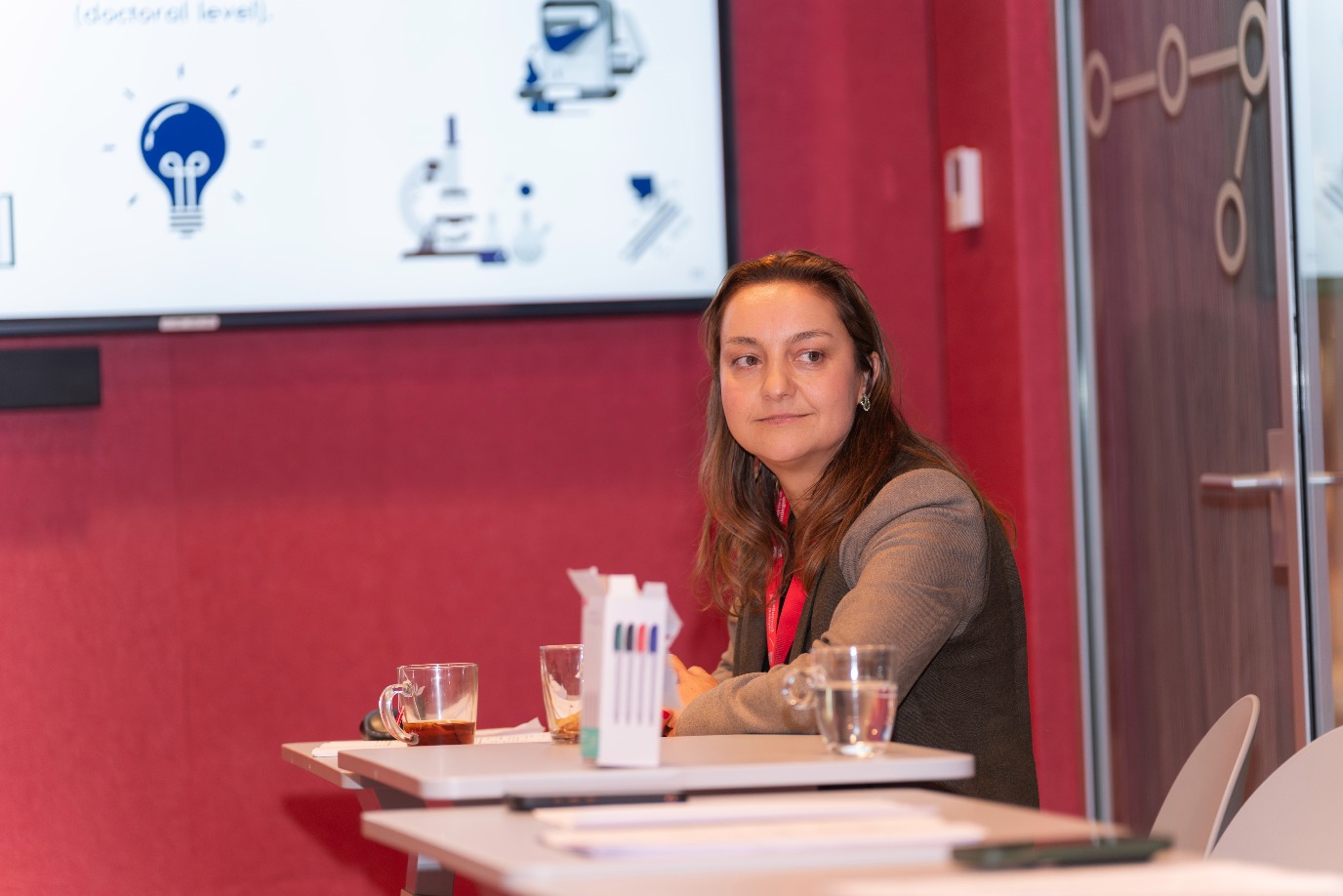
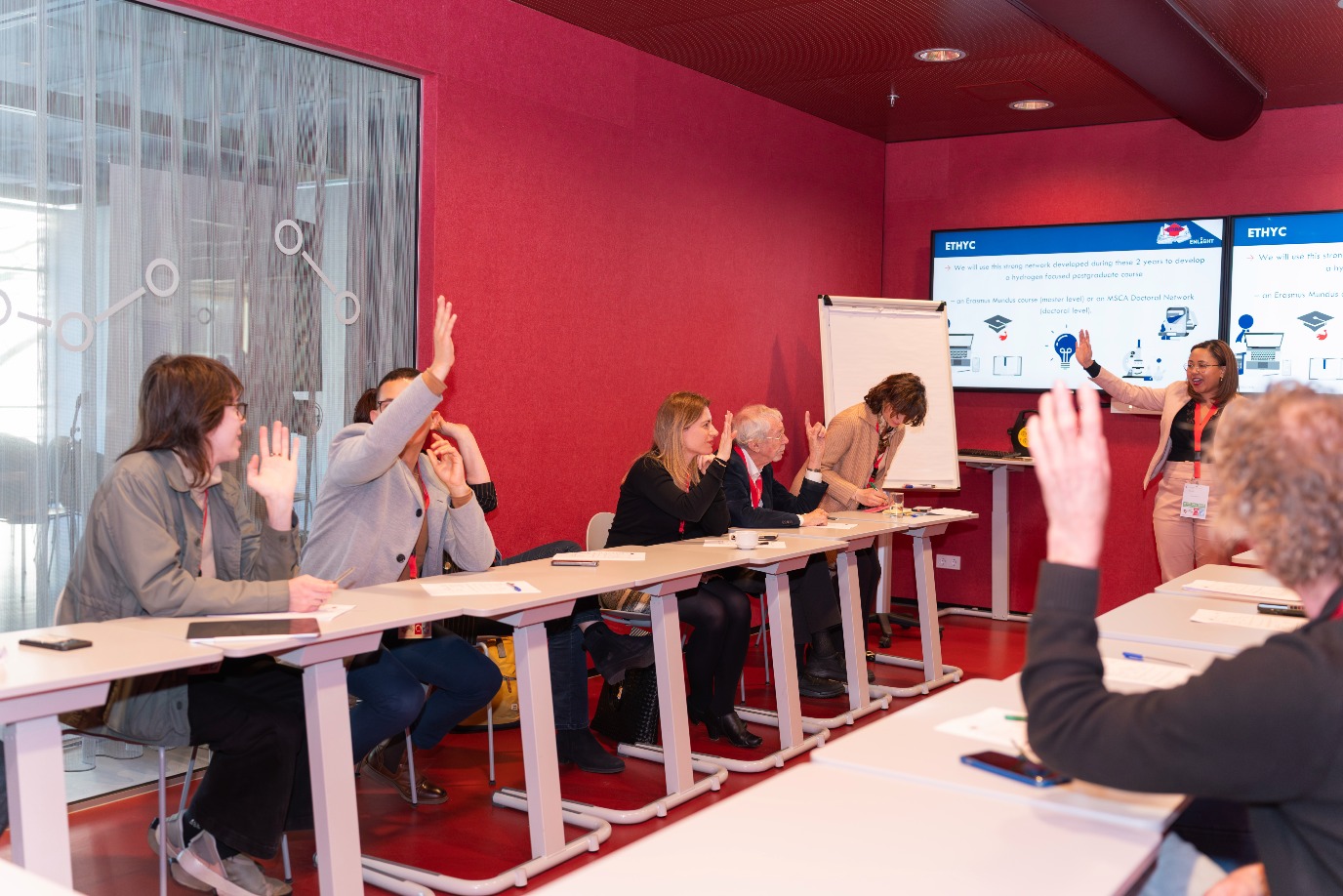
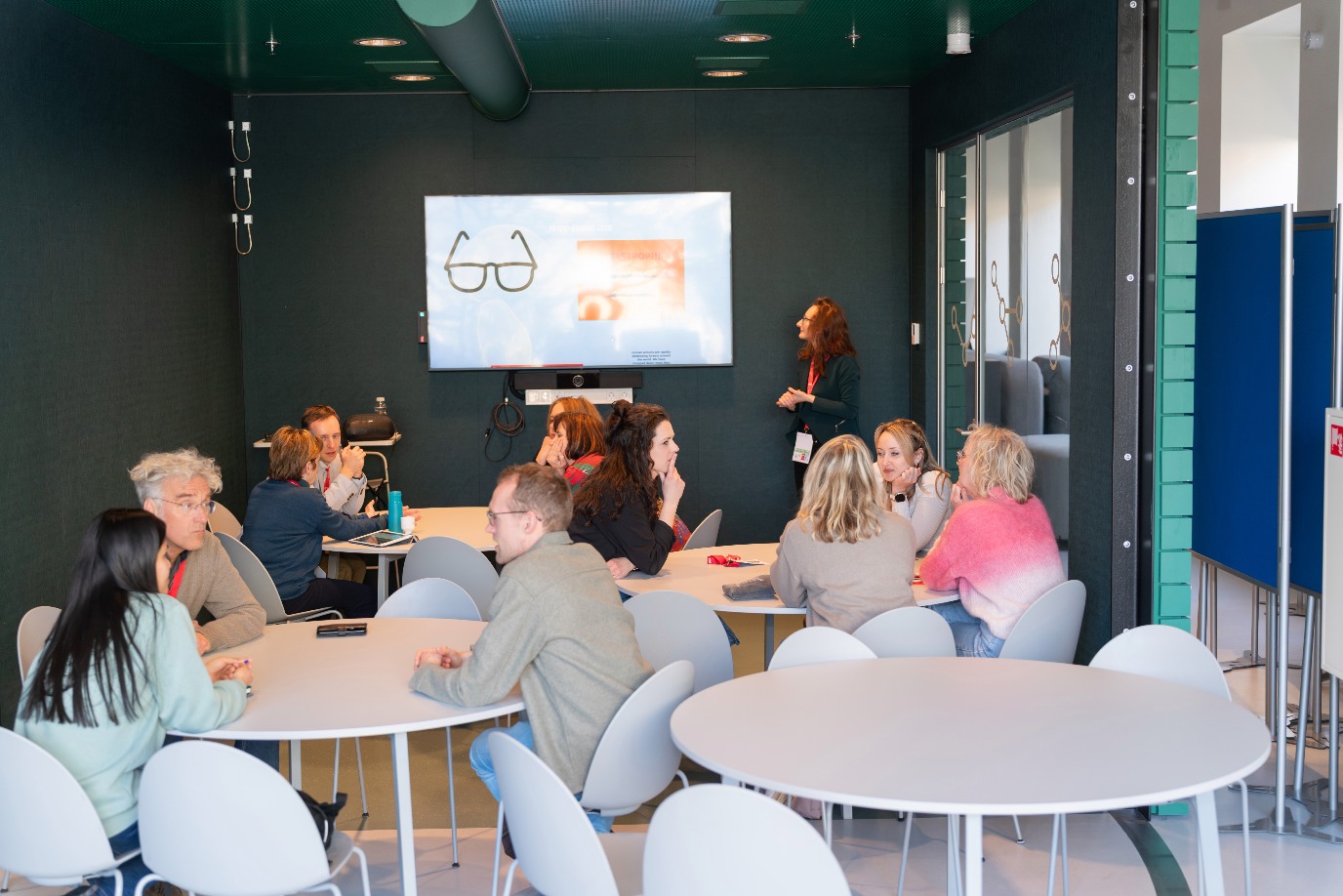
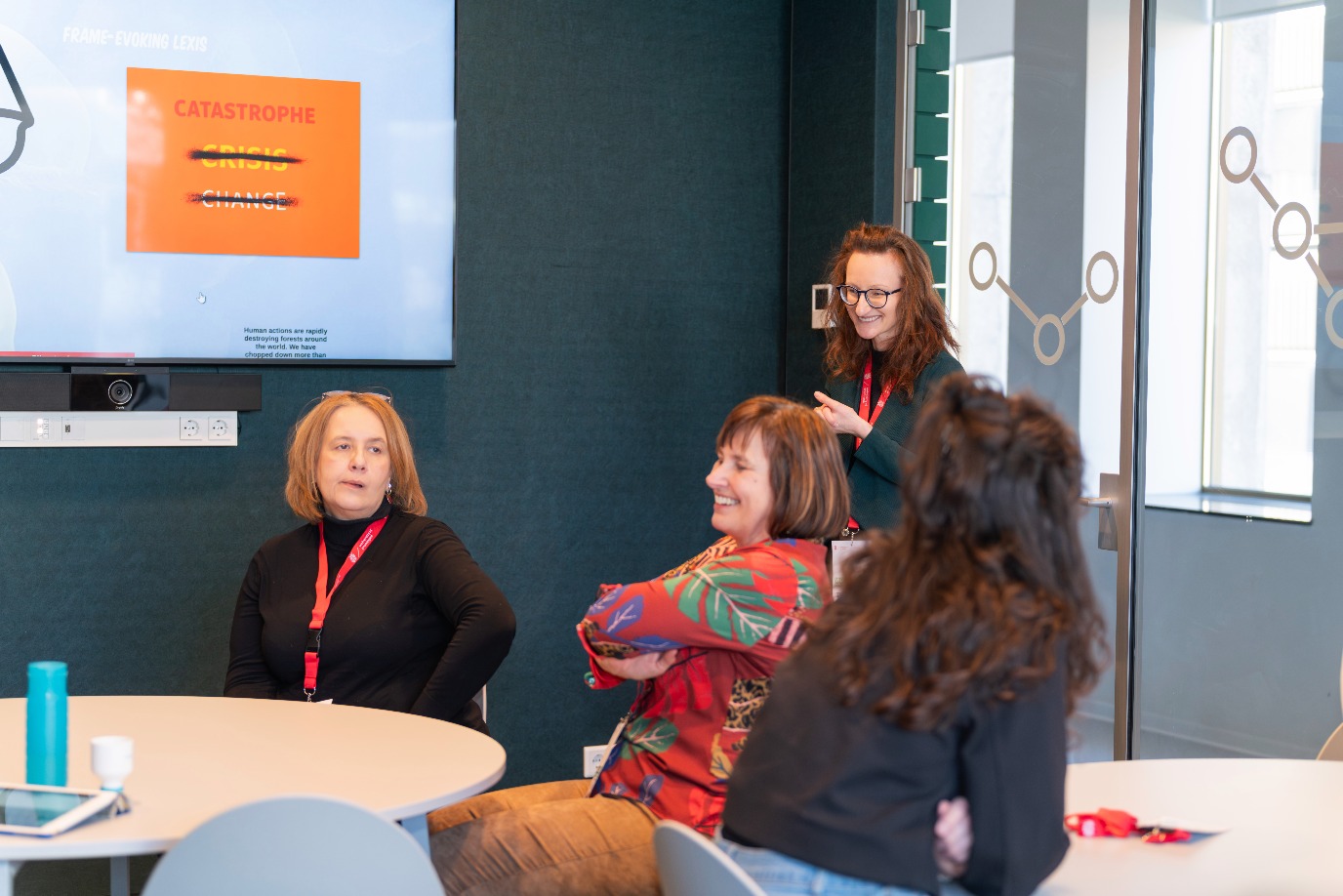
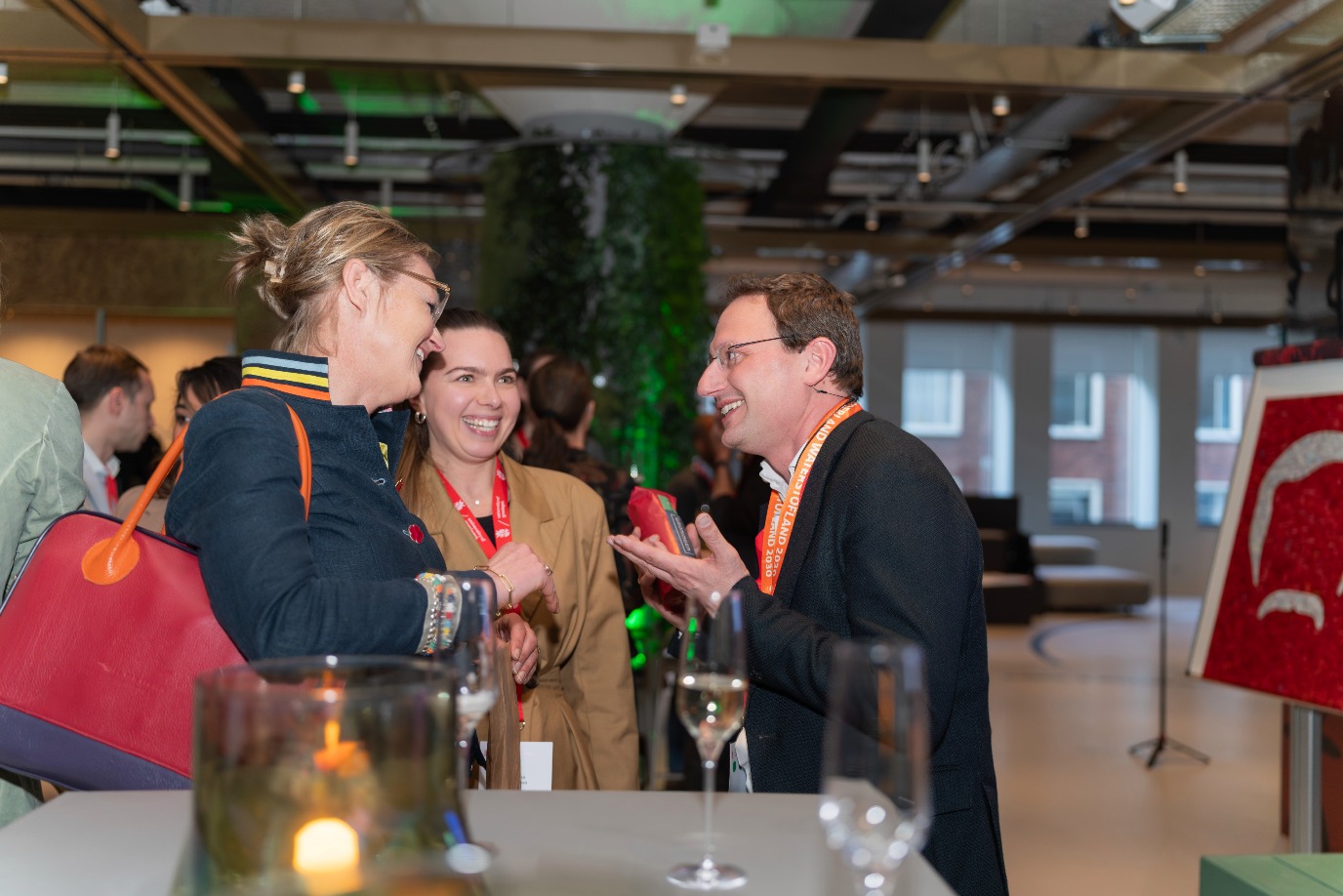
In the subsequent workshops, WOS Day participants were able to step outside their own comfort zones. Four workshops were held during the day: creating visual discussion boards, making local sushi, critical language awareness (on critical language use, for example in the climate crisis), and hydrogen collaboration. All four workshops were well received by participants.
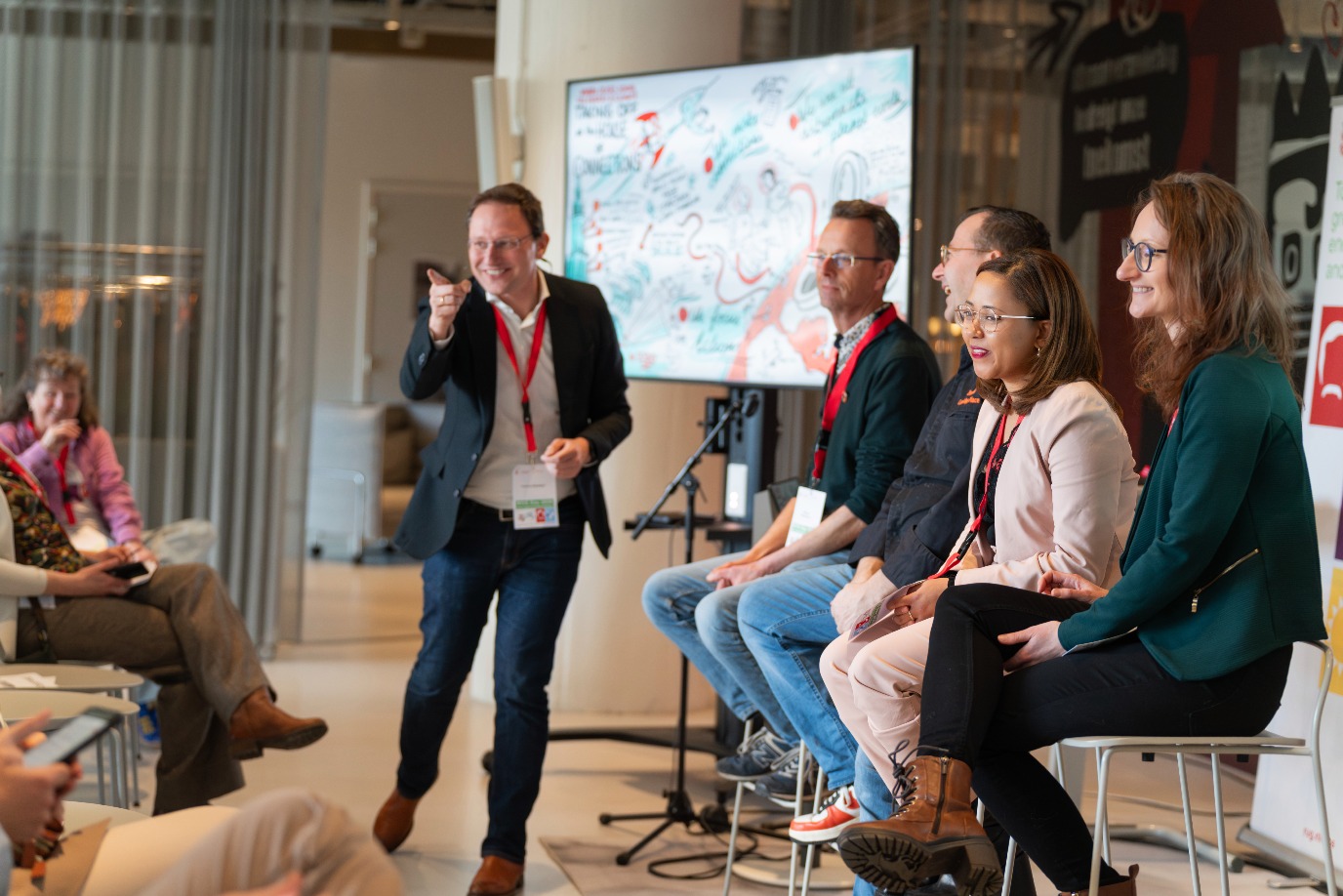
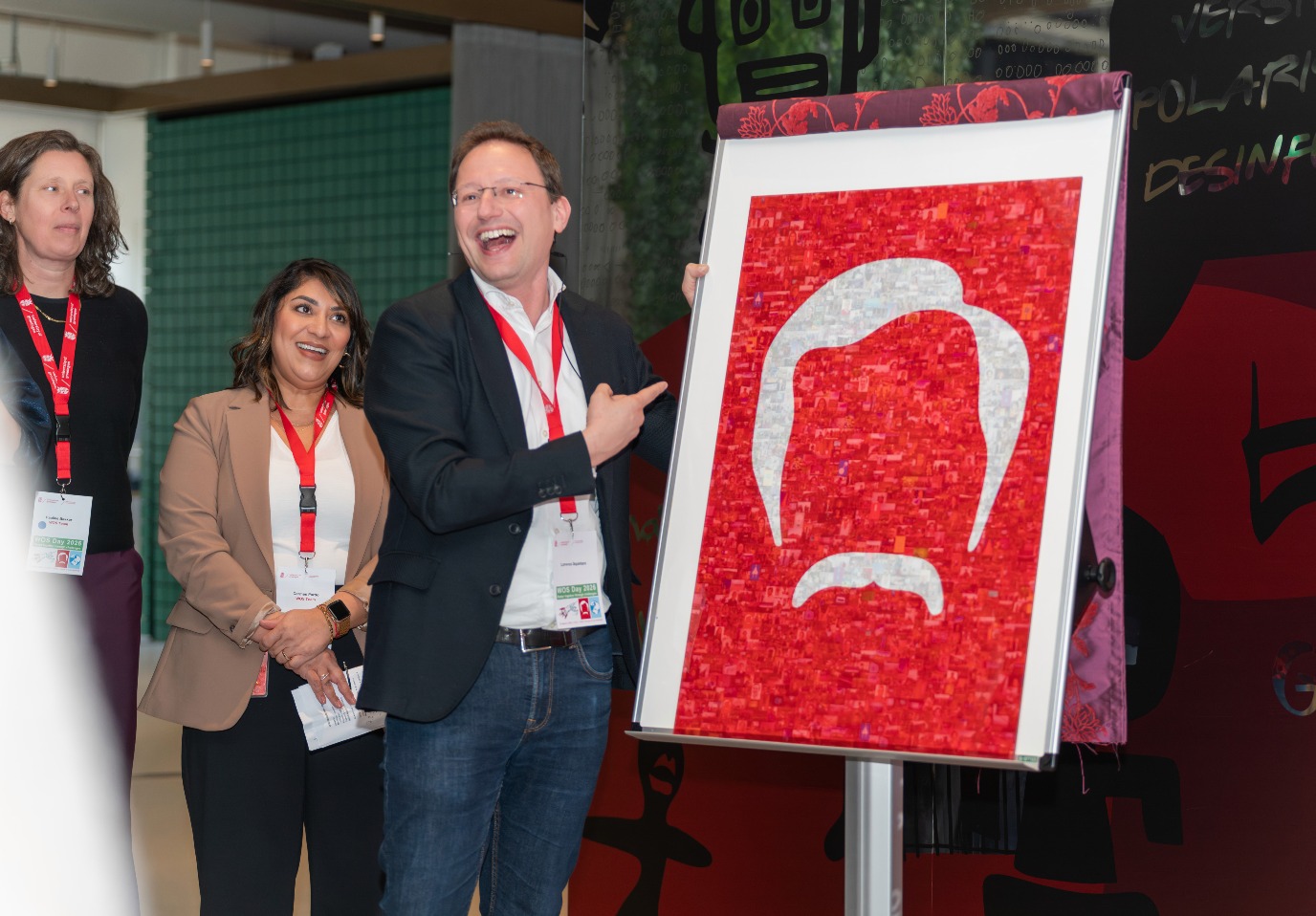
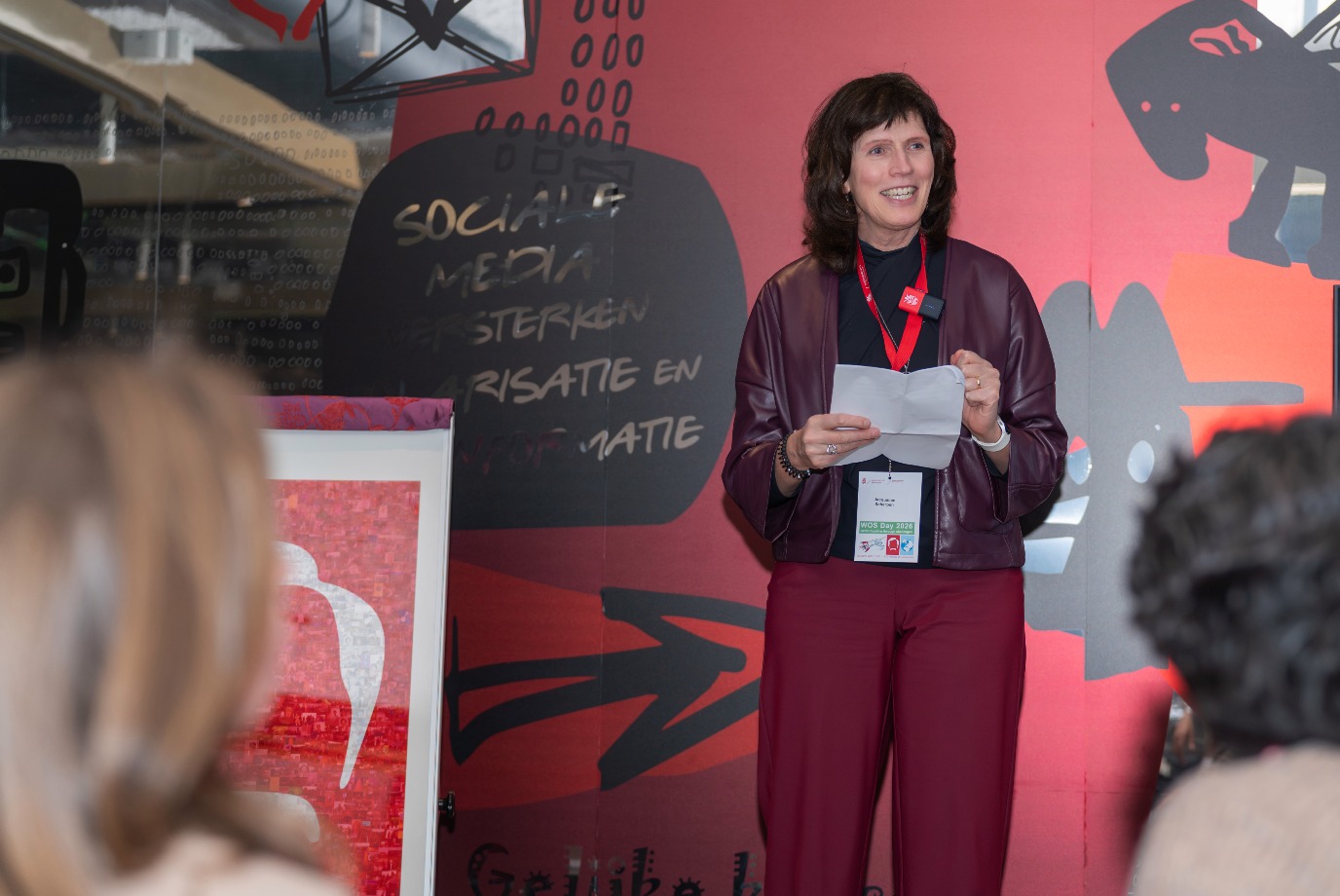
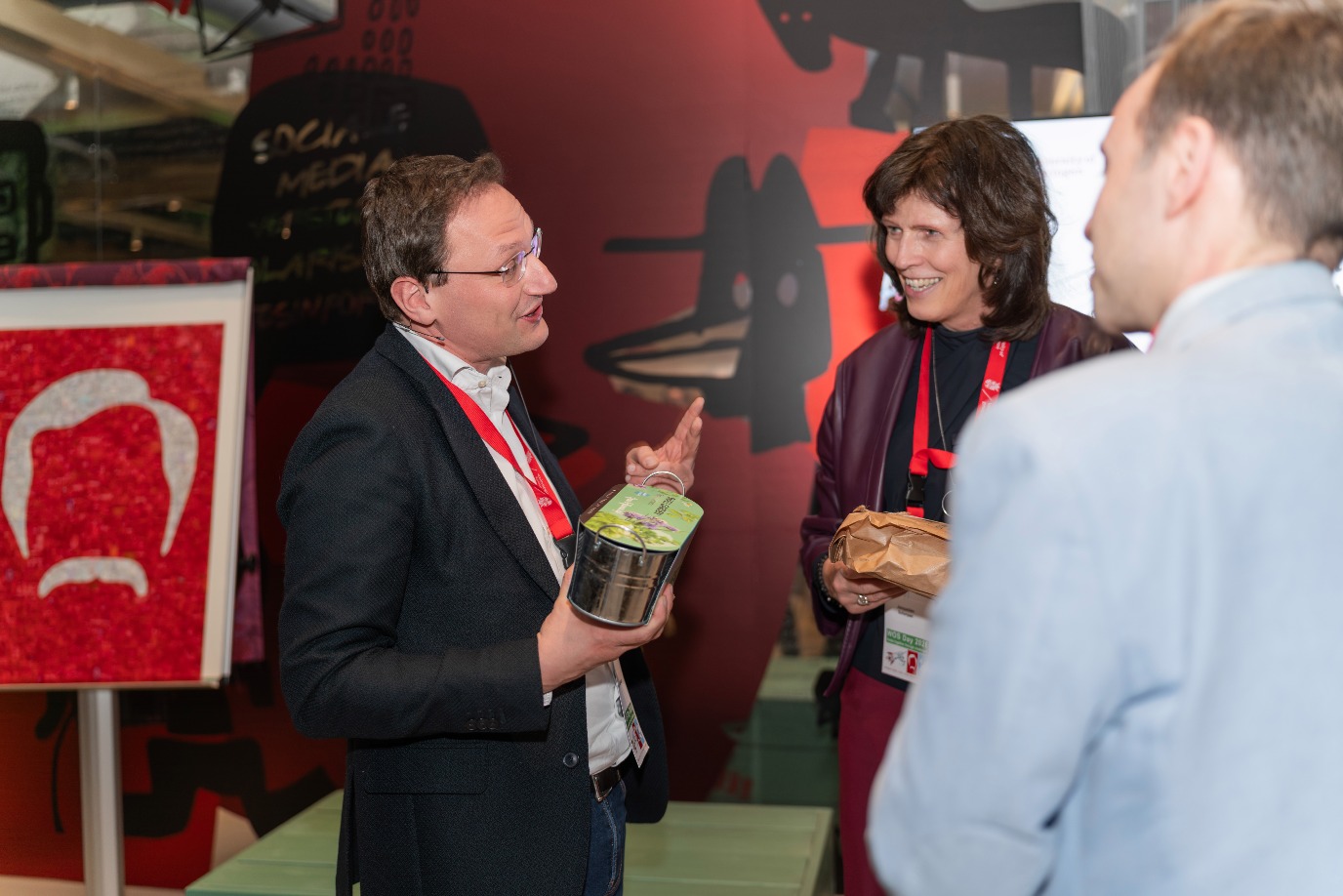
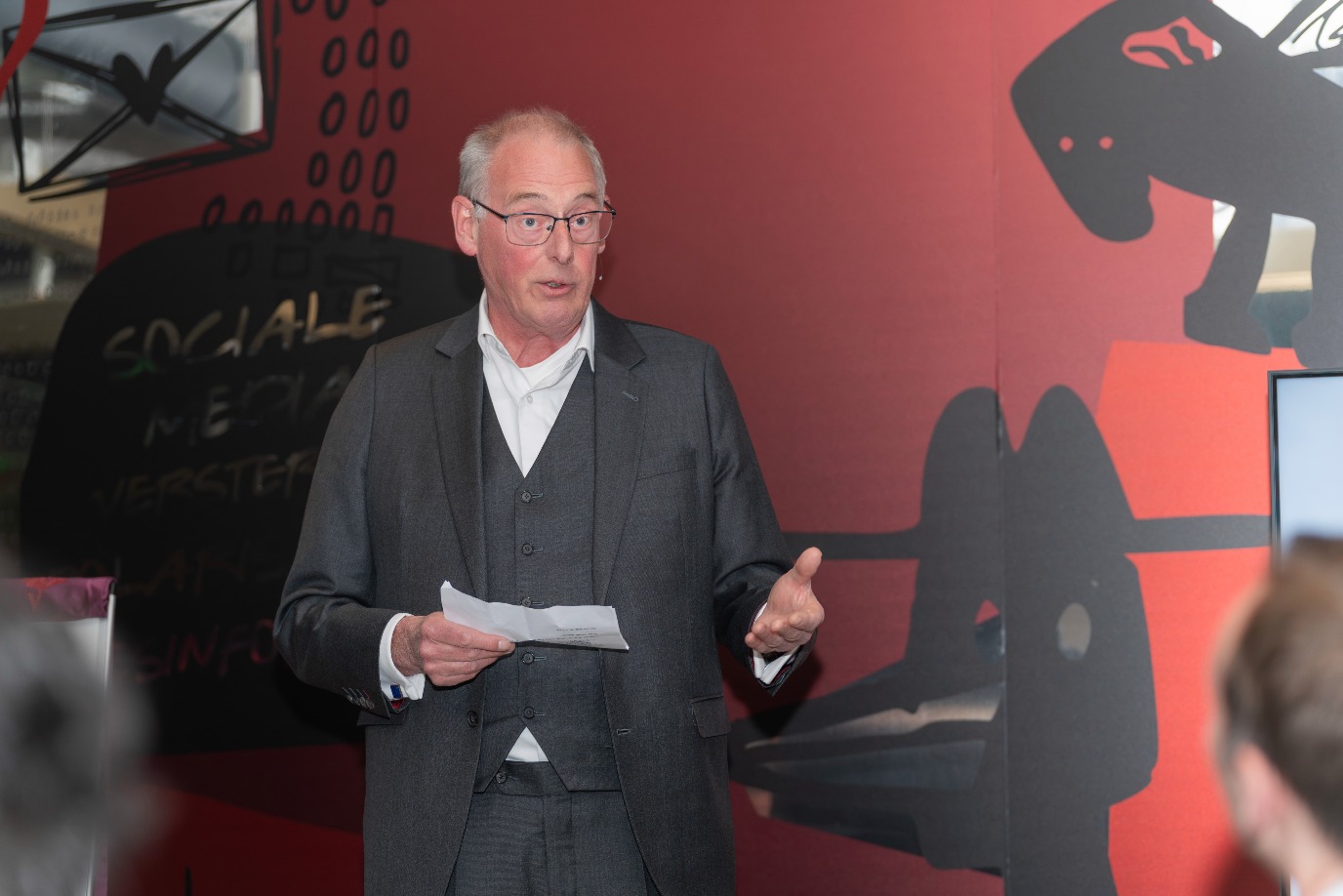
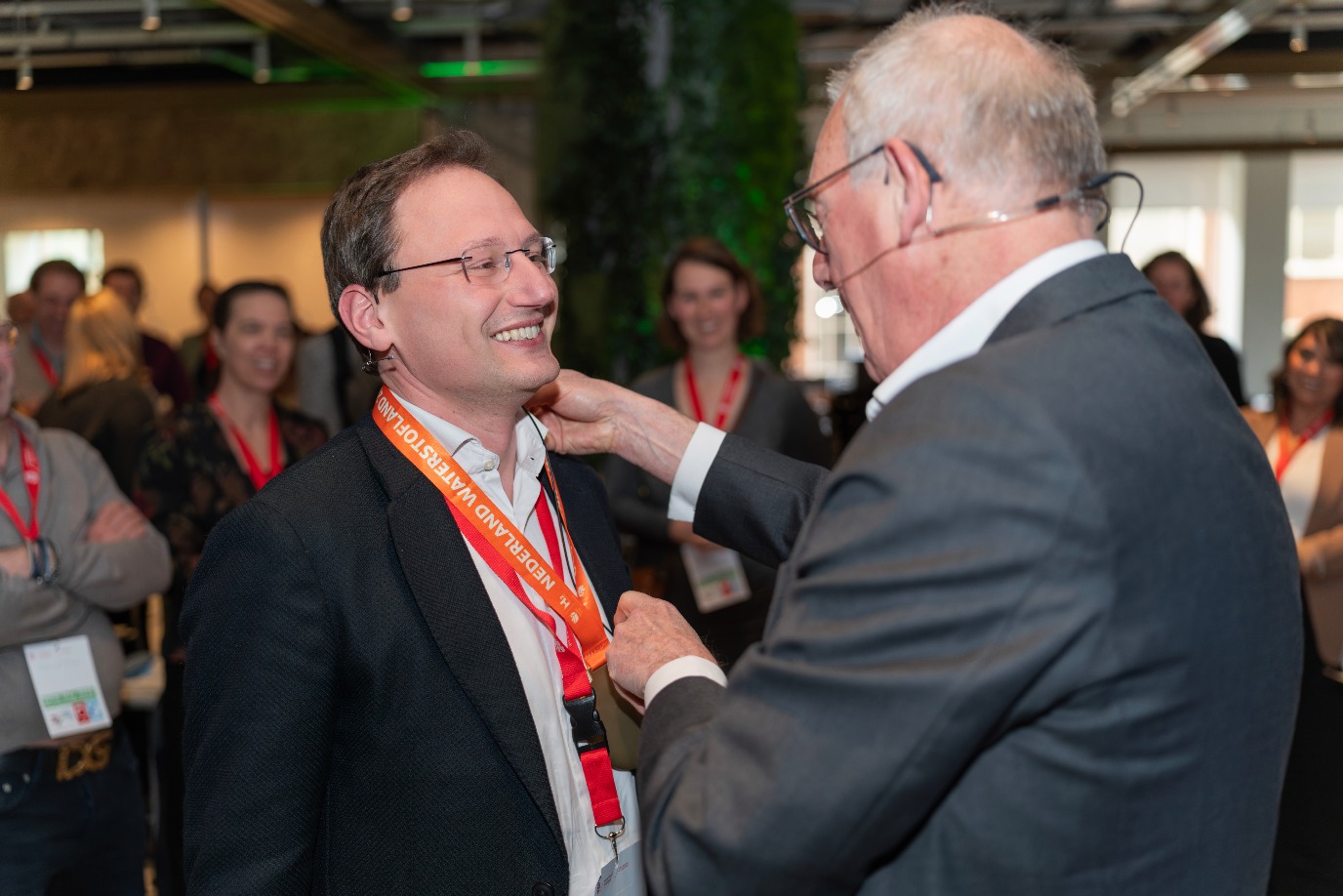
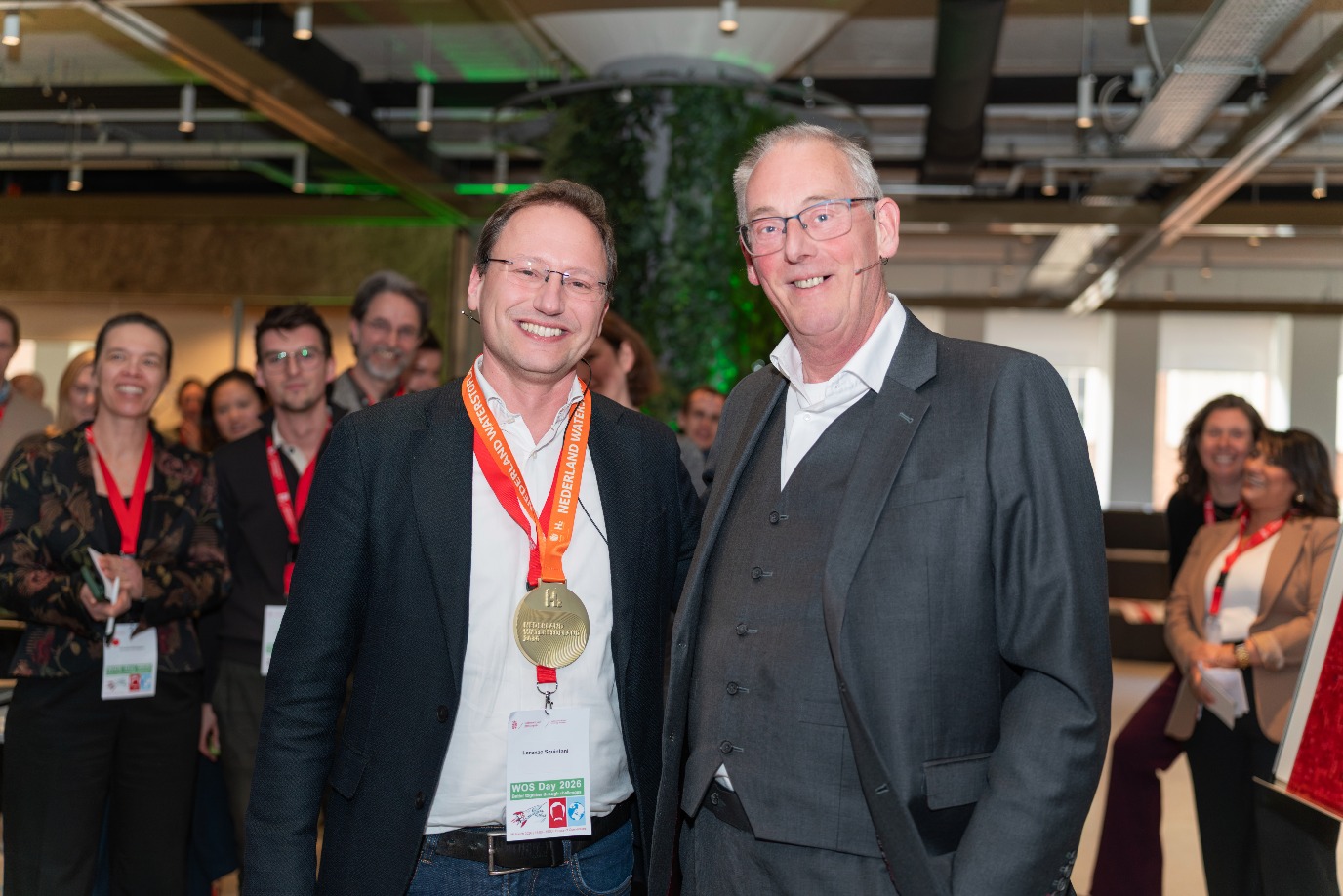
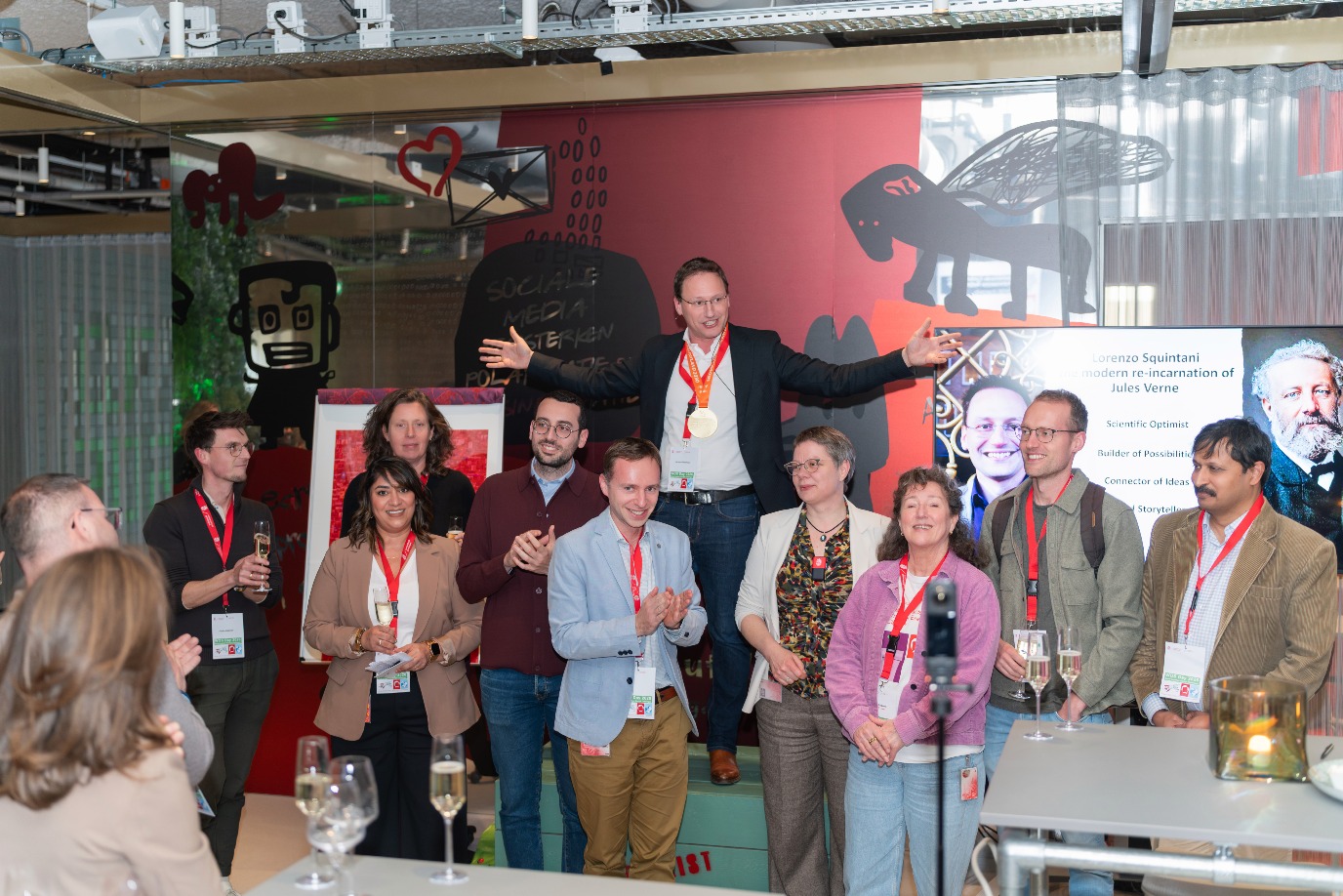
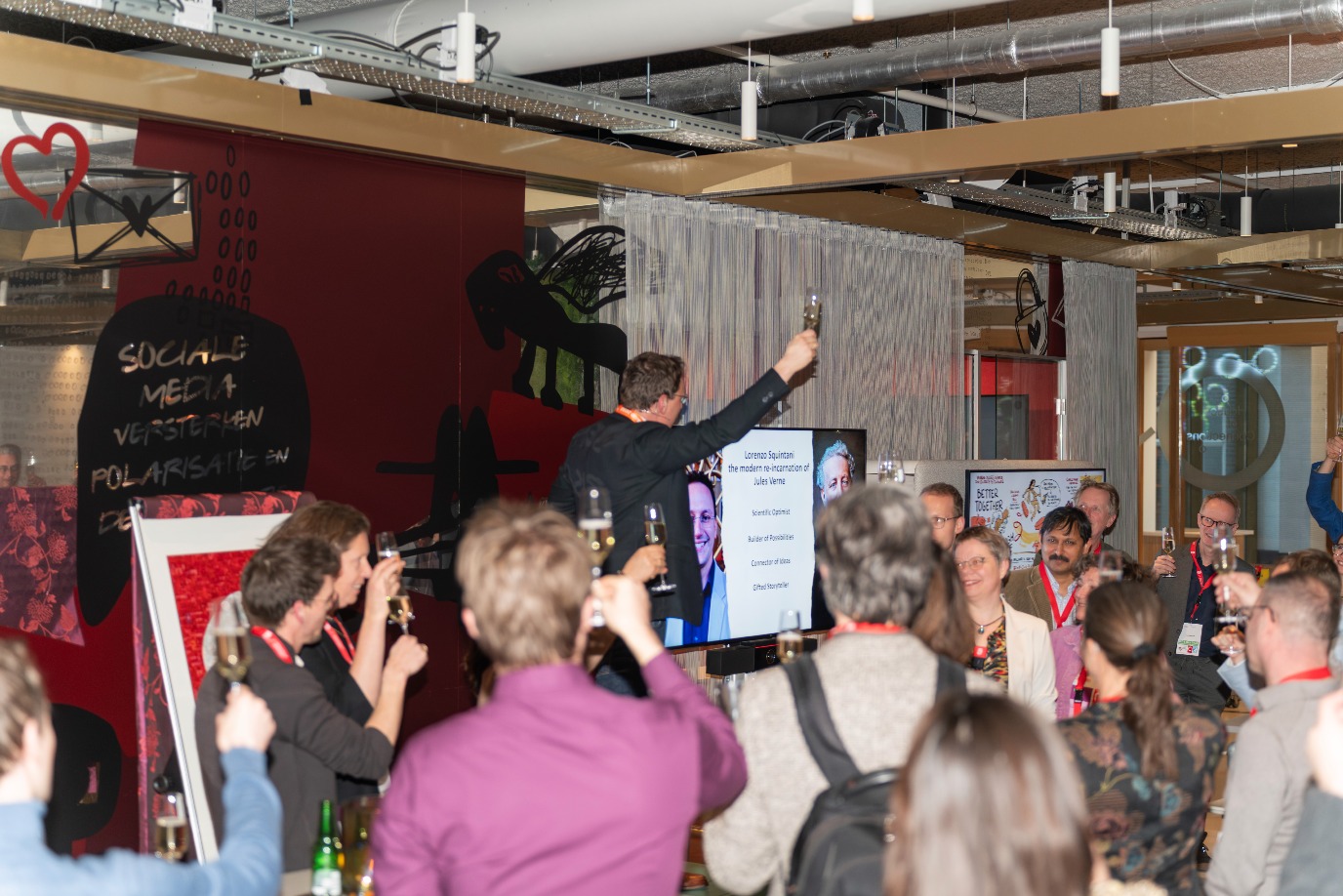
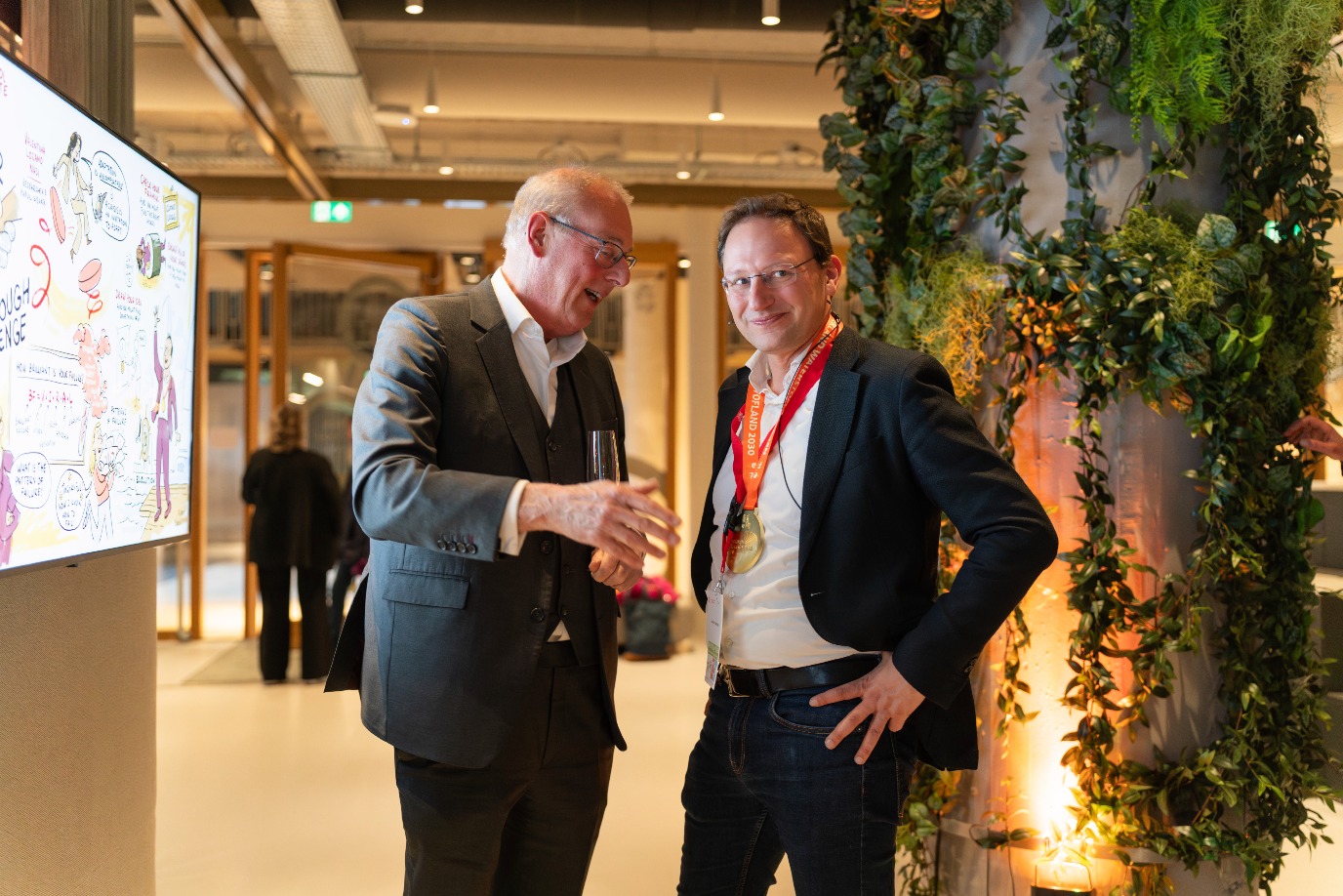
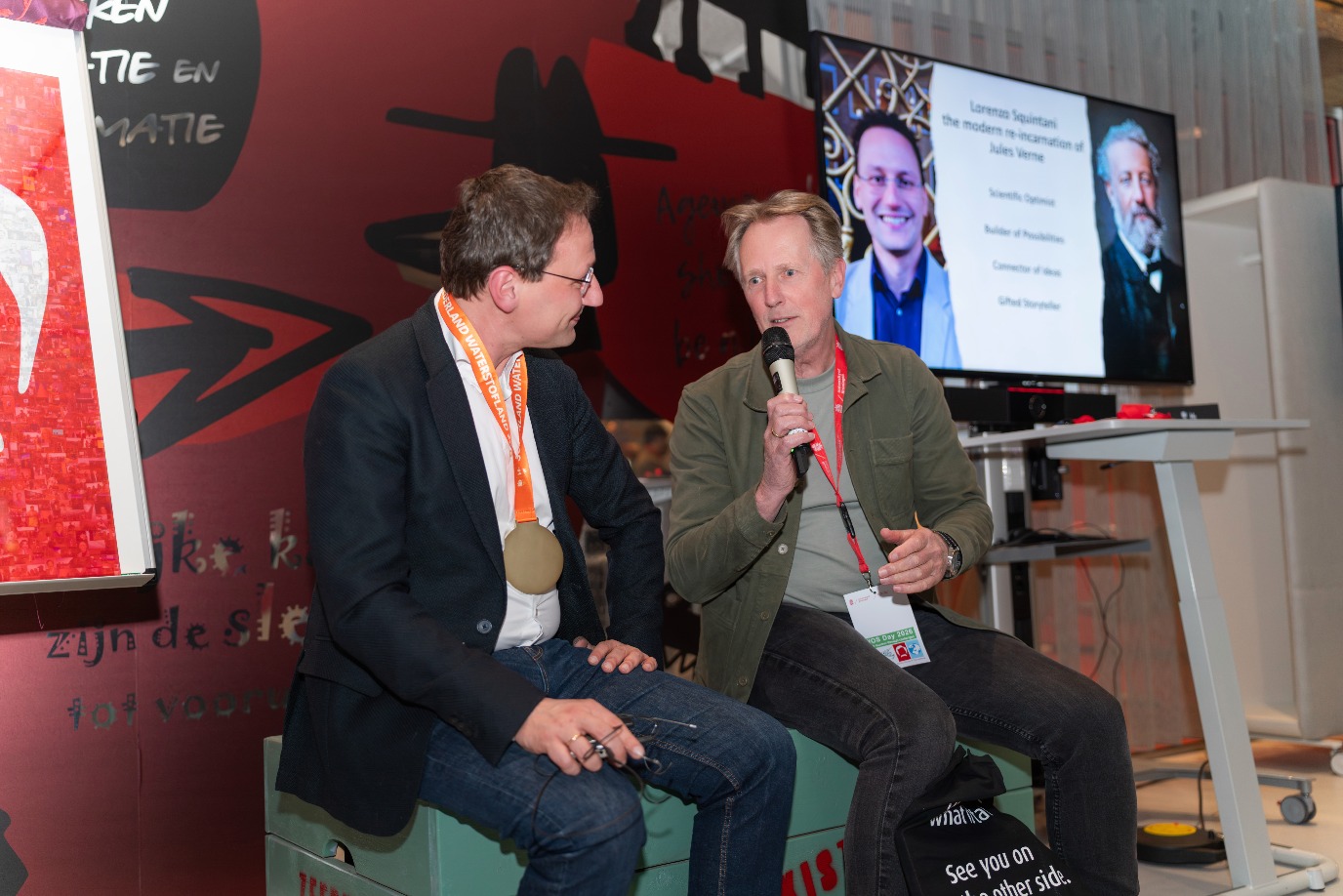
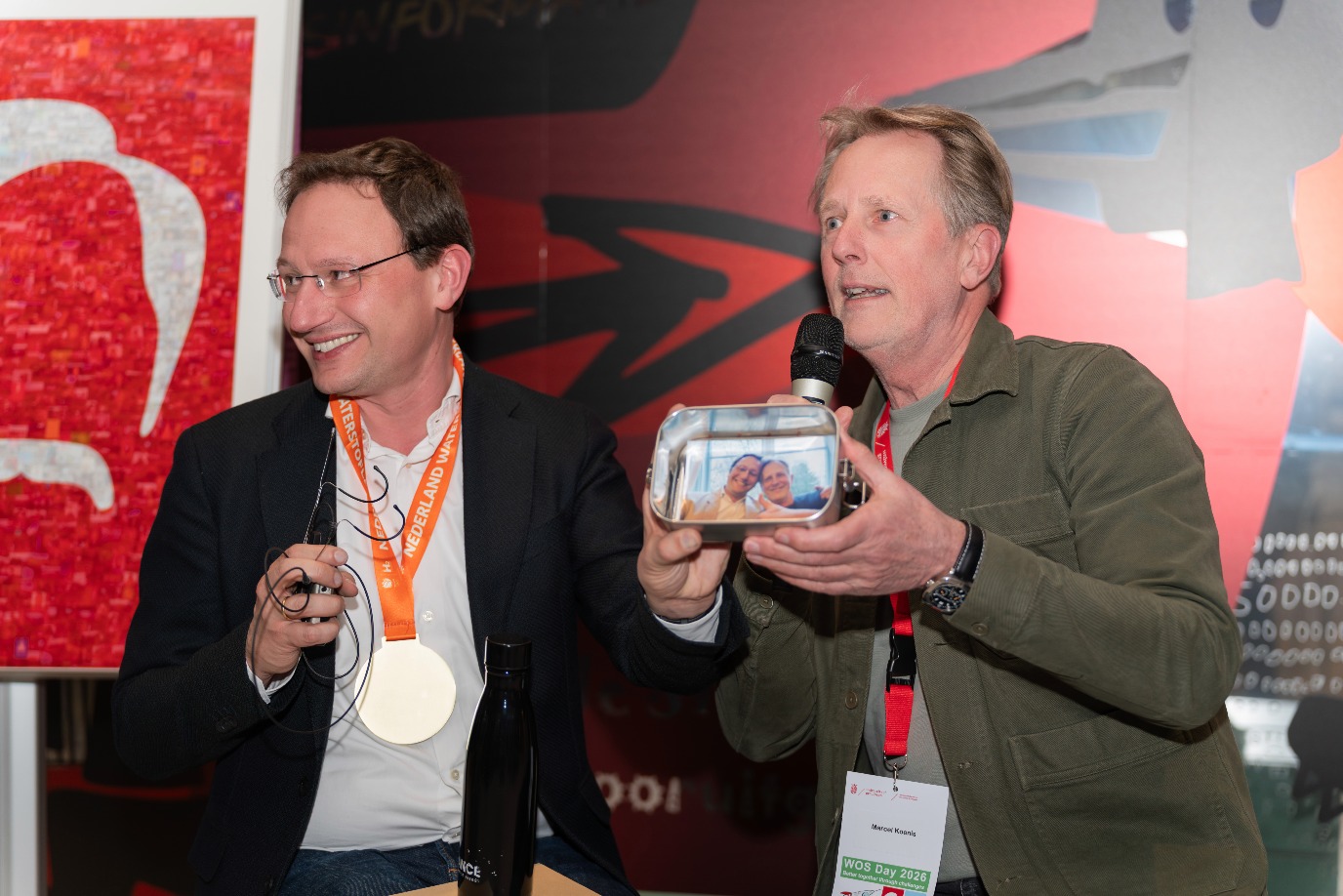
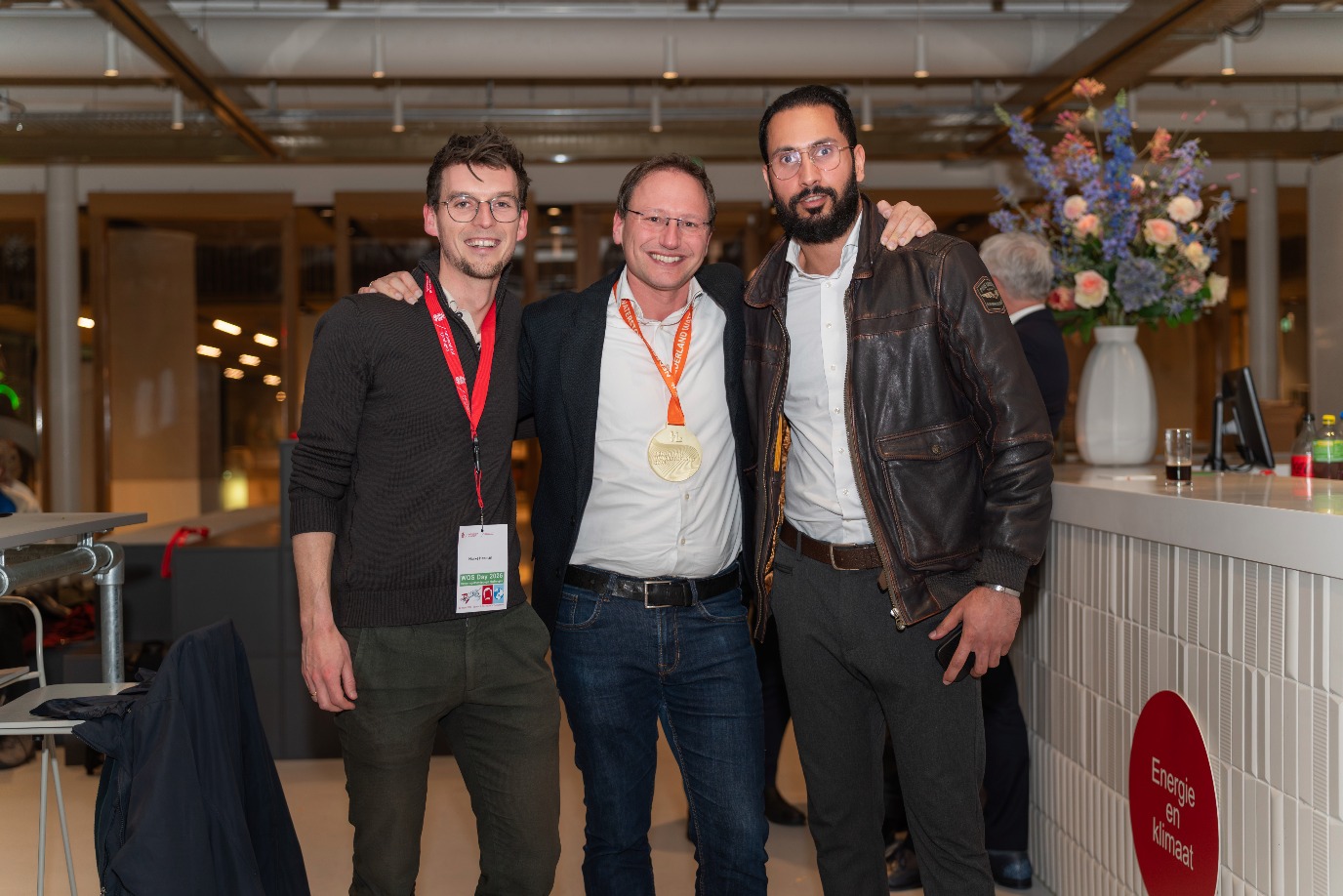
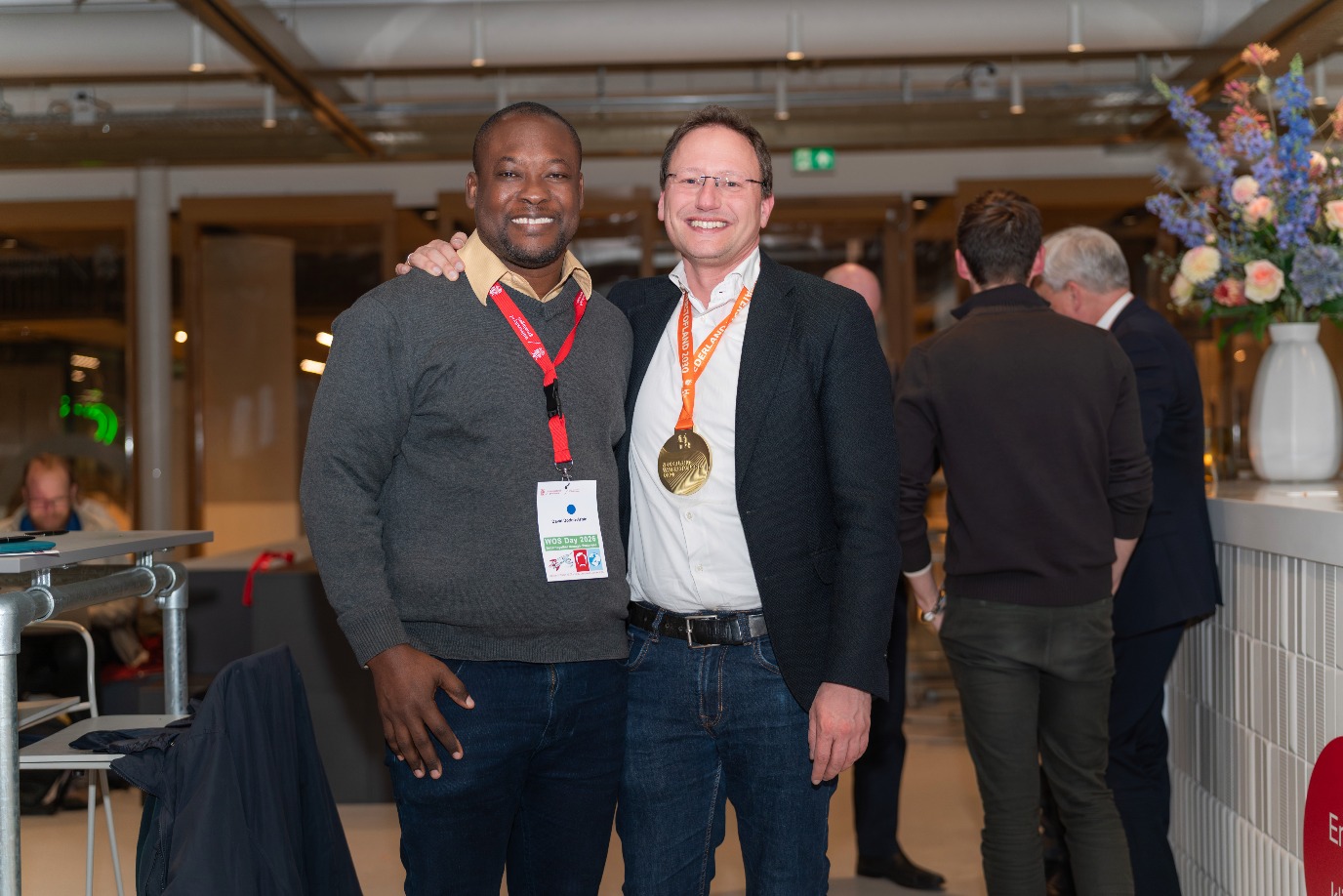
The end of the afternoon focused on Lorenzo Squintani, who is stepping down as scientific director of the school. His second term will officially end in May 2026. During the farewell reception, he was addressed by rector Jacquelien Scherpen and scientific coordinator Maaike de Heij on behalf of the WOS team. The broad appreciation for Squintani’s commitment to HVCE (Hydrogen Valley Campus Europe) was also echoed by the hydrogen network, as highlighted in a speech by emeritus professor Ad van Wijk. He presented Squintani with the final hydrogen medal of Mission H2 in recognition of his contributions to the hydrogen network in the Northern Netherlands.


More news
-
-
03 September 2026
Ming Cao reappointed as scientific director of the Jantina Tammes School
-
01 September 2026
Evrim Ursavas appointed scientific director Wubbo Ockels School