
Diversity and Inclusivity on European Festival Stages
Master's students Ana Daria Andreescu, Caine Zatorski, Clara Bouwhuis, Claudia Depaepe, Lisa Kuis, Monica Intiso, and Tünde Tar analysed the composition of European festival line-ups with a specific focus on Eastern Europe, genres (such as metal), and queer identities. At the request of ESNS, the line-ups of Sziget and Electric Castle were compared with those of ESNS.
This research was part of the long-standing collaboration between ESNS and the Science Shop for Language, Culture and Communication. Building on earlier research into diversity and inclusivity on European festival stages, this project explores new dimensions such as regional representation and queer visibility.
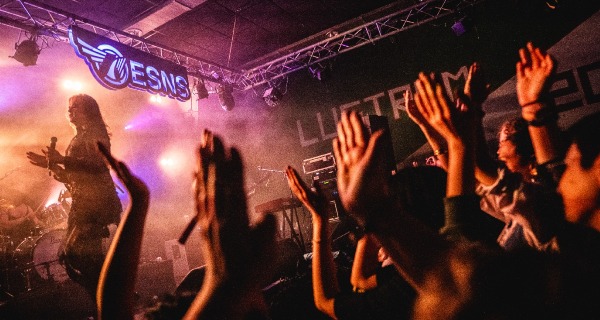
Regional, Gender, and Ethnic Diversity
The analysis shows that Eastern European artists are underrepresented at ESNS, partly due to the festival's strong Western European orientation. Although Sziget and Electric Castle programme relatively more Eastern European acts, these are primarily domestic artists, international representation from the region remains low.
In terms of ethnic diversity, a positive trend is visible: the share of non-white acts is increasing, with ESNS leading the way. The picture for gender diversity is less clear-cut. ESNS shows a slight decline in non-male acts, while Electric Castle shows an increase and Sziget fluctuates. Within the metal scene, illustrated by a case study of Wacken Open Air, gender inequality remains most pronounced.
Queer Representation
A new component of the research is the analysis of queer representation. This reveals that queer visibility at festivals remains relatively low (approximately 1-6% at ESNS in recent years), though there has been a slight increase compared to earlier editions.
Furthermore, this representation is limited in its intersectionality: queer artists are predominantly white and Western European, while queer artists from Eastern Europe and artists of colour are significantly underrepresented. Interviews with artists emphasise that visibility alone is not sufficient. Social safety, inclusive working conditions, and behind-the-scenes representation are essential for genuine inclusion.
Reflection and Impact
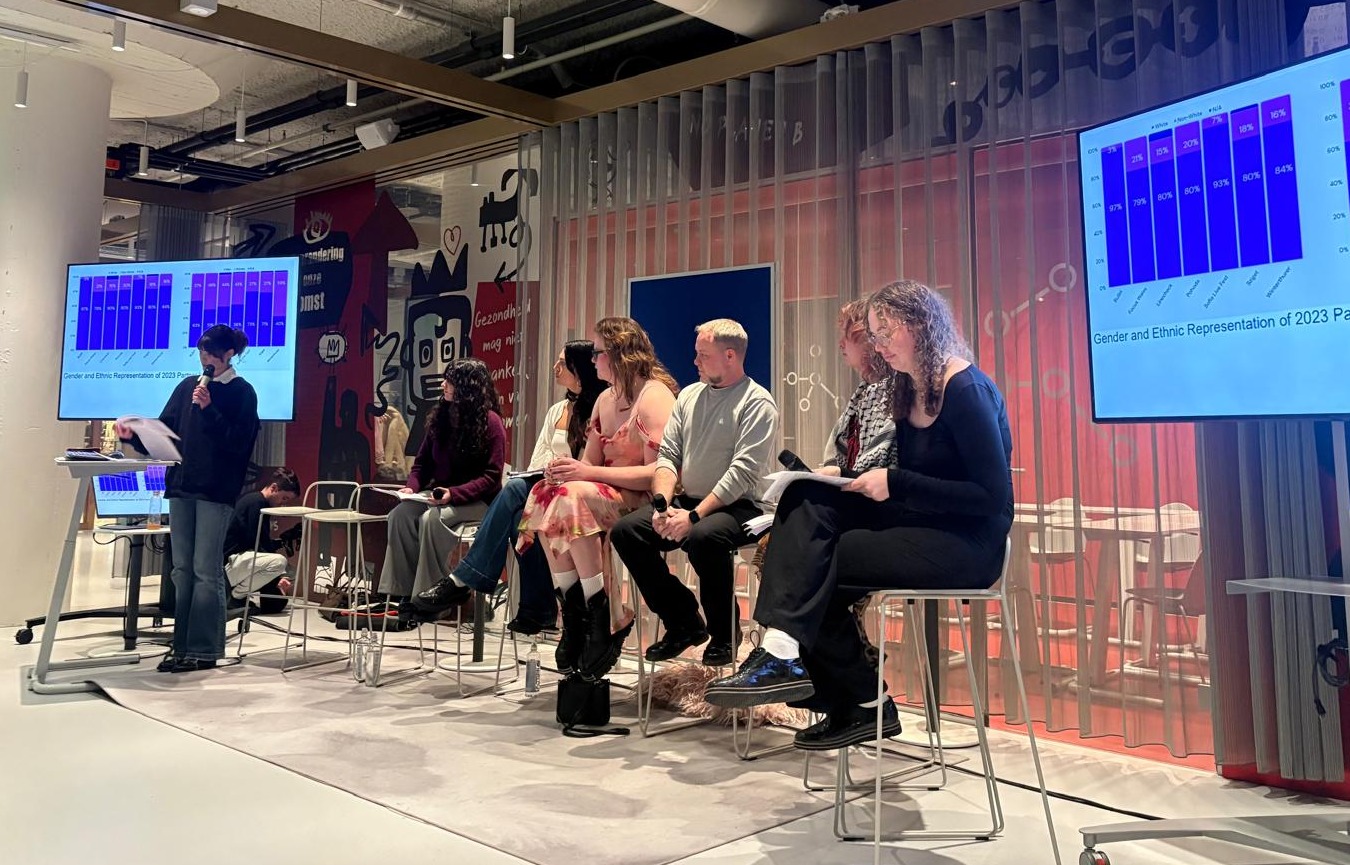
Alongside the research, ESNS Talks was launched, where the findings were discussed with professionals from the live music industry. The Talks provided a valuable opportunity for the students to gain new insights into how diversity and inclusivity take concrete shape within the sector.