

Thinking, fast or slow? Reasoning strategies in medical diagnosis
Date:26 August 2020Author:Berry van den Berg
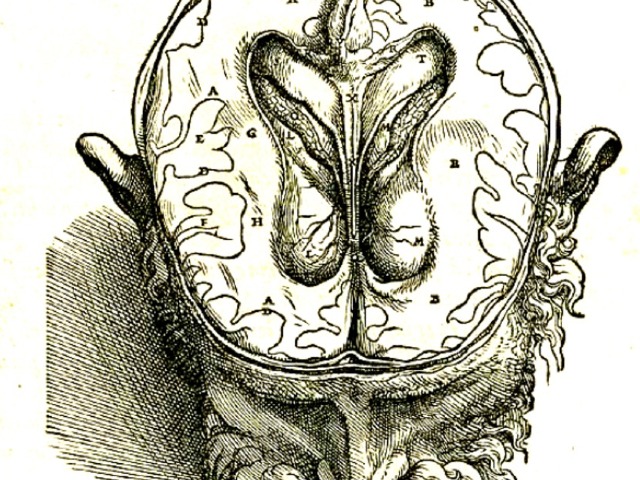
Recently, we studied the neural basis of medical reasoning. Based on the results, we challenge the popular concept of dual-process reasoning and propose a more integrative dynamic view. To that end, the old concept of ‘schematic-anticipation’ deserves a revival and we suggest that this may be backed by modern neuroscience.
The Dangerous Comfort of a Hundred Replications
Date:24 August 2020Author:Johannes Jamroszczyk
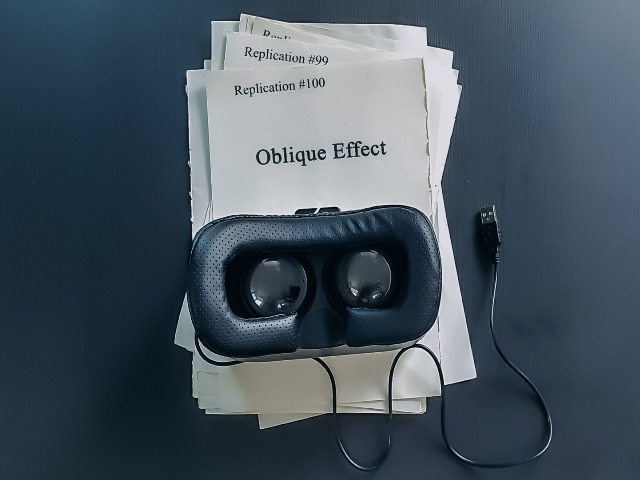
Experiments have confirmed our visual preference for certain orientations numerous times. But have they all missed a very important aspect? This post investigates if the visual environment has an effect on the tasks during these experiments – and what such a finding would tell us about the how replications us as researchers.

An awesome cure?
Date:19 August 2020Author:Jan Kaffenberger
Psychedelic drugs are commonly associated with recreational use. Recent findings however have shown that they possess a far more profound capacity. They can provide profound insights and relief from suffering from mental disorders. Not much is known about the exact mechanisms but existing findings are highly promising and truly astounding.
Revise your Revision
Date:12 August 2020Author:Felix Muessel
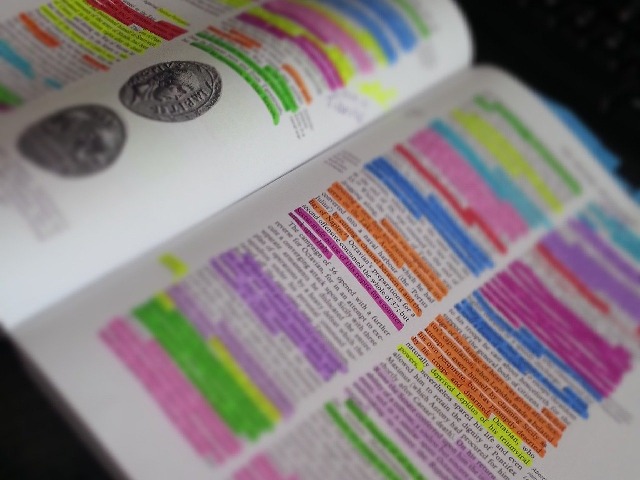
Many students nowadays prepare for exams with techniques that are known to be ineffective. Further, since the 1880s psychologists already now that the process of forgetting is stopped by timely spaced active retrieval. Combining this practice with other, more contemporary techniques make studying more productive and enjoyable.

You Are Not a Virologist
Date:05 August 2020Author:Finn Kappus
Not only has COVID-19 been dominating global and international news for several months now but it’s also the main topic in conversations with friends and family. This post connects the Dunning-Kruger effect to a dangerous development of opinions and beliefs which can have severe consequences.

Tree-Hugging in the Time of Corona
Date:29 July 2020Author:Maxi Bauerschmidt
An exploration of the physiological and psychological benefits of nature and how a simple walk can help reduce some corona-related mental health concerns.

The “Tip of the Tongue” Phenomenon: Explaining the Whatchamacallits and Thingamajigs
Date:22 July 2020Author:Sally Ainsworth
The “tip of the tongue” phenomenon is something we have all likely experienced at some point, but what causes this familiar but frustrating failure of recall? I discuss likely causes of the phenomenon and computer models of human memory.

Open Access: no research should be locked behind paywalls!
Date:15 July 2020Author:Tassos Sarampalis
Every quarter, we share articles published in the BCN Newsletter and we are happy today to share an interview with Giulia Trentacosti and Peter Braun on Open Science. The interview was conducted and written by Jaime Mondragon, a PhD candidate at the UMCG.

Coronavirus measures? Alright – but respect my autonomy!
Date:07 July 2020Author:Anne-Kathrin Kleine
More and more people oppose the coronavirus measures, because they perceive them as threatening their autonomy. In this post, Anne-Kathrin Kleine explains how people’s sense of autonomy may be protected. The goals and stakes are clear: we want to stop the virus without running the risk of emerging from the crisis as a divided society.
How do early career researchers at BSS experience work during COVID-19?
Date:01 July 2020Author:Tina Kretschmer
This article summarizes the results of a survey conducted by YESS BSS along with a response of the Faculty Board. The authors contextualize the findings in the larger academic context and call upon the faculty to specifically address concerns regarding declining research progress and mental health.