Skip to ContentSkip to Navigation
founded in 1614  -  top 100 university
Header image Stevin Prize for Iris Sommer

Stevin Prize for Iris Sommer

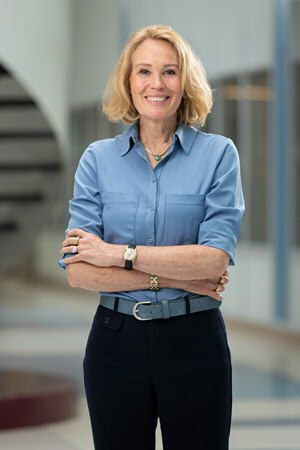
Iris Sommer will receive the 2026 NWO Stevin Prize, the highest honour for researchers in the Netherlands who have achieved exceptional results in translating knowledge into societal impact. Sommer will receive €1.5 million, to be spent on scientific research and initiatives relating to knowledge utilization. Sommer is a professor of Psychiatry at the UMCG and the UG.

Iris Sommer (photo: Studio Oostrum)

Sommer’s work focuses on the quality of life of people with psychiatric disorders. She was one of the first to map which areas of the brain are active when you hear voices (hallucinations). Equally innovative is her work on the safe tapering of antipsychotics and an AI application to predict mental health relapse via speech. In addition, Sommer put gender-sensitive psychiatry on the agenda: her research into hormones and psychoses laid the foundation for optimal psychiatric treatment for women. Sommer is highly skilled at building bridges to society, with, among other things, bestsellers such as Het vrouwenbrein (The Female Brain).

With this grant, Sommer can provide the highly talented young researchers in her research group with certainty for the coming years. The award also means that she and her colleagues can delve further into women’s mental health. This is an area where much remains to be done, but where there is also much to be gained in terms of health benefits.


'As Rector, I am proud of Iris Sommer and warmly congratulate her on winning the Stevin Prize. Her research aligns perfectly with the goals of the University’s institutional plan and contributes to a better society. I have also seen how she shares her research in an accessible and inspiring way with a wide audience. This prize is a well-deserved recognition of her work.'

-- Jacquelien Scherpen, Rector Magnificus of the University of Groningen

'What especially appeals to me in Iris’s work is that she always starts from the question of what really helps patients move forward. Whether it concerns psychosis, women’s health, or new AI applications: her research contributes to a better quality of life and more healthy years for everyone. This award is a wonderful recognition of all that she has meant to science, healthcare, and society.'

-- Wiro Niessen, Dean of the Faculty of Medical Sciences at the University of Groningen and member of the Board of Directors of UMCG