
Opinion: The Wadden Sea has 14 million fans. Where is their voice in policy-making?
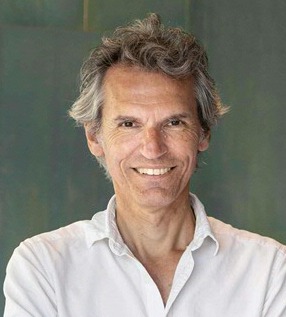
What are we actually trying to protect when we protect the Wadden Sea? Associate Professor Frans Sijtsma understands very well that nature must be protected. But he believes we are overlooking something important in the process. In his view, the basis for protection is not solely its ecological value. It is also the fact that people love the area. ‘When formulating policy, too little account is taken of the depth of feeling people have for a particular area, and just how many people that actually involves.’
Recorded by Jaap Ploeger, Corporate Communications
A wonderful system of protection
‘If you look at the Wadden Sea, there is much to be proud of in terms of policy. We haven’t built up the coast like they have in Benidorm. We also generally consult well with one another. Take gas extraction with manual control of the tap, or the former cockle fishing industry, where the annual cockle stocks were assessed and the permitted catch quota was set each year. You can argue about the implementation, but in itself I think that’s top-tier governance: allowing economic activities whilst taking nature’s carrying capacity into account. The maximum number of tourist beds on the islands is another fine example. Agreements like these protect the area.’
What are we actually protecting?
‘What is formally very well protected is the area’s natural value. But what isn’t actually well protected is our love for the area. When we talk about nature conservation, we’re talking about seals, salt marshes, birds and Natura 2000 or UNESCO World Heritage sites. That’s incredibly important. But people also love the clouds, the views, the silence and the vastness. Nor is it directly managed by Rijkswaterstaat, Natuurmonumenten, Staatsbosbeheer or It Fryske Gea. Yet it is a key part of why people love the Wadden Sea.
Deep-seated feelings
‘As part of my UNESCO Chair, we’re working with greenmapper.org to capture who loves which aspects of nature and why. We’ve noticed that there are many deep-seated feelings associated with the Wadden Sea. People speak of overwhelming nature; of purity; of the feeling that you can finally breathe again; of being at one with nature; of its immensity; of space to wander; of precious and intense moments – fragile and serene. You could call it ‘recreation’, but to me that sounds too much like eating chips and drinking coffee. With these deep feelings, something else is at play. It touches upon the higher aspects of human nature.
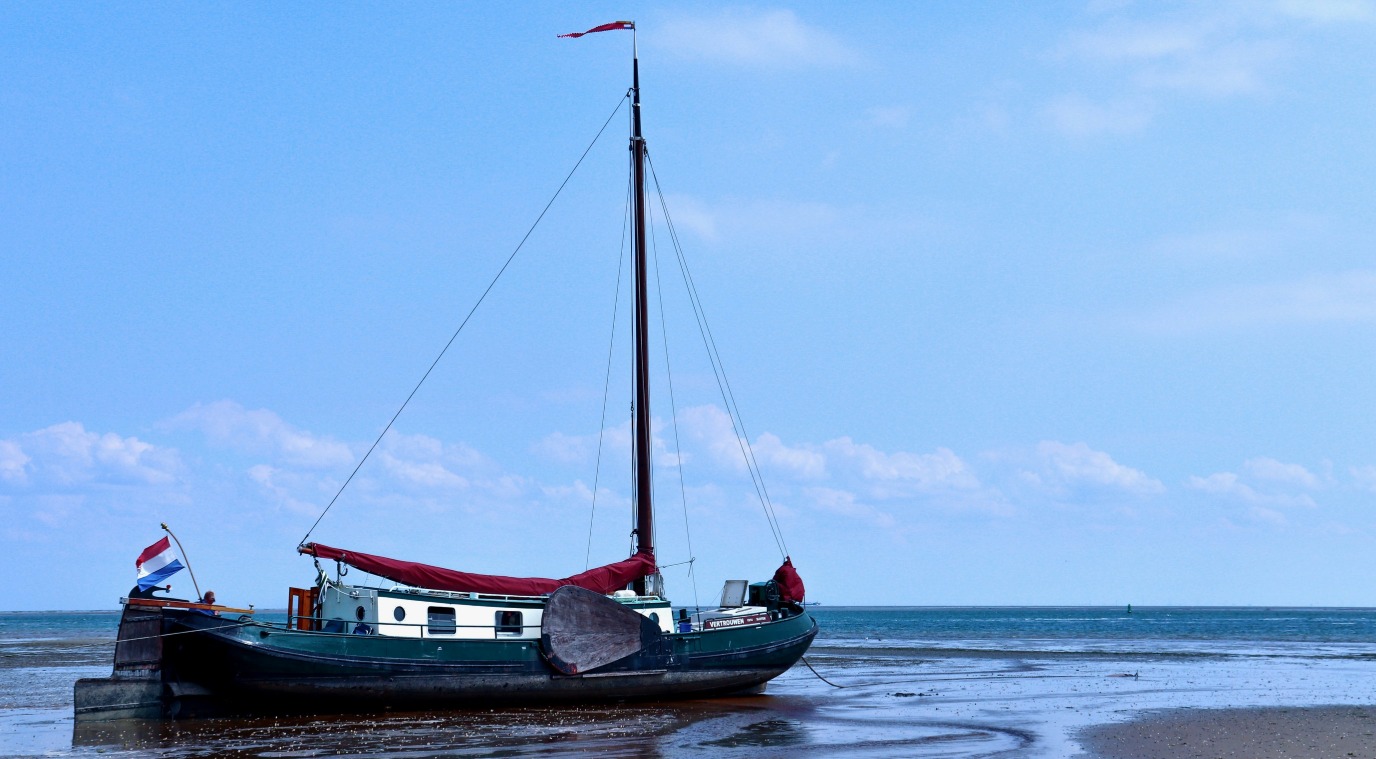
Human presence
‘That is why the current debate is important regarding the plans being drawn up by Rijkswaterstaat as part of the Natura 2000 management plan. It proposes closing off new parts of the Wadden Sea. But as an economist and social scientist, I am surprised at how quickly human presence is viewed, in ecological terms, as a disturbance.
Of course, you have to intervene if recreational activities cause damage. But human presence is not automatically the same as excessive pressure. Why doesn’t the significance for people count? Why can’t we monitor the situation in a much more nuanced way?
If there are vulnerable birds in an area, you can warn visitors or temporarily restrict access.’
14 million fans
‘Then there’s the question of scale. There really are a great many people who hold the Wadden Sea dear to their hearts. Our research shows that there are an estimated 14 million fans of the Wadden Sea in the Netherlands, Germany and Denmark. So we’re talking about far more people than just the residents of the area. That sense of connection, that community of fans, deserves a more prominent role in decision-making. What we’re working on with our Greenmapper software is making it much easier to involve those people in decision-making.
What concerns me is the imbalance. We are considering closing off parts of the Wadden Sea due to potential ‘recreational disturbance’. Yet it is often precisely what makes the area so valuable that people enjoy there: the silence, the vastness, the nature. At the same time, large-scale industrial interventions in the same area do seem to be permitted. In that light, I find the closure all the more strange.
Power cable, salt extraction and Eemshaven
This spring, Frisia was given provisional approval to extract more salt from beneath the Wadden Sea until 2052. The government is considering Eemshaven as a site for a new nuclear power station. This year, there has been a fierce dispute over the power cable crossing Schiermonnikoog for the new Doordewind North Sea wind farm.
This makes me wonder: what might such decisions look like if we involved the millions of people who love the Wadden Sea more closely in the decision-making process? I expect this would strengthen the area. Anyone who loves the Wadden Sea also wants to protect it and is keen to contribute ideas. If we make better use of that social capital from the enthusiasts, we’ll get more creative ideas and better decisions.’
What is Greenmapper.org?
Greenmapper is a growing citizen science platform developed at the University of Groningen. It connects people who love specific nature areas with the organisations that protect them – generating unique insights into how landscapes are valued, and giving those who care about them a real say in their future.
More information
More news
-
-
08 September 2026
Verhuizing supermarkt Koudum gevolgen voor dorpshart
-
08 September 2026
Groningen residents want mobility hubs with shops and meeting points