
This is how Sustainable Food Systems is building a sustainable food system
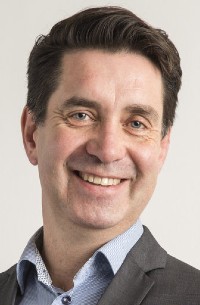
The way we produce, process and consume food has a major impact on our planet. The Sustainable Food Systems research group, part of the University of Groningen’s Rudolf Agricola School for Sustainable Development, aims to change this. How is the group going about it? Co-founder Kees van Veen explains.
How did Sustainable Food Systems come about?
‘A few years ago, I was director of Sustainable Society at the University of Groningen (UG), the predecessor to the Rudolf Agricola School. During that period, there was growing global attention on the impact of agriculture and food production on our environment. One example was the concept of planetary boundaries – a framework of nine limits that we must monitor to ensure a stable living environment on Earth remains possible in the long term. As humanity, we are currently exceeding seven of those boundaries, including water and land use, with agriculture being the main cause of these exceedances. We must all work together to address this.’
Why is the UG well-placed to contribute to this issue?
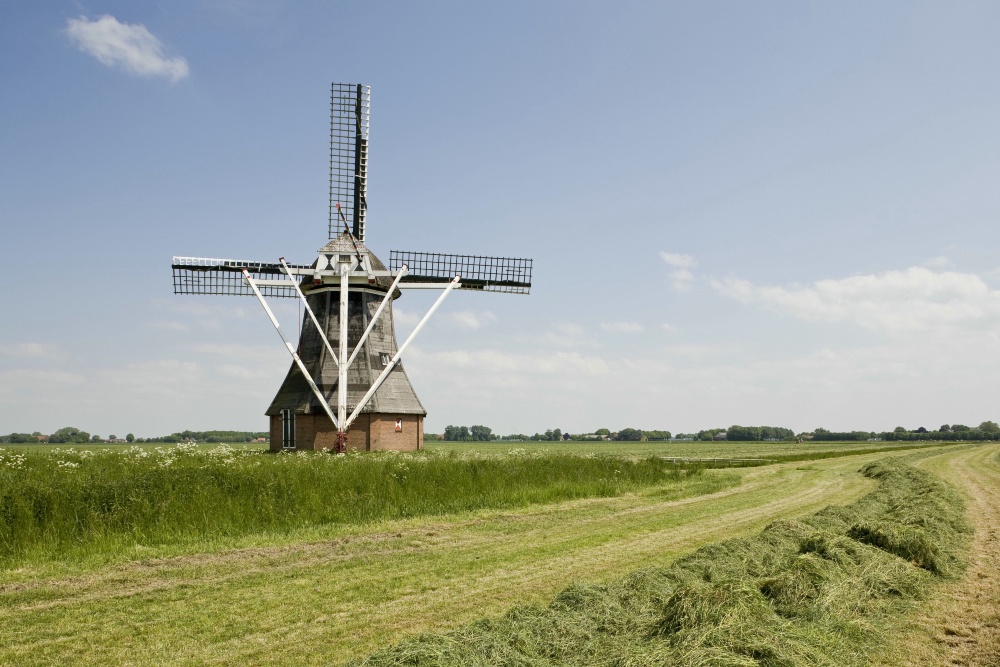
‘The UG is a comprehensive university and possesses a great deal of in-house expertise – far more than most people realize. Sustainable Food Systems brings together researchers from various disciplines, which is essential for tackling this complex issue. We cover the entire supply chain: we have experts in the fields of the microbiome, plant growth, agricultural systems, robotization, production issues, logistics, consumption, policy, financing – you name it. Furthermore, the region has a strong agricultural tradition that lives on to this day. There is a large agricultural industry that exports extensively and produces food to a high standard. But there are also many great small-scale initiatives in the region. It is important to work together with all of them towards sustainable agriculture and food supply.’
How do you collaborate with partners from the region?
‘We consider collaboration with partners from the region to be crucial. Apart from my work at the UG, I am director of the Oogst van Groningen foundation. This foundation helps entrepreneurs in the region to strengthen sustainable regional food chains. As a result, I have built up a network that I also utilize in projects we set up through Sustainable Food Systems. For example, we work together with entrepreneurs, farmers, local authorities, the Province of Groningen and the National Programme Groningen. We strengthen one another.’
What approach do you take and what projects are currently underway?
‘Sustainable Food Systems operates primarily on a project basis. Depending on a particular project, we bring together a small group of people to work on it. Although we haven’t been around for long, we already have a number of projects underway. Thanks to funding from Fascinating, which is working on a circular agricultural system for Groningen, we have, for example, been able to carry out literature reviews on the effects of regenerative agriculture. This means that agriculture actively contributes to the restoration of ecosystems.
Together with the provincial authorities, we organized a national conference on the Regional Deal on Nature-Inclusive Agriculture. We have also just submitted an NWA ORC grant application entitled ROOTS (i.e. Regional Opportunities for Orchestrating Transitions towards Resilient Food Systems: Valuable Soils for Future Societies). In this proposal, we focus on soil quality and link this to the importance of regional food chains.
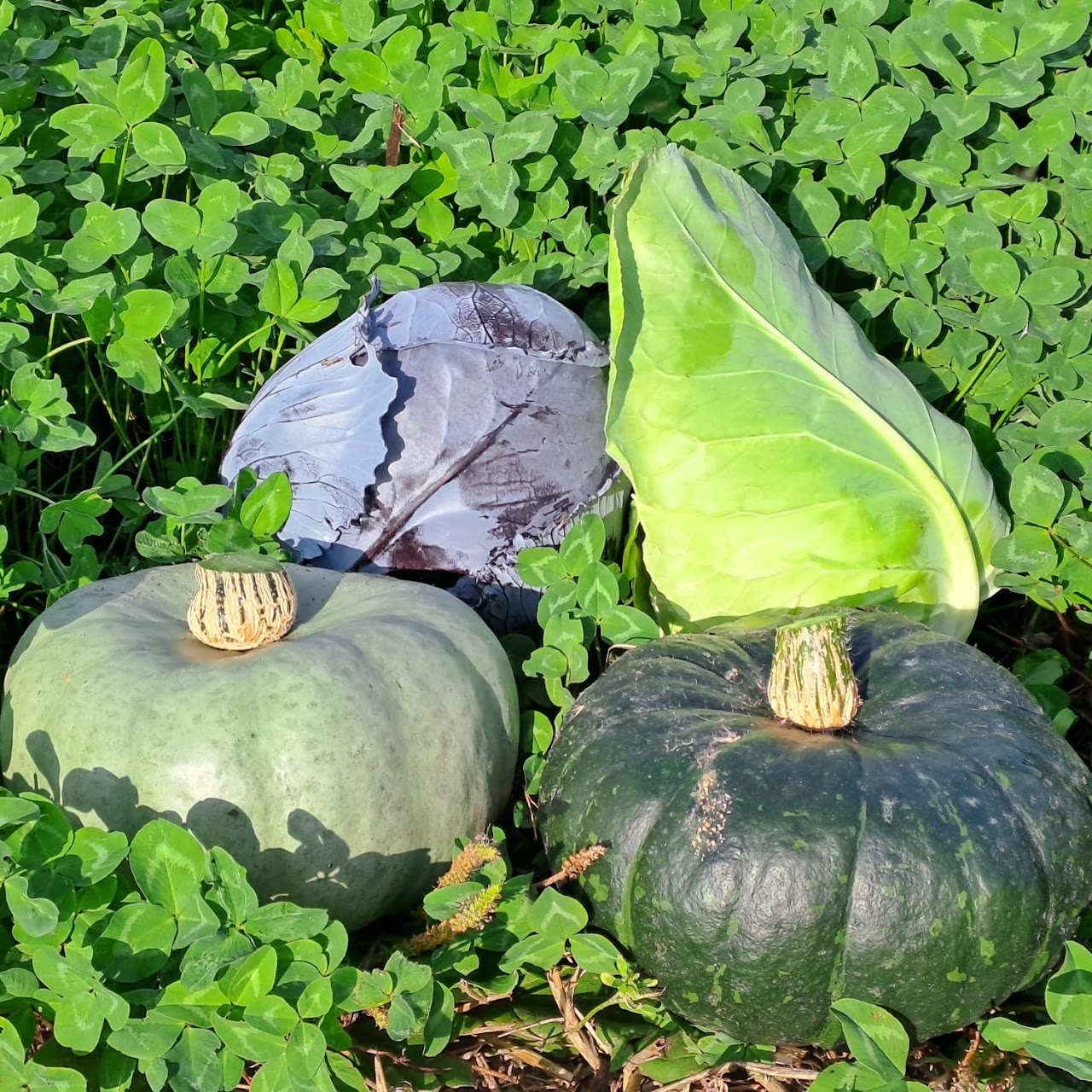
In addition, we are collaborating with Stichting Smaakboerderij, in which UG researchers are working with organic growers to explore how to cultivate produce with great flavour and quality using healthy soils, resilient varieties and supply chains that benefit farmers, producers and consumers. And I’m currently on a committee for the AgroAgenda Noord-Nederland. As part of this, we’ll soon be organizing a hackathon in Leeuwarden, to which Campus Fryslân and other knowledge institutions are making a significant contribution. In the coming years, as part of the ‘fifth-generation university’ initiative, we want to launch many more projects, so we’ll certainly be making our presence felt. There is a huge need for more knowledge in this area, and transdisciplinary work is important here. And it’s also great fun.'
Further information
More news
-
19 October 2026
From research to business: RUG Ventures helps ideas move forward
-
-
03 September 2026
Ming Cao reappointed as scientific director of the Jantina Tammes School