
Concerns about reputation drive solidarity

When and why do we take action when someone else is wronged? Not everyone is driven by a sense of justice when standing up for others. Concerns about the reputation of one’s own group also play a major role. This is evident from research by Hakan Çakmak, on which he will defend his PhD thesis at the University of Groningen on 29 October.
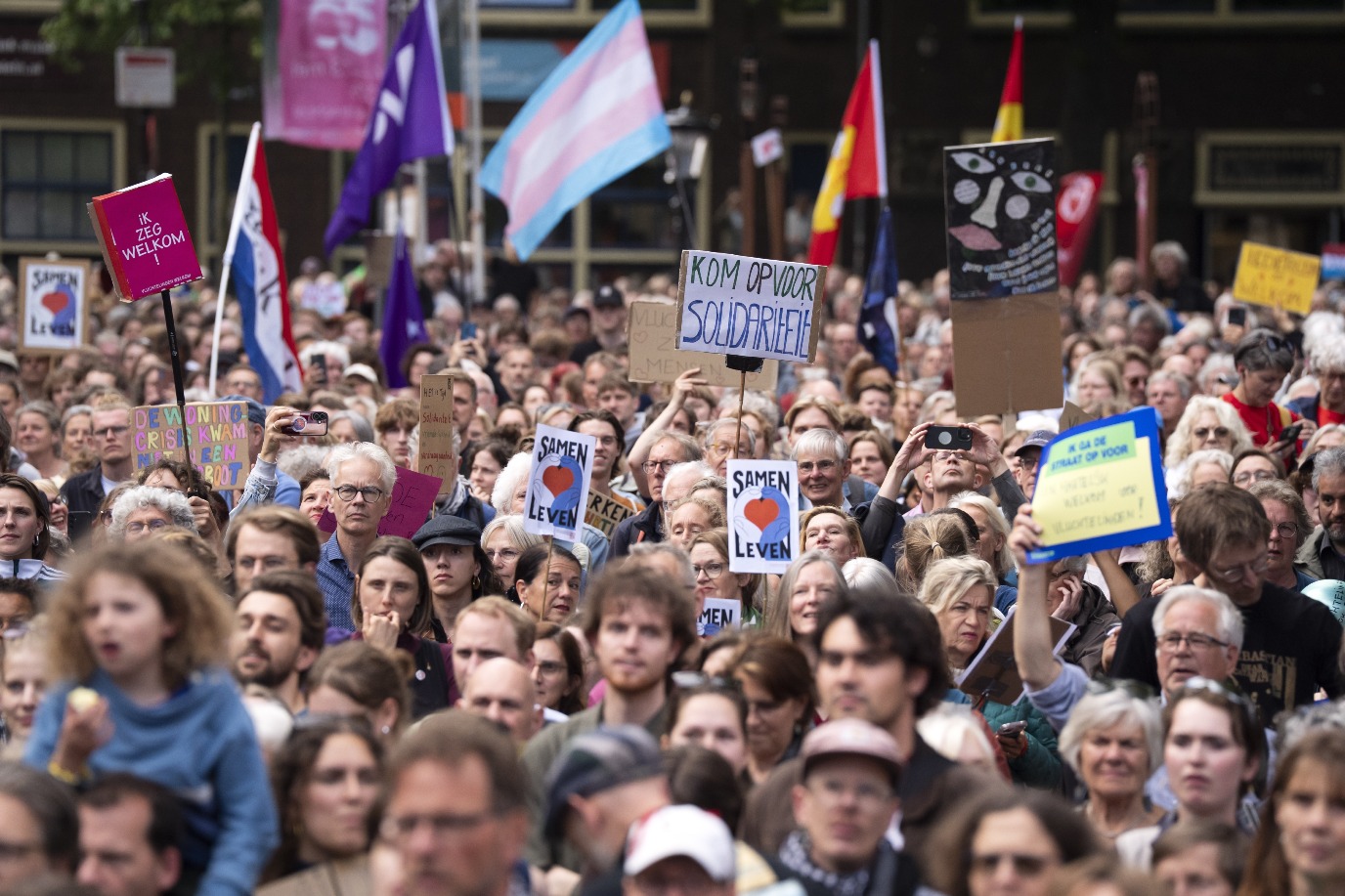
When do we stand up for others? Why do people sometimes speak out when members of their own group wrong others? For his PhD research, Hakan Çakmak investigated why people show solidarity with vulnerable groups when the injustice comes from people within their own community, country, or social group. Think of discrimination against lower-educated individuals, hostility toward refugees, and harmful behaviour by political leaders or governments.
Concerns about reputation
Çakmak’s research shows that people are primarily driven by two motives. Some are concerned about the reputation of their group. When the behaviour of group members casts their group in a negative light, they are more likely to support the victims. Others are mainly driven by a sense of justice. They focus on the suffering of the victims and want to help because they consider the situation unfair.
Connected to the group
The most important motive can vary from person to person. People who feel strongly connected to their group are more often influenced by concerns about the group’s image. People who feel less strongly connected to their group are more often motivated by feelings of justice.
Contributing to change
With his research, Çakmak contributes to a better understanding of solidarity and the conditions for a sustainable society. ´People must realize that major problems, such as wars or exploitation, cannot be solved solely by the solidarity of laypeople and outsiders. Members of the ‘perpetrator group’ also play a major role in this,´ he states.
Importance of solidarity
Solidarity from perpetrator groups with high social status plays a crucial role in holding perpetrators accountable and promoting peaceful coexistence, Çakmak argues. ´Without acts of solidarity, vulnerable groups, such as refugees, increasingly find themselves standing alone,´ says Çakmak. ´Violence and injustice become normalized. Acts of solidarity are essential for reducing suffering and strengthening social cohesion.´
More information
More news
-
08 October 2026
Diversity Week: What can I do for LGBTQIA+ acceptance?
-
-
24 August 2026
Social media: swimming or drowning?