
A secure, resilient society starts at the local level
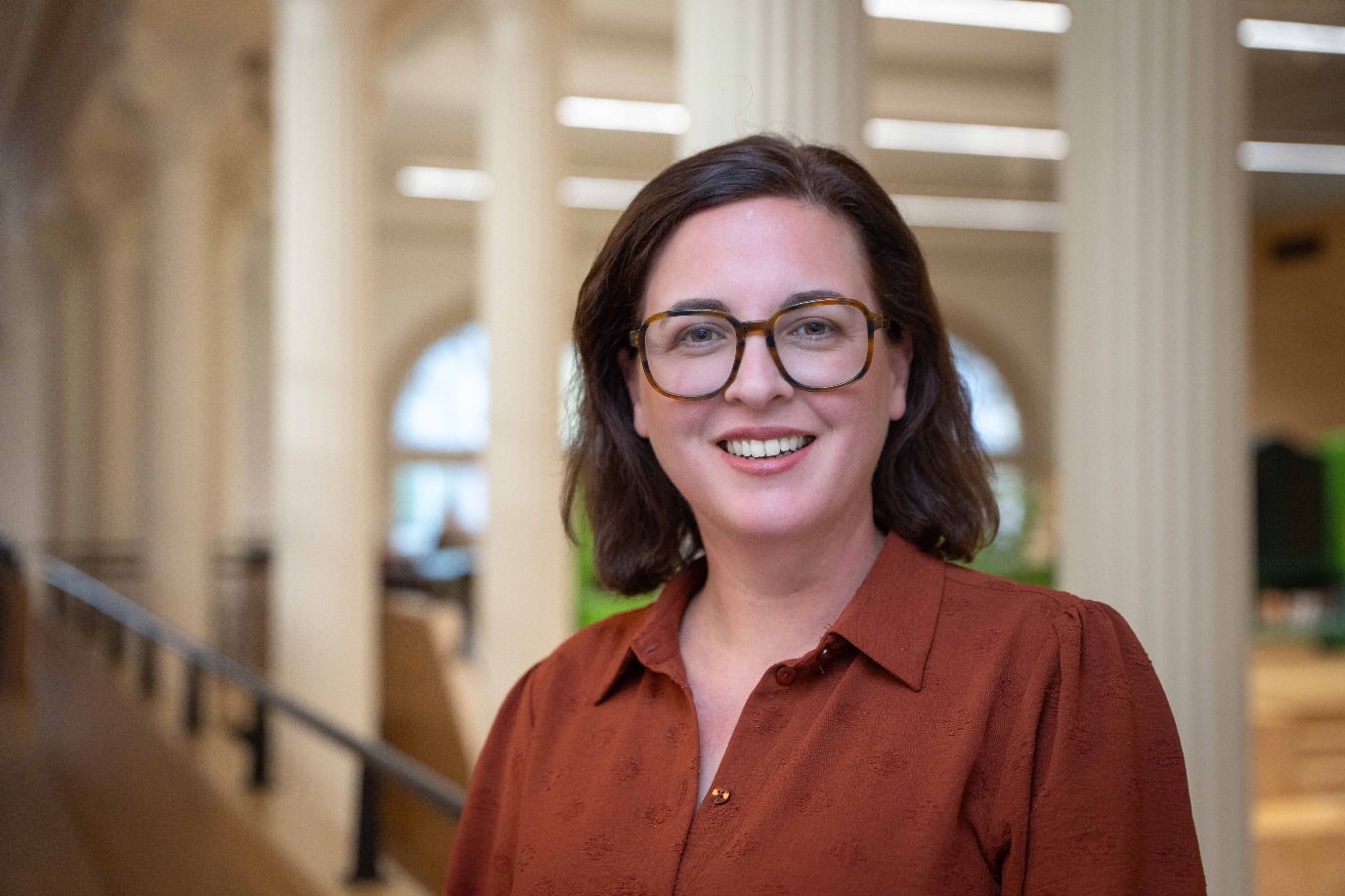
‘Broad security and resilience go way beyond the way you respond to a geopolitical situation, although this is currently very much in the spotlight,’ explains Professor Natascha van der Zwan, who has been the incumbent of the Aletta Jacobs chair in Global & Local Governance, with a focus on Security since last year. She is using her appointment to draw together various lines of research in the field of broad-based security, such as social security, financial stability, and sustainability. ‘The thing about Campus Fryslân is that it’s the perfect place to do this. The faculty focuses on major social transitions, and the basis for security and resilience always starts within your own community.’
Text: Jaap Ploeger, Corporate Communication UG
Broad security
‘Broad security is a common term in our organization, one that often brings broad prosperity to mind,’ says Van der Zwan. ‘Broad prosperity does not see economic growth as the only indicator for the economy, but also considers factors such as well-being, satisfaction, and opportunities for people to develop their potential. Broad security tries to approach society in a similar way.’
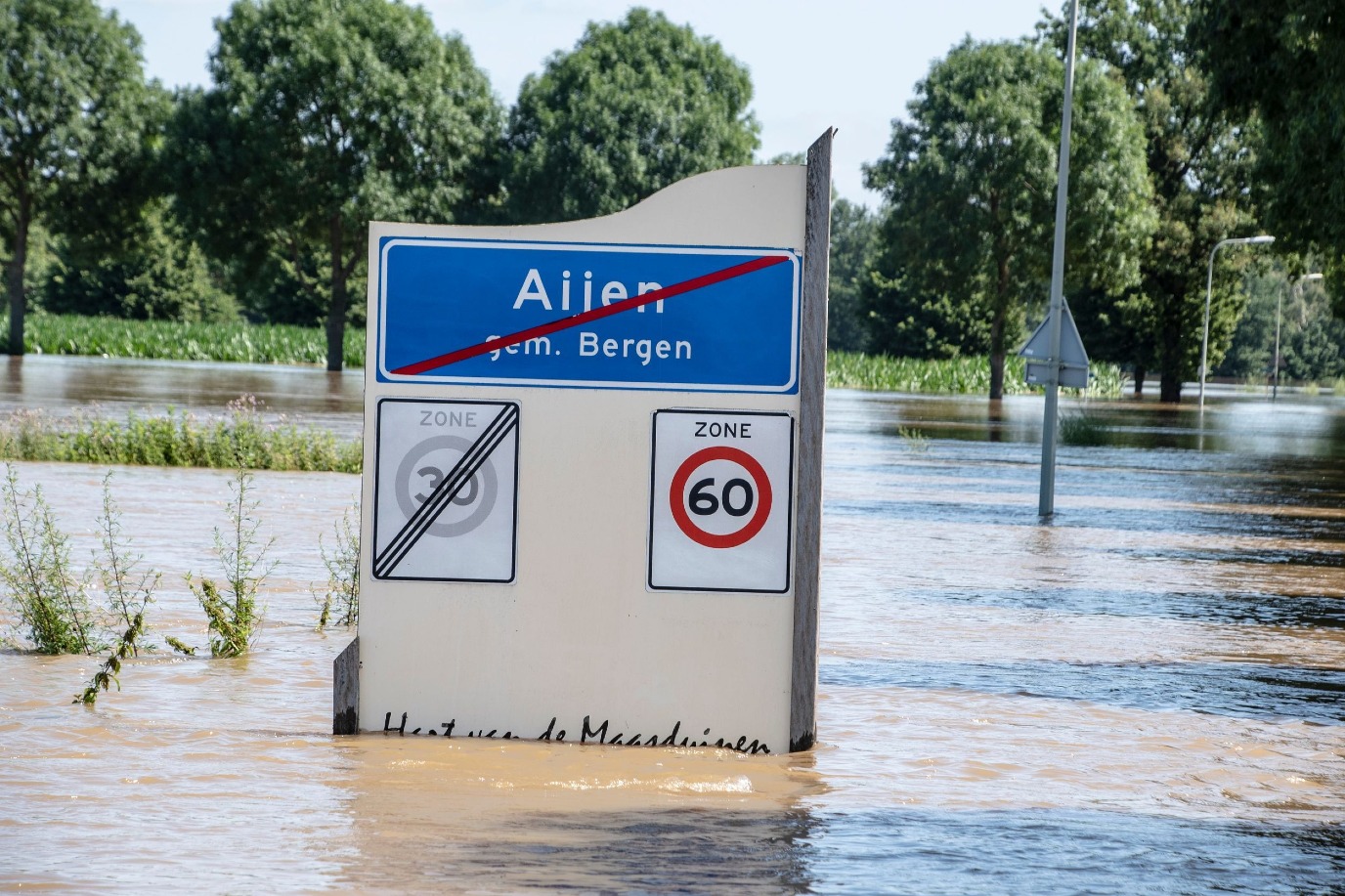
Security is not just about classic themes such as geopolitics, military threats, and defence, all of which are currently high on the public agenda. ‘If you look at how citizens experience security in their day-to-day lives, you’ll see that it has many more dimensions. It’s about climate resilience, for example: the question of whether our living environment will remain safe in an ever-changing climate. In addition, social security and a good social safety net play an important role. People want to know that they will be protected if they fall on hard times.’
Economic stability and non-reliance on production chains are also important factors, particularly in times of international uncertainty. And these days, digital security is a crucial pillar; consider universities and knowledge institutions, for example. So from the teaching and research angle, it is important not to deal with these subjects separately, but to try to bring them together.
Strong community
‘Having said this, the answers to many security issues do not only lie with the government, but also with society itself. Terms such as resilience and readiness play an important role in this respect. A frequently heard comment in the debate surrounding emergency packages was that the emphasis was mainly on individual preparation. But if we are faced with a major crisis, a strong community is just as important’, says Van der Zwan.
‘People have to be able to rely on their surroundings and on support networks, which is exactly why security needs to be viewed from a broader perspective, one in which the various domains all link up. And this matches perfectly with the Campus Fryslân perspective. One of the reasons we stand out is that we work closely with regional partners. We notice that they are also looking for answers to broad security questions like this, specific questions that require specialist knowledge.’
Local resilience
‘I’ve been in touch with a municipality that is working on social resilience, for example. They received the brochure about emergency packages from the Ministry, but decided that it wasn’t sufficiently suited to their local situation. Resilience requires a broad approach, one which combines aspects such as social cohesion, sufficient resources for residents, and good care facilities.’
At the same time, municipalities face organisational challenges: boundaries are often drawn between policy areas, while issues such as security require cooperation across departments. We need organizations to be flexible so that they can respond swiftly to changes. ‘We are using this challenge to develop a teaching and research line around governance and security, in which local partners are joining us to study how we can apply broad security in practice.’
Security Campus
According to Van der Zwan, the Security Campus (Veiligheidscampus) in Assen provides good opportunities for investigating questions like this. It is a partnership that evolved from a broad security issue: security in relation to society and the northern region. It is also an opportunity to enhance local and regional capacity in the area of broad security.
At the first meeting, it became apparent that the Security Campus covers a far wider area than most people think when they hear that the Ministry of Defence is one of the partners. ‘Theme groups have been set up to examine social resilience, economics, and democratic resilience, in relation to polarization and digital security, for example. This shows that security here is not purely linked to defence. Everything revolves around a broad-based approach, which also allows room for critical discussions about the role of defence within education and research.’

Developing teaching programmes
Van der Zwan is also helping to develop teaching in this field. From September 2026, the broad-based Master’s programme in Sustainable Futures will offer a specialization in Governance & Security, alongside the specialization in Territories in Transition. This will create a cohesive programme, in which students will combine different perspectives on societal issues. Students can already enrol in this programme.
The teaching programme is being developed in close partnership with external parties, including government bodies and organizations involved in resilience and security. They will not only serve as a good source of research questions, but will also provide information and experience about the skills that students need to work in the field.
‘In addition, we uphold a close relationship with the Thorbecke Academy of NHL Stenden UAS to ensure a smoother progression for higher vocational education students. This contributes to the regional ambition to keep more students in Friesland. A grant programme has been set up to this end. Together we are developing a modified Pre-Master’s course to supplement the current intensive Spring School, which starts in April 2026. These initiatives will make it easier and faster for students in higher vocational education to progress to a Master’s programme in September, without sacrificing a full academic year.’
The aim is to prepare graduates who are keen to tackle societal challenges and make a positive contribution to society. Graduates who have developed the skills needed to analyse complex problems from different perspectives, and help the parties concerned to find common ground. ‘They learn how to navigate between government bodies, societal organizations, businesses, and other interested parties. The programme focuses on training widely deployable professionals, who can play their part in creating a resilient, secure society,’ Van der Zwan concludes.
More information
More news
-
02 June 2026
Impact | The Grounding AI Map
-
-
31 March 2026
Islands as testing grounds for a sustainable society