
Socio-ecological systems
The Socio-ecological systems research group explores the vital yet often overlooked intersections between economic activities, community development, and ecological systems. Our work examines how businesses can contribute to—rather than merely coexist with—thriving ecosystems and biodiverse landscapes, and how communities can organize themselves around principles that honor both economic vitality and environmental stewardship. By integrating perspectives from animal geographies, rural development, sustainable entrepreneurship, and social complexity, we investigate pathways toward business practices that genuinely support biodiversity conservation and regenerative relationships between human and natural systems.
Project Showcases

Marianna Makantoni leads CLAMAC (Critical Language and Multimodal Awareness), an NRO-funded research and educational-innovation initiative running over 4.5 years. The project explores how language and multimodal communication shape societal norms, ideologies, and decision-making, and develops a theoretical framework, teaching materials, and assessment tools to establish critical language and multimodal awareness as a core competency for future-oriented graduates — starting with business and management education.
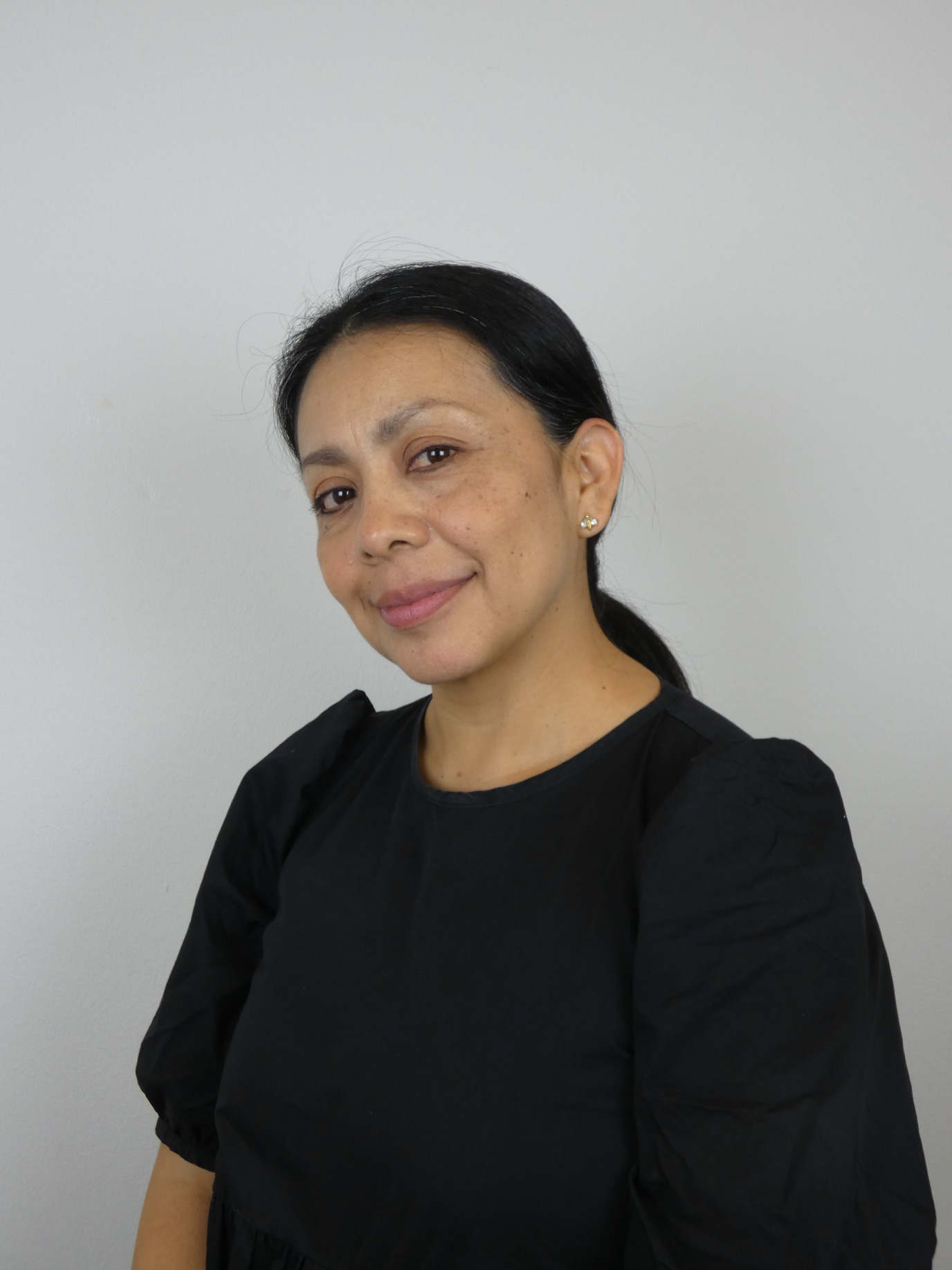
Angelica Caiza-Villegas leads the Sterrebos Biodiversity Web Project, which monitors urban biodiversity in Groningen’s Sterrebos park by studying moths, bats, birds, and beetles over the next three years (2027-2028-2029). It aims to build a biodiversity inventory that helps reveal how the park’s ecological community is structured, how species interact, and how factors such as artificial light, temperature, and urban transformation may affect nocturnal wildlife. This makes the inventory a foundation for understanding the park’s ecological condition and for informing future conservation or management decisions, while also helping to explore new ways of thinking about how biodiversity in urban areas can be structured and expanded, especially within climate‑adaptation frameworks.
At the same time, the project plays an educational role for UCG students. Through volunteering or bachelor thesis research, students can actively join. In doing so, they gain practical experience in fieldwork, species identification, data collection, and ecological monitoring. Additionally, it provides UCG with visibility as an active faculty in conservation and biodiversity efforts, enhancing its public profile in these areas and creating new opportunities for research and engagement.