
Relics, chasubles and displaced Catholics? Art History students conduct research for Museum Janning
In Nieuw-Schoonebeek, a village in the south of Drenthe, it was suddenly teeming with Art History students the past semester. Seventeen students from the University of Groningen conducted research there into the collection, history and future of Museum Janning. The small-scale and fascinating museum has a broad collection of religious art, originating from the personal collection of Pastor Janning, who was not only a pastor but also a religious art collector and painter. From a variety of angles, the students immersed themselves in the collection, history and future of the museum. The projects generated new knowledge and ideas that can contribute to the preservation, presentation and further development of the cultural and religious heritage of Museum Janning.
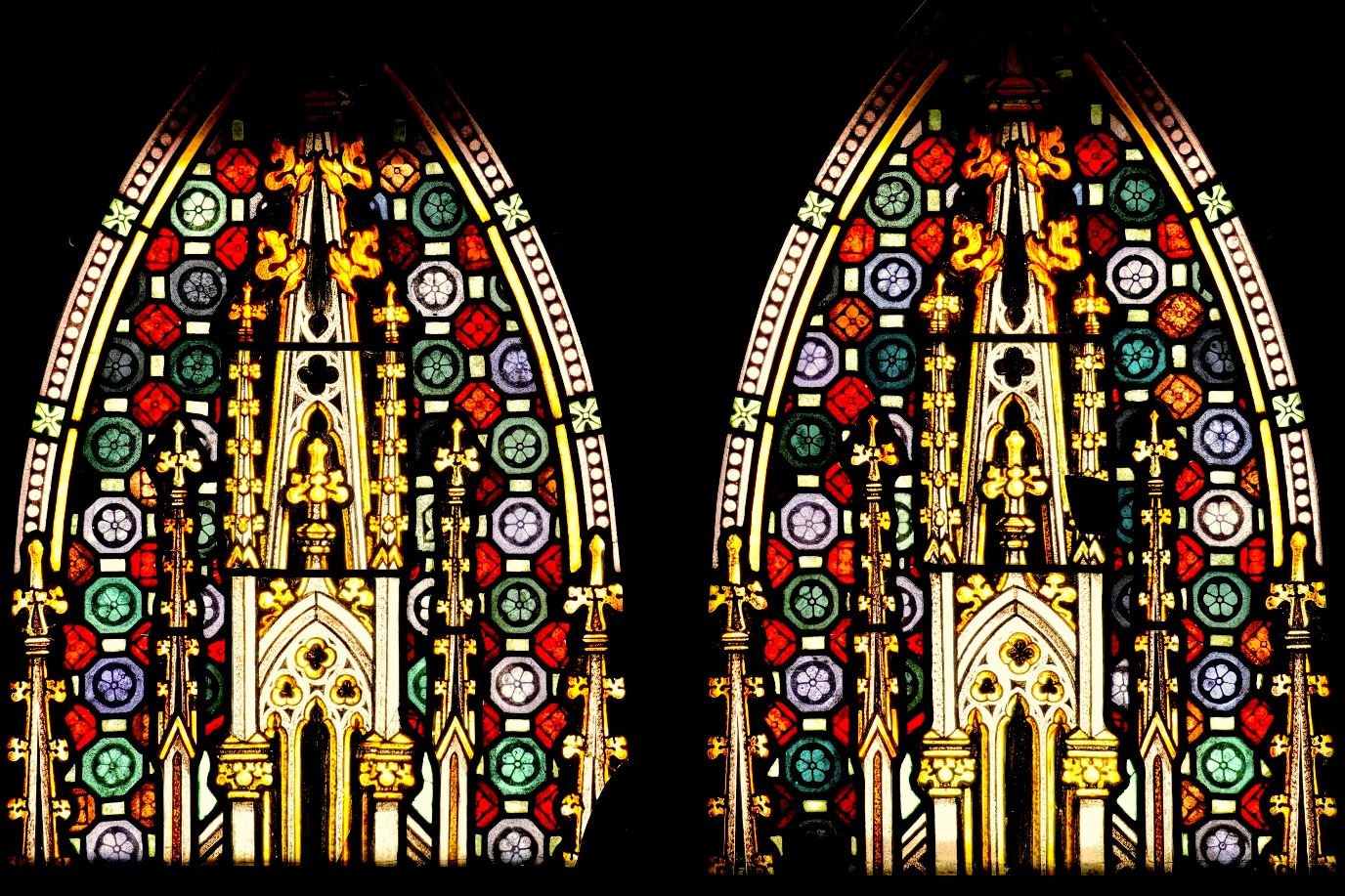
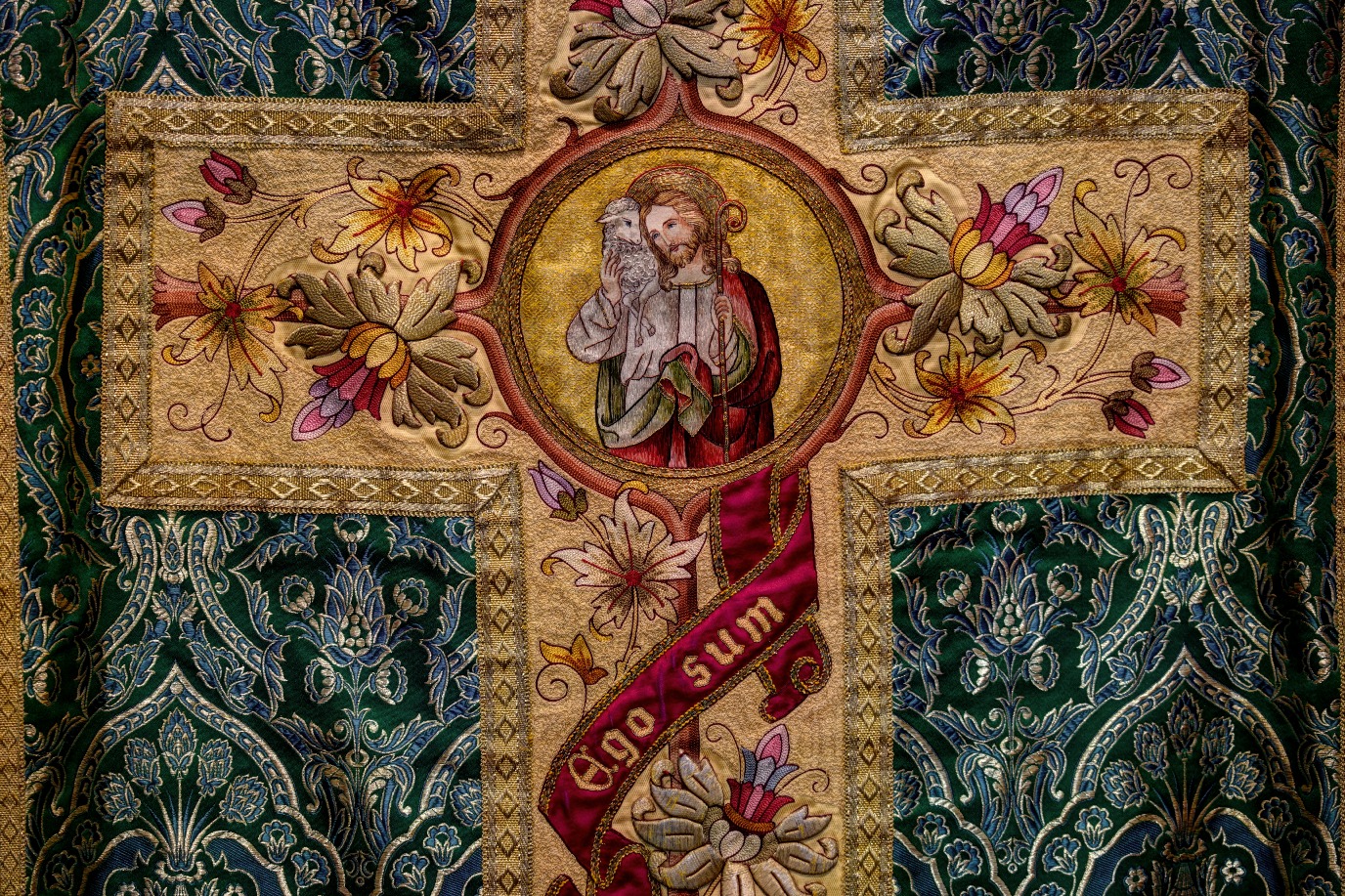
Chasubles that move with the times
Oana Zuican, Inga Bagramjan, Josephine Lely and Embla Peitersen examined the remarkable collection of chasubles at Museum Janning. By studying various vestments, they discovered how changes within the Catholic Church became visible in the design of liturgical clothing. Symbols, colours, embroidery and materials used provide insight into religious traditions, artistic styles and social developments from different periods. Theological and social changes are already apparent, for example, between vestments produced just a century apart. The first vestment comes from Versailles in the eighteenth century, the era of Rococo in which chasubles were associated with aristocracy and power. This vestment features distinctly luxurious motifs and fabrics. In contrast stands a chasuble from the nineteenth century, in which the Industrial Revolution is clearly visible in the cheaper materials and the use of mass-produced motifs. The differences in materials and symbols between the vestments show how chasubles move in step with historical and theological changes. Through this research, the students placed the collection in a broad art-historical and theological context and laid a foundation for future research and documentation.
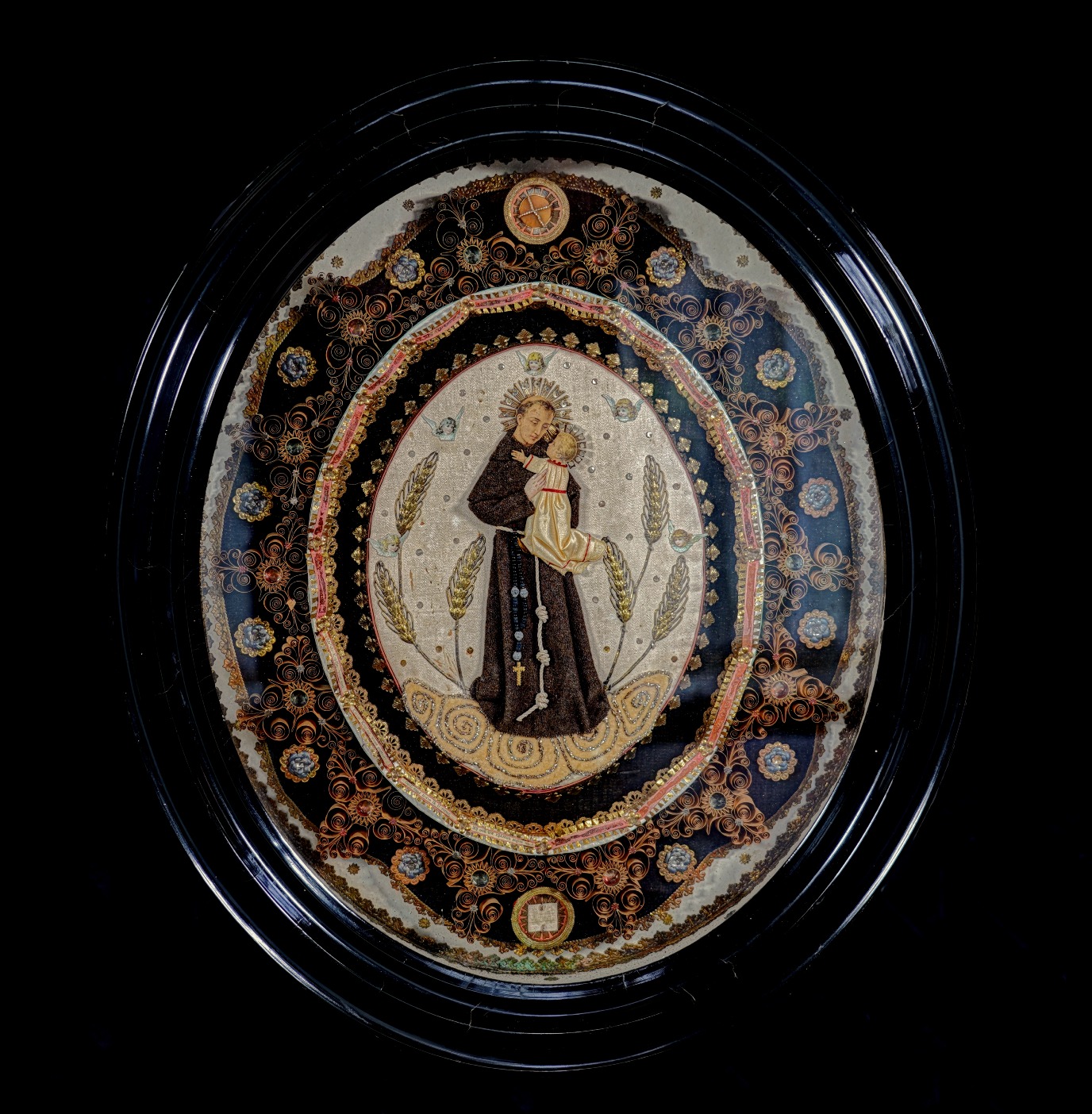
Relics in a changing context
Ariane Fryc, Jayana Pasteur, Yasmine Osman, Bente Koopman and Sammy-Jo Roelofs focused on the museum's relic collection. Central to their work was the question of how the meaning and 'aura' of relics changes when they are moved from a religious environment to a museum. By 'aura' is meant the special quality and emotional significance that people attribute to these objects. The students' findings show that relics are not only historical objects, but also carriers of spiritual and emotional meaning. In a museum, relics can take on a different role than in a church or domestic devotional setting: in a church, a relic is a sacred object used for religious purposes, whereas in a museum it is generally viewed as a historical artefact, serving educational aims and often presented from within a display case. Yet that religious meaning does not disappear entirely when the context changes. Visitors can experience relics both as historical sources and as tangible connections to the sacred. On this basis, the students developed an exhibition concept that makes room for both perspectives.
Catholic enclave Nieuw-Schoonebeek
Rosa Warring, Barnabas Somogyi, Gido Politiek and Robin Grijpstra investigated how the landscape of south-east Drenthe contributed to the development of Nieuw-Schoonebeek and its Catholic community. The research shows that the reclamation of the peat bog not only offered economic opportunities but also stimulated migration from the Catholic regions of Münsterland and Emsland. This gave rise to a close-knit Catholic community that played an important role in the development of the region. By making the interplay between landscape, migration and religion more transparent, the students give visitors greater context for the history behind many objects in the collection.
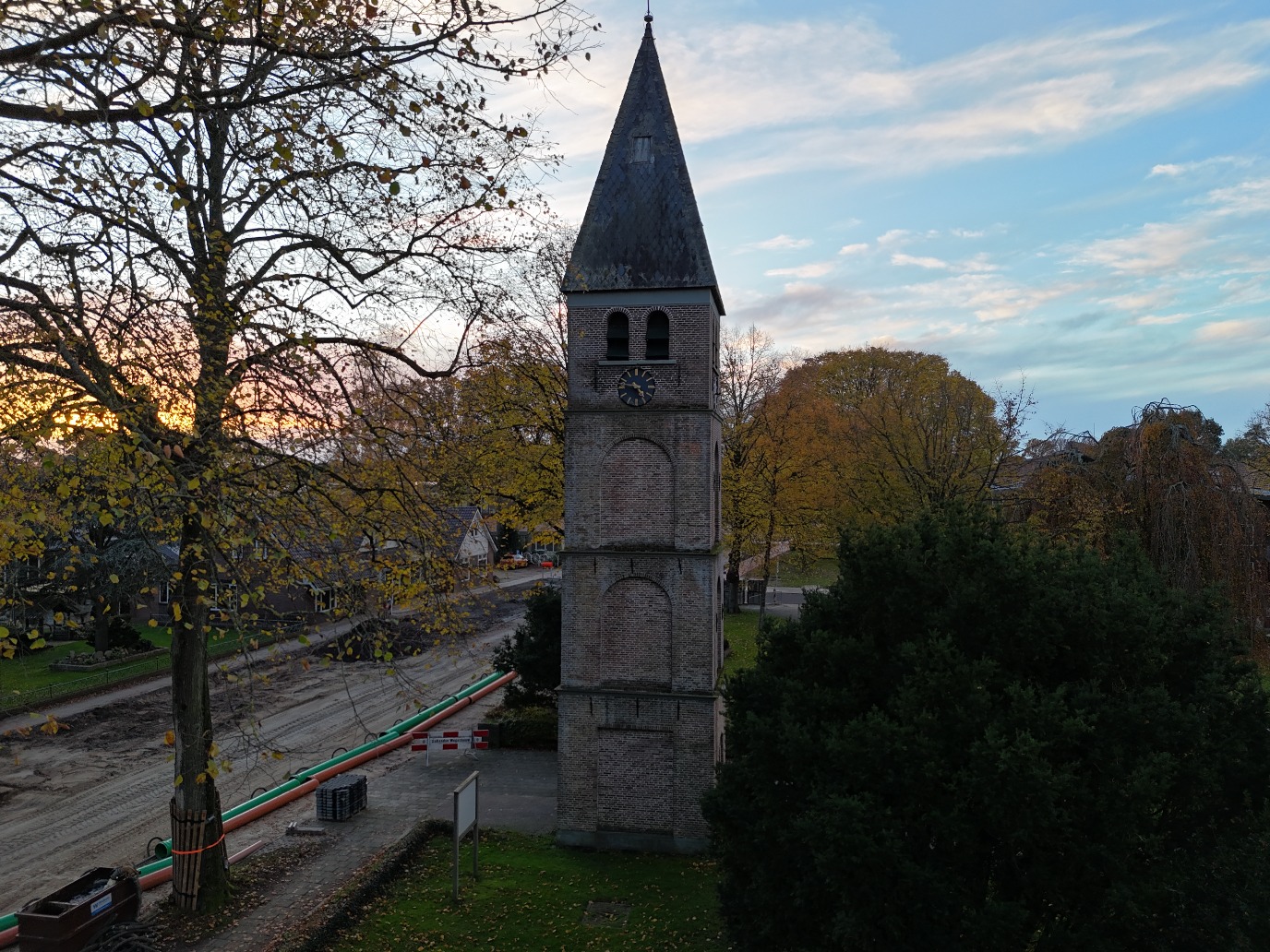
Museological developments at Museum Janning
Diane Petru, Elina Zaykova, Laura Baudner and Willemijn van Calker turned their attention to the future of Museum Janning and the recently acquired Sint-Bonifatiuskerk (St Boniface Church). They investigated how the transition from the 'domestic' atmosphere of the presbytery to the monumental space of the church can enhance visitors' experience of the collection's Catholic heritage. One of the key insights was that the contrast between the two buildings can actually help visitors understand the collection more deeply. Where the presbytery tells the story of everyday life, the local community and personal memories, the church offers space to experience the religious and spiritual significance of the heritage. By deliberately shaping this transition, a coherent narrative emerges in which the everyday and the sacred reinforce one another. On the basis of this vision, they developed a proposal in which the church is organised around themes such as religious heritage, local history and landscape, supplemented by space for events and temporary exhibitions.