

Previous Summer and Winter Schools
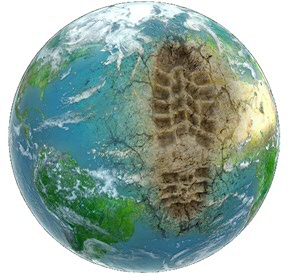
Anthropocene. How humans shaped the earth
How significant is our impact on the earth? How did our interaction with other species evolve to today’s reliance on industrial agriculture? Understanding how the Anthropocene emerged, evolved, and how its many facets manifest themselves in ‘natural’ and ‘social’ phenomena is critical to dealing with our current global challenges. During this Summer School, participants learn how archaeologists, geographers, and ecologists study our impact on landscapes and oceans, and how legal and political scientists, psychologists and anthropologists implement the Anthropocene knowledge to improve environmental policies and behavior. By the end of the week, participants have a toolkit to apply these theories within their own discipline.
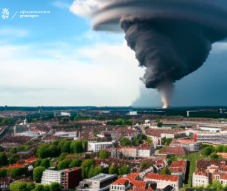
Cascading Disasters, Institutions and Organizations (CAINO)
How can we build disaster-proof societies for future generations? How do political institutions shape resilience to the cascading effects of disasters? What are the challenges that organizational networks face when coordinating during multiple disasters? This summer school intends to shed new light on such questions by providing advanced knowledge and skills in the field of social sciences and disaster management. Participants are trained in an inter- and transdisciplinary learning environment combining theory, methods and practice into group projects.
Creating a Climate for Change
The program is designed for lecturers and policy makers in higher and vocational training who want to tackle challenges in sustainable education. At the end of the three-day summer school, participants will leave with a concrete plan and knowledge on how to lead in sustainable education. Among the different topics, the Summer School addresses the following: Defining and measuring sustainable education, Incorporating sustainability as a central element of a course, Creating multi- inter- transdisciplinary education on a program level.
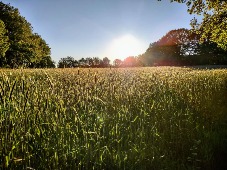
Designing Sustainable Landscapes Within Regional Food Systems
With this Summer School, participants learn all about designing sustainable regional food systems and agroecological landscapes for the north of The Netherlands. The north of The Netherlands is a region that has the potential to become an example and lead the way towards sustainable food production, playing a key role at national and international levels. During this Summer School, participants have the opportunity to study this region by, for example, visiting farms, conducting interviews with various stakeholders (farmer organizations, advisors, food industry, retailers, local government, academia, etc.) and attending lectures by specialists from various disciplines (agriculture, ecology, geography, economics, nutrition, political and social sciences).

Enhancing the efficacy of development interventions through the use of rigorous impact evaluations
This five-day summer course developed practical skills for conducting rigorous impact evaluations, with a focus on the African context. Participants learned experimental and quasi-experimental methods, as well as key elements such as theory of change, data management, and ethical approvals. The course was designed for professionals and master’s or PhD students in development research and required basic STATA knowledge.
Finding Your Way in the Education-Work Transition
The transition from education to work raises diverse uncertainties worldwide. Young people grapple with questions about livelihoods, career aspirations, necessary education, and gaining meaningful experiences. In Uganda, youth often turn to entrepreneurship, with some becoming social entrepreneurs supporting themselves, families, and communities, despite the lingering impact of past conflicts in Gulu city. The Summer School at Gulu University integrates fieldwork exploring youth entrepreneurship and resilience, blending interactive lectures, interdisciplinary group work, and presentations to foster educational innovations informed by UNESCO Chair expertise.

Heritage, Identity and Inclusivity
The Leeuwarden Summer School on Cultural & Linguistic Diversity is a five-day interdisciplinary program for graduate students, PhD students, and professionals interested in diversity management and social justice.
Hermes Summer School
Cultural narratives shape behaviors, worldviews, and societal practices. The Hermes Summer School will explore narratives of degrowth and sustainability, examining their potential to inspire new ways of thinking about social and economic structures. Key topics include the framing of economic growth in relation to social and ecological well-being, the contradictions within sustainability narratives, and their intersections with posthuman and decolonial theories. By analyzing literature and other cultural products, the program aims to develop alternative economic and social organizations that prioritize ecological sustainability, social justice, and human well-being over economic growth.

Illicit Trade
Delve into the intricate realm of illicit trade at the University of Warsaw from July 8 to 12, 2024, through a comprehensive Summer School organized by GI-TOC, the Illicit Trade Group, and the Agricola School for Sustainable Development. This immersive learning experience offers a deep dive into the global issue of illicit trade, featuring lectures, workshops, and case studies led by renowned experts. Participants will explore the economic, social, and security implications of illicit activities, gaining insights into strategies for combatting them. Hosted at the prestigious University of Warsaw, this program promises a dynamic exploration of illicit trade's impacts on industries, communities, and global stability.

Interdisciplinary Perspective on Micro- and Nano-plastics
Microplastic problem is getting more and more attention: from alarming news articles to Doctor Who episodes. But what do we know about microplastics' causes? How can we solve the problem? Complex global challenges such as microplastics need an interdisciplinary approach.
With this Summer School participants gain insights into causes and solutions on the microplastic issue from various disciplines including medicine, environmental sciences, social sciences, political sciences, philosophy, waste engineering, and the creative industry. The programme is designed to balance theory, practice and fun: participants attend a week of lectures, group works, workshops, hands-on activities, excursions and social events.
Land Acquisition, Resettlement and Social Sustainability
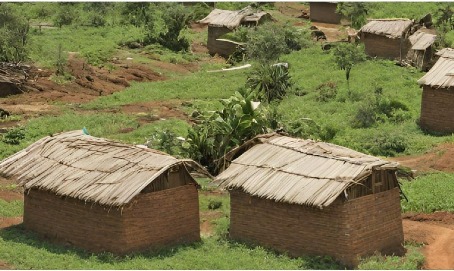
This two-week summer school focused on developing skills to manage the social risks and impacts of investment projects, particularly those related to land acquisition and resettlement. The program was taught by leading experts and targeted an international audience of current and future professionals, project governance representatives, and advanced students interested in the practical management of social issues in development.
Polarisation
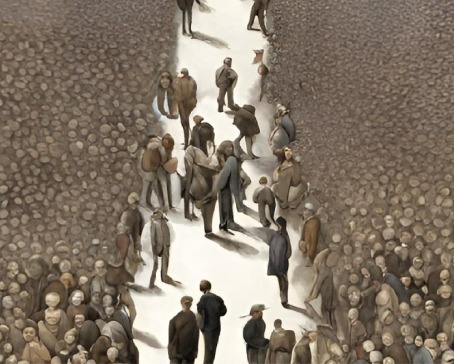
Across the world, societies have been affected by an increasingly polarized public sphere. This polarization has reduced the space for constructive collaboration, undermined democracy, and limited our ability to address major challenges such as the climate crisis and social inequality. During this summer school, students engaged with current debates and emerging research on polarization and worked in interdisciplinary, international teams to develop interventions aimed at reducing polarization in a specific context proposed by external societal partners.
SuRe - Sustainable and Resilient societies
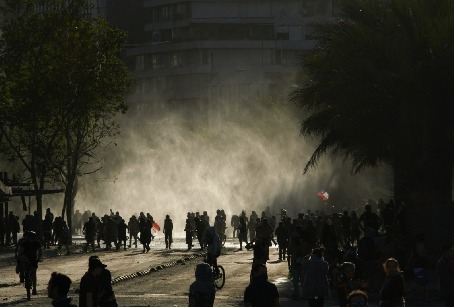
SuRe aimed to bring together academics and students from the social sciences, behavioral sciences, and humanities whose work relates to resilience at the individual, collective, and societal levels, as well as its conceptual and ethical dimensions. Participants were trained in an inter- and transdisciplinary environment that combined theory, methods, and practice through group projects. The summer school took place in Rome and was open to outstanding REMA students, PhD candidates, postdocs, and policymakers.
Sustainable Landscapes - The Wadden Experience
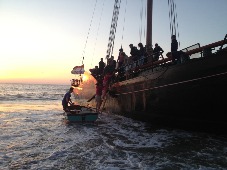
How to steer towards sustainability at the landscape level? In the Northern part of the Netherlands lies the World Heritage Wadden Sea Region, which has a strong drive towards sustainable development. The goal of this Summer School is to explore the challenges of steering towards sustainability at the landscape level. Join us for a five day sailing trip with lectures by leading experts showing you scientific perspectives from different fields. You will explore the themes of cultural heritage; coastal tourism; landscape stewardship; regional food production; and sustainable entrepreneurship.
The Next STEP - Summer School on Theories in Environmental Psychology
The Next STEP will help PhD students to bridge the gap between environmental psychology theory and practical applications. Through a series of workshops, group exercises and guest lectures by prominent experts in the field, participants will acquire knowledge and tools needed to effectively address pressing environmental issues in practice. Sponsoring organizations will provide the PhD students to solve under the supervision of senior researchers. The Summer School is open to PhD students in environmental psychology and related fields.
The roots of inequality, poverty and deprivation in Africa
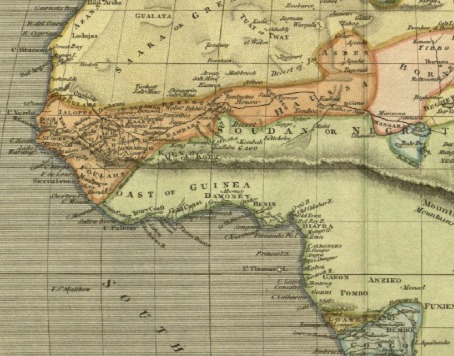
This five-day summer school provides participants with a multidisciplinary grounding in the roots of inequality, poverty, and deprivation in Africa. Held at the University of Nairobi, home to the Kenya node of the African Centre of Excellence in Inequality Research (ACEIR), the program features lectures on historical and financial determinants of inequality, poverty measurement, and social mobility. Topics include pre-colonial and colonial inequality, financial inclusion, and international poverty measurements. The summer school delves into the roles of social institutions and norms, democracy in pluralistic societies, and the impact of financial development on sustainable development.
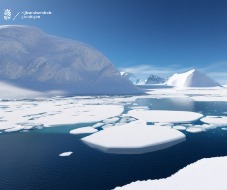
Winter School: Our connection with a fast-changing Arctic
Global warming is most prominent in the Arctic with visible changes in ice and snow and enormous challenges for ecosystems and people to adapt to the new situation. Sustainable solutions require multidimensional knowledge and a prudent approach when coming from outside the Arctic, as new business opportunities should take account of the sensitivities of the natural environment and local and indigenous people.This Winter School is aimed at (inter-) national civil servants and policy makers, politicians, managers, financial experts, (young) academics and PhD students who are looking for a comprehensive understanding of the Arctic region. Participants are introduced to various topics related to the Arctic and its inhabitants.