

Whose Stories Are We Telling?
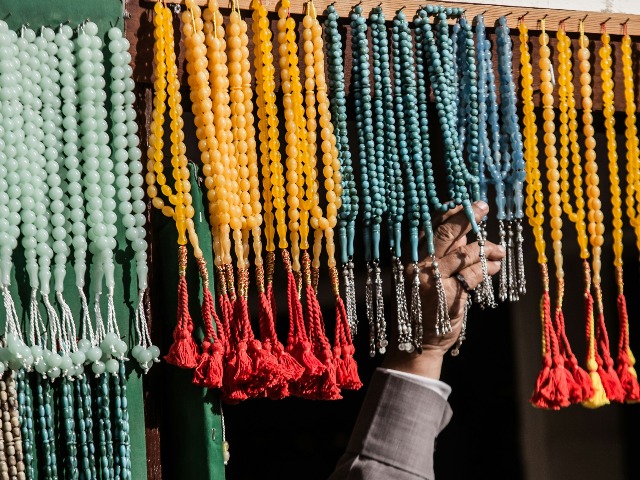
Leading the dance with prayer beads
I was at the after-party of a theater show produced by a volunteer-based artistic community of newcomers in Groningen, the Netherlands, called Bab Ad-Daar. There, volunteers from the group—mostly of Syrian, Palestinian, and Lebanese backgrounds—along with...
Root-Streaming Sustainability: The Case for Ontological Literacy
In the halls of academia and policy chambers, we often speak of "mainstreaming" sustainability. We integrate climate modules into curricula, add green competencies to job descriptions, and design policies that aim for carbon neutrality. Yet, despite this...
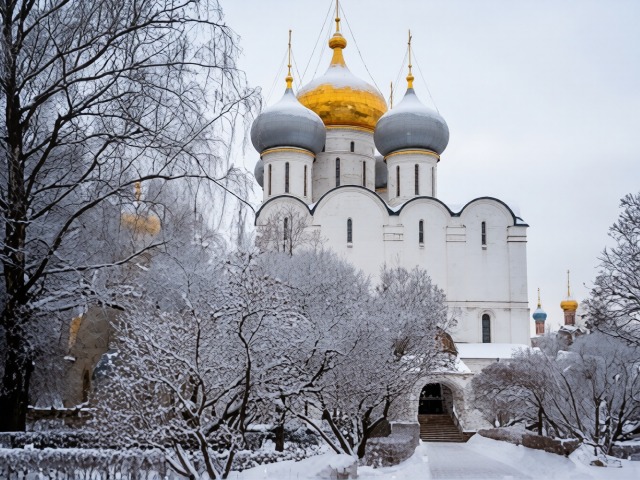
From Altar to Embassy: The Russian Orthodox Church in Russian Foreign Policy
“As long as our Motherland remains this island of freedom,” Patriarch Kirill declared in 2022, Russia could still help “prevent the global apocalyptic end.”[1] (Patriarch Kirill, XXIV World Russian People’s Council, 25 Oct. 2022)

The Migratory Tou-Tei (Earth God): Continuous Past, Living Heritage and Evolving Memory (3 of 3)
In the last two posts, we have seen, from archival materials and participant observations, that the belief and festivity of Tou-Tei expresses its malleability and multivalence in its age-long continuous practice and goes beyond its label as a heritage and...

The Migratory Tou-Tei (Earth God): Continuous Past, Living Heritage and Evolving Memory (2 of 3)
In the first blog post, we explored how the customs of Tou-Tei survive as an entanglement of an ancient Chinese cosmology and an imperial governing system, and are still practised in today’s Macau. We saw how the customs have gained layered meanings...

The Migratory Tou-Tei (Earth God): Continuous Past, Living Heritage and Evolving Memory (1 of 3)
At a lecture I attended in Macau on the relationship between the city’s urban development history and the practice of the belief of Tou-Tei (土地; “Earth God”), a speaker, historian and urbanist, made the following remark: “Tou-Tei used to represent the...

Carved in Stone: The Cult of Hārītī in Java and Bali
Nestled within a quiet valley in Central Java, Indonesia, the ninth-century Buddhist temple of Candi Banyunibo rises with serene grace amid shimmering rice paddies. Far from tourist crowds, visitors can explore its grounds in near solitude, encountering...

Women and Their Invisible Struggles (2)
Slovakia's birth rate hit a record low (8.53 per 1,000 inhabitants) in 2024 and has been declining since 2021. Though slightly above Europe's average of 8.4, the total fertility rate (1.56 children per woman) remains below the replacement level (2.1 births...

Slovak Women I Did Not Interview About Their Unplanned Pregnancies (1)
Between April and June, I was looking for respondents for the study on Pregnancy, Motherhood and Ideals of Citizenship in Slovakia. Since this was my first time doing participant interviews, I did not have many expectations besides few people warning me...