
How admission to a psychiatric hospital affected people's lives
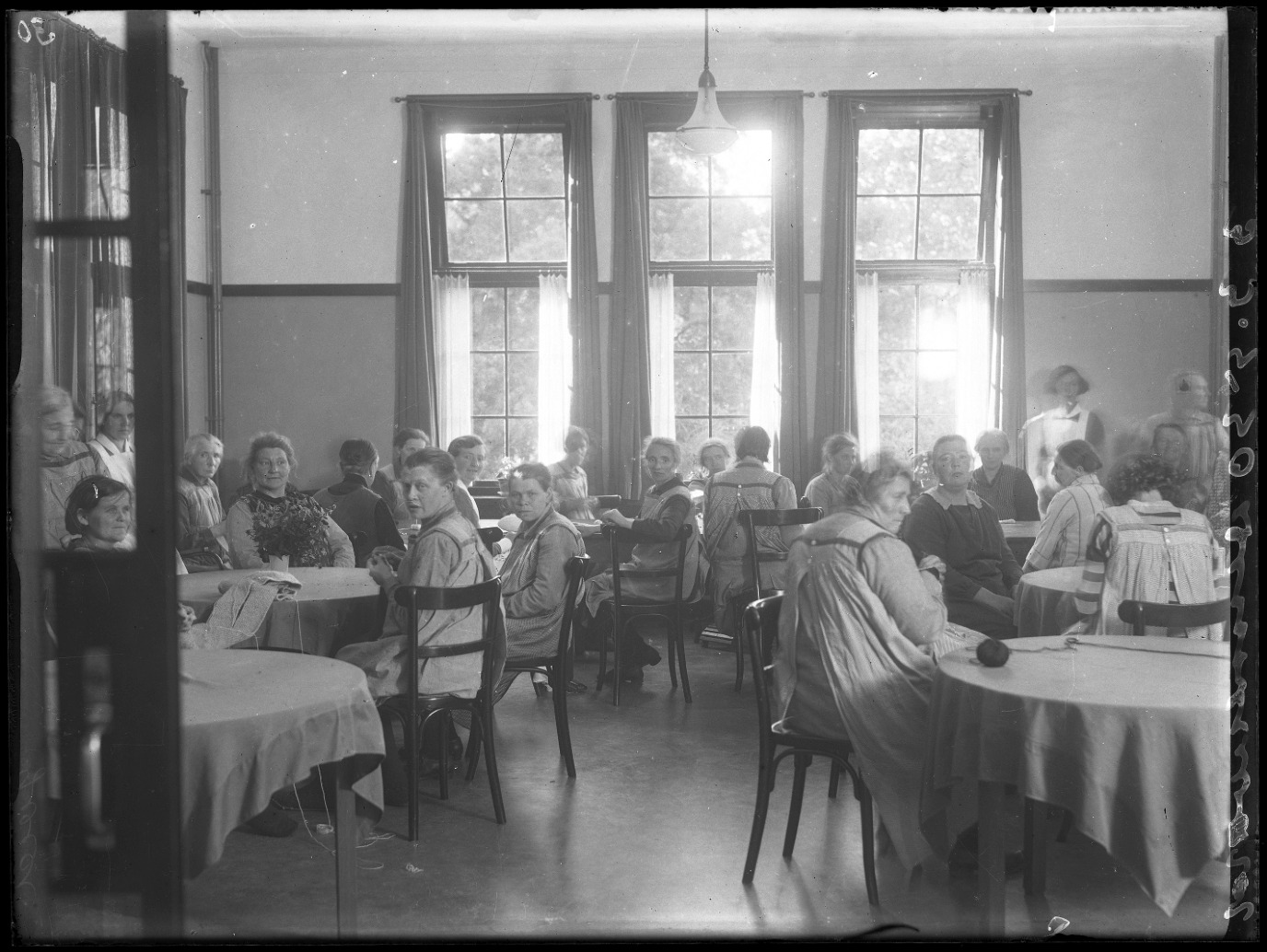
Between the late nineteenth century and the mid-twentieth century, many people in the Netherlands were admitted to psychiatric institutions. These admissions had far-reaching social consequences and highlighted social inequalities. New research aims to clarify the impact this had on the patients' subsequent lives and social status.
In the literature, psychiatric institutions are viewed as settings where medical interpretation, social order, and inequality converge. However, little is known about how admission to a psychiatric hospital has influenced life chances over time. Through new research, Hilde Bras aims to demonstrate how psychiatric classifications and institutional practices evolved over the years and how they profoundly affected patients' prospects regarding employment, family formation, and survival.

To this end, she and co-applicant Ralf Futselaar from the NIOD are researching data from psychiatric institutions in the Netherlands covering the period between 1885 and 1955. They are focusing particularly on how social inequalities—such as class and gender—shaped the selection process for psychiatric institutionalization. Additionally, the study examines the extent to which admission to a psychiatric hospital marked a turning point in the patients' subsequent life courses; this involves comparing the data with that of contemporaries who were not admitted to such an institution.
Influence on the subsequent life courses
Finally, research is being conducted into changing diagnostic terminology and classification systems in relation to patients' social positions and life courses. Diagnoses were not static categories but rather classification systems subject to change over time. It is therefore important to examine how these systems influenced the subsequent life courses of patients—for instance, regarding marriage and family formation, labor market participation and employment, migration, health, and mortality.
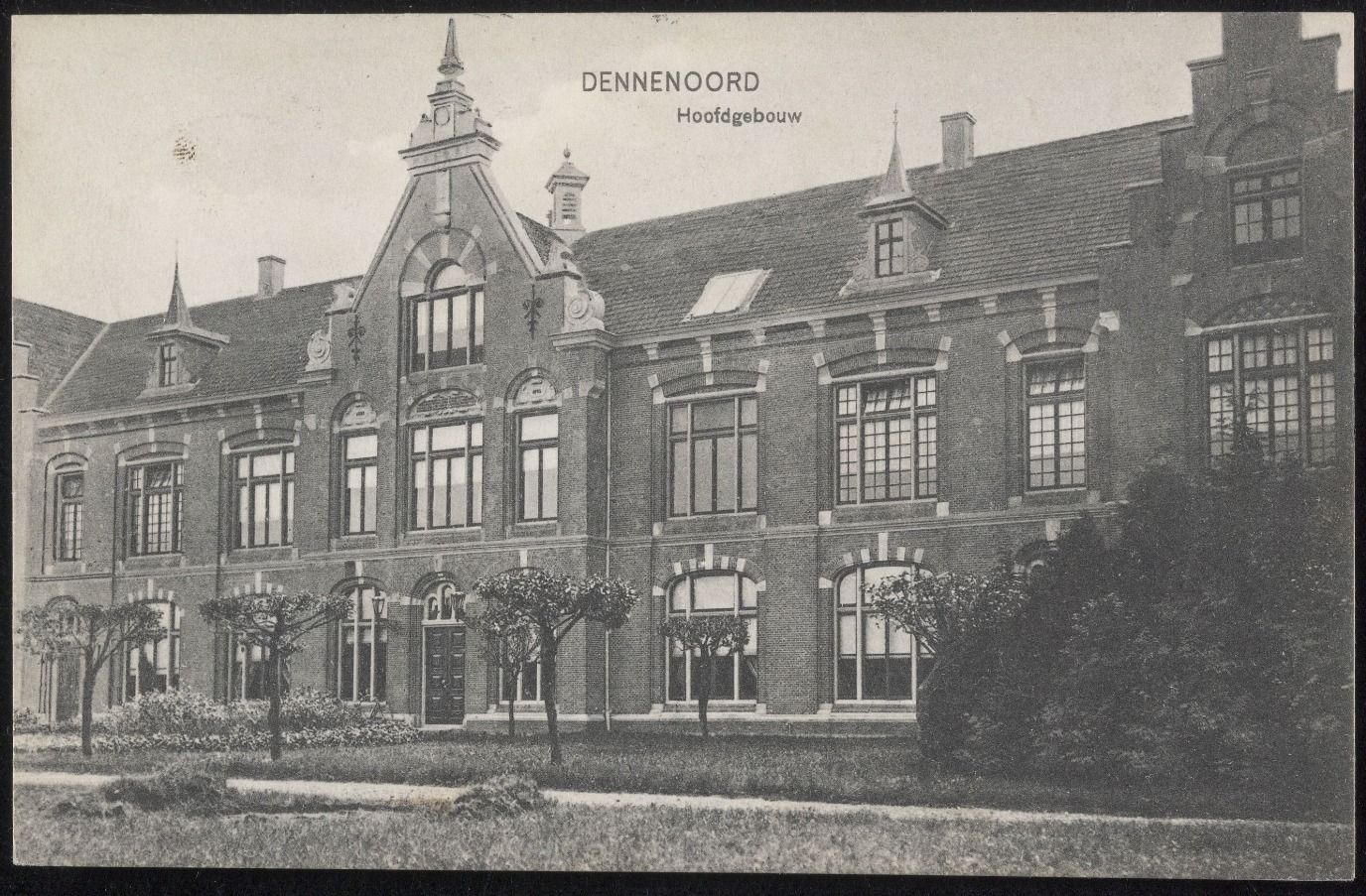
The impact of admission to a psychiatric hospital alone justifies further research. Bras: ‘Mental health is one of the major societal challenges of our time. Yet we know surprisingly little about how psychiatric institutions shaped people's lives in the past. By studying who entered psychiatric institutions, how diagnoses changed over time, and what institutionalisation meant for people's later lives, we gain a better understanding of the relationship between healthcare, social inequality, and exclusion.’
Social inequality and the role of institutions
Part of the project involves digitizing paper records. By combining large-scale digitized patient records from two psychiatric institutions with data on life events from civil and population registers, the project reconstructs individual trajectories before and after admission and compares admitted individuals with similar peers who were not admitted.
‘Many themes from my previous research come together in this project,’ says Bras. ‘Over the past twenty years, I have examined life courses, social inequality, and the role of institutions in shaping life chances. With this study, we look at the person behind the patient record. By placing their lives in their family and social context, we can better understand how institutions and social inequality shaped the course of people's lives. That combination of individ
Hilde Bras’s project “Lives Behind the Patient Record, 1885 to 1955: A Social History of Institutionalised People" received a grant of €800,000 from the NWO and has a duration of six years.
More news
-
22 October 2026
Seven UG and UMCG researchers awarded Vidi grant
-
14 October 2026
The Change: menopause is more than just a hormonal matter
-