


Zwarte Piet: Chocolate, Gifts & Controversy
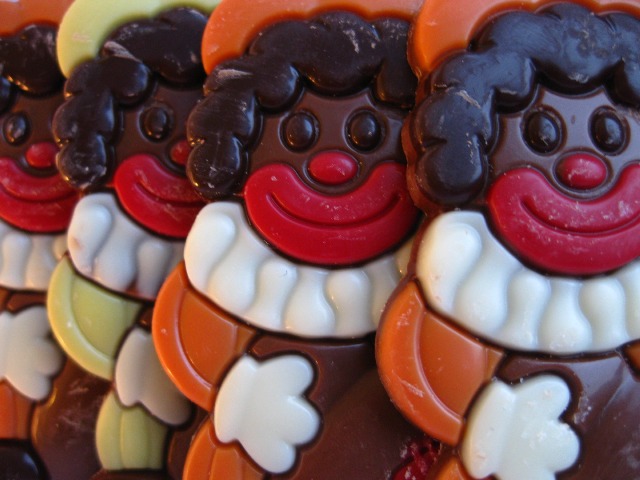
by Jolien van Breen, in collaboration with Maja Kutlaca, Aafke van Mourik Broekman, Julia Sasse, Felicity Turner, and Janine Weeting
For the last few years, Sinterklaas has not only brought gifts and chocolate, but also controversy: Is the character of Sinterklaas’ helper - Zwarte Piet - racist or not? And should we change the celebration? This issue has led to a heated debate between proponents of Zwarte Piet, who want to keep the celebration as it is, and opponents of Zwarte Piet, who think the celebration should change. The debate has become increasingly extreme, reaching a low point in October last year, when the famous Dutch singer Anouk received death threats for arguing for a change to the Sinterklaas celebration. Currently, several PhD students from the Social Psychology department are working together to investigate people’s perceptions of the Zwarte Piet debate, and people’s willingness to change the celebration.
"Changing the Sinterklaas celebration might be seen as a threat to national identity"
From a social-psychological perspective, there are several processes that might affect people’s views on this issue. Firstly, changing the Sinterklaas celebration might be seen as a threat to national identity. The celebration of Sinterklaas is valued not only as a celebration with gifts, but as a tradition with cultural value. It is something that is “uniquely Dutch” and forms part of Dutch national identity. When people perceive that a part of their identity is threatened, they may respond in emotional and even aggressive ways (Inzlicht & Kang, 2010). These identity concerns are also reflected in perceptions of victimhood. To most outsiders, it seems that black people are the victims in this situation, as they might feel discriminated by the stereotypical representation of Zwarte Piet. But in fact, from the discourse in the media, it is evident that many proponents of Zwarte Piet actually perceive their own group as a victim group, because they are asked to give up a highly valued cultural tradition. In addition to creating a threat to national identity, the debate suggests that those who defend Zwarte Piet might be racist, which is a threat to their moral identity because it portrays them as being prejudiced. More so than traditions and customs, morality goes to the heart of identity (Leach, Ellemers, & Barreto, 2007). Any threat to moral identity, therefore, is responded to more extremely. We believe that this is part of the explanation for why the debate surrounding Zwarte Piet has become so extreme. We expect that those who identify more strongly with a Dutch identity, and emphasise cultural value of the Sinterklaas celebration, will perceive themselves as victims and be less supportive of changes to the Sinterklaas celebration.
A second relevant factor in predicting opinions, is the opinion of others. Research on polarisation has shown that extreme opinions contribute directly to attitude change (Feldman, 2011), and that attitudes of moderate group members tend to shift over time towards the opinions of the more radical members (Wojcieszak, 2011). However, in the context of the Zwarte Piet debate the opposite seems to have happened: people have begun to be uncomfortable with extreme opinions, even when they are generally in line with their own view, probably because people fear these extreme opinions might contribute to conflict escalation. In this situation, people may begin to feel shame and guilt, as the opinions of their in-group members become more and more extreme (Johns, Schmader, & Lickel, 2005). This, in turn, might lead people with moderate opinions to become more open to changing the current celebration.
"People have begun to be uncomfortable with extreme opinions, even when they are generally in line with their own view"
Moreover, the influence of others’ opinions on one’s own view may depend on the group membership of the other person: Who is the person calling for change? Last year, online communities were outraged when it seemed the UN were getting involved in the debate. We believe this is linked to the so-called “inter-group sensitivity effect”, which suggests that people are more likely to accept criticism from other members of their own group, than from members of another group (Hornsey & Irmani, 2004). In the context of this study, we hypothesised that when the celebration is criticised by a Dutch person, people would be more willing to consider change than when the celebration is criticised by a non-Dutch person.
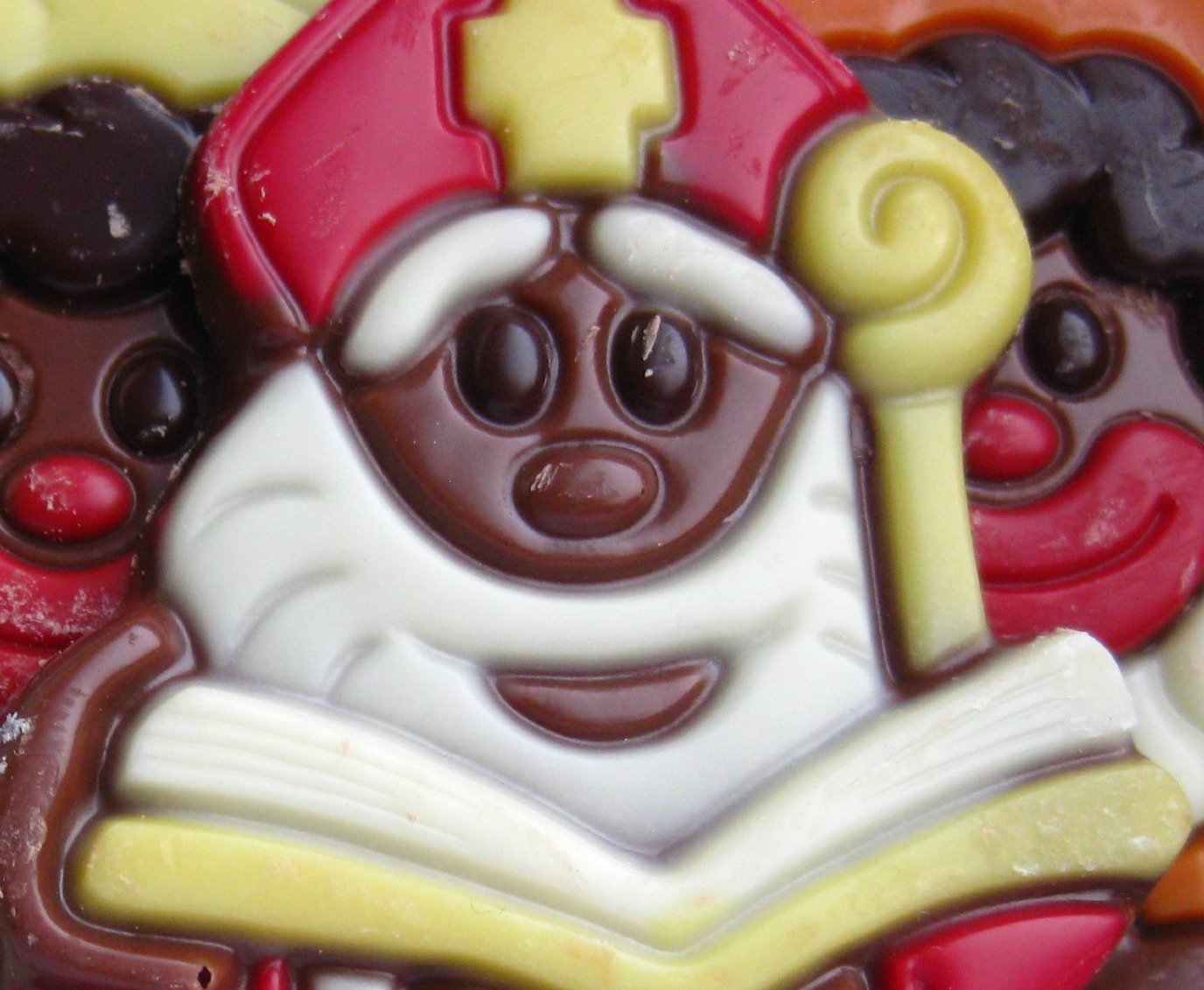
Though some changes to the Sinterklaas celebration have recently taken place, we can expect that, now that we have said our good-byes to Sinterklaas and he has returned to Spain, the discussion will remain. Next year, Sinterklaas will again bring along a heated debate. By combining insights on social identity, inter-group relations and polarisation, our research aims to shed light on the psychological processes that influence how such controversies develop. We hope that our research will improve our understanding of the development of such debates, and how we might reach consensus on sensitive social issues.
References
Feldman, L. (2011). The opinion factor: The effects of opinionated news on information processing and attitude change. Political Communication, 28(2), 163-181.
Hornsey, M. J., & Imani, A. (2004). Criticizing groups from the inside and the outside: An identity perspective on the inter-group sensitivity effect. Personality and Social Psychology Bulletin, 30(3), 365-383.
Inzlicht, M., & Kang, S. K. (2010). Stereotype threat spillover: how coping with threats to social identity affects aggression, eating, decision making, and attention. Journal of Personality and Social Psychology, 99(3), 467.
Johns, M., Schmader, T., & Lickel, B. (2005). Ashamed to be an American? The role of identification in predicting vicarious shame for anti-Arab prejudice after 9–11. Self and Identity, 4(4), 331-348.
Leach, C. W., Ellemers, N., & Barreto, M. (2007). Group virtue: the importance of morality (vs. competence and sociability) in the positive evaluation of in-groups. Journal of Personality and Social Psychology, 93(2), 234.
Wojcieszak, M. (2011). Deliberation and attitude polarization. Journal of Communication, 61(4), 596-617.
Note: Image by Toon Kuppens