



Reflections of an open science convert 2: Some challenges to maintaining open research practices
Date:17 April 2019Author:Ineke Wessel
Open Science practices should help solve the replication crisis, but they can be difficult to maintain. This post discusses some challenges to preregistering studies and committing to the PRO initiative that may be addressed by a change in the policies of academic journals.
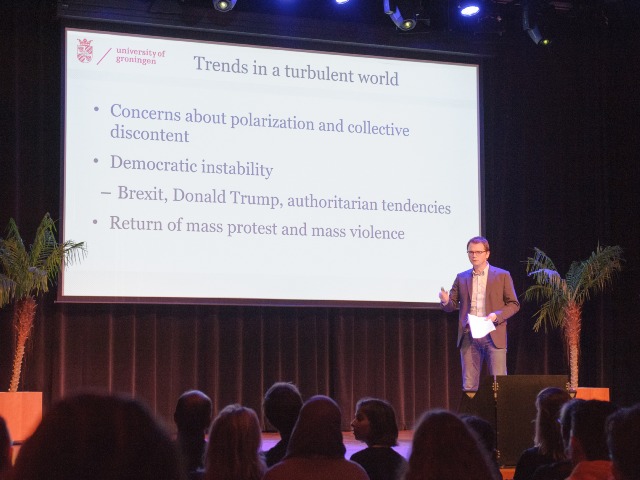
Collective discontent, polarization and protest
Date:10 April 2019Author:Tom Postmes
We live in turbulent times. Concerns about polarization and popular discontent are commonplace. So for many reasons, this seems a better time than ever to ask the question: what do we really know about such mass movements and societal sea-changes? Tom Postmes provides four key insights from his research over the last 7 years, which he conducted in close collaboration with various Dutch Ministries.

Reflections of an open science convert 1: Why I changed my research practices
Date:03 April 2019Author:Ineke Wessel
Engaging in what has been dubbed Questionable Research Practices has been the norm in psychological research for decades. In this post a researcher in Experimental Psychopathology, who was trained in the era before the replication crisis started, describes why and how she adopted new research practices.
Best of Mindwise 2018
Date:01 April 2019Author:Tassos Sarampalis
We are celebrating our fifth anniversary at Mindwise, this month! A lot has changed since we launched 5 years ago, all thanks to the people who contribute to this project, through their writing, creative input, or readership. We are grateful to everyone...

Mindwise Chills: Exam Edition
Date:28 March 2019Author:Maxi Bauerschmidt
For the first time in Mindwise history, we present to you: Mindwise Chills! When walking around Heymans, it becomes clear that much artistic talent and creative energy lurks amongst the otherwise overworked Psychology students. We want to give students a...

My boyfriend named Research
Date:27 March 2019Author:Kristina Erdelyi
You might think that whoever refers to their research as a relationship partner must have a twisted sense of romance or a strange method of conducting research. But let me explain...and let us start at the beginning: with my first date.

Knowledge is power: Can qualitative methods make psychology more democratic?
Date:20 March 2019Author:Ole Gmelin
Argues that psychologists hold power over the people they study, and asks whether qualitative methods could give participants, especially vulnerable or minority groups, more influence over research. Uses the history of homosexuality as a diagnosis as an example.
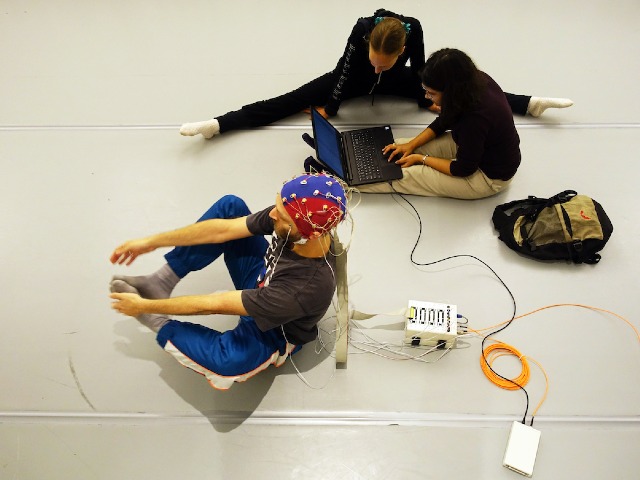
Notes on synchrony: when science and art collide
Date:14 March 2019Author:Valeria Cernei
A text inspired by Notes on Synchrony, a collaboration between dancers and neuroscientists shown at the Moving Futures festival in Groningen. It questions the perceived divide between art and science, tracing it to C.P. Snow's 'Two Cultures' lecture and noting what the two fields share.
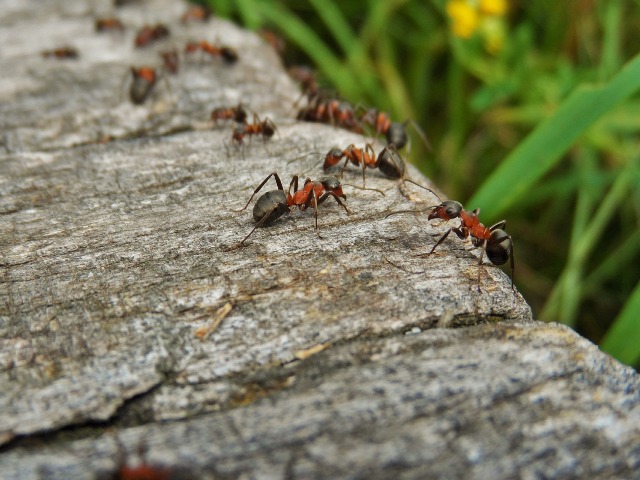
An ant trail to climate change reduction
Date:07 March 2019Author:Vladimir Bojarskich
To reduce the impacts of climate change, we need global cooperation. By using an analogy to ants, Research Master student Vladimir Bojarskich argues that individuals can influence people at large - and that, therefore, individuals can drive the collective to mitigate climate change.
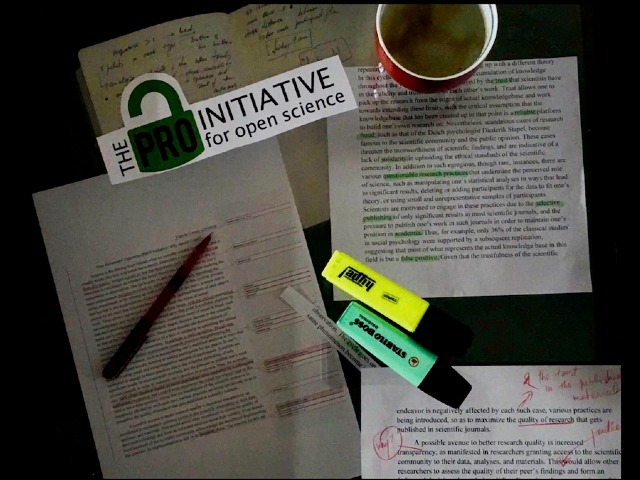
On the Peer Reviewers’ Openness Initiative: Why should I care?
Date:20 February 2019Author:Valeria Cernei
Explains why scientific trust matters and how questionable research practices and selective publishing undermine it, citing low replication rates in social psychology. Introduces the Peer Reviewers' Openness Initiative and its push for greater transparency in data, analyses and materials.