
Trees on your farm: protection against extreme weather and an extra source of income
Extreme weather events are becoming an increasingly serious concern for agriculture. Drought and heat can reduce yields and place additional pressure on livestock, while heavy rainfall, storms and flooding can damage crops and disrupt working processes. Farmers have always had to manage weather variability, but a changing climate can raise the unpredictability even further.
In the Netherlands, these challenges can be particularly complex. A farm may face drought and water shortages during a dry summer, followed by periods of intense rainfall and waterlogging. The risks also differ between regions and landscape conditions: sandy soils in Brabant can be more vulnerable to drought, while open agricultural landscapes such as those in Zeeland are more exposed to strong winds. In coastal areas, salinisation is another emerging concern.
This raises a practical question: can farms be designed not only to produce, but also to better withstand climate shocks.
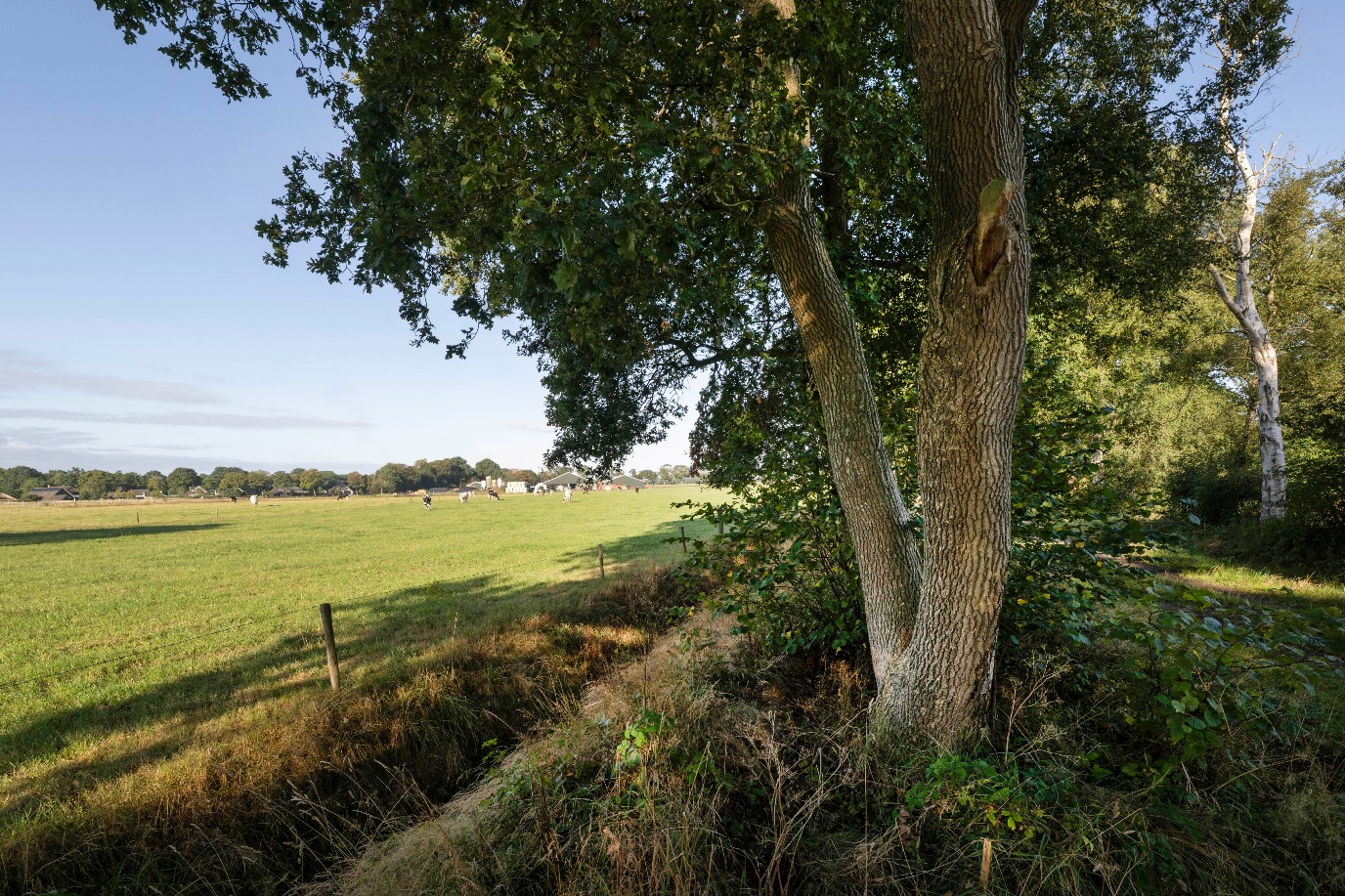
More than a windbreak
The integration of trees and shrubs into agricultural systems is one approach that can contribute to this resilience. Trees will not eliminate climate risks, and they are not suitable everywhere. However, when carefully designed and managed, they can provide several preventing functions to support agricultural production.
One of the most established functions of trees and hedgerows is wind protection. Strategically positioned shelterbelts can reduce wind speed across fields, helping to limit wind damage, crop transpiration and soil erosion. (A common rule of thumb is that a windbreak reduces wind speed over a distance of approximately 10 times its height on the downwind side). Trees can also offer protection and shelter for livestock as shade can provide animals with more comfortable conditions during hot weather. Water management is another important area where trees can play an important role, as perennial vegetation root systems can influence how water moves through a landscape, helping water infiltrate the soil and reduce surface runoff.
Beyond these physical functions, hedgerows, tree rows and field margins can provide a diversified diet for cattle, habitats for beneficial insects and other wildlife, and increase the farm production diversification, therefore performing several functions simultaneously.
What does this mean in practice?
The potential benefits of combining trees and shrubs in agriculture are increasingly recognised, but putting the concept into practice is not always straightforward.
Dutch farms operate across very different landscapes, this means that there is no single design that will work everywhere. A tree row can help protect crops from strong winds on an arable farm, while on a dairy farm, a few well placed trees may be more useful for providing shade for grazing cattle. Trees location and design need to fit the character of the area.
Not only the landscape is intricate, but also the regulatory and land-use framework Dutch farmers operate within. Planting trees on agricultural land can raise questions about land registration, landscape protection, future land use and consequently potential changes in land value. For example, under the Common Agricultural Policy (GLB), the number and arrangement of trees can affect how a parcel must be registered and whether it remains eligible for specific agricultural payments.
Additionally, the practical design of a system also matters. Tree rows need to fit with machinery, field operations and logistics. A poorly positioned tree row can become a significant operational obstacle. There are also additional challenges about harvesting, processing and market access for any additional products generated by the system. If taken, this decision therefore requires more than a planting plan: it requires consideration of the overall farm business case.
By combining trees with crops or livestock land-use efficiency can be increased.
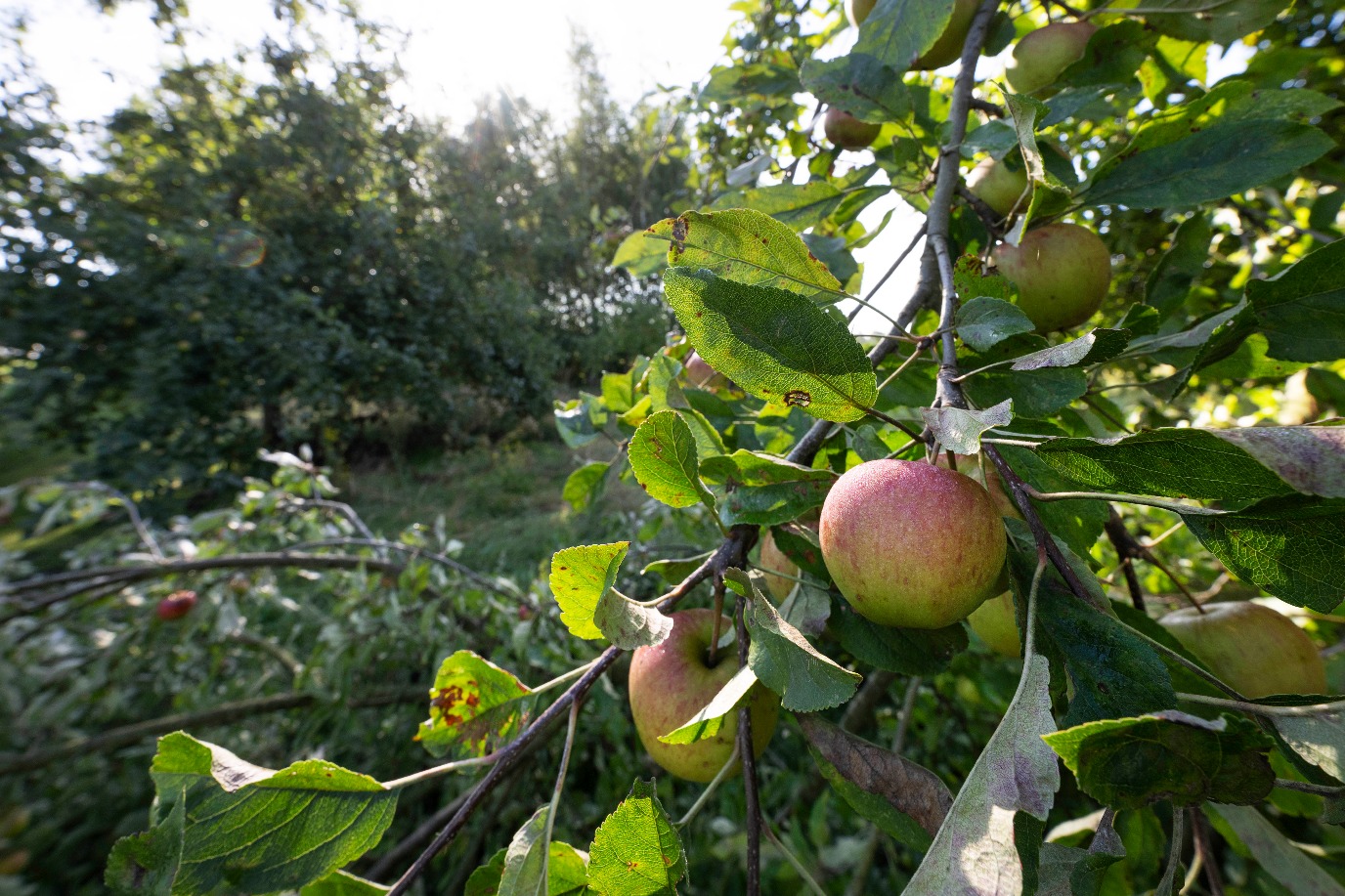
To overcome these uncertainties, there is growing interest in developing scalable business models in which trees and shrubs contribute not only to resilience and environmental benefits, but also to farm income. One example is the growing interest in nut trees as part of productive agroforestry systems, as farmers look for ways to diversify their income. However, the possibilities go beyond nut-producing trees. Depending on the farm and its objectives, agroforestry can offer different economic opportunities. By combining trees with crops or livestock, it can increase land-use efficiency, a benefit that can be assessed using the Land Equivalent Ratio (LER), which compares the productivity of combined and separate production systems.
Examples of potential benefits include additional income from timber or biomass and lower feed costs through the use of tree fodder for livestock.
Beyond production, farmers can diversify their businesses in several ways. For example, they may develop on-farm processing activities such as process tree products into firewood or wood chips, sell fruit, nuts or other farm products directly to local consumers, or establish partnerships with local food businesses, biomass suppliers or other farmers to develop new markets and share resources.
Looking ahead
As climate unpredictability becomes increasingly part of everyday farm management, integrating trees into agricultural systems might provide a strategy for mitigating climate risks while creating additional and diversified income opportunities for farmers.
A tree row can potentially be a windbreak, a source of shade, a habitat, a fodder resource and a future product stream at the same time.
The challenge for the next generation of agricultural landscapes may be to design farms where trees, crops, livestock and landscape features work together rather than simply compete for space.
Integrating trees should not be seen as a ‘one-size-fits-all solution’. Instead, the focus should be on identifying where trees can provide the greatest benefits for each farm, and how these benefits can be combined with a dynamic business model. With the right design, approaches such as agroforestry can become a practical tool for helping Dutch farms prepare for future weather extremes while strengthening their long-term resilience.
At CDLT, we recognise that farmers need answers to practical questions before making this decision: which trees fit their farm, what benefits can they expect, what regulations apply, and will the system remain economically viable in the long term? Addressing these questions is essential to turning the potential of trees into workable solutions for farmers.
This article was written by Yuri Gelao, practice researcher at CDLT and specialist in agroforestry-chains.