
Quality perception as the key to a sustainable food system
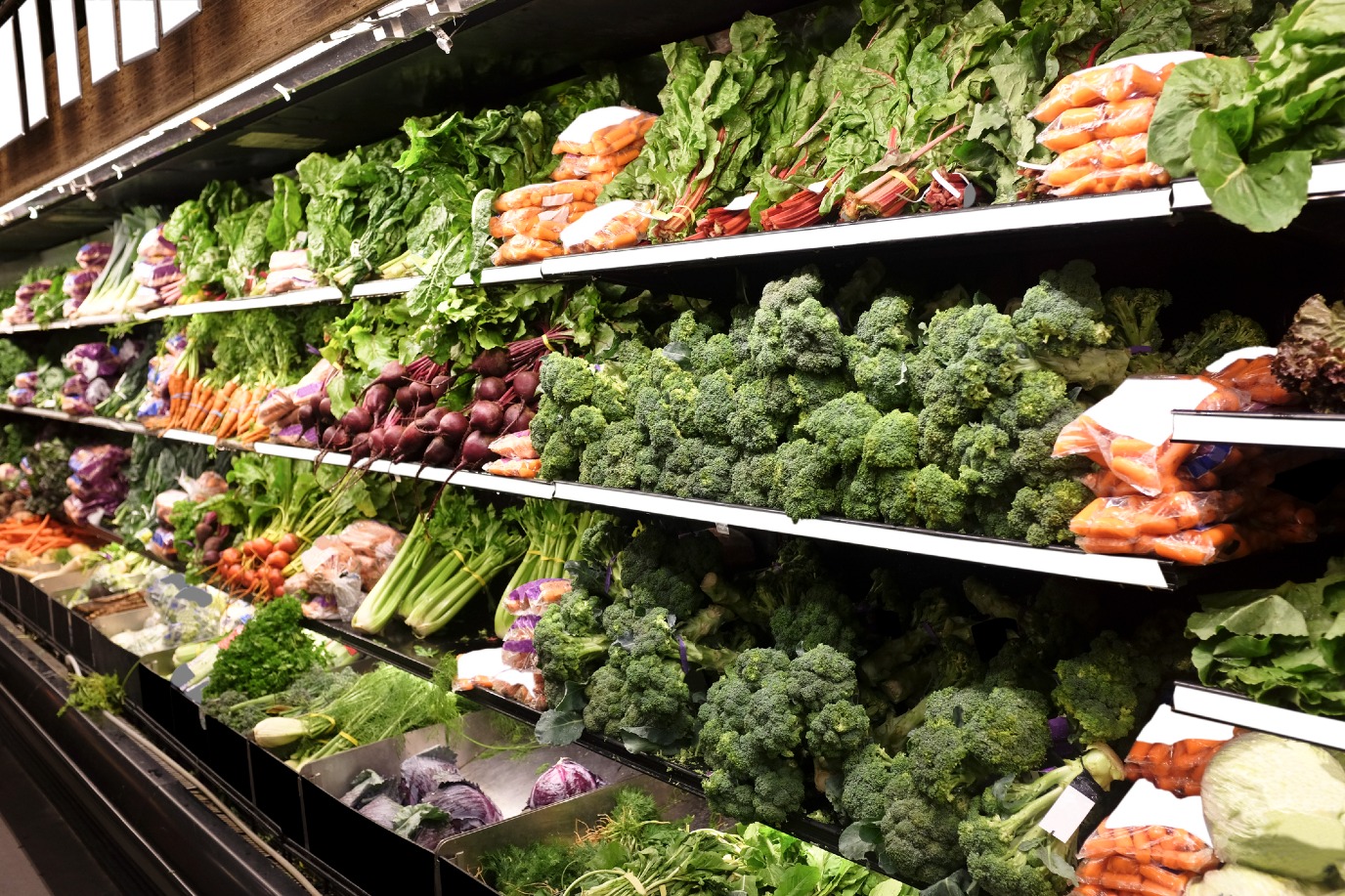
Food consumption plays a central role in our daily lives. Every day we need nutrients and make choices about what we eat. Making choices is a process influenced by multiple factors, both conscious and unconscious. Factors that can play a role when purchasing products include price, quality, health, sustainability, convenience, or previous experiences. When buying products, but also in broader issues surrounding food production and the food transition, people often talk about “quality” or “value for money”. But what is quality, actually, and how does the assessment of quality work?
Why is quality important?
Quality plays a role for everyone in the food production chain, but each link views it differently and finds different aspects important. A defining characteristic of agricultural and food products is that they are living systems subject to seasonal influences. The products usually have a limited shelf life and high variability. Just try finding two exactly identical apples in the supermarket: they all differ in size, shape, colour, and ripeness. This natural variation makes it challenging to guarantee consistent quality. Even so, the expectation is often that there is a constant supply in the supermarket and that you can buy an apple of “good” quality (in ripeness, size, shape, etc.).
Quality is important because it determines how a product is experienced and used. That is where it gets interesting: the experience with a product influences the next purchase. Delivering quality is therefore essential. Part of a product’s quality is set by rules, such as food safety, one aspect of food quality. At the European level there is legislation and regulation, and standards have also been developed to guarantee food safety and to prevent food scandals and foodborne infections. Consumers often experience food safety as a basic precondition for quality.
Expectation versus experience: two moments of judgement
The generally accepted definition of quality is described as: “meeting, or even exceeding, the expectations of customers and consumers” (Luning & Marcelis, 2020). Quality is not something a food product possesses; rather, a product has characteristics that are perceived and judged as quality. The assessment of quality is influenced by the quality expectations at the time of purchase and the quality perception at the time the product is consumed (Steenkamp & Van Trijp, 1996).
According to the model of Steenkamp and Van Trijp (1996), quality is thus assessed at two moments, and these moments influence each other. At the time of purchase, the consumer forms an expectation about the quality of the product. This quality expectation is based on intrinsic and extrinsic quality attributes. Intrinsic attributes are part of the product and directly related to it, such as colour, nutritional value, texture, and smell. Extrinsic attributes are related to the product but do not need to have a direct relationship with it. They are not part of the product itself, such as the price or the brand name. Both intrinsic and extrinsic quality attributes result from various product properties and can be perceived through the senses and through communication. Both influence the acceptance and perception of the product’s quality.
At the time of consumption, the consumer forms a judgement about the actual experienced quality of the product: the quality perception. This is based on characteristics that cannot be observed in advance. The product must first be consumed before you know what it tastes like, for example. If the experience meets your expectations, then the quality is as expected.
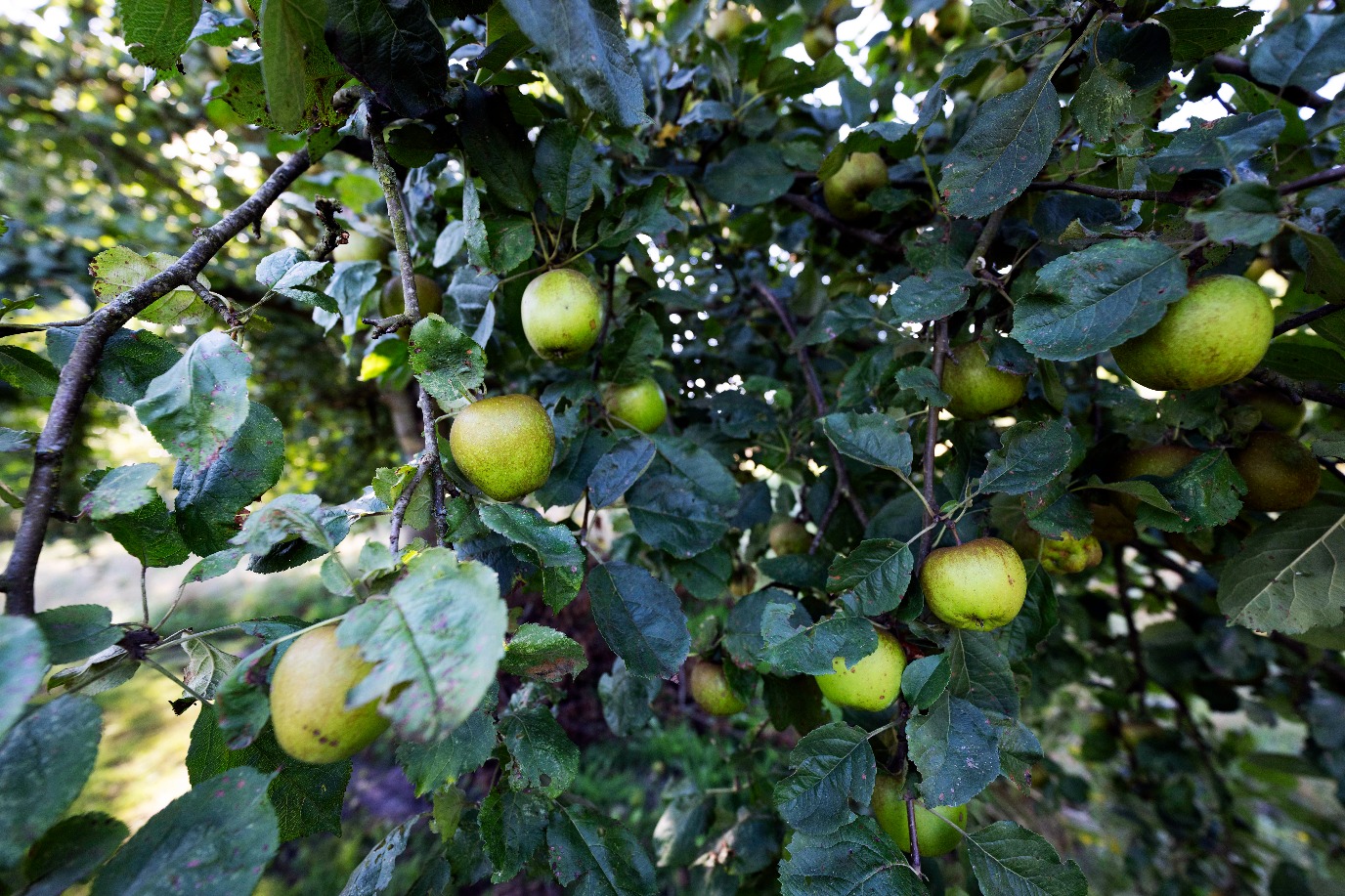
The assessment of a product’s quality therefore takes place at two moments: when the product is purchased and when it is consumed. These two moments also influence each other. Suppose you want to buy an apple in the supermarket. There are different varieties with characteristic properties (such as sugar content, juiciness, firmness, and colour). When purchasing the apple, you have an expectation of it based on the information you have (or receive in the store) and on previous experiences (you have had Elstar apples before and like them). You decide to buy the apple and take a bite. The quality perception now depends on the characteristics that could not be observed beforehand, such as taste and texture. The quality perception can be disappointing if the apple turns out to be mealy and you had expected it to be juicy and firm. The quality perception then does not meet the quality expectation you had beforehand. Conversely, expectations can also be exceeded. The quality perception influences the next purchase.
The importance of quality for sustainable agriculture
In the food production chain, all parties have a different perception of quality (Luning & Marcelis, 2020). The needs and expectations for a product are not the same for everyone, so quality perception can also be interpreted or experienced differently. In the supermarket you mainly find the “prettiest” pears. The “misfits”, the pears with an irregular shape, are sold separately and valued differently. Even though the pears differ only in shape, the quality expectation and the willingness to pay can differ. For a sustainable agricultural system, it is necessary that agricultural products that do not meet the current ideal image also end up on the shelves. This calls for awareness of quality perception among all actors in the food system and insight into how choices are made.
In short, quality means meeting expectations, or even exceeding them. Both the expectations at the time of purchase and the quality experienced during consumption play a role. Quality is therefore not a fixed property of a product, but the result of expectations at purchase and experiences at consumption. This applies to every link in the chain, from farmer to consumer, and each judges it from their own role and needs. The Centre for Sustainable Agriculture Transition (CDLT) works on the transition towards more sustainable agriculture, in which all actors have their own perception of quality and thereby have an impact on the food system. Whether sustainably produced food finds and keeps its place on the shelf depends in part on what people expect and experience as quality. Insight into this quality perception helps to view the transition in the context of the entire chain.
This article was written by Hillie van der Bij, project leader and researcher at CDLT with a background in Food Quality Management.
Sources
Luning, P.A., & Marcelis, W.J. (2020). Food quality management – Technological and managerial principles and practices. Wageningen, Netherlands: Wageningen Academic Publishers.
Steenkamp, J.E.M., & Van Trijp, H.C.M. (1996). Quality guidance: A consumer-based approach to food quality improvement using partial least squares. European Review of Agricultural Economics, 23(2), 195–215. https://doi.org/10.1093/erae/23.2.195