
Celebrating International Women’s Day: Standing for All Women, Everywhere
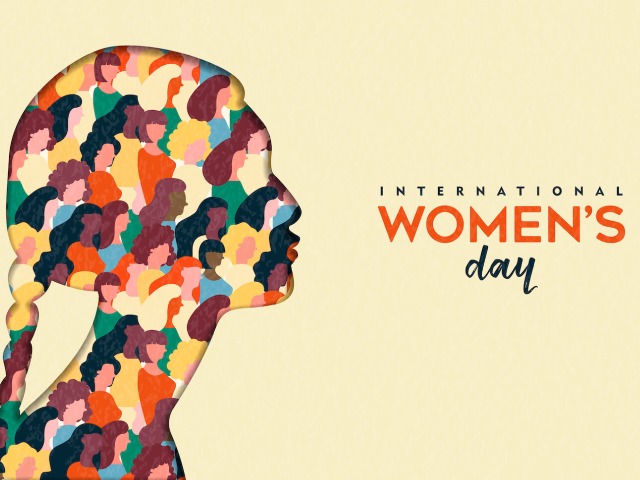
Every year on March 8, the world marks International Women's Day: a day to celebrate the achievements of women and to recommit ourselves to the ongoing struggle for equality. It is a day of pride, gratitude, and solidarity. But it is also a day of honesty. Because while we celebrate progress, we must also confront the reality that too many women (cisgender and transgender alike) continue to live in fear, in silence, and in shame.
Here in the Netherlands, we often see ourselves as progressive, and in many ways we are. Dutch women have played leading roles in politics, science, business, sports, and the arts. Girls grow up believing they can become prime ministers, engineers, athletes, or CEOs. Legal frameworks exist to promote equality. Public debate about gender and inclusion is vibrant.
And yet, we still have work to do.
Violence against women remains a serious issue in the Netherlands. Domestic violence, sexual harassment, and online abuse affect thousands each year. Street harassment continues to limit women’s freedom of movement. The gender pay gap persists. Women, particularly women of color, migrant women, disabled women, and LGBTQ+ women, face intersecting forms of discrimination that compound inequality. Safety is not evenly distributed, and opportunity is not equally accessible.
International Women’s Day asks us not only to celebrate women who thrive, but to stand with women who struggle.
Across the globe, millions of women continue to live in conditions that deny their autonomy and dignity. In some countries, girls are still barred from education. In others, women cannot travel freely, access healthcare independently, or participate fully in public life. Conflict zones disproportionately endanger women and girls, exposing them to displacement, trafficking, and sexual violence. In far too many places, survivors of abuse are silenced by stigma, blamed by their communities, or ignored by authorities.
Living in fear should not be a defining feature of womanhood. Yet for many, it is.
As we reflect on these realities, it is essential that our understanding of “women” is inclusive. Transgender women are women. Their experiences, voices, and rights are integral to any meaningful celebration of International Women’s Day.
Around the world, transgender women face staggering levels of violence and discrimination. In many countries, their legal recognition is being restricted or revoked. Access to gender-affirming healthcare is being curtailed. Public rhetoric increasingly targets their identities and existence. This climate of hostility fuels discrimination in housing, employment, healthcare, and public spaces.
Most alarmingly, transgender women are at significantly elevated risk of sexual and gender-based violence. They are disproportionately targeted for assault and homicide, particularly transgender women of color. Many experience harassment not only from individuals but also from institutions meant to protect them. Reporting violence can expose them to further mistreatment or disbelief. Silence becomes a survival strategy.
When we speak about women living in fear, in silence, and in shame, transgender women must be included in that sentence.
In the Netherlands, transgender rights have seen important advances, yet challenges remain. Long waiting lists for gender-affirming healthcare create profound stress and vulnerability. Social acceptance, while growing, is not universal. Transgender women still encounter harassment in public spaces and discrimination in employment. Progress is real, but it is fragile, and it requires vigilance.
International Women’s Day is not about creating divisions within womanhood. It is about recognizing that the struggle for gender equality has always been diverse and intersectional. The women’s rights movement has been shaped by activists from different racial backgrounds, economic classes, sexual orientations, and gender identities. True solidarity means refusing to leave anyone behind.
Celebration and critique can coexist. We can celebrate the Dutch women breaking glass ceilings while also demanding better protections for women facing domestic violence. We can applaud women leaders worldwide while also advocating for girls denied education. We can honor feminist pioneers of the past while standing shoulder to shoulder with transgender women fighting for recognition and safety today.
Solidarity is not abstract. It shows up in policy decisions, in funding priorities, in classroom discussions, and in everyday conversations. It means supporting shelters and organizations that serve all women, including transgender women. It means challenging discriminatory remarks when we hear them. It means listening to those whose experiences differ from our own.
It also means acknowledging that gender-based violence is not inevitable. It is the result of unequal power structures, harmful norms, and political choices. What has been constructed can be dismantled. Laws can change. Cultures can evolve. Systems can be reimagined.
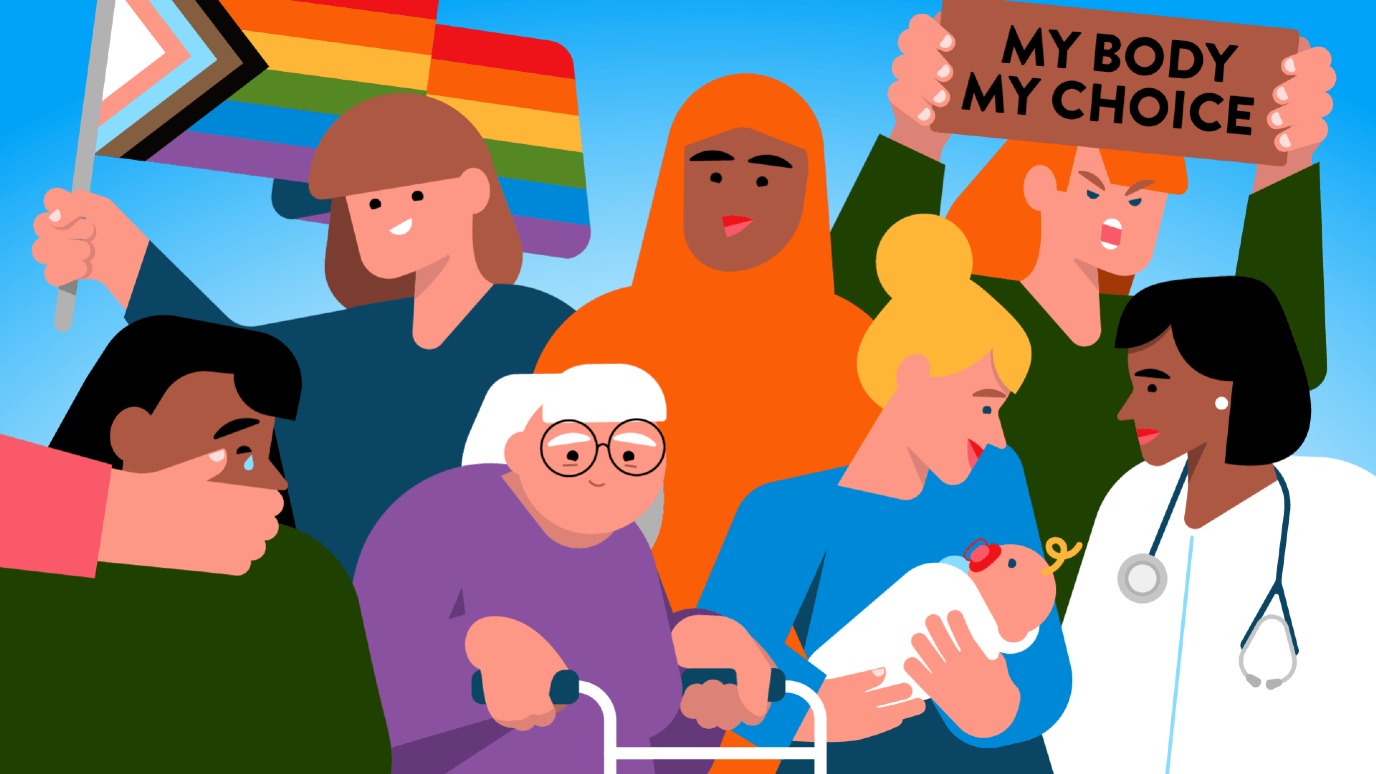
International Women’s Day invites us to imagine a world where no woman has to calculate her safety before walking home. A world where survivors are met with compassion and justice. A world where healthcare is accessible, where workplaces are equitable, and where identities are respected rather than policed.
For many women around the world, that vision feels distant. But distance is not destiny. Change has always come from collective action, persistent advocacy, and courageous truth-telling.
So on this International Women’s Day, let us celebrate the brilliance, resilience, and leadership of women everywhere. Let us honor those who have fought before us. Let us amplify the voices of those still fighting.
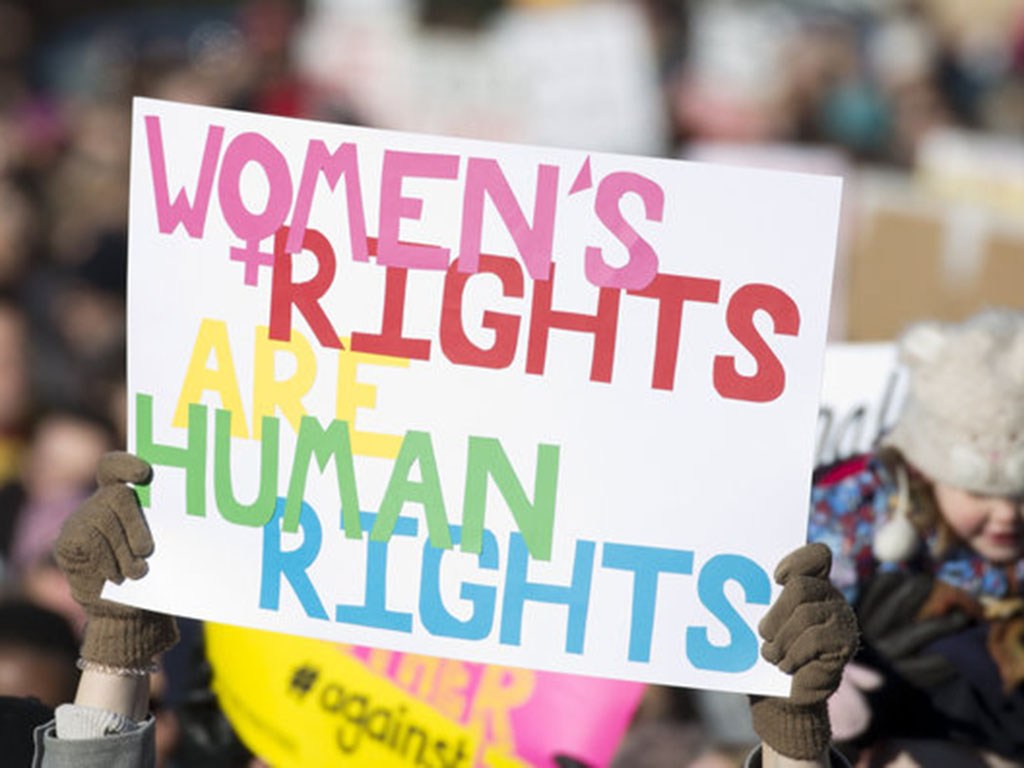
And let us be clear: women’s rights are human rights. All women. Without exception.
About the author
The Diversity, Equity and Inclusion (DEI) Committee of Campus Fryslân aims to promote social safety among the CF community, improve awareness of existing mechanisms, and develop new (policy) initiatives.