
Local Veggies, Global Recipes
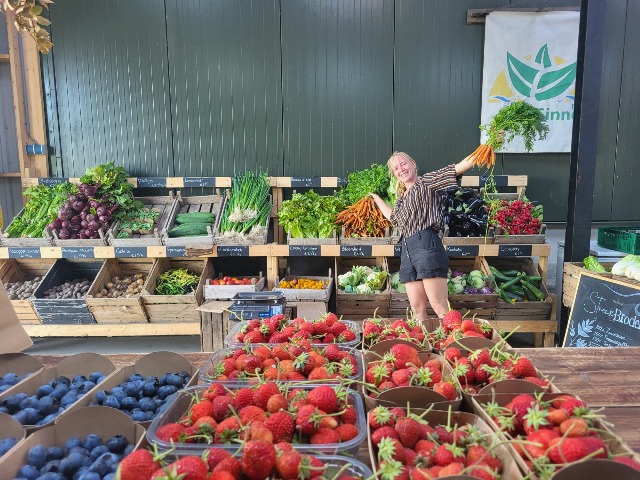
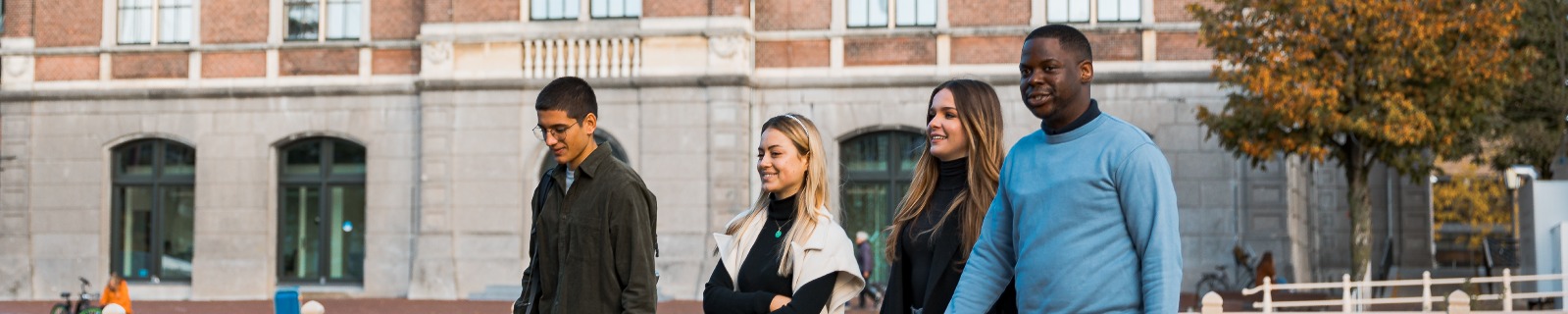
Between Grou and Jirnsum, a small farm is rethinking what food systems can look like. The vegetables grown there do not travel far. In fact, some of them end up just a short drive away, at Campus Fryslân, where students and staff pick them up each week as part of the campus veggie initiative.
The farm behind this initiative is Yn’e Sinne Farm, a community-supported agriculture (CSA) farm built around the idea that food should reconnect people to the land it grows from.
For many participants on campus, the weekly vegetables are an invitation to cook differently, eat seasonally, and think about sustainability in a practical, everyday way. Today, I talked to Kim, who is part of the team behind this initiative, and here is what she had to say:
A farm built on action
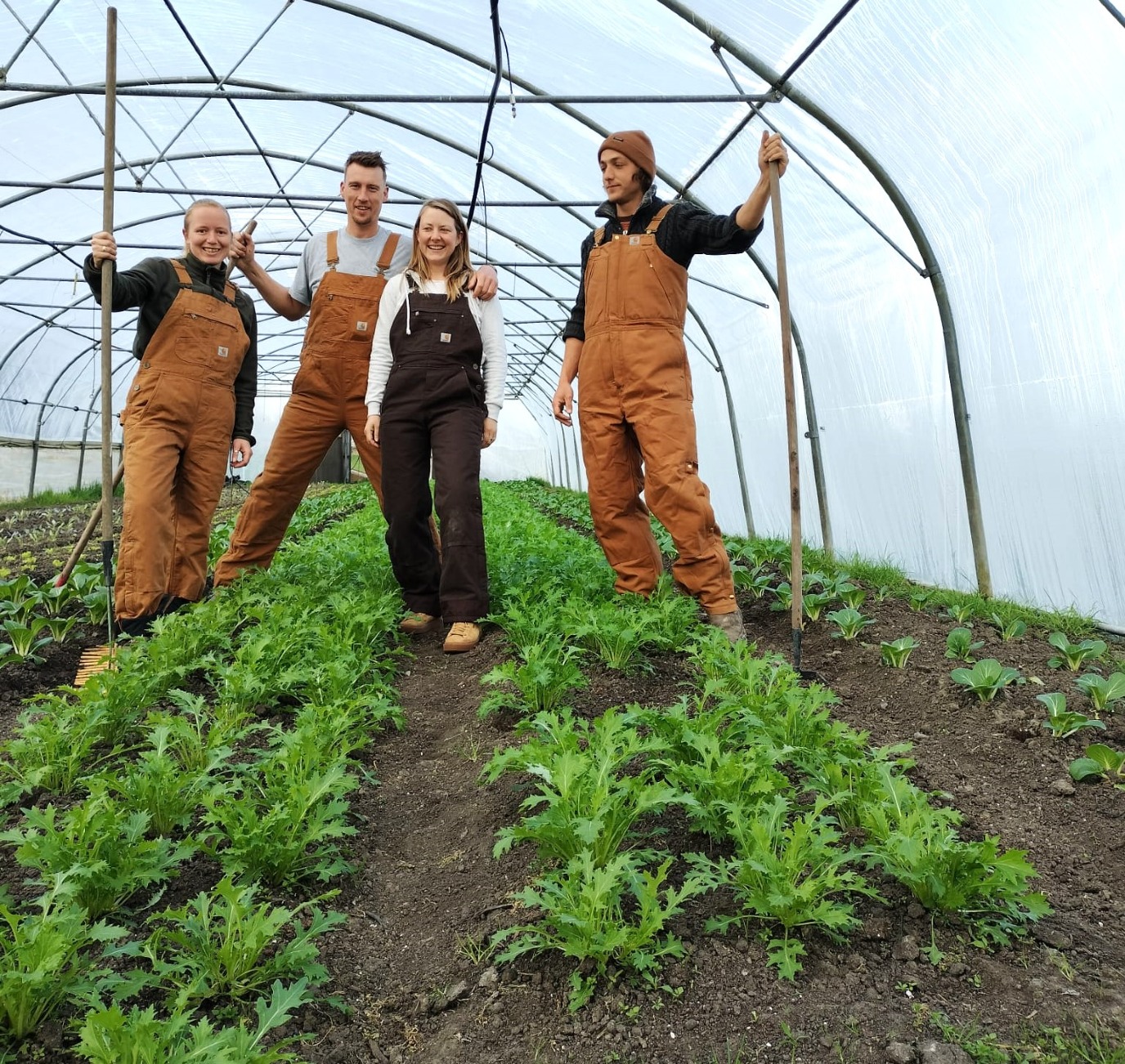
The story of the farm began in 2017, when Joël, the founder of Yn’e Sinne Farm, decided that conversations about sustainability were not enough.
“He was tired of hearing people talk about sustainability. He wanted to do something concrete. Food had become anonymous and disconnected from place, and he wanted to grow real, seasonal food in healthy soil.”
The name of the farm itself carries a piece of that story.
“Yn’e Sinne is Frisian and means 'in the sun'. It refers to the place where the farm started: a sheltered spot at a campsite with a restaurant by the water. ‘In the Sun’ completed the story of that place: water, shelter, sun.”
From the beginning, the farm’s goal has been to build a system that nourishes both people and soil. Their work is guided by a set of clear principles: healthy soil first, seasonal food, strong community connections, transparency about how food is grown, and long-term thinking that keeps future generations in mind.
Farming as a relationship
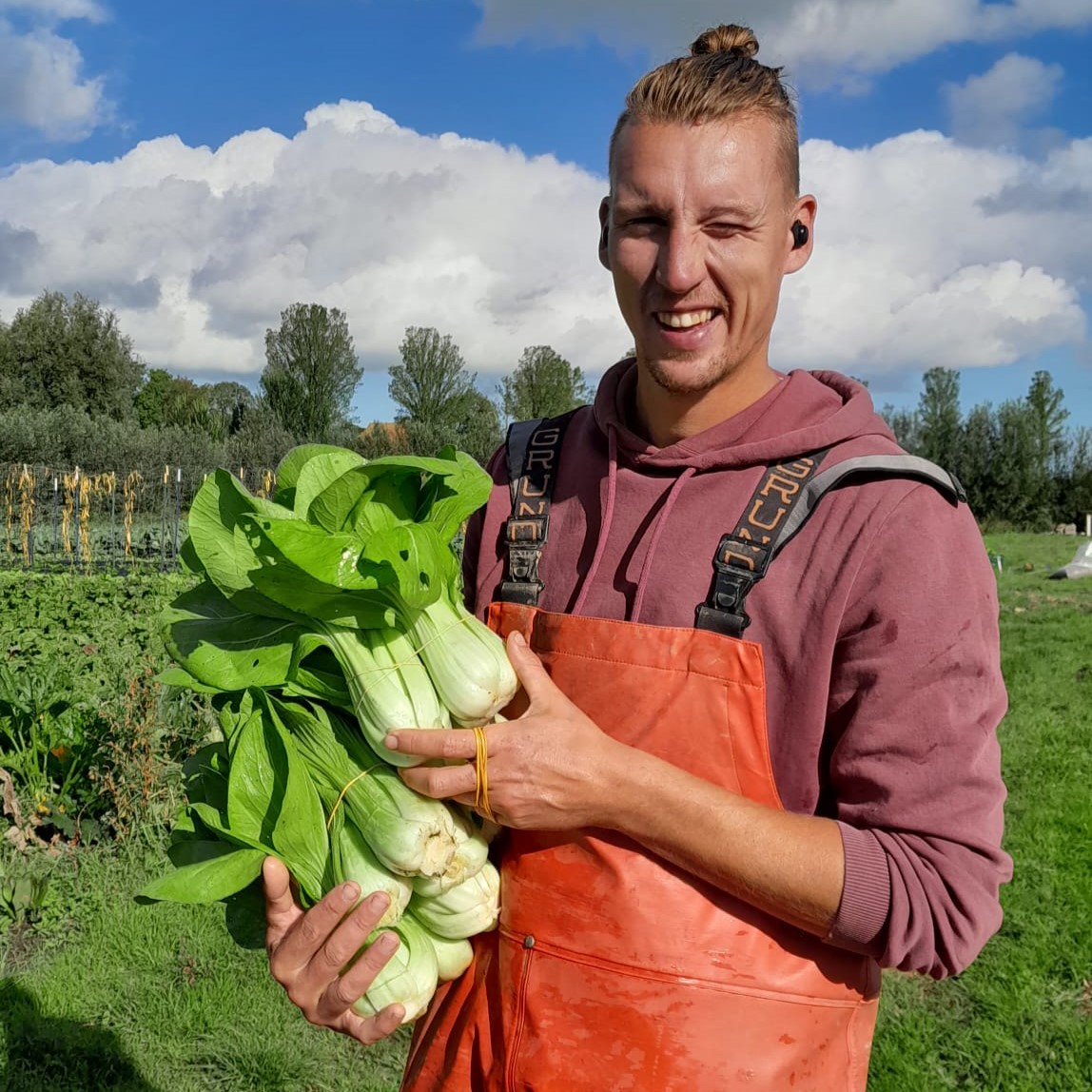
Yn’e Sinne Farm operates through a community-supported agriculture model, meaning members buy a share of the harvest rather than purchasing individual products. Instead of receiving a pre-packed box, participants choose their vegetables from what has been freshly harvested and washed. The system works on trust.
“We grow the food and members enjoy the harvest. That balance creates freedom and connection.”
In many ways, that philosophy mirrors the community-oriented spirit of Campus Fryslân, where interdisciplinary learning and responsibility towards society are core ideas. The veggie initiative translates those values into something tangible: a food system where producers and consumers know each other, and where sustainability is part of daily life rather than a distant concept.
Eating with the seasons
One of the first things participants notice when picking up their vegetables is that the selection changes throughout the year. That rhythm is intentional.
“We grow what fits our soil, climate, and philosophy. Crop planning follows seasonal rhythms, diversity, and taste.”
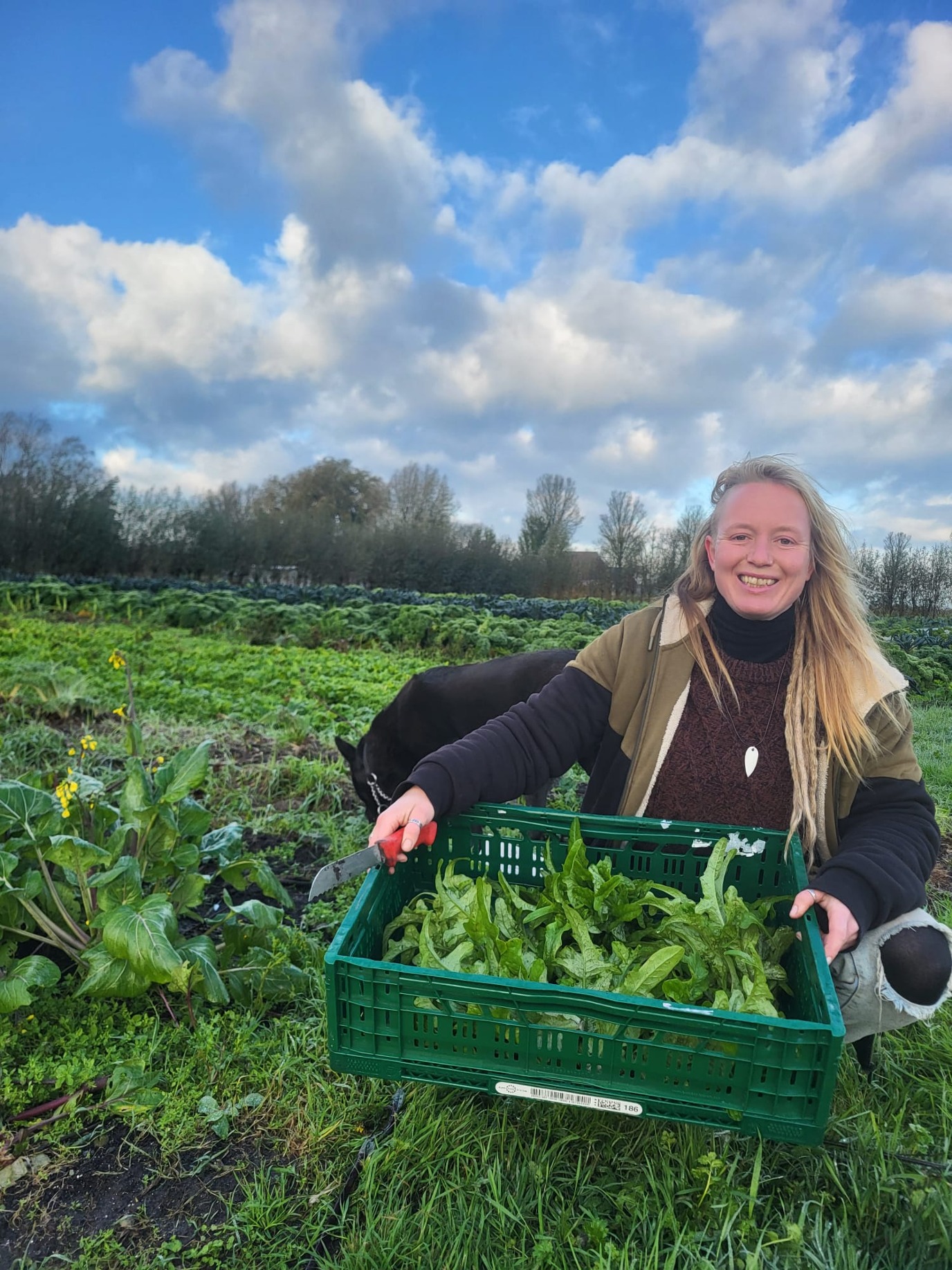
A winter harvest, for example, might include kale, leeks, celeriac, beets, different cabbages, Brussels sprouts, winter postelein, or miner’s lettuce. Each season brings its own colours and flavours, reflecting what the soil can naturally provide at that moment. For people used to supermarkets offering the same produce year-round, this approach can be an adjustment. Yet the farm sees that shift as an opportunity.
“Many people think seasonal eating is limiting or boring. In reality, it invites creativity and a deeper connection with food.”
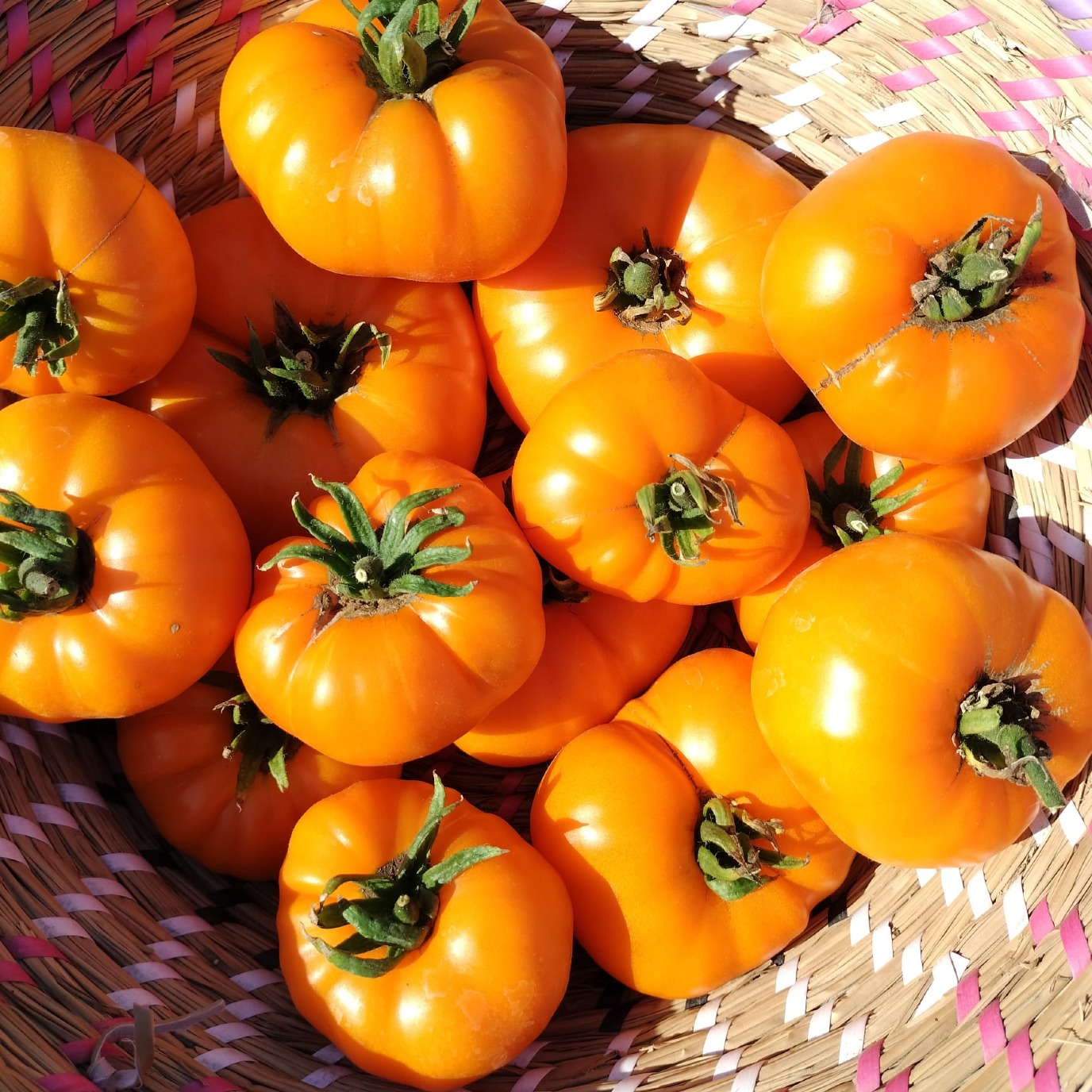
Late summer harvests tend to overflow with tomatoes, cucumbers, beans, and herbs, while winter boxes often introduce vegetables that feel unfamiliar at first (roots, hardy greens, and storage crops that challenge cooks to experiment). “And that’s exactly what makes them rewarding,” they explain. “Winter invites creativity in the kitchen.”
Local food in a changing climate
Local food systems are often discussed in the context of climate change, but for the farmers at Yn’e Sinne, sustainability is not a slogan.
“Sustainability is not a marketing word for us. It means investing in soil health, growing diverse crops instead of monocultures, working with the seasons, and keeping food chains short.”
Short supply chains mean vegetables travel only a short distance from field to plate, reducing transport, packaging, and storage energy. But the impact goes beyond environmental benefits.
“When you eat locally and seasonally, you eat food that has grown in the soil you are standing on, in the season you are living in. That soil, that climate, that moment, shape the nutrients available to you.”
From the field to Campus Fryslân
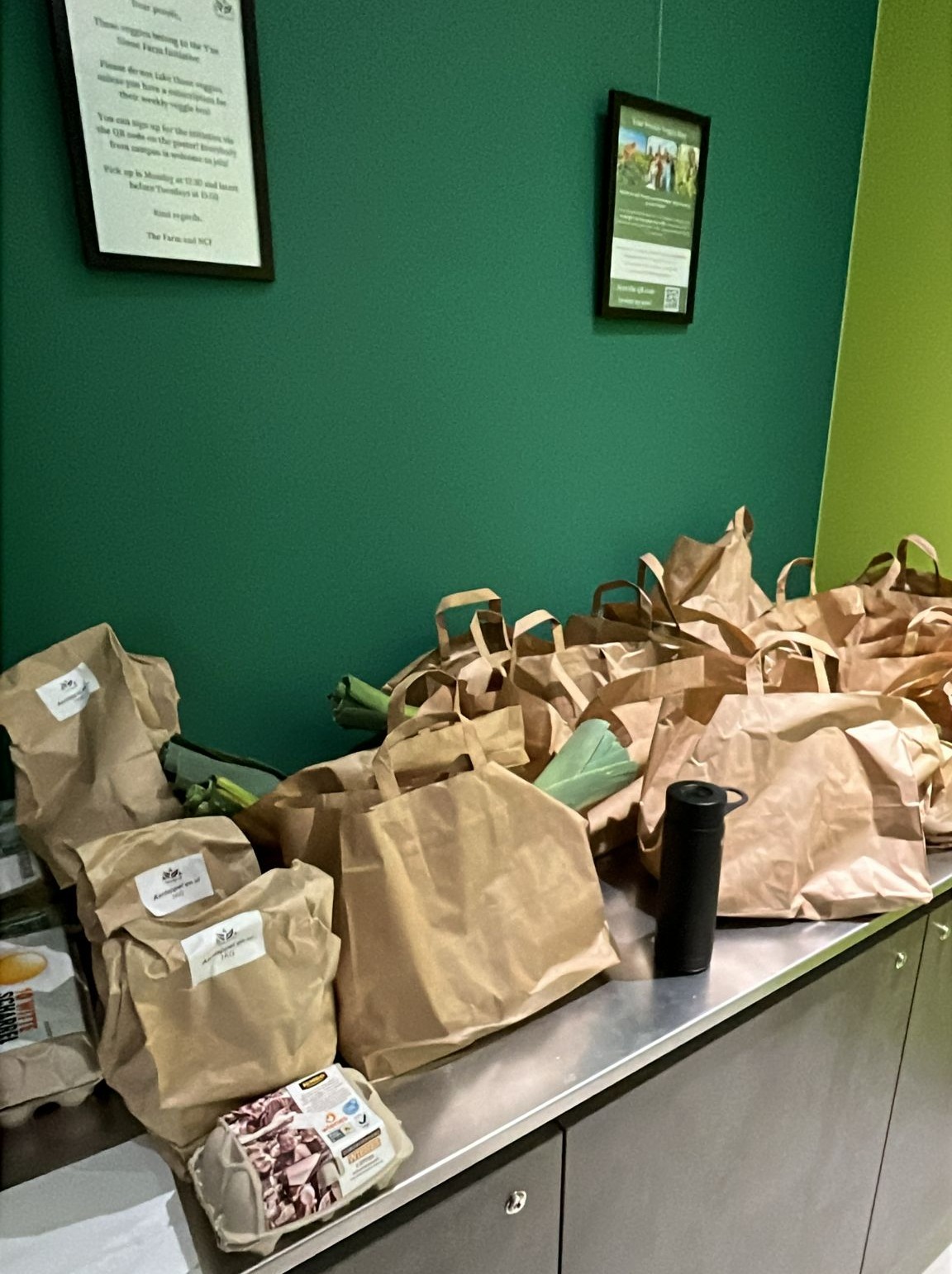
Through the veggie initiative, members of the Campus Fryslân community can collect vegetables from Yn’e Sinne Farm on a regular basis. The selection changes with the seasons, and participants can add extras like eggs, potatoes, onions, or fruit.
The most rewarding part of delivering these vegetables to campus, the farmers say, has been seeing how students engage with them.
“Watching students cook with vegetables they may never have used before (and seeing them become curious about where their food comes from) has been incredibly rewarding.”
It also offers a hopeful glimpse into how food awareness is evolving among younger generations.
“I often think back to my own time as a student. I wasn’t nearly as conscious about sustainability then. Seeing students already thinking about these questions feels inspiring.”
A few essentials for cooking seasonal food
For anyone wondering how to start cooking with seasonal vegetables, the farm offers a surprisingly simple answer. With just a few basic ingredients, most vegetables can become a satisfying meal.
They recommend:
-
Good olive oil
-
Onions and garlic
-
A simple acid such as lemon or apple cider vinegar
“With those three ingredients, almost any seasonal vegetable can turn into something delicious.”
A shared vision for the future
Looking ahead, Yn’e Sinne Farm hopes to expand the CSA and create more educational opportunities around food and agriculture. Their long-term dream is to build a space where farming, learning, and community naturally come together.
“We want the farm to be a place where people feel connected to the land, to each other, and to a different way of living with food.”
For Campus Fryslân, the veggie initiative reflects the same spirit: exploring global challenges through local action. And sometimes, that action starts with something simple, precisely such as picking up a bag of freshly harvested vegetables and deciding what to cook for dinner.
About the author
Laura (from Portugal) is a second-year BSc Global Responsibility & Leadership student, majoring in Politics, Philosophy and Economy. She is currently working as a student assistant to the Marketing and Recruitment team at Campus Fryslân, while also serving in the Amnesty International Student Group Leeuwarden board, the Diversity, Equity and Inclusion Committee and the Programme Committee for the 2025/2026 academic year.
Comments
